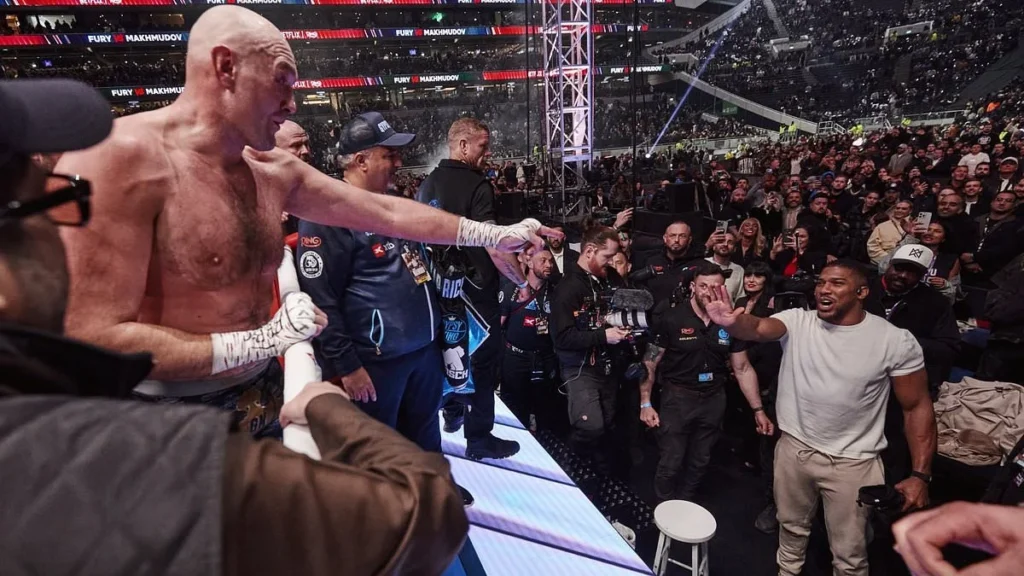


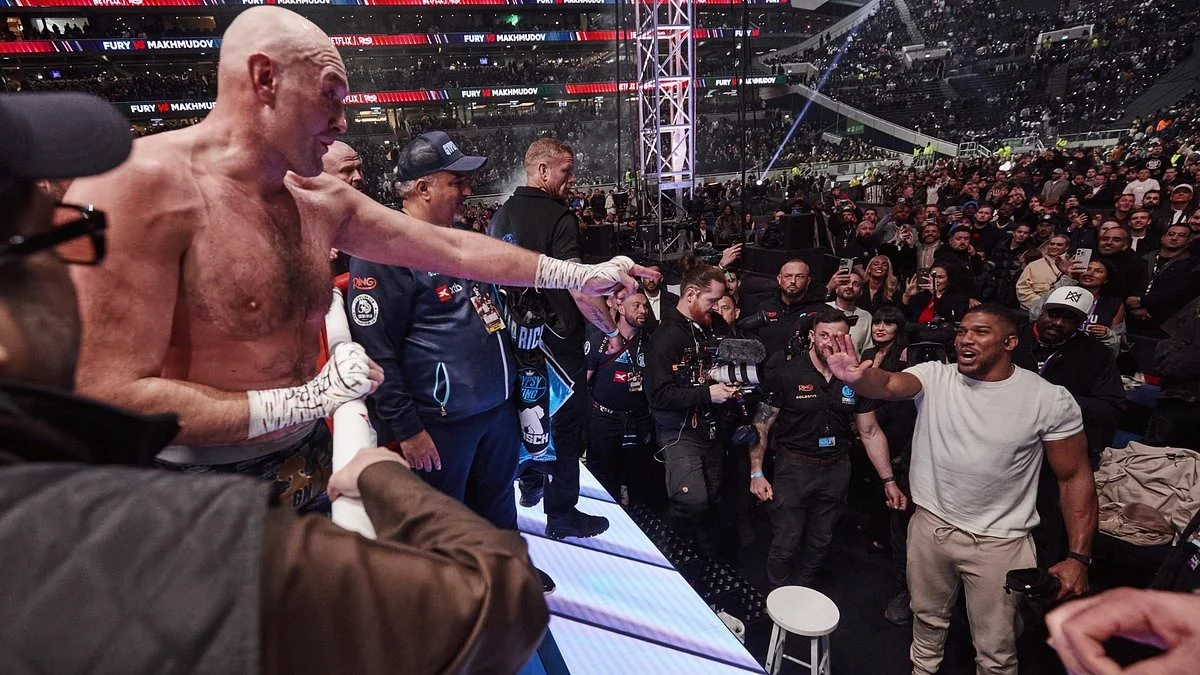
It is, at long last, officially on. After years of false dawns, protracted negotiations, and agonizing collapses, the most coveted clash in modern British sporting history has finally been confirmed by Turki Alalshikh. In a sudden acceleration of events, word was dispatched that the long-awaited face-to-face stare-down between the two heavyweight titans is set to take place at an official press conference launch this Wednesday, cementing a date that fight enthusiasts had spent the better part of a decade yearning to see.
For years, Anthony Joshua versus Tyson Fury stood as the fight that almost got away. It threatened to join boxing’s notorious catalog of lost jewels—those mythical encounters that existed solely in bar-room debates, promotional posturing, and promotional hypotheticals rather than inside the ropes. Time and again, the domestic rivals had seemed poised on the precipice of finalizing terms, only for negotiations to disintegrate under the weight of rival network agreements, competing promotional alliances, shifting contractual obligations, and the unpredictable nature of the heavyweight division. Hope among supporters had worn so dangerously thin that many had resigned themselves to the prospect that the two men would never share a canvas.
Now, the lords of the rings appear to have answered the call, pulling a monumental spectacle back from the brink of oblivion. The confirmation puts to rest years of bitter public sparring and missed deadlines, setting the stage for two men whose parallel journeys have shaped the global boxing landscape to finally resolve their long-standing supremacy in the flesh.
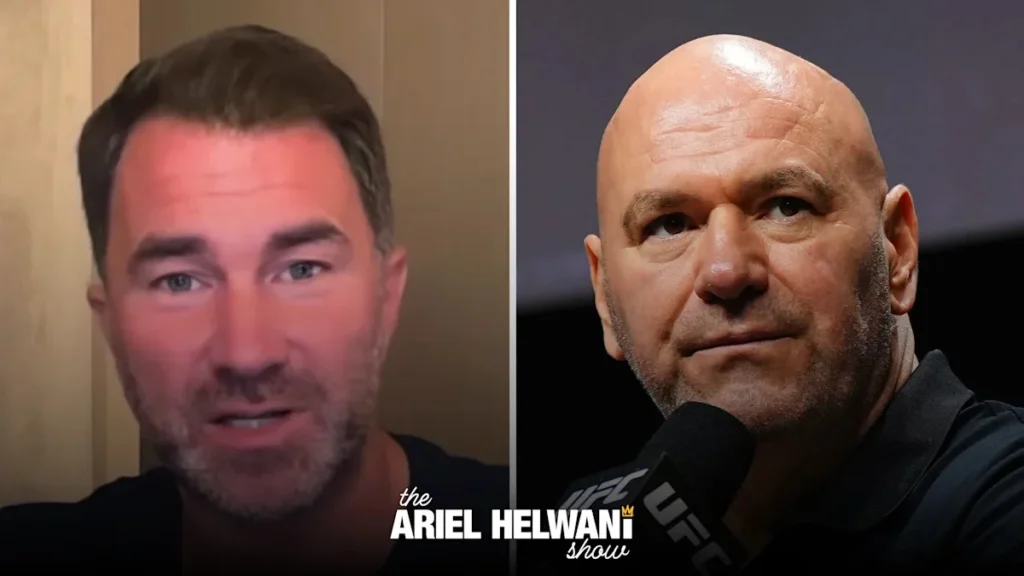
The road to Wednesday’s face-off has not been without its fierce promotional skirmishes behind the scenes. A notable tension has emerged surrounding the presence of Dana White, the American powerbroker from UFC cage fighting who has aggressively sought a piece of the action. White’s sudden desire to involve himself in this marquee boxing affair has triggered vocal resistance from Joshua’s long-standing promoter, Eddie Hearn, who has fought vigorously to retain ownership of an event so thoroughly rooted in British boxing culture.
For Hearn, the confirmation of the event represents a hard-won victory of geography and tradition. While the match could not ultimately be accommodated at Wembley Stadium, Hearn waged a relentless battle to prevent the spectacle from being whisked thousands of miles across the Atlantic to New York. The bout was fiercely courted by overseas investors and international venues eager to host a clash of such cultural magnitude, yet the determination to anchor the confrontation within the home nations ultimately carried the day.
The savior of the contest, and the stage upon which this epic will be played out, is Cardiff. The Welsh capital and its imposing Principality Stadium have formally rescued the event for British fight fans, offering a sheltered colosseum capable of housing more than 70,000 spectators under its retractable roof. While the victory of securing the bout on home soil is substantial, it comes paired with a dramatic logistical condition that will test the endurance of everyone involved.
Both the 70-odd thousand supporters packing the stands in Cardiff and the millions watching across domestic screens will find themselves forced to stay awake deep into the early hours of Saturday morning. The fight is scheduled for Friday night, December 11, but the opening bell is not expected to sound until roughly 2:00 am.
This startling domestic scheduling is the direct result of modern broadcasting priorities, specifically the requirements of streaming giant Netflix. In order to ensure that tens of millions of subscribers across the United States can stream the showdown at peak prime-time viewing hours, the live action in Wales has been decisively shifted onto an American timetable. For British sports followers accustomed to traditional domestic main events wrapping up shortly before midnight, the 2:00 am ring walk represents a stark departure from convention, transforming the occasion into an all-night marathon.
The broadcasting gamble rests on the premise that global audiences will buy into this clash as a mega-fight for the ages, or at the very least recognize it as an unmissable spectacle in its own right. The appetite of American subscribers for two veteran British combatants will be put to the test, but the sheer narrative momentum of a rivalry a decade in the making carries undeniable theatrical magnetism.
Whether the contest will feature a recognized world heavyweight title to add official sporting spice to the evening remains to be seen. In truth, the absence or presence of sanctioning body belts scarcely matters at this juncture. The essential essence of the occasion lies not in institutional hardware, but in two celebrated British warriors finally climbing through the ropes to resolve differences that should have been settled ten years ago. It is an argument of pride, identity, and personal supremacy that has outlived multiple championship reigns and shifting promotional landscapes.
Critics will inevitably point out that both Joshua and Fury are now deep into their late thirties, past their absolute athletic peaks, and navigating the autumn of their respective careers. Yet while they may no longer possess the relentless physical freshness of their twenties, they are very far from being the walking dead. Both fighters retain more than enough pride, technical prowess, and lingering spite to produce an unforgettable exhibition. Their diminished youth is counterbalanced by years of hard-earned ring craft, personal animosity, and the sheer desperation that comes with knowing that this encounter represents the final, defining chapter of their domestic legacy.
There is also a considerable sporting future still to fight for. The man who emerges victorious from Cardiff will immediately thrust himself into the conversation for further high-stakes challenges against the emergent generation of heavyweight titleholders, ensuring one last tour of duty at the absolute pinnacle of the sport. The loser, by contrast, faces an agonizing confrontation with the curtain call of his elite tenure.
The financial rewards accompanying this fateful rendezvous are similarly eye-watering. Both combatants are set to receive an astronomical sum of around $75 million each, arriving as a remarkably generous, albeit bruising, early Christmas present. For that extraordinary level of compensation, the winner will likely enjoy opportunities to extract several million dollars more from the division’s rising stars in subsequent outings.
Naturally, the history of this fragile matchup dictates that seasoned followers will continue to hold their breath until the opening bell actually rings, praying that no unforeseen spanners are thrown into the delicate promotional machinery between now and December. The rivalry has been characterized by so many sudden derailments and conflicting agendas that complete certainty will only arrive when both men are standing across from one another under the stadium lights.
For now, the formal confirmation of the date and Wednesday’s impending face-to-face launch offer the clearest evidence yet that the long wait is drawing to a close. Good luck must be extended to both heavyweights as they prepare to settle their historic score in the Welsh capital.
Perhaps even more luck will be needed by the Welsh constabulary, who face the formidable assignment of policing the city streets in the dead of night. Managing more than 70,000 charged and exhausted spectators spilling out into the cold, darkened thoroughfares of Cardiff around 3:00 am—on what will already be a notoriously boisterous December Friday night—promises to be a monumental operational challenge in its own right.