

Navigating the crowded supplement market for the right daily protein supplement has become a priority for many fitness enthusiasts, athletes, and older adults looking to maintain muscle health. To help consumers separate high-performing formulas from clever marketing, a team of experts has tested over 50 different protein powders, consulting with certified nutrition coaches and sports science professionals to identify the top-performing whey protein powders available on the market for 2025.
Whey protein powder remains one of the most popular nutritional supplements on the market because it offers a simple, highly effective way to increase daily protein intake. As a complete protein source, whey contains all nine essential amino acids that the human body requires for building and repairing muscle tissue. Furthermore, it supplies the body with vital branched-chain amino acids, or BCAAs, such as leucine, which play a critical role in promoting muscle growth and supporting recovery after intense physical exertion.
To establish the definitive list of top recommendations for the year, experts evaluated products based on a rigorous scoring methodology that took into account ingredient purity, amino acid profiles, mixability, taste, and overall value. The evaluation process also incorporated feedback from a panel of expert contributors, including registered dietitians and specialists in sports nutrition and exercise science.
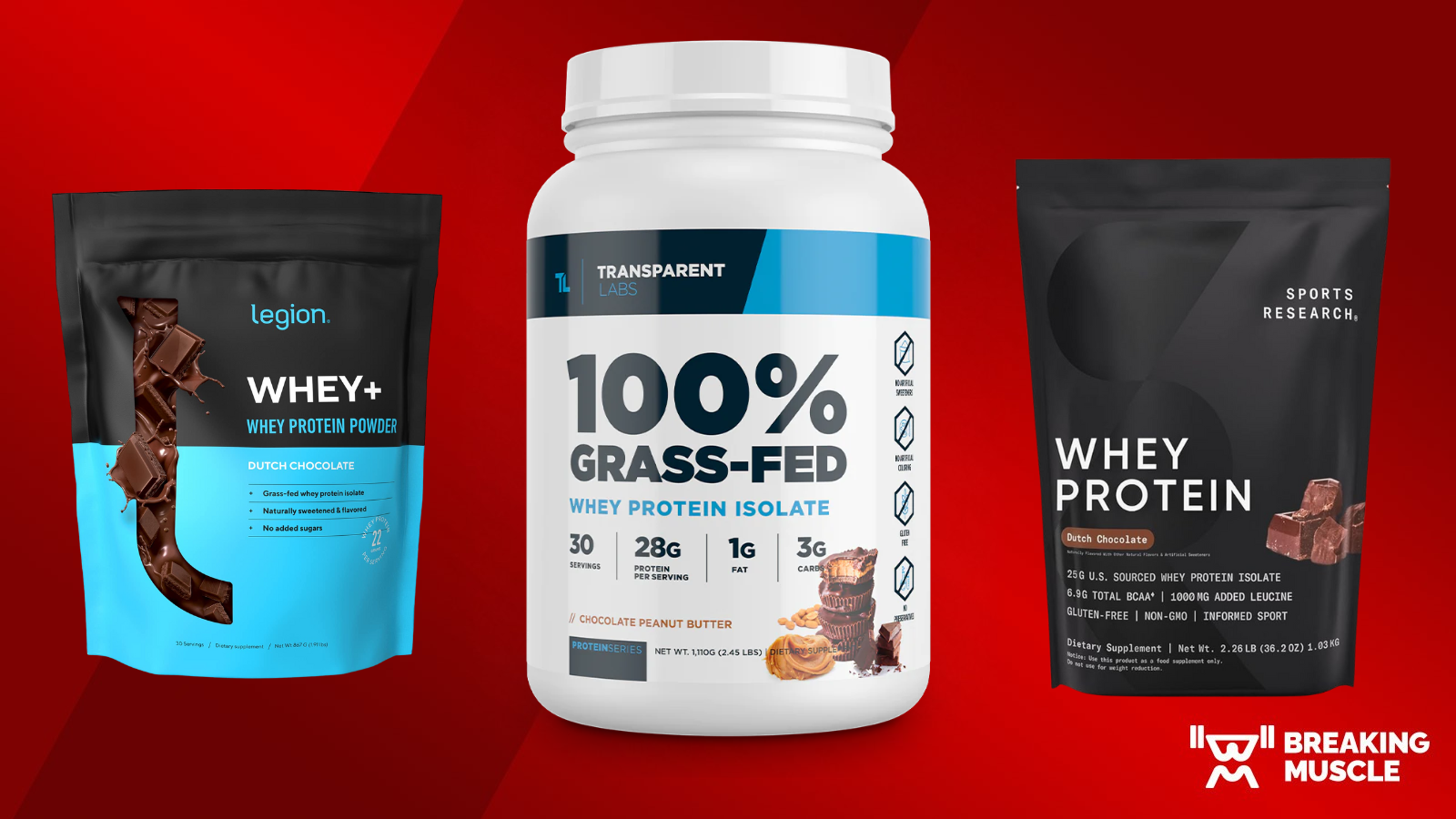
Top-Performing Whey Protein Choices for 2025
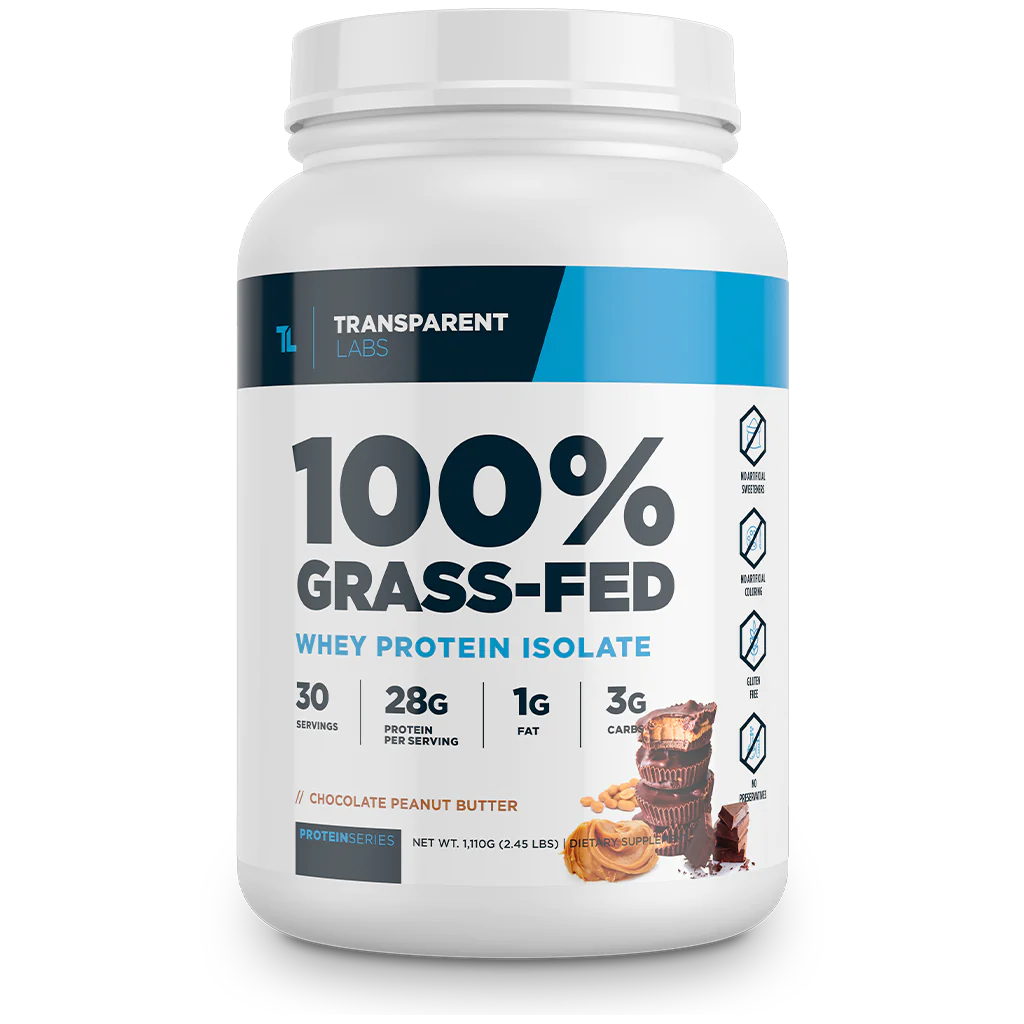
Leading the selections as the best overall choice is the Transparent Labs 100% Grass-Fed Whey Protein Isolate. Engineered to provide maximum protein with minimal carbohydrates and fats, this product undergoes a specialized filtration process that removes excess sugar, fat, carbs, and lactose. This makes it an ideal option for individuals seeking pure protein while actively managing their caloric or macronutrient intake. Packing an impressive 28 grams of protein per serving, the product also features a diverse flavor lineup, including options like Cinnamon French Toast, and is formulated to avoid an overly sweet taste profile.
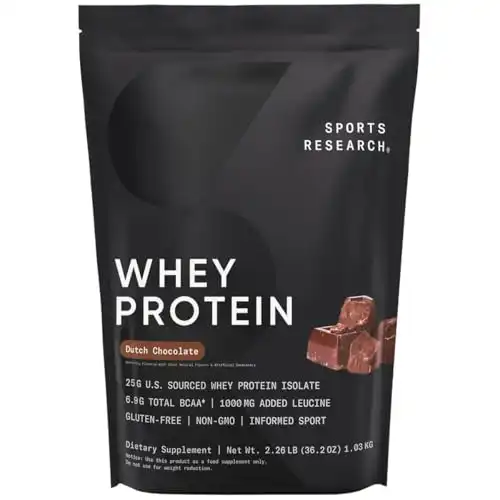
For those prioritizing a rich flavor experience, Sports Research Whey Protein emerged as a top contender, formulated with 6.9 grams of BCAAs, including 1,000 milligrams of L-leucine, which studies suggest may help reduce delayed onset muscle soreness. Sweetened with stevia or sucralose depending on the flavor, the Informed Sport Certified powder has earned high praise from users for its decadent Dutch Chocolate flavor, smooth mixability in water, and absence of post-shake bloating.
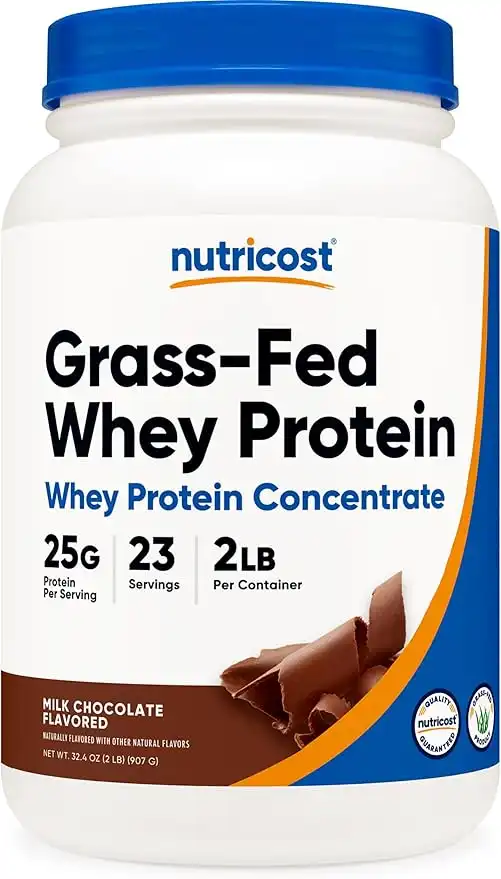
When looking at grass-fed options using concentrate, Nutricost Grass-Fed Whey Protein Concentrate provides a non-GMO, gluten-free, and third-party-tested alternative. Because dairy sourced from grass-fed cows frequently exhibits a higher concentration of beneficial nutrients and amino acids, this concentrate delivers strong nutritional value alongside a nostalgic taste profile that testers liken to classic chocolate milk drinks, complete with sunflower lecithin to aid smooth mixability.
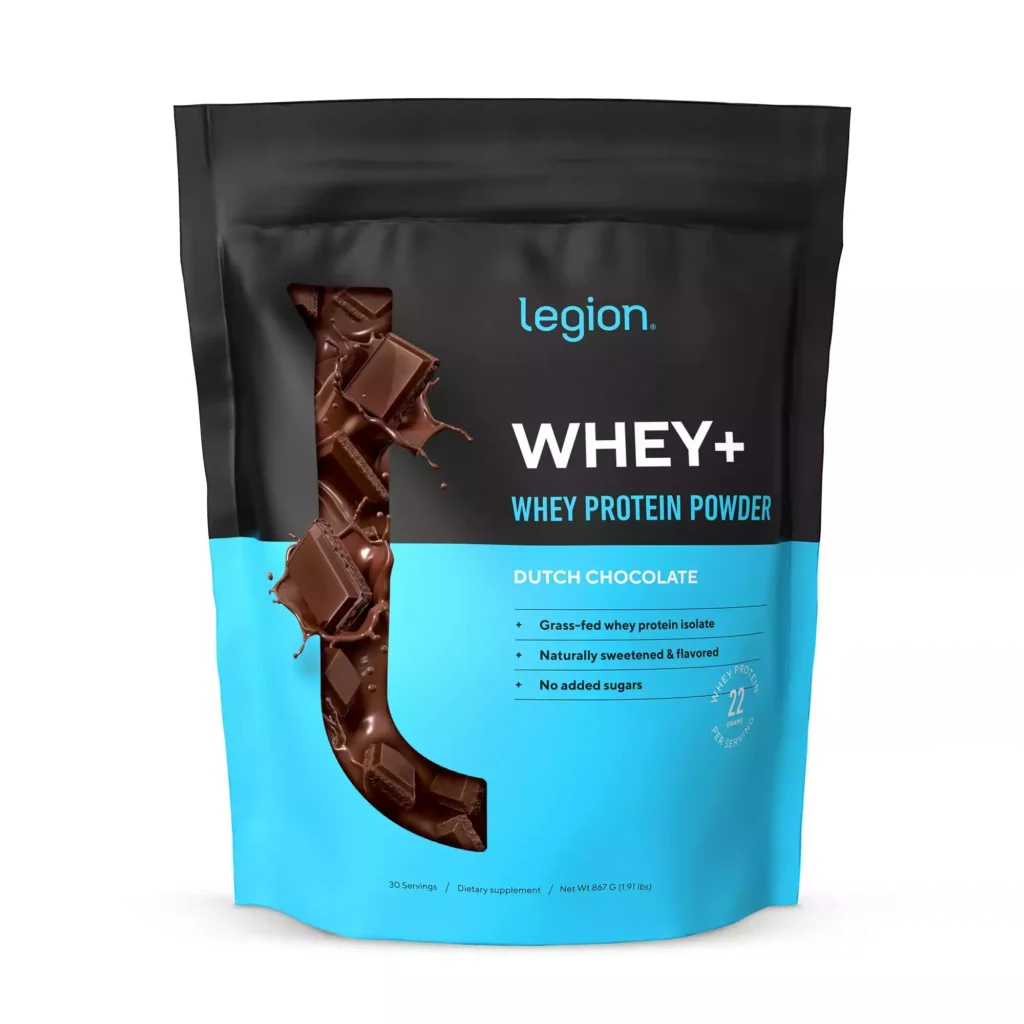
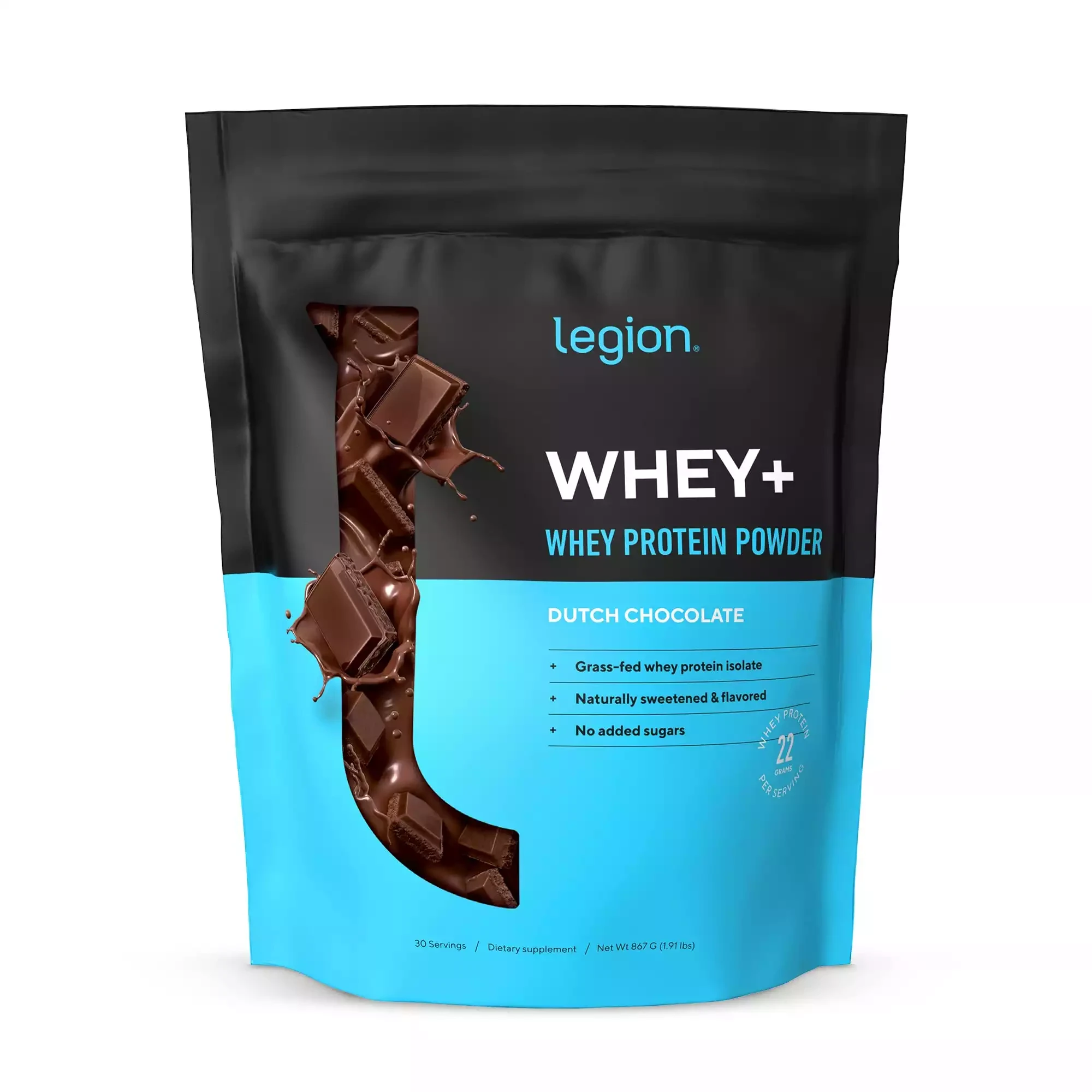
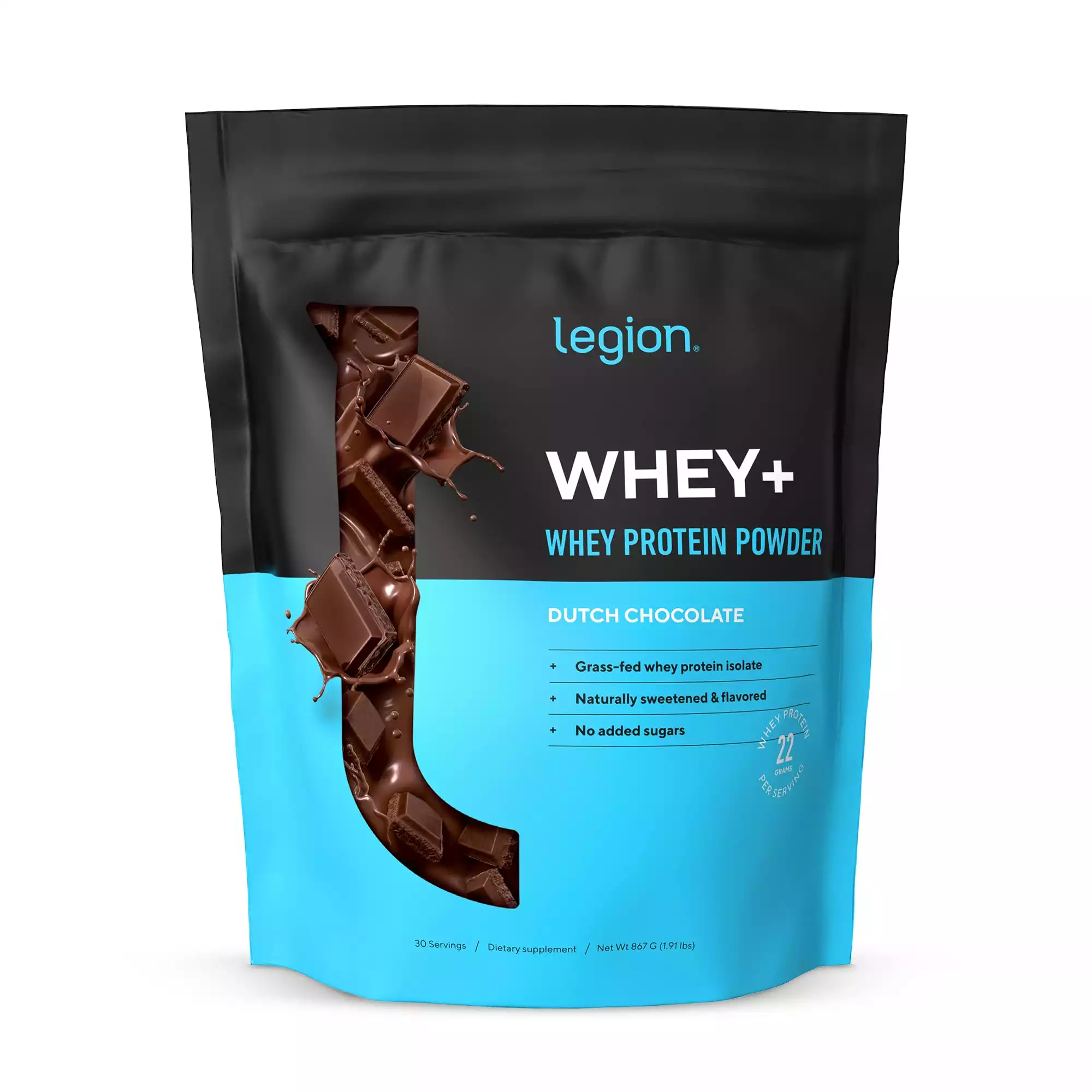
For vanilla enthusiasts, Legion Whey+ offers a high-purity isolate that is third-party tested and certified to contain no banned substances by Labdoor. Filtered extensively to remove extra fats and carbohydrates, the French Vanilla formulation delivers a rich taste reminiscent of vanilla creamer while supporting bloat-free digestion.
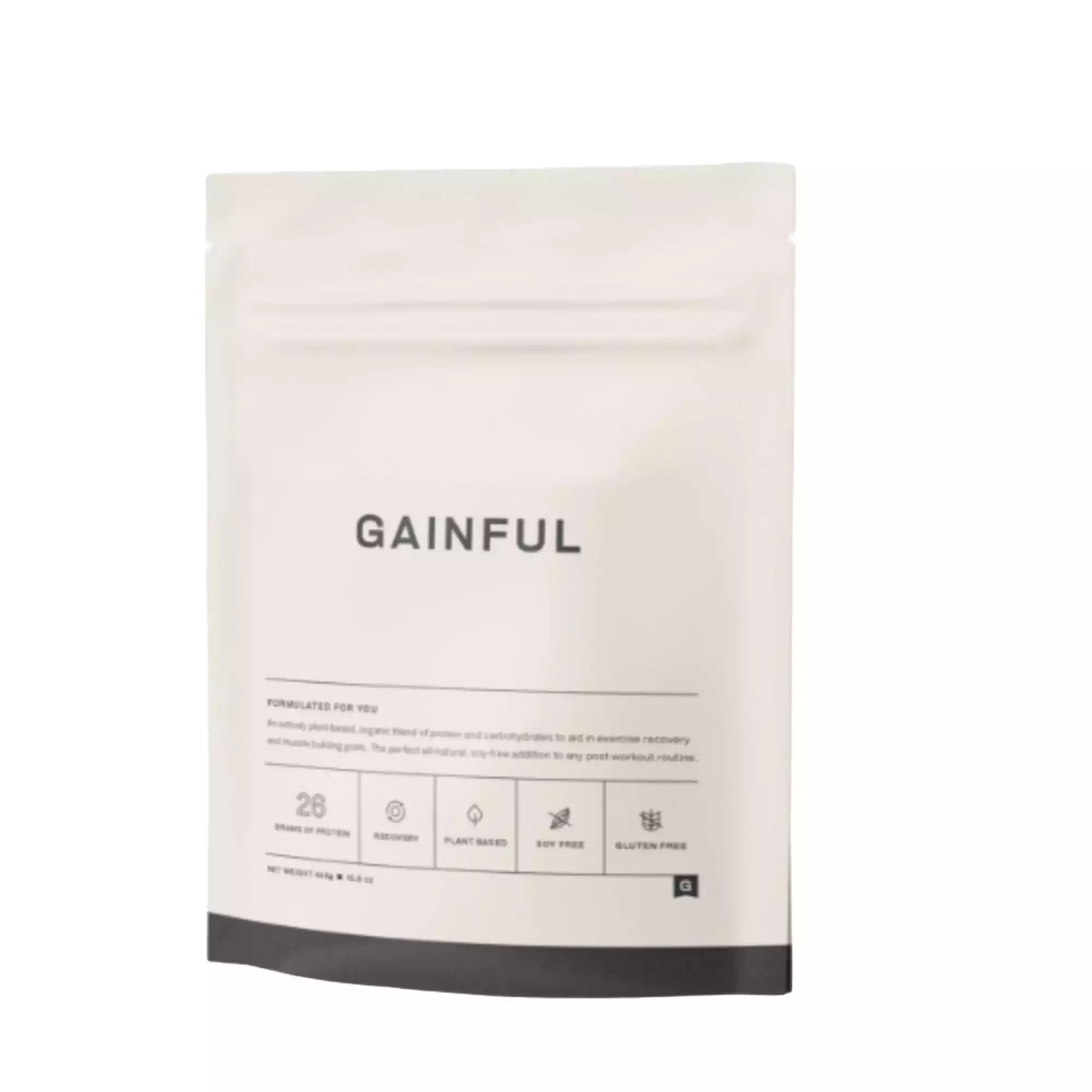
Finally, for consumers who struggle with the chalky textures and bitter aftertastes commonly associated with supplements, Gainful Protein Powder offers a customizable approach with a subtle, well-balanced flavor profile. Featuring options like Caffe Mocha, Chocolate Peanut Butter, and Sea Salt Caramel across single-serve packets, it provides a versatile and palatable way to supplement daily intake.
Understanding Whey Protein and Its Biological Role
Derived from cow’s milk, which naturally contains two major proteins known as casein and whey, whey accounts for approximately 20 percent of total milk protein. Because it supplies all nine essential amino acids, cow’s milk protein is classified as a complete, high-quality protein source. Beyond its primary role in athletic performance, scientific literature indicates that whey protein may offer broader health benefits, including enhanced immune function and improved cardiometabolic health.
While commonly sold as a powder to be blended with water or other liquids, whey is also utilized in commercial food manufacturing as a nutritional enhancement in baked goods, soups, and sauces, often replacing heavier ingredients like cream, butter, or eggs to create high-protein, low-fat products.
When shopping for these products, consumers generally encounter three primary forms of whey protein, differentiated primarily by how they are processed: concentrate, isolate, and hydrolysate.
Whey protein concentrate represents the least processed form, retaining higher levels of lactose, fats, carbohydrates, and beneficial micronutrients. It typically boasts a protein concentration between 70 and 80 percent and is frequently utilized in the food industry to enhance texture and extend shelf-life.
Whey protein isolate undergoes further filtration and processing to remove nearly all fats and lactose, resulting in a product that contains 90 percent or more protein by weight. This high concentration makes isolate a preferred ingredient for sports nutrition supplements and protein bars designed for individuals restricting their carbohydrate or fat intake.
Whey protein hydrolysate, or hydrolyzed whey, is subjected to partial hydrolysis, a process that breaks down the protein chains into smaller peptides for more rapid absorption by the digestive tract. While historical concerns suggested rapid absorption might negatively impact blood sugar, recent clinical research indicates that whey protein can actually support improved glycemic control over time.
Benefits, Application, and Proper Usage
The primary practical advantage of whey protein powder lies in its sheer convenience as a high-quality dietary supplement. Nutrition experts emphasize that if individuals consume adequate protein through whole foods such as meat, dairy, poultry, fish, and legumes, supplemental powders are not strictly necessary to achieve health and fitness objectives. However, for those who find it challenging to meet their daily nutritional requirements through whole foods alone, incorporating a protein powder can bridge the gap.
Key benefits associated with regular whey protein consumption include supporting muscle hypertrophy when combined with resistance training, preserving lean muscle mass during periods of caloric restriction and weight loss, and promoting satiety. Because high-protein diets help regulate hunger hormones, whey supplementation can assist individuals in managing overall daily caloric intake.
To utilize whey protein powder effectively, individuals should first calculate their daily protein targets based on body weight, activity level, and specific fitness goals. A standard baseline formula for active adults involves multiplying body weight in pounds or kilograms by an established factor, such as 0.8, to determine daily gram requirements. Experts caution that supplements should complement, rather than replace, a balanced diet composed of nutrient-dense whole foods.
Standard preparation typically involves mixing a single scoop of powder with 10 to 12 ounces of water, milk, or a preferred beverage, though powders can also be incorporated into oatmeal, smoothies, or baking recipes. While whey can be consumed at any time during the day to help meet macro targets, many fitness enthusiasts utilize it as a post-workout supplement to support muscle repair and recovery processes.
Potential Side Effects and Considerations
When consumed in moderation by healthy adults, whey protein powder is generally considered safe and free of adverse effects. However, excessive consumption over prolonged periods can potentially lead to digestive distress, such as bloating or cramping, mild dehydration, or an imbalance in total dietary intake if whole foods are neglected.
Individuals with severe dairy allergies or clinical lactose intolerance should exercise caution and consult a healthcare professional before introducing whey products into their routines, as even highly filtered isolates may contain trace amounts of milk components. Similarly, anyone experiencing persistent or unusual symptoms after using a protein supplement should discontinue use and seek guidance from a qualified medical provider.
Ultimately, choosing the most appropriate whey protein involves balancing personal preferences regarding taste and mixability with specific nutritional goals, budget constraints, and potential dietary restrictions or allergen disclosures listed on product labels. By carefully evaluating these factors, consumers can successfully integrate a high-quality whey supplement into a comprehensive health and fitness regimen.