
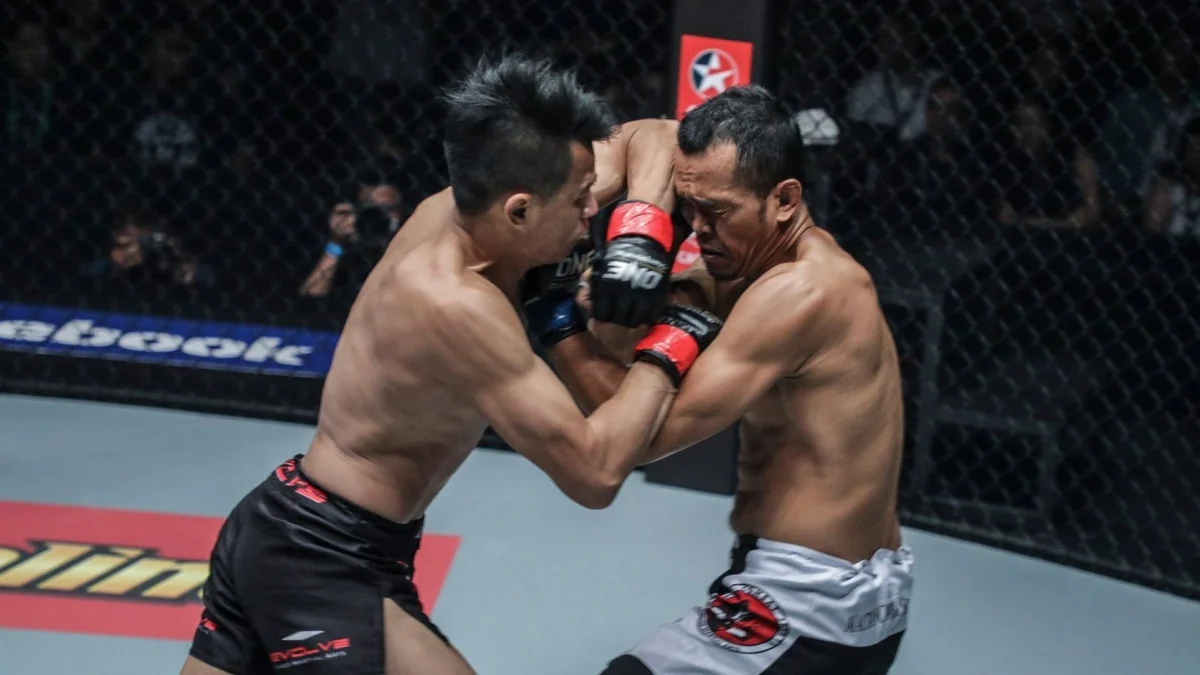
Mixed martial arts (MMA) has cemented its position as the fastest-growing combat sport on the planet, enjoying unprecedented global success and cultural mainstreaming over the past decade. What began as a spectacle of stylistic clashes in the early days of the Ultimate Fighting Championship (UFC) has evolved into a highly sophisticated, multi-billion-dollar industry. Promotions such as the UFC, ONE Championship, Bellator, and Rizin FC now command international attention, driven by household names who have transcended the sport to become global cultural icons. Stars like Conor McGregor, Ronda Rousey, Jon Jones, and Brock Lesnar have successfully drawn millions of casual fans into a sport that was once relegated to the fringes of the sporting world.
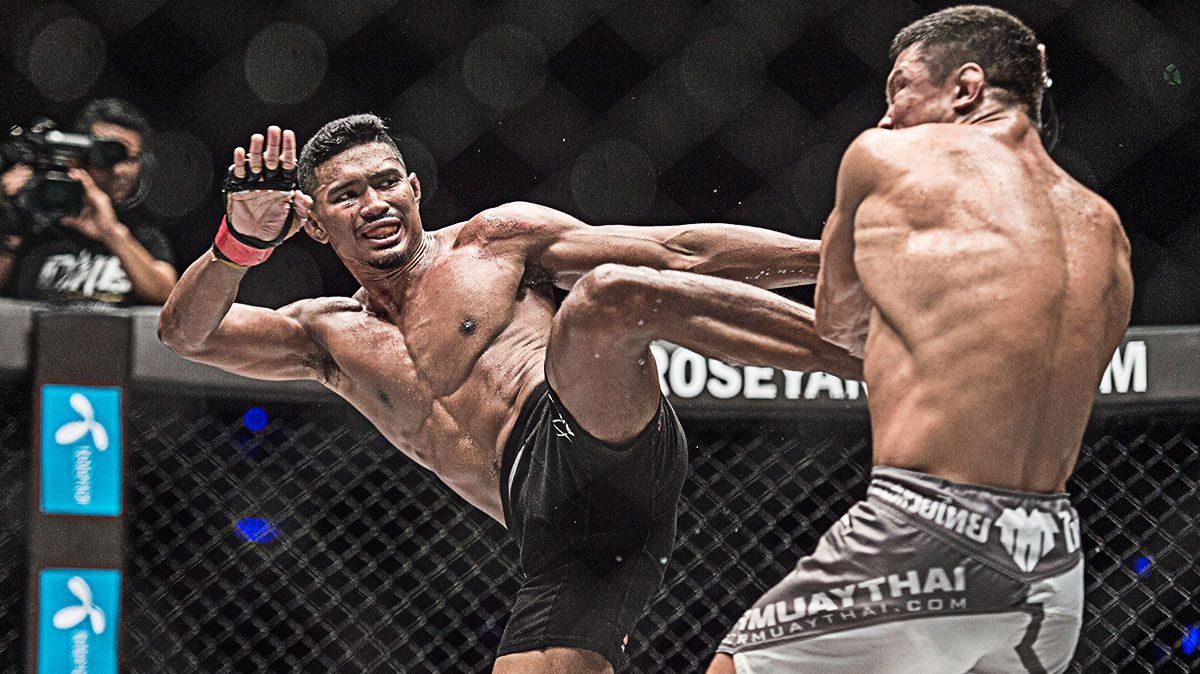
Yet, despite this massive mainstream surge and the millions of viewers who tune in to watch high-profile cards, a profound knowledge gap often remains. Many casual spectators view MMA as a singular, monolithic entity, failing to recognize or understand the individual disciplines and rich martial arts traditions that make up the "mix" in mixed martial arts. Modern elite fighters are no longer one-dimensional; they are comprehensive mixed martial artists who must master an intricate web of combat systems to survive and thrive inside the cage or ring. To truly appreciate the complexity and high-stakes chess match of modern MMA, it is essential to examine the core disciplines that form the foundation of the sport. The five most prominent and effective martial arts systems—wrestling, Muay Thai, Brazilian Jiu-Jitsu, boxing, and kickboxing—serve as the building blocks for every champion who steps beneath the lights.
Wrestling
Among the foundational pillars of the sport, wrestling holds a paramount position in determining how fights unfold. Elite athletes who have dominated their respective divisions—including figures such as Daniel Cormier, Jon Jones, Robert Whittaker, Kamaru Usman, Khabib Nurmagomedov, Henry Cejudo, and Amanda Nunes—share a common thread in their formidable wrestling backgrounds. The sheer dominance displayed by elite wrestlers over the past decade provides undeniable evidence of the discipline’s supreme effectiveness within the modern MMA landscape.
Without a strong wrestling base, the ability to dictate where a fight takes place—whether keeping it standing or bringing it to the canvas—is severely compromised. Wrestling grants practitioners the power to secure crucial takedowns and develop impenetrable takedown defenses, dictating the tempo and terrain of the bout. Consequently, a high-level wrestler presents a psychological and physical nightmare matchup for any opponent who lacks proficiency in this department.
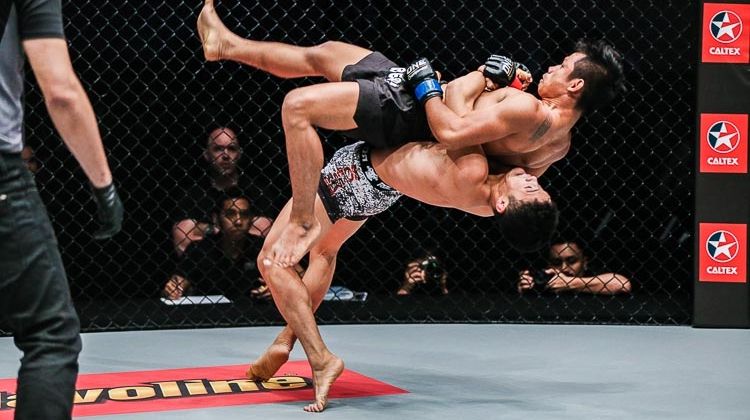
The clash of styles inherent in MMA often highlights the devastating efficacy of wrestling-heavy backgrounds. For instance, former UFC featherweight and lightweight champion Conor McGregor experienced the stark realities of facing a master grappler when he encountered the relentless pressure of Khabib Nurmagomedov—a practitioner deeply rooted in Sambo and elite-level grappling—resulting in the most overwhelming defeat of his career at UFC 229 in October 2018.

Geographical and cultural factors also play a fascinating role in how fighters develop their skill sets. Because regions such as Ireland, the UK, Thailand, and various parts of Europe and Asia lack a deep collegiate wrestling culture, athletes hailing from these areas traditionally lean toward elite stand-up fighting systems. To bridge the gap against elite grapplers, strikers often rely on disciplines like Muay Thai, which stands as the closest striking equivalent to the positional dominance found in wrestling.

Muay Thai
When it comes to the striking arts utilized in mixed martial arts, Muay Thai—universally recognized as the "Art of the Eight Limbs"—stands out as the most cultured, versatile, and effective discipline. By incorporating the fists, elbows, knees, and shins into a cohesive offensive and defensive framework, Muay Thai provides mixed martial artists with an exhaustive arsenal of weapons designed to dismantle any adversary.

Over the decades, the sport has witnessed a long lineage of elite fighters proving the undeniable value of Thailand’s national pastime inside the cage. Legendary figures such as Jose Aldo, Anderson Silva, Joanna Jędrzejczyk, Dejdamrong Sor Amnuaysirichoke, Wanderlei Silva, and Valentina Shevchenko have all masterfully translated their Muay Thai backgrounds into mixed martial arts success. In modern promotions like ONE Championship, world-class strikers such as Yodsanklai Fairtex and Sam-A Gaiyanghadao continue to demonstrate the devastating precision and conditioning forged through traditional Muay Thai training. Furthermore, the universal presence and reverence of Muay Thai coaches in premier MMA training camps across the globe underscore its status as an indispensable striking base.

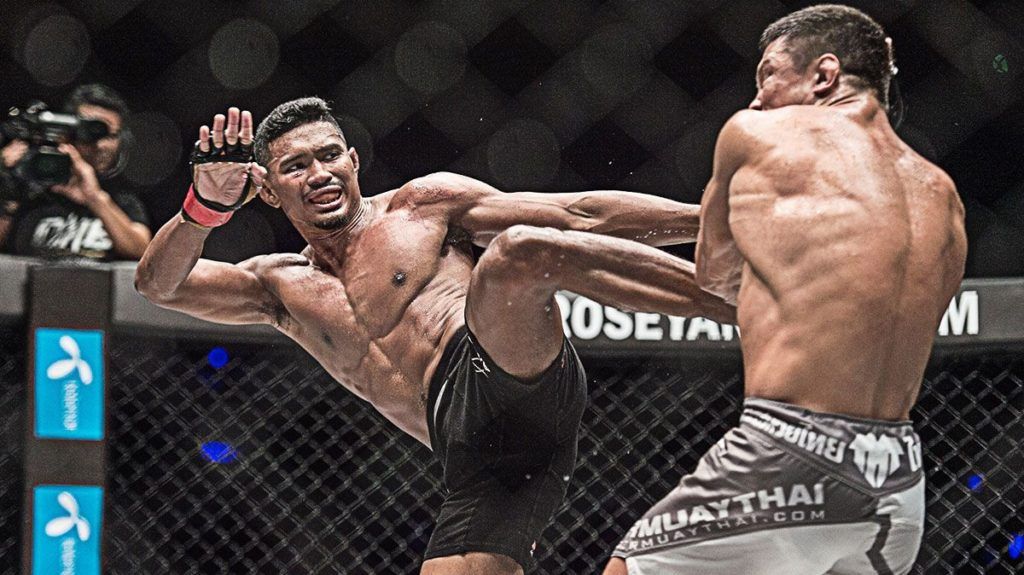
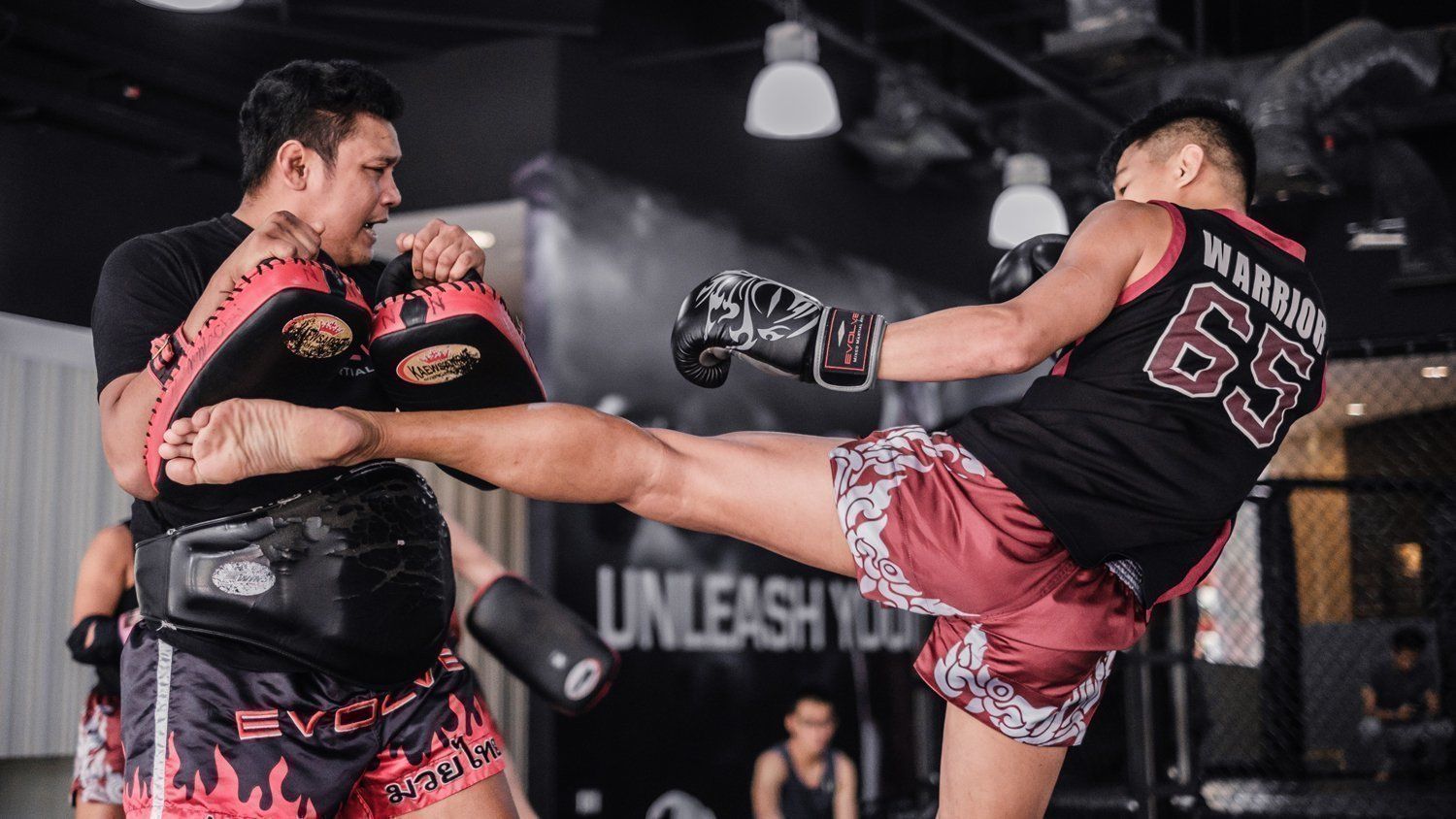
From stinging low leg kicks and snappy push kicks, known as teeps, to suffocating clinches, textbook sweeps, punishing roundhouses, and razor-sharp elbows, Muay Thai reigns supreme in the stand-up department of MMA. In terms of sheer completeness and adaptability within an MMA practitioner’s striking arsenal, few disciplines can rival its depth.

Brazilian Jiu-Jitsu (BJJ)
The historical roots of modern MMA are inextricably linked to Brazilian Jiu-Jitsu. The UFC itself was co-founded by Rorion Gracie, a legendary BJJ master and key patriarch of the world-famous Gracie family. Gracie’s original mission was to showcase to the global audience that Brazilian Jiu-Jitsu was the most effective martial art in existence, a point forcefully proven by his brother, Royce Gracie. Royce dominated the early landscape of the sport by winning three of the first four Ultimate Fighting Championships, cementing BJJ as a mandatory discipline for anyone wishing to compete at the highest level.

While opponents in the early-to-mid 1990s were largely unequipped to handle the complex grappling and submission strategies of BJJ, the sport has since evolved to a point where training in Brazilian Jiu-Jitsu is a non-negotiable requirement for professional fighters. The catalog of elite champions who reached the apex of the sport through strategic submissions, sweeps, and transitional ground dominance is extensive.

From ubiquitous techniques like the rear-naked choke and the armbar to specialized maneuvers such as the Von Flue choke and the Gogoplata, Brazilian Jiu-Jitsu remains as fundamental to mixed martial arts as mechanical components are to an automobile.

Boxing
As the world’s most popular standalone martial art, boxing serves as an essential cornerstone for striking inside the MMA cage. Whether a fighter’s primary background lies in Muay Thai, kickboxing, taekwondo, karate, or kempo, possessing the ability to throw crisp, technically sound punches—including the jab, cross, hook, and uppercut—is an absolute baseline expectation for top-tier competitors.

By its very nature, boxing places an intense emphasis on footwork, head movement, distance management, and the ability to cut angles to find innovative openings for offensive strikes. Although traditional boxing prohibits attacks below the waist and the use of kicks, knees, or elbows—making it insufficient as a standalone striking base for MMA—the strategic advantages of possessing high-level boxing acumen are immense. Over the years, elite athletes such as Max Holloway, Jorge Masvidal, Conor McGregor, Nick and Nate Diaz, and Georges St-Pierre have heavily integrated and relied on their exceptional boxing nous to outmaneuver and overwhelm opponents.

Kickboxing
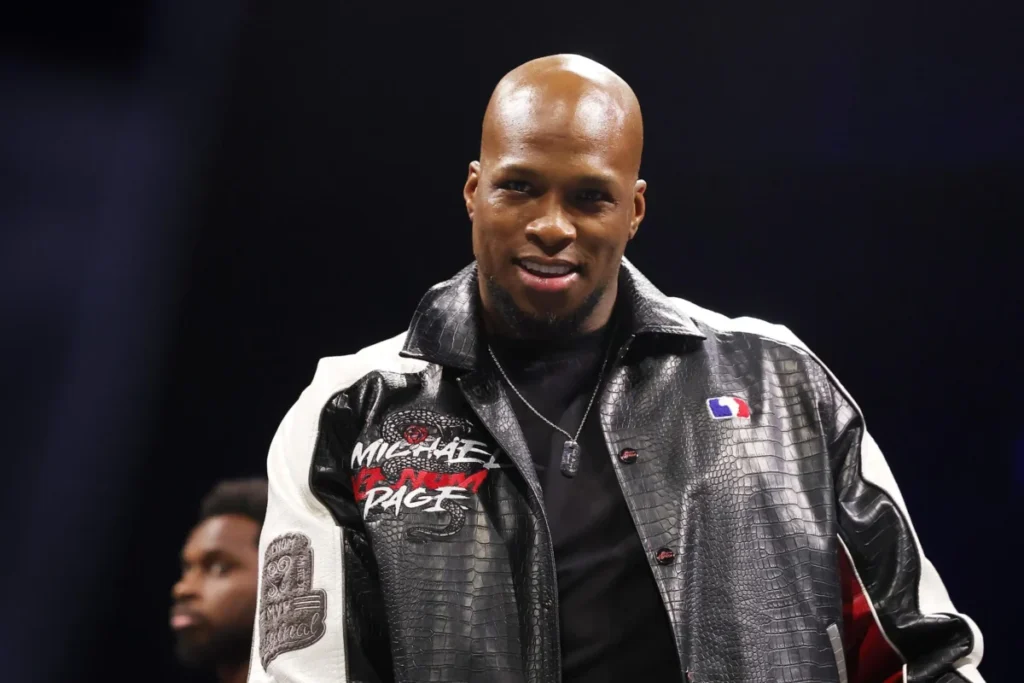
While Muay Thai offers a deeply comprehensive and traditional striking methodology, numerous athletes have successfully navigated the ranks as kickboxers before transitioning into dominant mixed martial artists. Elite competitors including Stephen "Wonderboy" Thompson, Israel Adesanya, Holly Holm, Michael "Venom" Page, Mirko Cro-Cop, and Alistair Overeem have utilized their precise kickboxing backgrounds to flourish inside the cage.

Although kickboxing serves as an exceptional platform for stand-up combat, it occasionally takes a backseat to Muay Thai due to its more limited range of permitted impact weapons, such as the absence of traditional elbow and clinch attacks. Nevertheless, kickboxing remains a vital component of the modern MMA striking paradigm. While other disciplines like taekwondo and traditional karate have contributed unique kicking mechanics and unorthodox movement patterns to the sport, practitioners of those specific martial arts have historically experienced varying degrees of success when forced to adapt to the comprehensive demands of full-scale mixed martial arts competition.