


Running has officially taken over. What was once viewed as a niche activity primarily reserved for hardcore endurance athletes and solitary marathoners has transformed into a massive global phenomenon. Today, everyone from heavily muscled bodybuilders and CrossFit competitors to digital influencers and busy corporate executives are lacing up their running shoes and hitting the pavement.
The numbers behind this shift tell a remarkable story of cultural and economic transformation. Since the early 2000s, running participation rates have tripled globally, and current growth projections show no signs of slowing down. This explosive surge has turned a traditional pastime into an economic powerhouse, raising questions about what is driving millions of people to embrace the sport and why running has become the definitive fitness trend of the decade.
From Bodybuilding to Running: The Evolution of Fitness Culture
The landscape of physical culture has shifted dramatically over the past twenty years, tracking a broader evolution in how people approach health and well-being. The early 2000s belonged firmly to the world of bodybuilding. Iconic physique competitors and fierce rivalries dominated the fitness scene, inspiring gym-goers to chase muscle hypertrophy and maximal strength under the bright lights of traditional weight rooms.
As the decade turned, the fitness zeitgeist shifted toward the functional fitness era of the late 2010s. CrossFit exploded into mainstream consciousness, captivating audiences with high-intensity, multi-modal workouts led by elite, multidisciplinary athletes who redefined what human conditioning looked like.
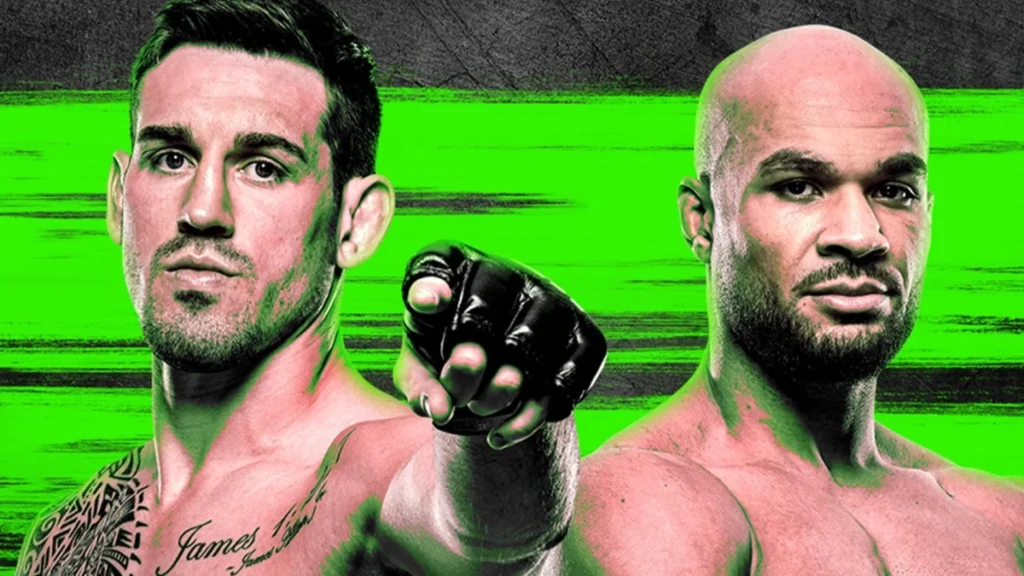
Now, the pendulum has swung once again, and running has taken center stage. Backyard ultramarathons, neighborhood run clubs, and social media feeds flooded with GPS watch screenshots have become the new normal across cities worldwide. Even top-tier physique competitors, including six-time Mr. Olympia participants, have been spotted logging miles on the road, despite historically claiming that steady-state cardio compromised their hard-earned muscle mass.
The Numbers Behind the Running Boom
To understand the scale of this movement, one only has to look at the data. In England alone, the population of consistent, regular runners hovered around one million people in the early 2000s. By 2010, that figure had doubled. By 2020, approximately six million people were running regularly, and those numbers have continued to climb steadily ever since.
The financial growth of the industry tells an equally impressive story of commercial expansion. At the turn of the century, the global running market was valued at roughly $100 billion. Fast forward to the mid-2020s, and that financial footprint has ballooned to between $400 billion and $450 billion. Current market projections suggest the industry could reach an astonishing $550 billion to $600 billion by 2030.
This represents a staggering six-fold increase in just over two decades—a sustained growth rate that few consumer sectors can rival, driven by an expanding demographic of dedicated participants who view their sport as an essential lifestyle choice.

Where the Money Flows: Shoes, Tech, and Events
The economic engine driving the running boom is fueled by three primary pillars: footwear, wearable technology, and organized racing events. Together, these sectors have captured the spending power of a new generation of participants.
Running shoes have evolved rapidly from purely functional necessities into hybrid performance gear and collector’s items. While legacy athletic giants like Nike and Adidas continue to command massive market presence, they now face intense competition from specialized newcomers such as Hoka and Brooks. These newer brands have captured significant market share through targeted innovation and an acute understanding of the expanding runner demographic. For many new participants, discovering the sport quickly leads to a rapidly growing collection of specialized footwear, with accumulating multiple pairs becoming the norm rather than the exception.
Simultaneously, wearable technology has taken center stage in the daily lives of athletes. Brands like Garmin have experienced stock market trajectories that mirror the running market’s ascent almost perfectly. GPS watches, advanced fitness trackers, and smart health devices have transformed from luxury accessories into essential training companions. Runners today track an unprecedented array of metrics, including pace, distance, heart rate zones, and recovery analytics.
This technological integration is amplified by digital platforms like Strava, which have effectively transformed a historically solitary pursuit into a deeply social experience. Runners now routinely share routes, compare split times, and build vibrant local and global communities around their training logs.
The competitive landscape has expanded in tandem with consumer gear. The global race calendar now features an incredible diversity of events, ranging from traditional marathons and parkruns to HYROX competitions and specialized ultra-distance challenges. Novelty and niche events—such as urban races where participants stop to eat at specific locations along a multi-kilometer route—further highlight how running culture has democratized, shedding its intimidating reputation to embrace playfulness and accessibility.
COVID-19: The Unexpected Catalyst
While the foundations of the running boom were laid over years of shifting fitness preferences, the COVID-19 pandemic acted as an unexpected and powerful catalyst. When governments mandated gym closures and social distancing protocols, outdoor running emerged as one of the few accessible outlets for physical activity and mental preservation.
During the initial lockdowns, running participation surged by roughly 29% as people sought reliable ways to cope with confinement and uncertainty. While some casual participants eventually drifted back to traditional indoor facilities once restrictions lifted, a massive core group remained. Those who persisted formed a vocal, highly engaged community that inspired a powerful secondary wave of interest. Sport England reported that an additional 500,000 people took up running in a single recent year, pushing participation metrics to historic highs.
Ultimately, the pandemic served as a massive cultural reset. It introduced millions of individuals to a sport they might never have otherwise tried, creating a lasting reservoir of enthusiasm that sustains the current fitness movement.

Why People Actually Run: Real Voices
Beyond market statistics and economic forecasts, personal motivations reveal why individuals continue to lace up their shoes day after day, regardless of weather conditions or fatigue.
For many, running begins as a conscious effort to confront fear and self-doubt. One marathon finisher described her initial drive to run as a reaction against her own intimidation, noting that she was simply tired of hating the activity and felt a strong need to conquer it. Over time, however, the motivation shifted from proving capability to seeking the physiological and psychological rewards that follow a workout. The consistent realization that finishing a run virtually always induces a better mood than skipping it provides the ultimate psychological anchor for long-term consistency.
Other athletes find their way to running later in life, sometimes rediscovering passions from their youth after years spent prioritizing other modalities. Dedicated strength athletes and CrossFit practitioners who once avoided endurance training out of fear that it would compromise their physical power have rediscovered the sport in their mature years. For these athletes, long runs through mountain trails or natural landscapes offer a profound sense of gratitude and escape from the confines of traditional gym walls, while also providing a shared activity to enjoy with family members and children.
For busy professionals and parents, the enduring appeal of running often lies in its absolute simplicity. In a complex world filled with demanding schedules, running requires no complex machinery, specific facility access, or elaborate preparation. It remains the most straightforward method available to increase cardiorespiratory fitness and build mental resilience. Many entrepreneurs and leaders note that starting the morning by overcoming the physical resistance of a run sets a powerful psychological tone for managing high-stress decisions later in the day.
The Universal Appeal of Running
The sheer versatility of running explains its widespread, cross-demographic adoption. Unlike specialized sports that demand specific facilities, extensive coaching, or advanced skill sets, running adapts seamlessly to the individual needs of every participant.
Data-driven optimizers utilize advanced technology to analyze every variable of their training load and physiological recovery. Competitors rely on structured race calendars and personal records to measure tangible progress. Individuals seeking social connection find belonging in community run clubs, while those prioritizing mental health rely on the rhythmic, meditative nature of outdoor movement to regulate stress and process complex thoughts.
This universal accessibility ensures that whether an individual is an absolute beginner taking their first tentative steps around a neighborhood block or a seasoned ultramarathoner preparing for a mountain race, the sport meets them exactly where they are. As participation rates continue to climb and the cultural footprint of the running movement expands, the fundamental truth of the sport remains unchanged for millions of people worldwide.