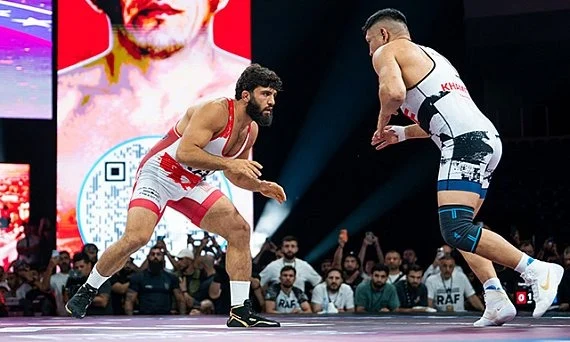




Over the years, the landscape of martial arts has evolved dramatically, reflecting shifts in culture, sport, and the practical demands of physical confrontation. Traditional martial arts carry a long, storied history deeply rooted in philosophy, discipline, and time-honoured techniques passed down through generations. In contrast, modern Mixed Martial Arts (MMA) has emerged as a dynamic, multifaceted sport focused on real-world combat efficiency and athletic adaptability. The ongoing debate between traditional martial arts and MMA frequently surfaces when enthusiasts, practitioners, and analysts discuss which approach represents the superior path to physical mastery. However, the reality of this comparison is far more nuanced than a simple binary choice between old and new.
Understanding this debate requires an exploration of the key differences that separate traditional disciplines from the modern cage. By comparing their underlying philosophies, technical repertoires, training methodologies, and competitive environments, observers can gain a clearer understanding of what each approach offers and why practitioners choose one path over the other.
The Philosophical Foundations
One of the most significant distinctions between traditional martial arts and MMA lies in their foundational belief systems and guiding principles. Traditional martial arts—such as Karate, Kung Fu, and Taekwondo—frequently place a profound emphasis on personal development, moral discipline, and profound respect for instructors, peers, and opponents alike. Many of these traditional systems carry deep cultural or spiritual significance, functioning not merely as fighting systems, but as comprehensive ways of life that teach values extending far beyond the physical boundaries of the dojo.
For example, within traditional Karate, practitioners adhere to a strict code of ethics and conduct that includes core principles such as honour, humility, perseverance, and self-control. Similarly, the philosophy of Judo extends well beyond practical self-defence, focusing heavily on mutual welfare, benefit, and mutual respect alongside continuous personal growth. Within these environments, the internalization of these philosophical values is considered just as important, if not more so, than the physical execution of the techniques themselves.
In stark contrast, MMA represents a thoroughly modern development that prioritizes real-world effectiveness, combat adaptability, and athletic execution. Fighters who train in MMA enter the gym with the primary objective of achieving success in highly competitive athletic arenas. To accomplish this, they readily adopt and integrate techniques from a wide variety of distinct combat disciplines, including western boxing, Brazilian Jiu-Jitsu (BJJ), Muay Thai, and freestyle or Greco-Roman wrestling. While discipline, focus, and mutual respect remain essential components of any reputable MMA gym, the cultural emphasis leans heavily toward practical utility, physical conditioning, and athletic performance rather than abstract philosophical teachings or spiritual lineage.
Ultimately, the choice between traditional martial arts and MMA comes down to what an individual seeks to gain from their training. It represents a fundamental decision between embracing a holistic, philosophical lifestyle steeped in cultural heritage or participating in a modern combat sport that prioritizes immediate, real-world effectiveness and versatility.
Techniques and Fighting Styles
When comparing traditional martial arts to MMA, the differences in techniques and fighting styles are remarkably stark. Traditional martial arts are frequently characterized by formalized stances, intricate set patterns known as katas, and highly prescribed techniques practiced under controlled conditions. For instance, disciplines like Karate and Taekwondo focus extensively on striking, placing a massive emphasis on executing precise high kicks and sharp linear punches. Meanwhile, traditional Kung Fu is widely recognized for its fluid motion, artistic expression, and a diverse range of open-hand strikes, complex blocks, and dynamic movements that often imitate the defensive and offensive styles of various animals.
Traditional martial arts tend to encourage the lifelong pursuit of perfecting individual techniques over extended periods. This instructional model typically involves practicing movements in a controlled, predictable environment, with relatively little emphasis placed on live, resisting sparring during the early stages of a student’s development. While these techniques possess undeniable aesthetic beauty and can be remarkably effective when executed properly, critics frequently argue that they can become overly rigid and inflexible when contrasted against the chaotic, dynamic nature of modern, unscripted fighting.
By contrast, the philosophy of technique in MMA is built entirely around versatility, fluidity, and immediate adaptability. Modern MMA athletes train across multiple disparate disciplines simultaneously—incorporating striking, wrestling takedowns, complex clinch work, and ground-based submissions—all of which are designed to be deployed interchangeably depending on the shifting dynamics of a physical confrontation. An effective MMA fighter must demonstrate high-level proficiency in both standing striking ranges and grappling exchanges that take place on the mat. They are expected to transition seamlessly from a high-impact kickboxing exchange to a grinding wrestling clinch, and subsequently to a sophisticated ground submission attempt. This creates a fighting style that is inherently unpredictable, highly decentralized, and devoid of strict stylistic boundaries.
MMA techniques are meticulously engineered to be practical and reliable in high-pressure scenarios, whether inside a regulated athletic cage or during an unpredictable real-world self-defence situation. Instead of demanding that a practitioner master a single, isolated style, modern mixed martial arts encourages athletes to curate and blend the most efficient elements from a multitude of combat sports. For instance, a contemporary mixed martial artist might utilize Muay Thai for devastating knee and elbow strikes, collegiate wrestling for securing dominant takedowns, and Brazilian Jiu-Jitsu to control and submit opponents on the canvas, thereby assembling an optimized toolkit for every conceivable range of combat.
When deciding between these distinct avenues of physical culture, prospective students must consider whether they wish to specialize deeply in the preservation and mastery of a single, traditional discipline or embrace the expansive flexibility that comes with cross-training across multiple combat styles.
Training Methods and Sparring
Another major divergence in the ongoing discussion surrounding traditional martial arts and MMA is the structural approach to daily training and physical preparation. Traditional martial arts typically place an overwhelming emphasis on form, meticulous technique drills, and katas—which are pre-arranged sequences of movements designed to simulate combat scenarios against imaginary attackers. This specific style of training is exceptional for building deep muscle memory, physical discipline, and high levels of technical precision. However, sports scientists and combat coaches often point out that these structured patterns do not always translate in a straightforward manner to the chaotic realities of live, resisting combat scenarios.
Furthermore, sparring within traditional martial arts is traditionally conducted in a controlled, light-contact manner. This is particularly evident in striking-heavy arts like Karate or Taekwondo, where competitors and students adhere to strict rulesets designed primarily to prevent injury and promote clean scoring. While this measured approach to sparring helps build student confidence, refines timing, and polishes specific techniques, it frequently lacks the raw intensity, physical exhaustion, and profound unpredictability characteristic of a genuine physical confrontation.
In stark contrast, the training regimen of a modern MMA fighter revolves heavily around live sparring, situational wrestling, and sparring simulations that mimic the grueling physical and mental conditions of an actual fight as closely as possible. MMA athletes routinely engage in full-contact or hard sparring sessions, which rigorously prepare them for the immense physicality, blunt force trauma, and psychological intensity of professional athletic competition. The training environment is exceptionally demanding, placing an equal premium on cardiovascular conditioning, muscular strength, explosive power, and endurance alongside technical acumen.
Mixed martial artists must also dedicate countless hours to mastering real-time transitions between striking, wrestling, and submission grappling. This integrated training allows them to react instinctively, quickly, and fluidly as a fight shifts through its various phases—from standing striking to the clinch, and ultimately to the canvas. This comprehensive training approach equips MMA competitors with a broad, resilient skill set that proves adaptable across a wide spectrum of environments, both inside and outside the controlled confines of a combat sports venue.
For individuals attempting to choose between these two worlds, evaluating personal training preferences is essential. Those who favor a structured, methodical, and lower-impact environment will likely find traditional martial arts to be a welcoming and fulfilling pursuit. Conversely, individuals who seek rigorous conditioning, full-contact engagement, and dynamic, unpredictable sparring will find that MMA delivers a vastly more realistic physical training experience.
Competition and Practical Application
When examining competitive environments, the gulf between traditional martial arts tournaments and modern MMA events could hardly be wider. Traditional martial arts competitions are governed by strict, traditional rulesets that heavily restrict the types of techniques, targets, and force levels permitted during a match. For example, in many traditional Karate or Taekwondo tournaments, competitors are awarded points based on the speed, precision, and perceived control of their strikes, rather than the physical damage or incapacitation inflicted upon the opponent.
In stark contrast, modern MMA competitions—famously showcased by organizations such as the Ultimate Fighting Championship (UFC)—operate under the Unified Rules of Mixed Martial Arts, which permit a remarkably wide and comprehensive range of techniques drawn from numerous martial disciplines. Within an MMA cage, athletes are free to strike with punches, kicks, knees, and elbows, secure takedowns, execute throws, and pursue joint locks or chokes with significantly fewer technical restrictions. The ultimate objective in a professional MMA bout is not merely to accumulate arbitrary stylistic points, but to decisively defeat or neutralize the opponent through overwhelming skill, accumulated damage, or submission. This uncompromising, full-contact competitive format makes MMA exceptionally attractive to those who wish to test their physical abilities in an authentic, high-pressure environment.
Additionally, many combat analysts argue that MMA techniques possess a higher degree of direct applicability in real-world self-defence situations. This advantage is attributed directly to the sport’s relentless emphasis on practical efficiency, pressure-tested adaptability, and the ability to handle resisting opponents. While dedicated practitioners of traditional martial arts certainly acquire valid self-defence capabilities, certain stylized techniques taught in traditional systems may prove difficult to execute reliably during an unexpected, chaotic modern street confrontation.
Ultimately, anyone deciding between traditional martial arts and MMA must weigh their competitive aspirations. The decision rests on whether an individual prefers a sporting atmosphere rooted in aesthetic form, strict control, and traditional discipline, or one that values unvarnished real-world effectiveness, comprehensive versatility, and full-contact athletic competition.
Which Should You Choose?
Deciding between traditional martial arts and mixed martial arts ultimately depends upon an individual’s personal goals, lifestyle preferences, and physical ambitions. For those seeking a lifelong practice deeply intertwined with cultural history, philosophical enrichment, and structured personal discipline, traditional martial arts offer a deeply rewarding and holistic experience. The unwavering focus on internal personal development, ethical codes, and exacting technical mastery makes these systems ideal for practitioners who value the artistic and cultural dimensions of combat far beyond the confines of a fight.
Conversely, if an individual’s primary ambition is to become a highly conditioned, well-rounded, and exceptionally versatile combat athlete, modern MMA represents a more logical fit. The cross-training philosophy inherent to mixed martial arts allows practitioners to absorb and synthesize the most efficient techniques available across all combat sports, ensuring they remain adaptable and dangerous across every possible phase of a physical confrontation.
Because both traditional martial arts and MMA impart unique, highly valuable physical and mental skills, there is no single, definitive answer regarding which path is objectively superior. The correct choice ultimately depends on what an individual hopes to achieve on their personal martial arts journey—whether that destination is defined by lifelong self-discipline, cultural tradition, or uncompromised real-world combat efficiency.