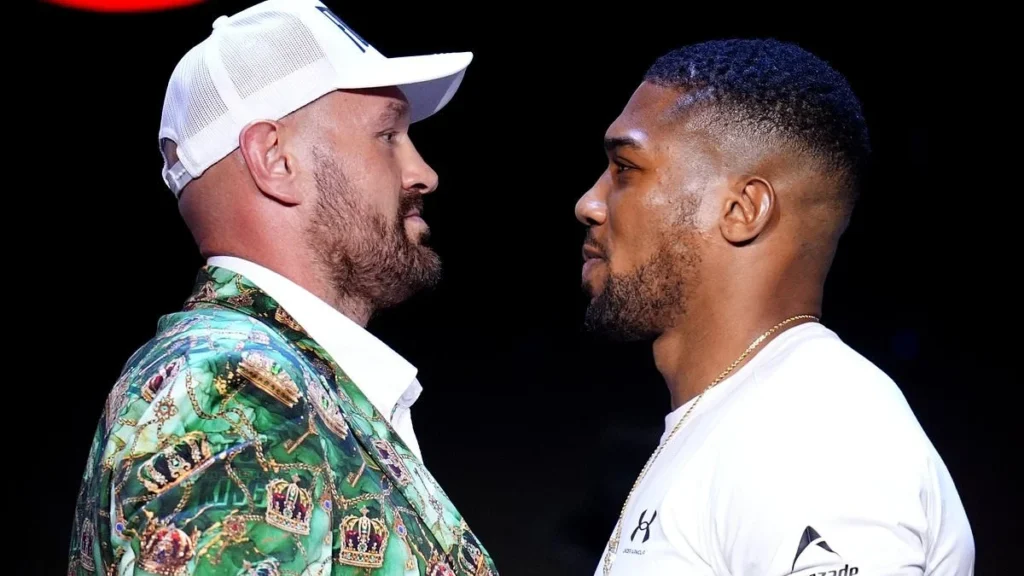

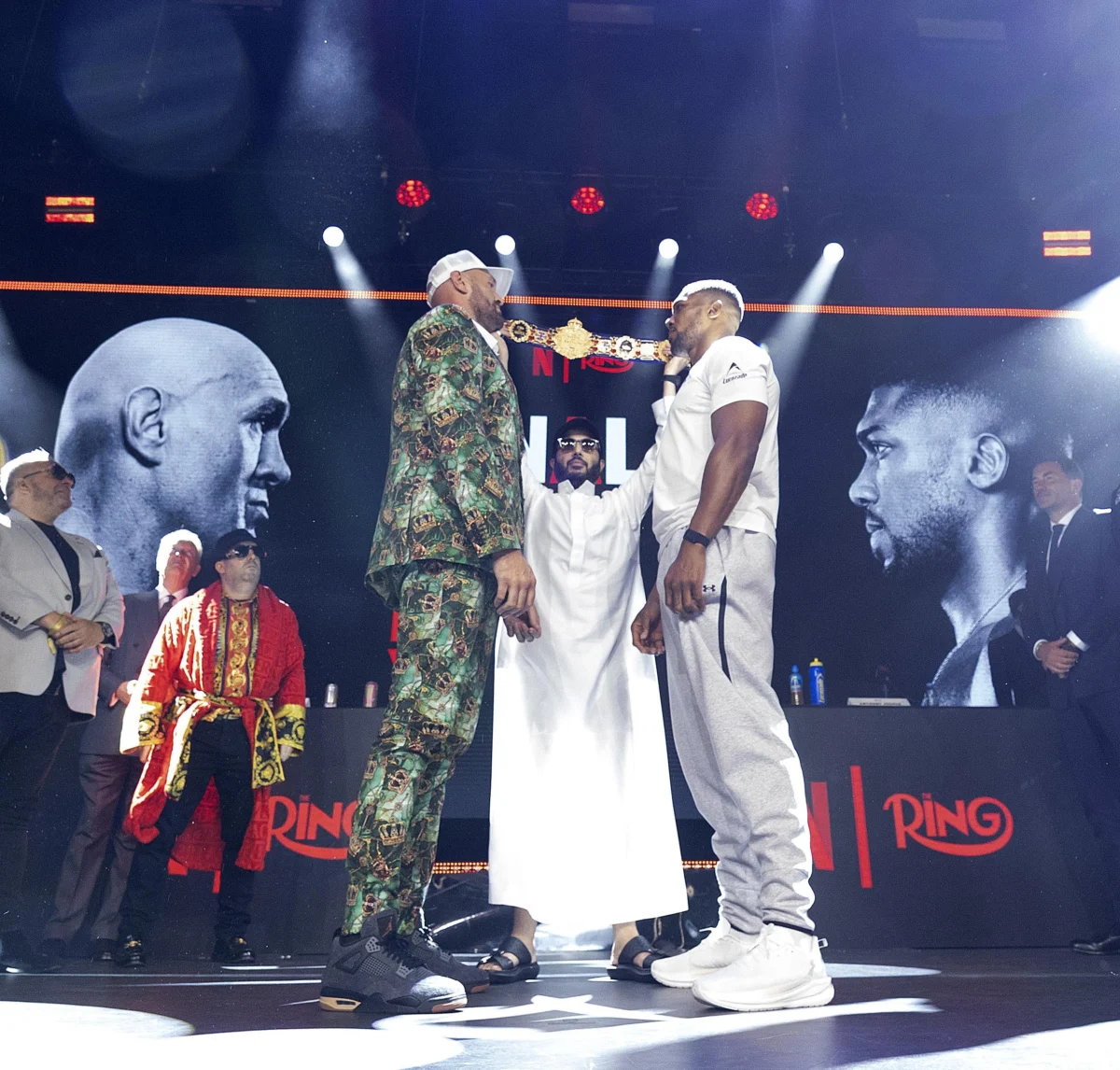
Prominent Queensberry Promotions chief Frank Warren has offered a deep and unfiltered analysis of the anticipated British blockbuster showdown between heavyweight rivals Tyson Fury and Anthony Joshua. Speaking extensively in a recent interview with iFL TV, the Hall of Fame promoter dissected not only the tactical and psychological nuances of what promises to be a defining moment for modern British boxing, but also the harsh financial and broadcast realities that dictate how and when such monumental sporting events are delivered to a global audience.
As the combat sports world gears up for what many are calling the most significant domestic heavyweight clash in decades, Warren’s insights shed light on the immense stakes involved. According to the veteran promoter, the fight will ultimately transcend traditional athletic metrics like speed, power, or stamina, coming down instead to pure psychological endurance and mental fortitude inside the squared circle.
Warren on the Years-Long Build-Up to Fury vs. AJ
The road to a potential matchup between Tyson Fury and Anthony Joshua has spanned several years, filled with near-misses, fierce promotional rivalries, public negotiations, and shifting divisional landscapes. For boxing enthusiasts who have followed the saga from its earliest chapters, the realization that the fight is finally taking place represents the culmination of a long-held dream.
Warren emphasized that when the two heavyweights finally step through the ropes to face one another, the magnitude of the moment will prompt intense introspection for both fighters. In a career-defining confrontation of this scale, every past victory, every championship belt, and every notable performance will be weighed in the balance, creating a unique psychological pressure cooker.
“The fact of the matter is it’s on, and the pair of them are going to get in the ring and it could be a lot of soul-searching going on in that fight because it’s going to be the defining fight for them, their careers,” Warren told iFL TV. “When you think of the good things both of them have done, the great fights they’ve been involved with, especially Tyson. Whatever way you want to look on it, people are going to judge them on it.”
The stylistic matchup between Fury—known for his unorthodox movement, elite ring IQ, and psychological warfare—and Joshua—hailed for his explosive athleticism, technical combinations, and formidable punching power—presents a complex puzzle for both camps. Warren pointed out that the critical turning point of the bout will likely occur in moments of hesitation, where each fighter must weigh the risks of committing to a major offensive maneuver against the severe consequences of absorbing a devastating counterpunch.
“It will be one of those fights when the bell goes… who’s going to let that big shot go when they’re worried about what’s coming back, the counter?” Warren continued. “How are they going to get over that counterpunch, who’s got the best whiskers, who gets up, who wants it the most? It’s going to be interesting and that’s why I really do think it’s going to be Tyson’s fight.”
For Warren, Fury’s unique blend of resilience, adaptability, and psychological stability gives the lineal champion a distinct edge when the contest reaches the trenches. Yet, he acknowledges that Joshua possesses the tools and the motivation to make it an unforgiving battle from the opening bell to the final round.
On the Fight Taking Place in the UK but Likely Not at Ideal Hours to Accommodate US Market
Beyond the tactical breakdown within the ring, Warren addressed the logistical realities surrounding the event, particularly the timing of the ring walks to satisfy international broadcast demands. While the showdown is set to take place in the United Kingdom, local fans may face the prospect of tuning in during the early morning hours, a scheduling adjustment designed to capture the lucrative North American viewing market and align with global streaming logistics.
The topic of unconventional fight timings has historically drawn criticism from traditionalist fans who prefer prime-time entertainment in their local time zones. However, Warren defended the scheduling decision by pointing to the fundamental economic engine that drives modern elite boxing. Generating the staggering financial figures demanded by top-tier heavyweights requires deep partnerships with major international broadcasters and streaming platforms that invest heavily in the sport.
“It’s on, it’s in the UK and I’m sure it’s going to go on at the very early hours of the morning but that’s nothing unusual… I’ve done that numerous occasions to get fights on because you need the income and you’re in the business of not driving away TV companies or broadcasters you want to invest in the sport, otherwise they won’t want to come back again,” Warren explained.
In recent years, the entry of major subscription services and tech-backed platforms into combat sports has transformed the financial landscape, injecting massive capital into rights fees and purses. Warren highlighted the role of DAZN in the current ecosystem, noting that their substantial financial commitment necessitates a return on investment that accommodates global audiences rather than localized preferences alone.
“We’re with DAZN, all of us with DAZN, but they’ve come in, they’re putting a truckload of money up, and obviously they don’t want to be losing money,” Warren stated. “If they lose money, it’s not good for us, they go invest in something else.”
The veteran promoter cut through public complaints regarding scheduling minutiae, emphasizing that the sheer scale of the financial investment dictates the operational parameters of a mega-fight. When hundreds of millions of dollars in rights fees are on the line, broadcasters retain significant influence over event timing to maximize viewership and subscription metrics across multiple continents.
“If you want to see these fights and the money these fighters want, that fighters that want to get paid, then you got to generate the money,” Warren added. “And that is how the economics work of it.”
Concluding his thoughts on the logistical debate, Warren urged fans to maintain perspective on what truly matters: the fact that two of the era’s most decorated British heavyweights are finally set to settle their differences inside the ring, overcoming years of promotional hurdles and geopolitical obstacles.
“We all want it early [but] if somebody’s putting up $100 million dollars for a rights fee, what do you think they’re going to do?!” Warren concluded. “It’s reality we’re living in… Why is everyone going on about this b-llshit. It’s on!”