
In the annals of sports history, few stories are as improbable or as inspiring as George Foreman’s return to the boxing ring. When athletes retire, they usually stay retired, their physical prime left far behind in the rearview mirror. However, George Foreman did not just return; he reinvented himself entirely, crafting a second act that eclipsed even his dominant first run as champion. This journey culminated in one of the most shocking moments in sporting history: regaining the heavyweight championship of the world at the age of 45.
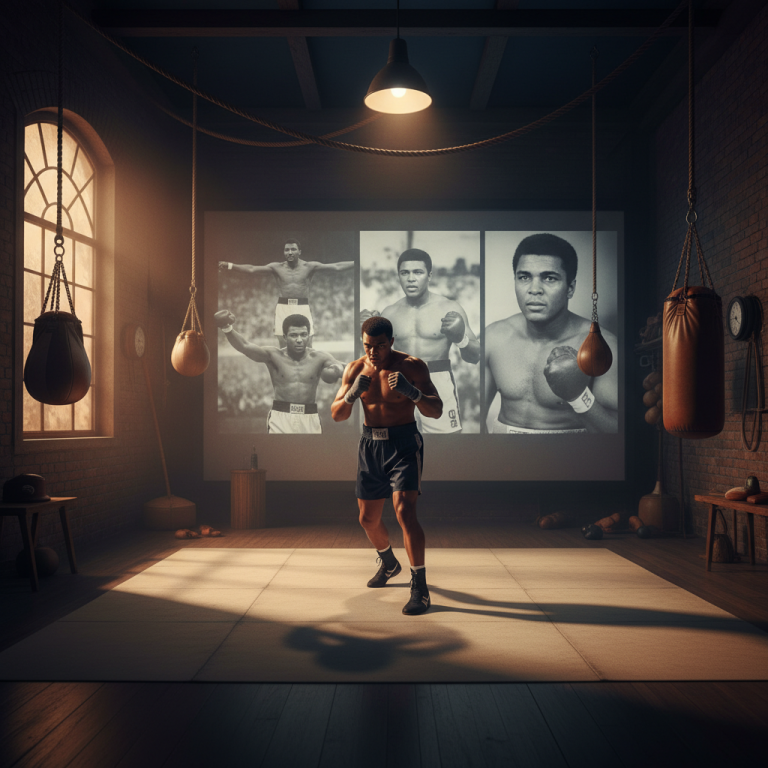
To understand the magnitude of his comeback, one must remember the first iteration of George Foreman. In the 1970s, he was a terrifying force of nature. He was a sullen, intimidating figure who demolished Joe Frazier and Ken Norton in mere rounds. However, after his psychological and physical dismantling by Muhammad Ali during the Rumble in the Jungle in 1974, and a subsequent loss to Jimmy Young in 1977, Foreman had a spiritual awakening. He hung up his gloves, became an ordained minister, and didn’t throw a punch in anger for a full decade.
The Unlikely Return
When Foreman announced his return in 1987, the boxing world laughed. He was 38 years old, significantly heavier than his fighting weight, and claimed he was fighting to raise money for his youth center. Critics dismissed it as a sideshow, a desperate grasp for fading glory. The media mocked his physique, but Foreman leaned into the criticism. He joked about eating cheeseburgers and smiled constantly, a stark contrast to the menacing glare he wore in his youth.
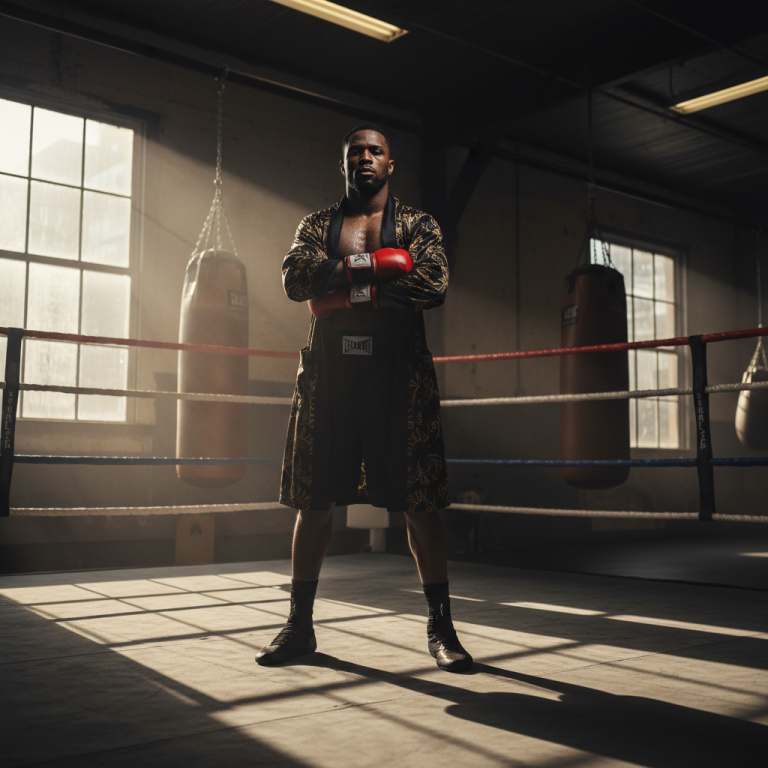
Foreman’s strategy was methodical. He embarked on a barnstorming tour, fighting journeymen and lesser-known heavyweights to shed rust and rebuild his confidence. While he lacked the blistering speed of his twenties, his raw power remained intact. He realized that power is the last thing to leave a heavyweight, and he utilized a new, energy-conserving style. He adopted a cross-armed defense, similar to Archie Moore, allowing him to block punches while walking opponents down.
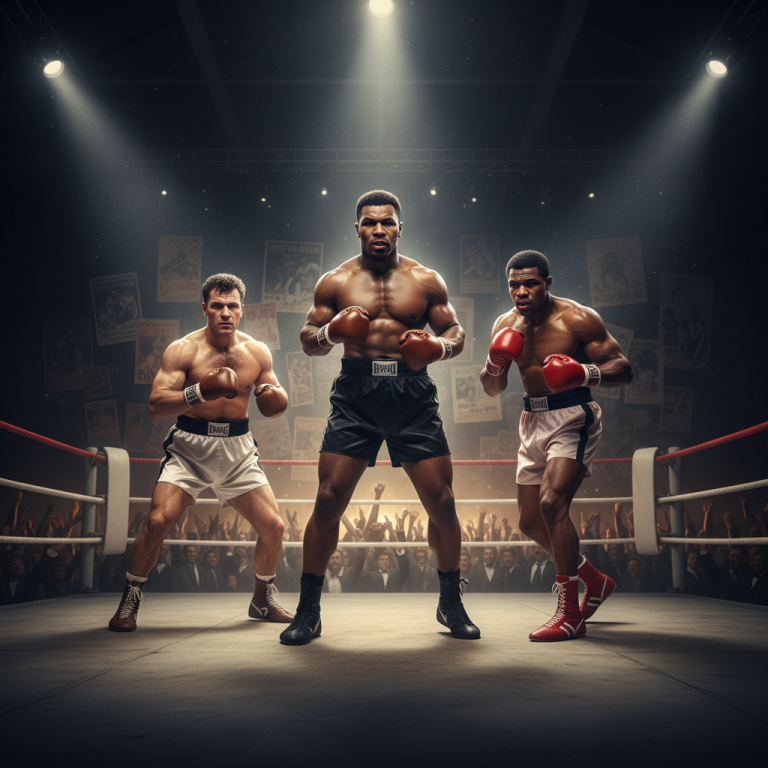
By 1991, the “sideshow” had gained serious momentum. Foreman secured a title shot against the undisputed champion, Evander Holyfield. Although Foreman lost by decision, he went the full 12 rounds, absorbing Holyfield’s best combinations and rocking the champion on several occasions. The fight was a revelation; it proved that “Big George” wasn’t just a novelty act—he was a legitimate contender who could compete with the best of the new generation.
The Road to Michael Moorer
Despite the moral victory against Holyfield, the road to the title remained difficult. A loss to Tommy Morrison in 1993 seemed to signal the end of the dream. Foreman was outboxed by a younger, faster fighter, and the calls for him to retire permanently grew louder. However, Foreman persisted, relying on his immense popularity and marketability to secure one final opportunity.
That opportunity arrived on November 5, 1994, against Michael Moorer. Moorer was the newly crowned WBA and IBF heavyweight champion, having defeated Evander Holyfield. He was 26 years old, undefeated, a southpaw, and 19 years Foreman’s junior. The betting odds were heavily stacked against Foreman, with many pundits fearing for the older man’s health against such a sharp technician.
The fight took place at the MGM Grand in Las Vegas. For the first nine rounds, the match went exactly as the critics predicted. Moorer used his speed and mobility to pepper Foreman with jabs and combinations. Foreman looked slow, plodding after the champion and eating leather. His face was puffy, and he seemed to be losing every round on the judges’ scorecards.
The Punch Heard Around the World
In the corner, legendary trainer Angelo Dundee urged Foreman to stop waiting. The plan had been to lull Moorer into a false sense of security, to make him stand in front of Foreman long enough to land a decisive blow. As the bell rang for the 10th round, Foreman knew time was running out. He needed a knockout, or the dream was over.
Midway through the round, it happened. Moorer, perhaps growing overconfident or tired of moving, stood in the pocket just a second too long. Foreman threw a short left jab that distracted Moorer, followed instantly by a straight right hand that traveled straight down the pipe. It wasn’t a wild haymaker; it was a compact, thudding shot that landed flush on the chin.
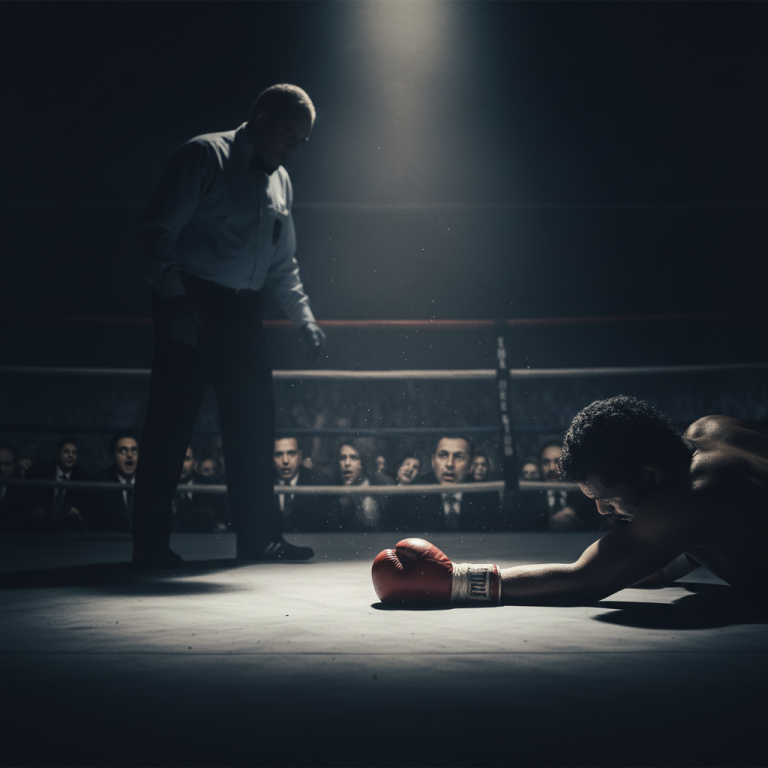
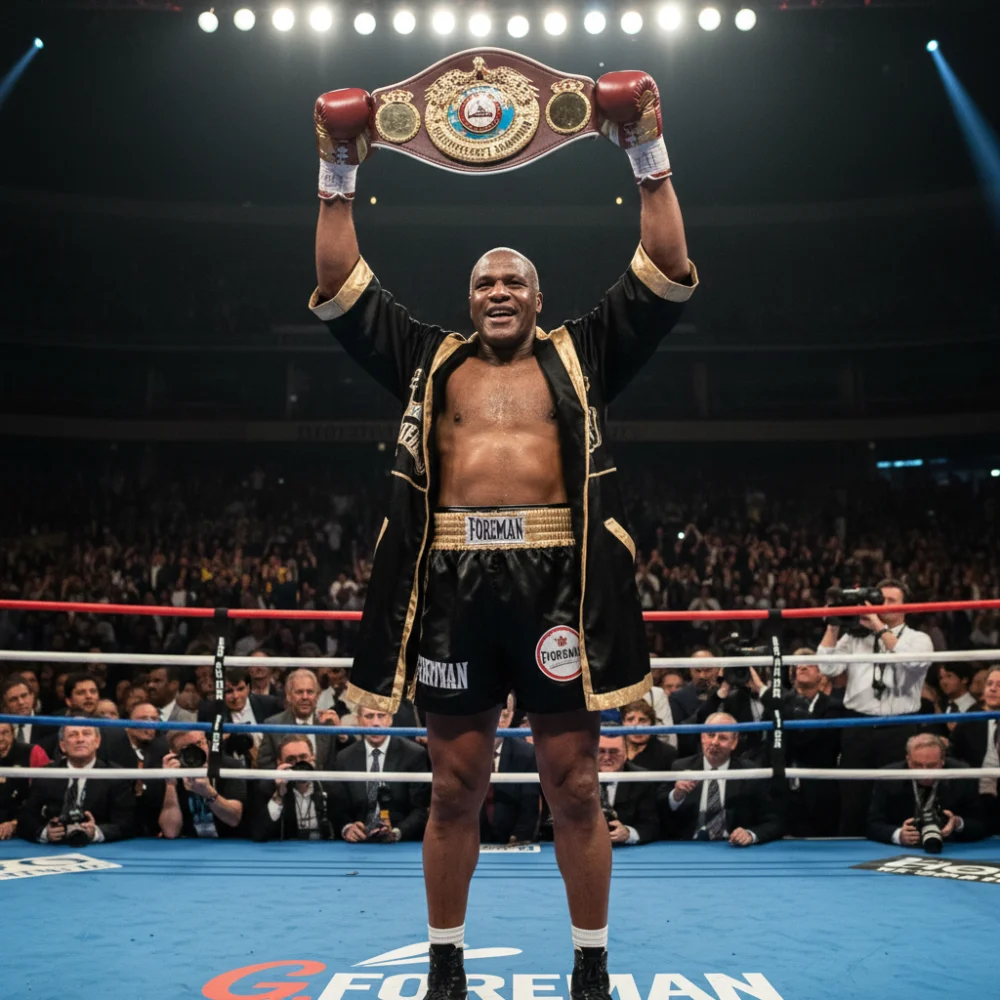
The impact was devastating. Moorer’s legs stiffened, and he crashed to the canvas flat on his back. The referee began the count as Moorer stared up at the lights, unable to orient himself. When the count reached ten, the arena erupted. George Foreman had done the impossible. Jim Lampley’s commentary famously declared, “It happened! It happened!”
Legacy of the Oldest Champion
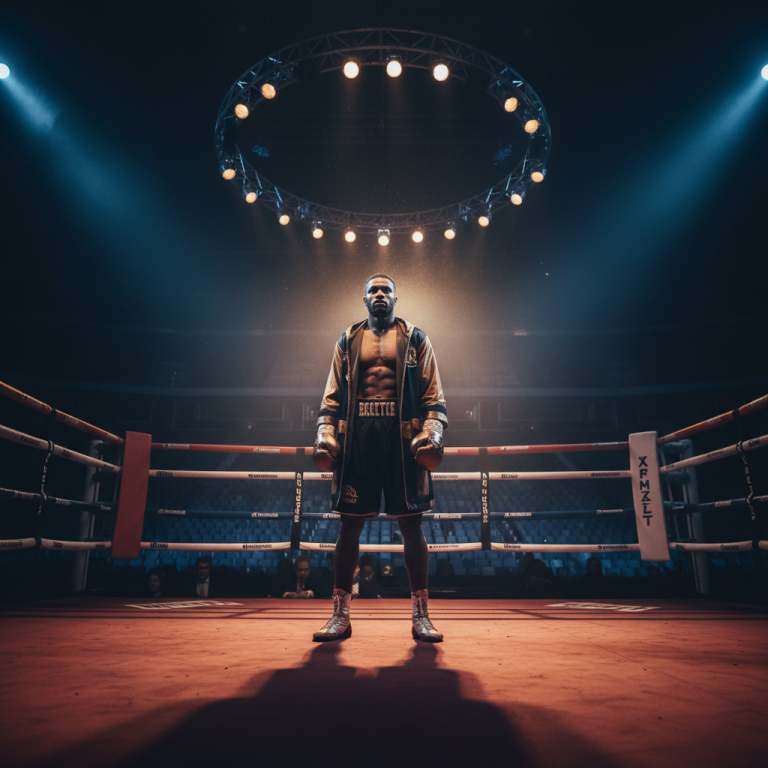
At 45 years and 299 days old, George Foreman became the oldest heavyweight champion in history, a record that still stands today. He dropped to his knees in prayer in the neutral corner, creating one of the most iconic images in sports. This victory was not just about boxing; it was a victory for the middle-aged, proving that age did not have to be a barrier to achieving greatness.
The victory over Moorer validated the entire seven-year comeback. It proved that experience, patience, and belief could overcome youth and athleticism. Foreman held the title until 1995, defending it successfully against Axel Schulz before eventually being stripped of the belts for political reasons and retiring for good in 1997.
Foreman’s second act completely reshaped his public image. The angry young man was forgotten, replaced by the lovable, huggable grandfather figure who sold millions of George Foreman Grills. His entrepreneurial success post-boxing is directly tied to the goodwill he generated during his comeback. He became a marketing juggernaut, a preacher, and a beloved celebrity.
Ultimately, George Foreman’s journey teaches a lesson of resilience. He showed the world that it is possible to change, to grow, and to reclaim one’s destiny. His record as the oldest heavyweight champion is a testament to the power of the human spirit and remains one of the greatest achievements in the history of professional athletics.