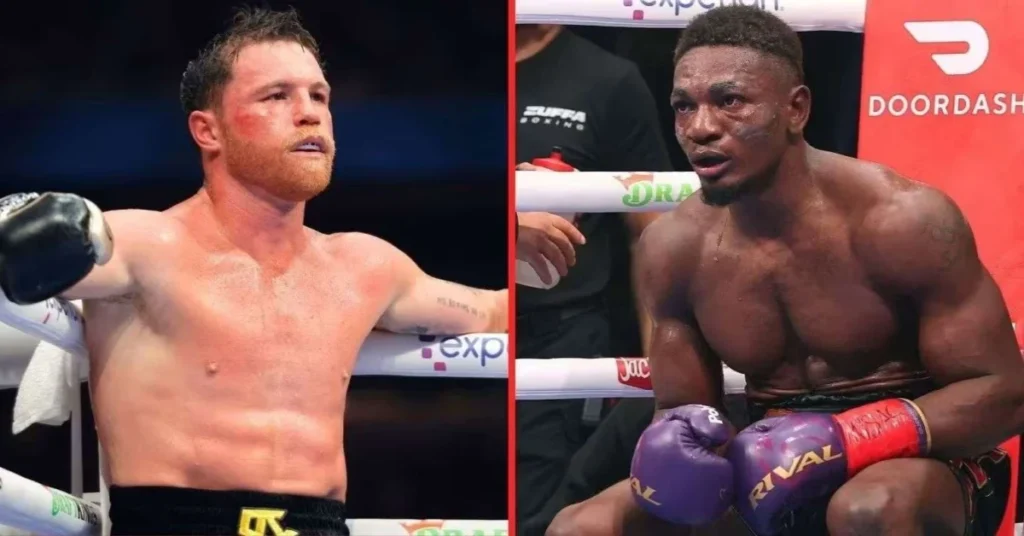
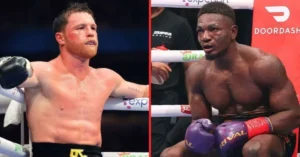
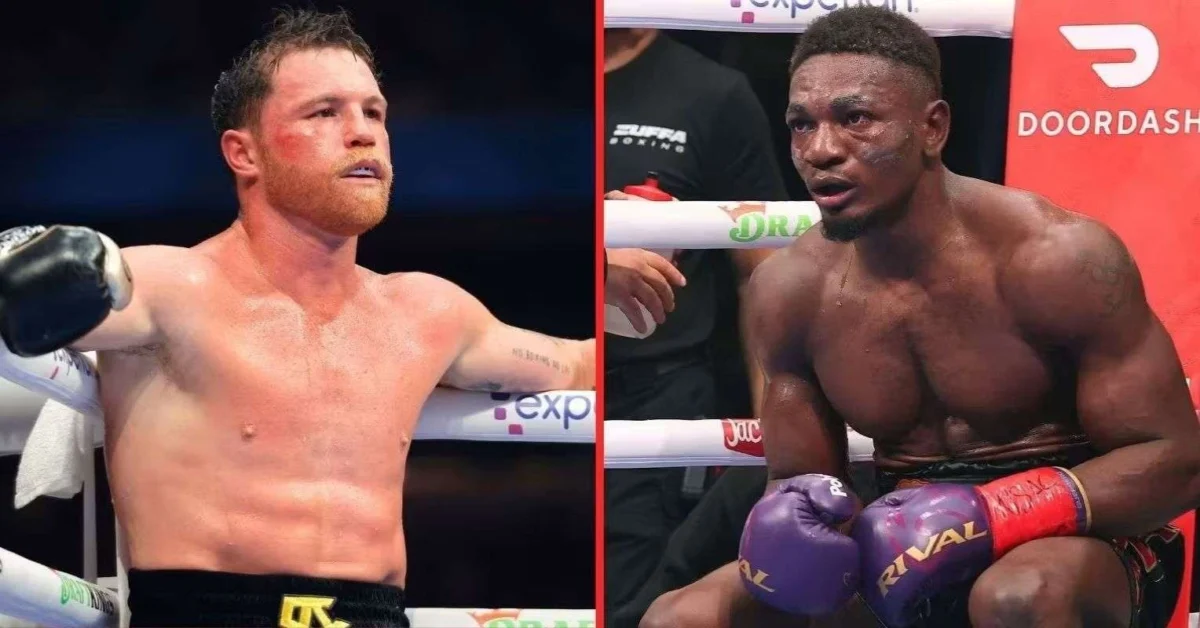
Canelo is scheduled to travel to Riyadh later this month as he looks to mount a definitive comeback following the third defeat of his illustrious professional career. Standing across the ring from him will be the newly crowned WBC super-middleweight world champion, Christian Mbilli, in a matchup that promises high drama and intense action in the talent-rich division. The entire pay-per-view event has been heavily promoted under the evocative banner of “Mexico vs The World,” designed to showcase some of the absolute finest boxing talent hailing from the proud fighting nation of Mexico against top-tier global opposition.
According to the official promotional announcements unveiled yesterday, the undercard is stacked with significant fights that cement the card’s international appeal. Among the marquee attractions confirmed for the Riyadh extravaganza is Rafael Espinoza, who has put his prestigious WBO featherweight world title on the line in a dangerous defense against challenger Lorenzo Parra. Additionally, the event features a high-stakes, vacant IBF super-lightweight title bout that pits hard-hitting Mexican contender Lindolfo Delgado against the formidable Artur Biyarslanov, a matchup expected to deliver fireworks from the opening bell.
However, the most contentious issue on the supporting lineup involves Canelo’s stablemate and fellow Mexican star, Jaime Munguia. Promoters had formally listed Munguia in the co-main event slot, supposedly slated to defend his newly won WBA super-middleweight world championship against Nikita Zon. This inclusion immediately raised eyebrows across the boxing community because it directly defied a previously issued mandatory order by the sanctioning body requiring Munguia to face official contender Bektemir Melikuziev.
The announcement of the bout in defiance of the mandatory defense prompted a swift and decisive response from the WBA. Shortly after the undercard was made public, the sanctioning organization released an unequivocal statement addressing the status of the division.
“The WBA has not approved the Jaime Munguia vs. Nikita Zon bout. Bektemir Melikuziev is the official contender in the super middleweight division. The WBA will review the situation,” the statement declared.
This official intervention by the sanctioning body followed mounting reports that Melikuziev steadfastly refused to accept a financial step-aside deal offered by Team Munguia. The hard-punching Uzbek fighter made it abundantly clear that he had no intention of stepping aside to allow an optional defense, taking to social media earlier this week to air his grievances and outline his unwavering stance to fans and boxing executives alike.
Directly addressing his rival and the governing body on Instagram, Melikuziev pulled no punches in his public appeal.
“Jaime Munguia, I was the mandatory for the title before you fought for it. You became the champion, respect me just like I would respect you or any other boxer if I was the champion, respect the WBA, respect the fans, they want to see real fight with real competition, not just a fight where everybody knows the outcome before the fight happens!” Melikuziev wrote.
The public outcry and the subsequent WBA intervention have left the co-main event hanging in a precarious balance. Should the WBA ultimately decide to withhold its sanction from the contest, Munguia will be forced into a difficult career crossroads. He will either have to be removed entirely from the Riyadh card to finally honor his mandatory obligations against Melikuziev, or he will be forced to vacate the championship belt that he captured just five months ago in a breakthrough performance. Conversely, if the WBA surprisingly relents and allows the bout against Nikita Zon to proceed, Melikuziev will be left with no choice but to wait indefinitely for his long-overdue world title shot.
While this contractual and administrative boxing drama threatens the structural integrity of the undercard, it still remains just one of several logistical hurdles facing the Riyadh event. This latest twist and the ongoing uncertainty surrounding the WBA super-middleweight belt actually pale in comparison to broader, more serious concerns hovering over the entire production. Whispers and reports continue to circulate regarding whether the event might need to be moved entirely from its scheduled location in Saudi Arabia, given the escalating geopolitical tensions involving the Houthi-Saudi conflict and its potential impact on safety and stability in the capital city of Riyadh. As fight night approaches, promoters, fighters, and sanctioning bodies are racing against the clock to resolve these competing pressures before the world watches the unfolding drama in the Middle East.