

In the discipline of combat sports, the journey to becoming an effective fighter rarely follows a single, predetermined path. Much like navigating daily life, where different individuals choose distinct modes of travel—some walking, others driving personal vehicles, taking motorbikes, or relying on public transportation depending on distance, budget, and accessibility—martial artists must navigate their development using the practical assets available to them.

Within the ring, this principle is fundamental. The sport of Muay Thai does not grant every practitioner the luxury of towering height, prolonged limbs, elite athleticism, or innate knockout power. Consequently, competitive success rests on an athlete’s capacity to assess their personal attributes honestly and deploy their physical resources with the highest degree of tactical efficiency. Rather than imposing an arbitrary style onto an incompatible body, experienced trainers emphasize that longevity and victory in the sport demand discovering a fighting identity that complements one’s natural build and temperament.

Understanding and Developing Your Style
Developing an authentic fighting identity within Muay Thai is a long-term evolutionary process that cannot be rushed or adopted on impulse. Novice fighters often arrive at a gym convinced that their physical build or personality aligns with a specific archetype, only to find that live combat conditions tell an entirely different story. Honing an individual approach requires a prolonged cycle of trial, error, technical drilling, and structured sparring under the watchful eye of qualified trainers and veteran training partners.

Before any practitioner can legitimately cultivate a specialized fighting persona, they must master the sport’s elemental mechanics. The foundational platform of stance, balance, defensive positioning, and clean striking forms the baseline upon which all tactical variation is built. Attempting to specialize prematurely—such as adopting complex evasive maneuvering or hyper-aggressive infighting before mastering the basic guard and fundamental strikes—frequently leaves a fighter with critical vulnerabilities that experienced opponents readily exploit.
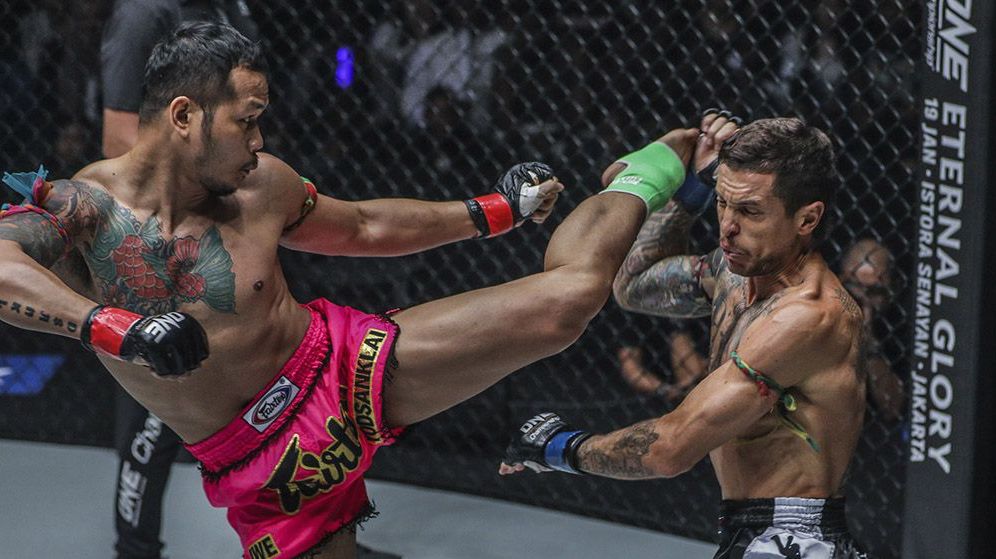
Once those essential mechanics become second nature, a competitor gains the technical literacy needed to refine their approach. The road to ring maturity involves testing techniques in varied live scenarios, pinpointing tactical errors, and gradually pruning ineffective habits. In Muay Thai, there are no shortcuts to this understanding; fighters must put in the ring time, experience the discomfort of technical failure, and adapt before their true style begins to take shape.

Using Your Body to Your Advantage
One of the defining milestones in a fighter’s trajectory occurs when they begin sparring on a regular basis and preparing for sanctioned bouts. At this junction, guidance from experienced coaches shifts from elementary instruction to advanced tactical optimization. A primary contribution of a high-level coach is demonstrating how an athlete’s physical dimensions, muscular structure, and athletic tendencies can be weaponized against an adversary’s weaknesses.
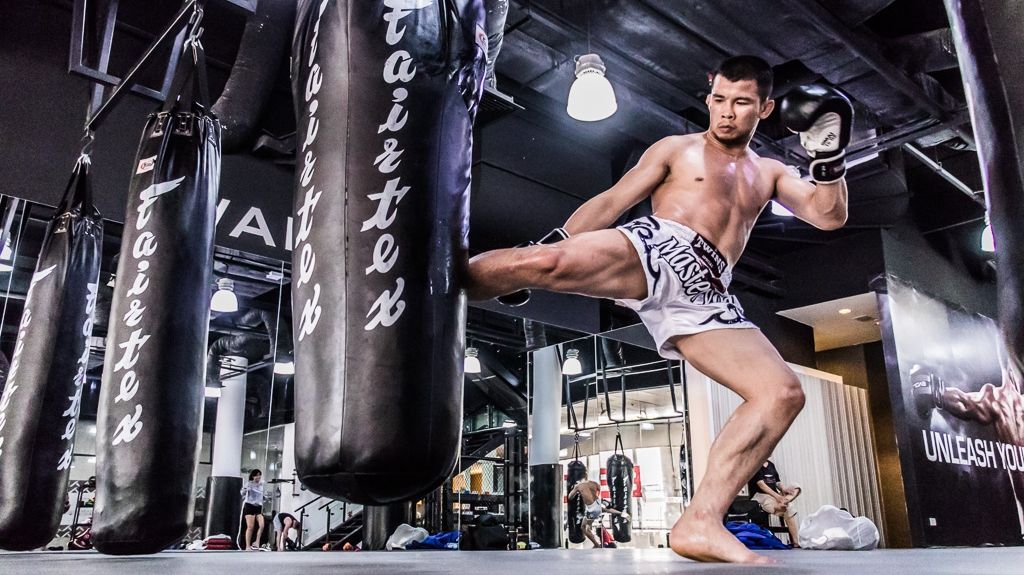
A fighter with a shorter, more compact frame who possesses swift footwork, razor-sharp timing, and technical clarity—yet lacks single-strike concussive power or the physical durability to absorb sustained punishment—often gravitated toward the Muay Femur (the technician or tactical stylist). This style prioritizes ring intelligence, deceptive movement, defensive evasion, and clean scoring counters over reckless exchanges. Yet, while aesthetically revered and tactically potent, the technical stylist represents one of the most intellectually demanding and intricate paths to master within the sport.

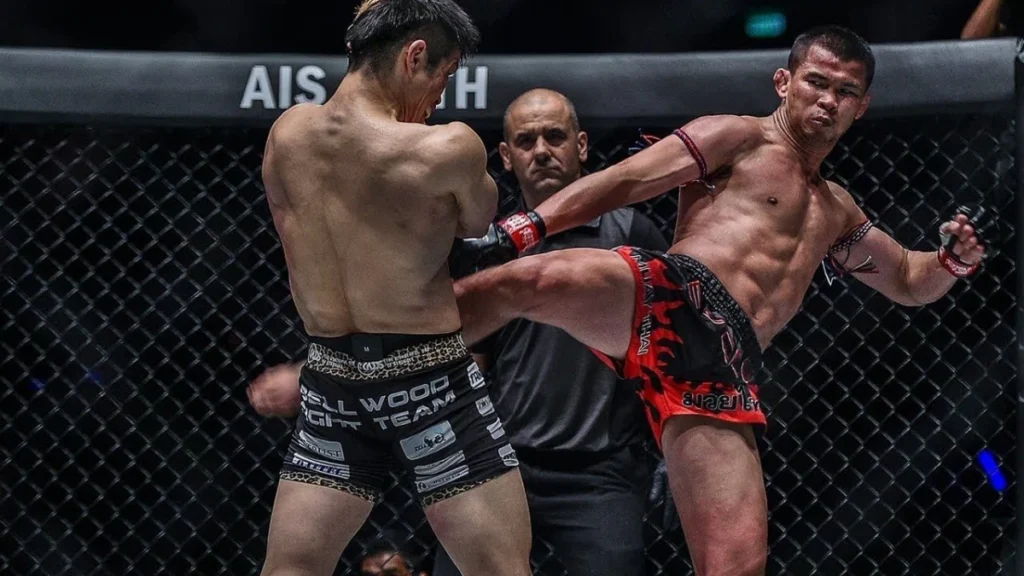
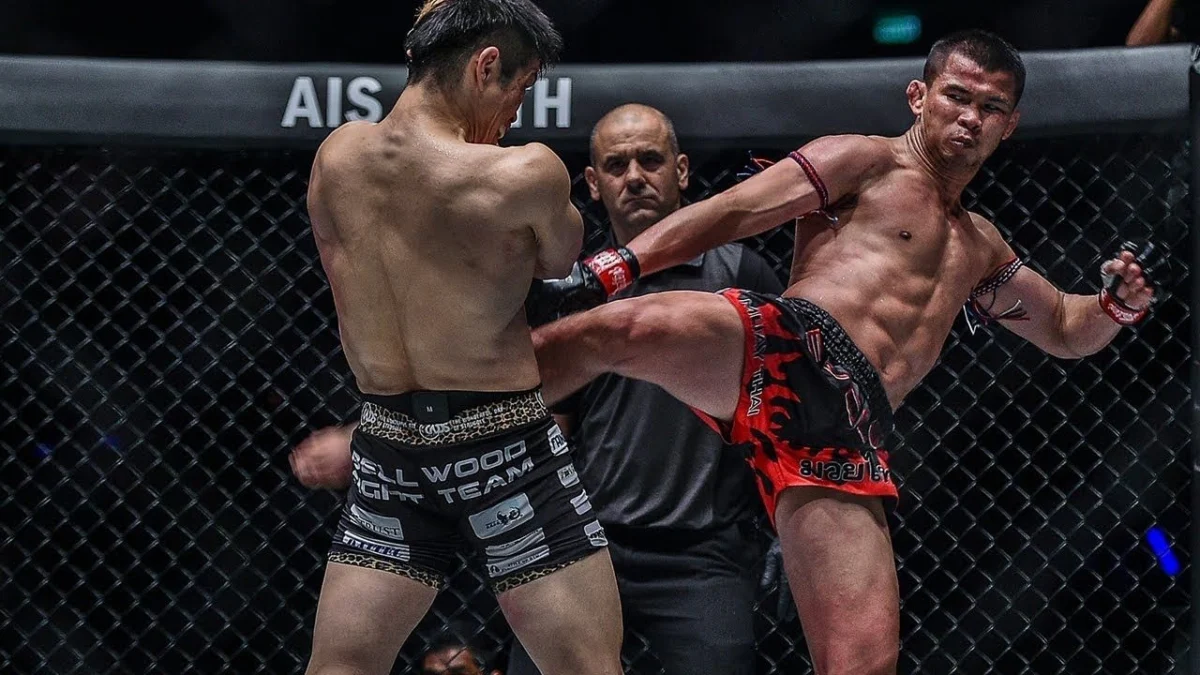
In contrast, tall, rangy competitors who can establish dominance at close range often find their calling as Muay Khao (knee and clinch specialists). Armed with extended levers, high-leverage frames, and strong frames inside the clinch, these fighters can systematically suffocate an opponent’s offense, neutralizing distance with unrelenting forward pressure, sharp knees, and cutting elbows. Attempting to force a smaller, shorter-limbed fighter who struggles against tall opponents and lacks infighting power into this specific posture often results in tactical failure, simply because the physical prerequisites of the style do not match the fighter’s anatomy.

Similarly, admiration for iconic brawlers or destructive punchers like the legendary Ramon Dekkers often prompts intermediate students to replicate a heavy-handed, aggressive posture regardless of their personal attributes. However, attempting to trade heavy leather in the pocket makes little practical sense for a competitor whose primary competitive advantages are height, linear reach, and the ability to control space from the perimeter. Recognizing physical reality is not a limitation; it is the strategic foundation of success inside the ropes.

Doing Your Homework
While the technical guidance of coaches and the feedback of gym teammates remain indispensable, long-term athletic progression is ultimately driven by personal accountability. In high-level martial arts, development cannot be entirely outsourced. Trainers provide technical framework and corrective instruction during pad rounds and team training, but athletes must independently invest the mental effort required to decode the strategic nuances of the sport.

A dedicated practitioner must be prepared to study the theoretical architecture of the discipline outside gym hours. This study inevitably involves confronting harsh athletic realities—including the realization that certain strikes, ranges, or engagements do not align with one’s physical capabilities. Fighters who approach their craft with analytical discipline and intellectual curiosity invariably progress faster than those who rely strictly on physical effort.

A crucial component of this independent preparation involves deep theoretical and observational study. Athletes must familiarize themselves with the traditional stylistic classifications of the sport—ranging from technical counter-strikers (Muay Femur) and relentless clinch masters (Muay Khao) to aggressive punchers (Muay Mat) and punishing kickers. Beyond reading technical analyses and strategic breakdowns, serious students must immerse themselves in fight footage of historic stadium champions and modern practitioners.

When analyzing legacy footage, an athlete’s focus should extend beyond the dramatic finishes. The true learning value lies in observing how legendary fighters used their specific heights, reach distributions, and athletic ceilings to dictate the pacing and geometry of a contest. Observing whether an elite fighter leaned primarily on high-volume output, crushing single strikes, proactive footwork, or specialized close-quarters weapons allows developing competitors to cross-reference those habits with their own attributes in the gym.

Putting It All Together
The early stages of entering the Muay Thai landscape are inherently characterized by ambition, enthusiasm, and an eagerness to establish an individual identity. Yet, the inevitable setbacks—being out-struck in sparring, struggling against awkward opponents, or finding oneself physically neutralized—are essential components of the learning curve rather than signs of failure.

In competitive martial arts, adversity acts as a diagnostic tool. Each technical breakdown exposes areas of weakness, testing an athlete’s resilience, intellectual flexibility, and underlying dedication to the discipline. Through repeated exposure to challenging ring conditions, honest evaluation of one’s physical assets, and consistent theoretical study, a fighter gradually uncovers what produces results and what proves liabilities under pressure.

Muay Thai yields rewards strictly proportional to the focused effort, humility, and analytical rigor poured into it. By honoring their personal physical reality rather than trying to replicate an ill-fitting mold, athletes establish a personalized, durable fighting style designed to endure the demanding realities of the sport.