
In the modern landscape of mixed martial arts, where fans and fighters alike often fixate on the spectacular, the art of targeting the body has frequently been relegated to an afterthought. Long a point of frustration for coaches, corner men, and tactical analysts, contemporary mixed martial artists simply do not pay enough attention to comprehensive bodywork. In an era where the pursuit of a quick night at the office drives fighters to hunt exclusively for the highlight-reel head kick or the Hollywood-style one-punch knockout, working the midsection is too often dismissed as unfashionable or secondary currency.

This persistent trend is not merely a shame; to many seasoned observers, it is entirely baffling. The sheer volume of favorable opportunities that can materialize from investing early in a calculated body attack would come as a surprise to many athletes who spend hours visualizing immediate, glamorous stoppages. Rather than bypassing the foundational mechanics of attrition, integrating targeted strikes to the torso fundamentally alters the dynamics of a bout, opening up pathways that make a fighter a significantly more difficult puzzle to solve inside the cage.
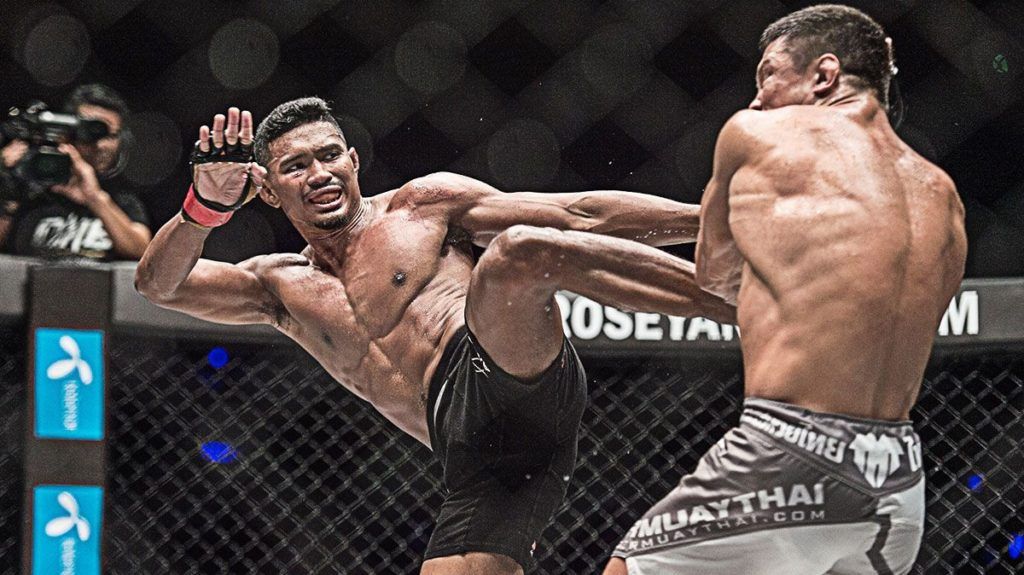
When examining the strategic architecture of a high-level MMA fight, the advantages of a committed body attack extend far beyond immediate pain compliance. Aside from offering the practical opportunity to systematically drain an opponent’s gas tank, slow down their footwork, or take away their mobility entirely, diversifying strike locations drastically enhances the setups for those very glamorous finishes. An adversary who must constantly respect the incoming threat of a stabbing push kick to the midsection or a blistering hook to the ribcage is inherently compromised when trying to anticipate whether the next incoming blow will be aimed high or low. This hesitation creates the defensive lapses necessary to land the fight-ending techniques fighters crave.

Unlike traditional boxing, where offensive output to the body is strictly limited to punches, mixed martial artists enjoy the distinct advantage of a multi-dimensional arsenal that includes kicks, knees, and, on rare occasions, elbows delivered to the midriff. Throughout the history of combat sports, the philosophical axiom that "if you take the body, the head will follow" has proven its validity time and time again. A select group of elite fighters across MMA history have truly internalized this creed, building legendary careers on the foundation of relentless, strategic bodywork. Names like Max Holloway, Nick Diaz, Jon Jones, Eddie Alvarez, and Bas Rutten immediately come to mind as athletes who placed a profound, unwavering emphasis on attacking the torso.

Among modern practitioners, UFC standout Max Holloway serves as a premier example of how to successfully integrate bodywork into a high-pace strategy. Known as a relentless volume puncher with an extraordinary gas tank, Holloway frequently throws punches in bunches, targeting the body as part of intricate combinations or when an opponent attempts to turtle up defensively against the cage. Similarly, Nick Diaz famously adhered to the philosophy of "putting money in the bank," investing early in cumulative damage that paid massive dividends in the championship rounds. Both fighters mastered the art of aiming high to go low, using feints and straight punches at the tail end of combinations to slip underneath an opponent’s high guard and drive hooks directly into the ribs.

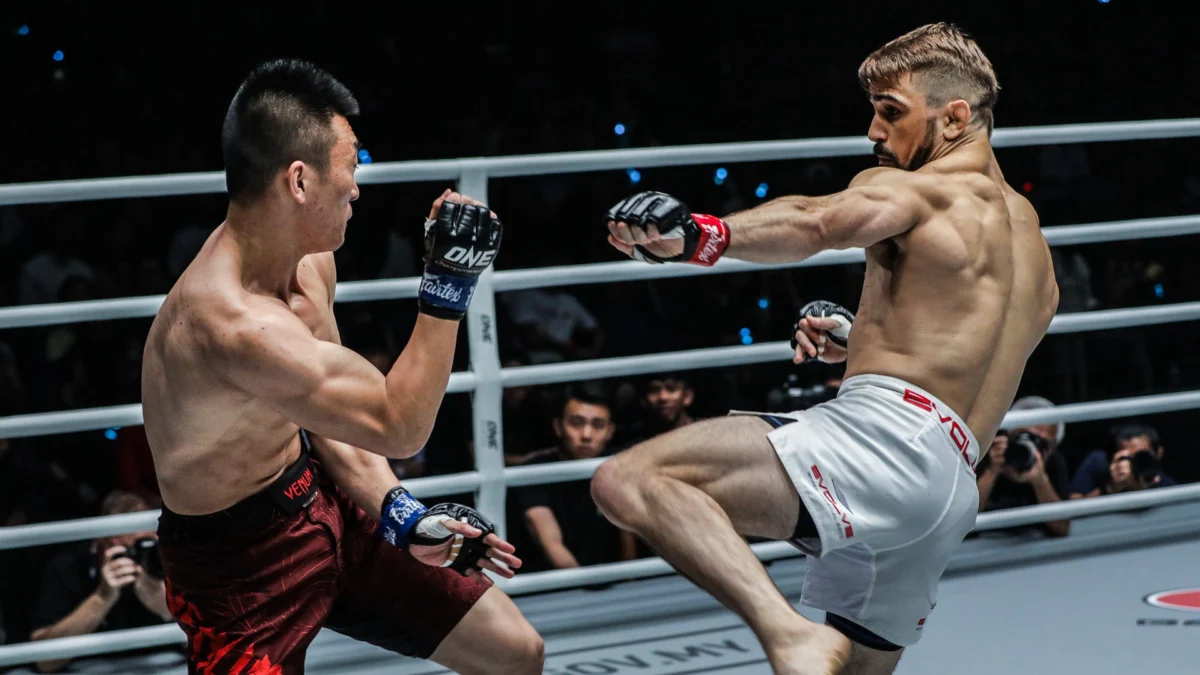
Beyond boxing combinations, fighters blessed with superior reach and long limbs have demonstrated how kicking ranges can revolutionize body attacks. Jon Jones, widely regarded as one of the most naturally talented athletes in the history of the sport, elevated the aesthetic and tactical value of targeting the body by mastering the Muay Thai teep, or push kick. Serving as both an offensive weapon and a defensive barrier, the teep acts like a spear to the midriff, freezing an onrushing opponent in their tracks and systematically depleting their oxygen reserves with every successful connection. By utilizing the push kick to dictate range and manage distance, fighters can control the tempo of the fight before launching secondary assaults.

Furthermore, the roundhouse kick to the body remains one of the most devastating visually and physically demanding techniques available in the cage. For those who have never experienced the sheer concussive force of a powerful roundhouse delivered to the floating ribs or liver, fully grasping the localized trauma can be difficult. Legendary figures in Muay Thai, such as Yodsanklai Fairtex and Saenchai, perfected this art, subsequently inspiring generations of mixed martial artists—including former champions like Anthony Pettis and Anderson Silva—to employ the body kick with devastating precision during high-stakes bouts.

In close-quarters combat, few strategies rival the sheer brutality of knees delivered to the body from the clinch. When a fighter successfully secures a dominant position such as the double collar tie, an opponent is entirely at the mercy of their striking repertoire. Competitors who lack advanced technical awareness in the clinch frequently find themselves vulnerable to a relentless barrage of knees that systematically chew up the midsection, compromise the structural integrity of the ribs, and forcefully extract the wind from their lungs.

Ultimately, dedicating time and strategic focus to targeting the body provides multifaceted advantages for any mixed martial artist striving to elevate their overall skill set and tactical maturity. The historical record left by the sport’s greatest competitors underscores the undeniable effectiveness of a well-rounded offensive strategy that refuses to ignore the torso. By cultivating precise technique, maintaining acute spatial awareness, and properly weighing the inherent risks and rewards associated with throwing strikes to the midsection, modern athletes can effectively revolutionize their output and achieve sustained success inside the cage.