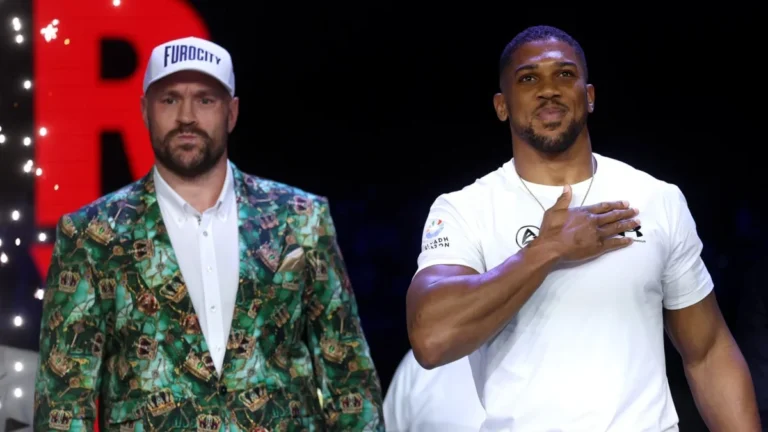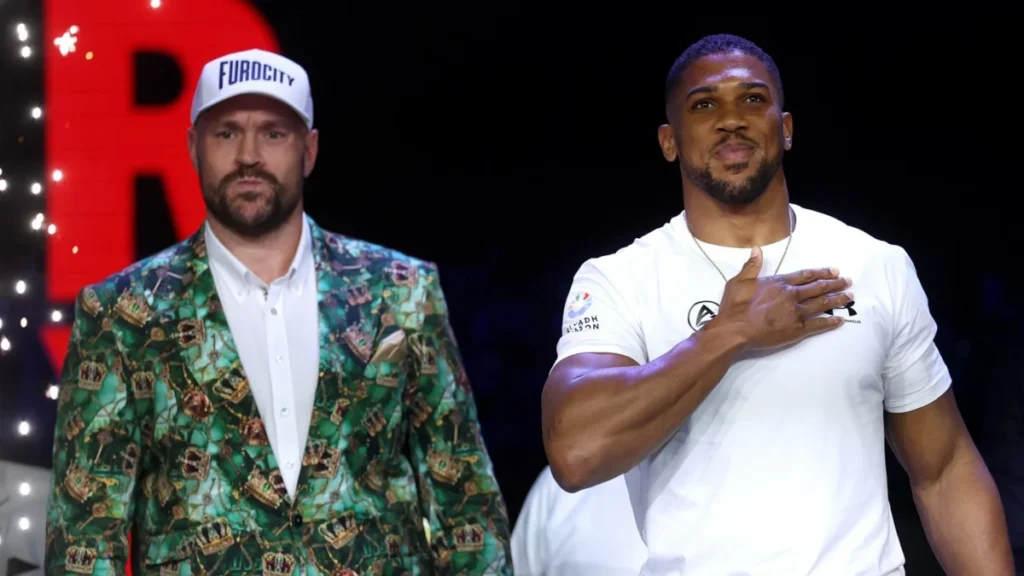

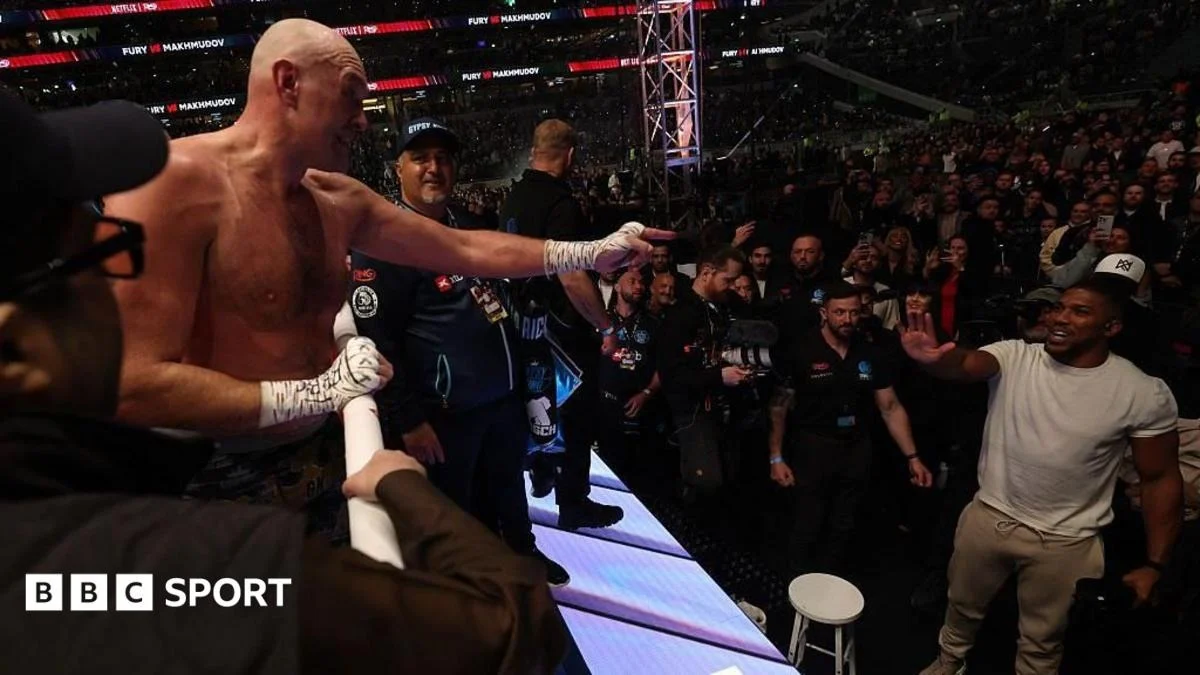
After a decade of stalled negotiations, public squabbling, and countless false starts that frequently left British boxing fans disillusioned, Tyson Fury and Anthony Joshua will finally meet in the professional boxing ring. The two heavyweight titans are scheduled to square off on December 11 at Cardiff’s iconic Principality Stadium, bringing an end to one of the most protracted and frustrating sagas in modern sports history.
BBC Sport understands that the prestigious WBA ‘Super’ heavyweight title is expected to be on the line for the monumental encounter, although official confirmation from the governing body is still awaited at the time of writing. Should the belt be formally committed to the bout, it would provide both former world champions with a golden, perhaps final, opportunity to regain a version of the heavyweight crown. Yet, for all the hardware historically associated with their names, the Fury-Joshua matchup has always transcended mere championship belts. It represents a cultural touchstone for British sport—a definitive collision course that many feared would never actually materialize.
The fight arrives later than anybody involved truly wanted. With both fighters now in the twilight of their illustrious careers—Fury at 38 years old and Joshua at 36—the landscape of the heavyweight division has shifted dramatically over the past ten years. For much of that time, British boxing’s biggest heavyweight rivalry seemed destined to remain a melancholy story of what might have been, a mythical matchup discussed in hushed tones at pubs and debated endlessly on fan forums without ever stepping foot under the bright lights.
That narrative shifted dramatically with Thursday’s announcement by Saudi boxing powerbroker Turki Alalshikh. Confirming an 80,000-capacity showdown to be broadcast globally by streaming giant Netflix, the announcement did far more than simply provide a concrete date and venue for the sporting world. It offered a fascinating, rare glimpse behind the curtain at the competing interests, outsized egos, and complex power struggles that are invariably involved in getting one of boxing’s most historically elusive fights finally pushed over the line.
The Battle Over the Venue and the Art of Compromise
Speaking to BBC Sport in the wake of the official fight announcement, Fury’s promoter Frank Warren repeatedly returned to a single, defining word: compromise. In a division often defined by stubborn promoters and fractured alliances, the path to Cardiff required concessions from all sides.
"Everybody’s got to make a compromise," the Queensberry Promotions boss said, reflecting on the arduous weeks and months of behind-the-scenes wrangling. "Tyson really compromised. He didn’t dig his heels in. He said, ‘Fine, wherever they want it, I’ll do it. If they want me to go to New York, I’ll go. They want it in the UK, I just want to get the fight on.’"
While the fighters themselves had already signaled their mutual willingness to share a ring, the exact geographical location of the bout remained a persistent sticking point that threatened to derail the agreement at the eleventh hour. According to Warren, Netflix and its corporate partners heavily favored staging the multi-million-dollar spectacle in New York City, capitalising on the lucrative American media market and global time zones. Joshua, however, was fundamentally determined to fight on home soil before his adoring British supporters.
Predictably, the rival promotional camps have since offered differing accounts of how the domestic venue was ultimately secured, each eager to claim credit for preserving the home-turf advantage. Joshua’s promoter, Eddie Hearn, described the frantic push to keep the fight in Britain as a "two-man crusade" led primarily by the fighter himself.
"AJ has turned down money to keep it in the UK," Hearn told the Matchroom Boxing YouTube channel in a post-announcement debrief. "I wouldn’t be able to look people in the eye if I was part of the movement to take this to the US."
Hearn revealed that Joshua had specifically requested stringent contractual protections guaranteeing a UK-based fight and steadfastly refused to relent when alternative global bids were tabled. "We were under so much pressure to fold," he added, emphasizing the psychological weight of the negotiations. "It was only really the support of the British public that made Joshua stand 10 toes down and say no."
Frank Warren, naturally, views the sequence of events through a different lens. He counters that Fury could easily have insisted on enforcing his own contractual leverage and preferences but instead chose to accept a British venue to ensure the overarching agreement did not collapse under the weight of competing geographical demands.
Promotional Politics and the Influence of Turki Alalshikh
Perhaps the most compelling sideshow accompanying the confirmation of the fight has been the ongoing struggle for influence and narrative control surrounding the promotion itself. Turki Alalshikh has emerged as the central architect of modern boxing’s biggest events, and his fingerprints are all over this latest development. Having previously insisted that any formal confirmation of the bout would come exclusively through him, Alalshikh made good on that promise via social media.
"For 15 years no-one has been able to make this fight," Alalshikh wrote in his announcement statement. "Back in April, I said that any announcement would come from me. I can now confirm that Fury v Joshua will be coming to the UK, as I promised British boxing fans. The time for talking is over."
Tyson Fury was quick to publicly acknowledge Alalshikh’s pivotal role in cutting through the red tape that had stymied the sport for over a decade. Writing on his personal Instagram account, the Gypsy King described the Saudi adviser as a "real dealmaker and boxing legend," adding pointedly that he did not believe "there will ever be another like my brother Turki."
Adding an extra layer of intrigue to the promotional landscape is the sudden and prominent involvement of Dana White. The UFC chief executive is partnered with Alalshikh through Zuffa Boxing and featured prominently in the initial promotional rollout. Netflix’s official press materials described the upcoming December event as a collaborative enterprise involving White and Alalshikh’s promotion company, The Ring.
Notably absent from the initial promotional rollout were the familiar faces of Eddie Hearn and Frank Warren, the two British promoters who have carried the water for their respective fighters through years of public posturing and private mediation. Hearn had previously asserted in media appearances that White would not be involved in promoting the fixture, while Warren maintained that both fighters’ contractual agreements explicitly stipulated traditional promotional parameters.
Yet, Warren acknowledged that White ultimately played a constructive role in helping to secure the lucrative Netflix broadcasting and distribution deal, though he pragmatic-mindedly believes that paying fans ultimately care very little about corporate politics and boardroom alignments. "I don’t know whether he will be front and centre or not," Warren noted regarding White’s physical presence at upcoming promotional events.
The upcoming news conference in London promises to shed further light on these simmering tensions. Observers will be watching closely not only for the fighters’ traditional face-to-face confrontation, but also to see how prominent a role Dana White assumes, and how he and Eddie Hearn share the stage after months of public back-and-forth across media channels. For now, however, the endless talking has finally yielded a tangible result, setting the stage for a cold December night in Cardiff that will write the final, defining chapter in the modern era of British heavyweight boxing.