In the pantheon of boxing history, few weapons have been as feared, as studied, or as devastating as Joe Frazier’s left hook. It was not merely a punch; it was a force of nature, a thunderclap generated from the torque of his hips and the relentless drive of his legs. To discuss Joe Frazier is to discuss a man who did not simply box but waged war within the squared circle, utilizing a style that demanded total commitment and, ultimately, a heavy physical price. This article explores the mechanics of that legendary punch and the profound cost of the greatness it secured.
Frazier, known affectionately as "Smokin’ Joe," possessed a style that was anathema to the classic pugilist’s code of "hit and don’t get hit." Frazier’s philosophy was closer to "take three to land one." He was a swarm fighter, a relentless pressure machine who bobbed and weaved his way into the pocket, willing to absorb punishment to deliver his payload. At the center of this offensive storm was the left hook, a punch that carried the weight of his entire upbringing in the South and his grinding training in Philadelphia.
The Biomechanics of Destruction
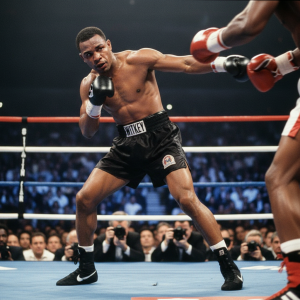
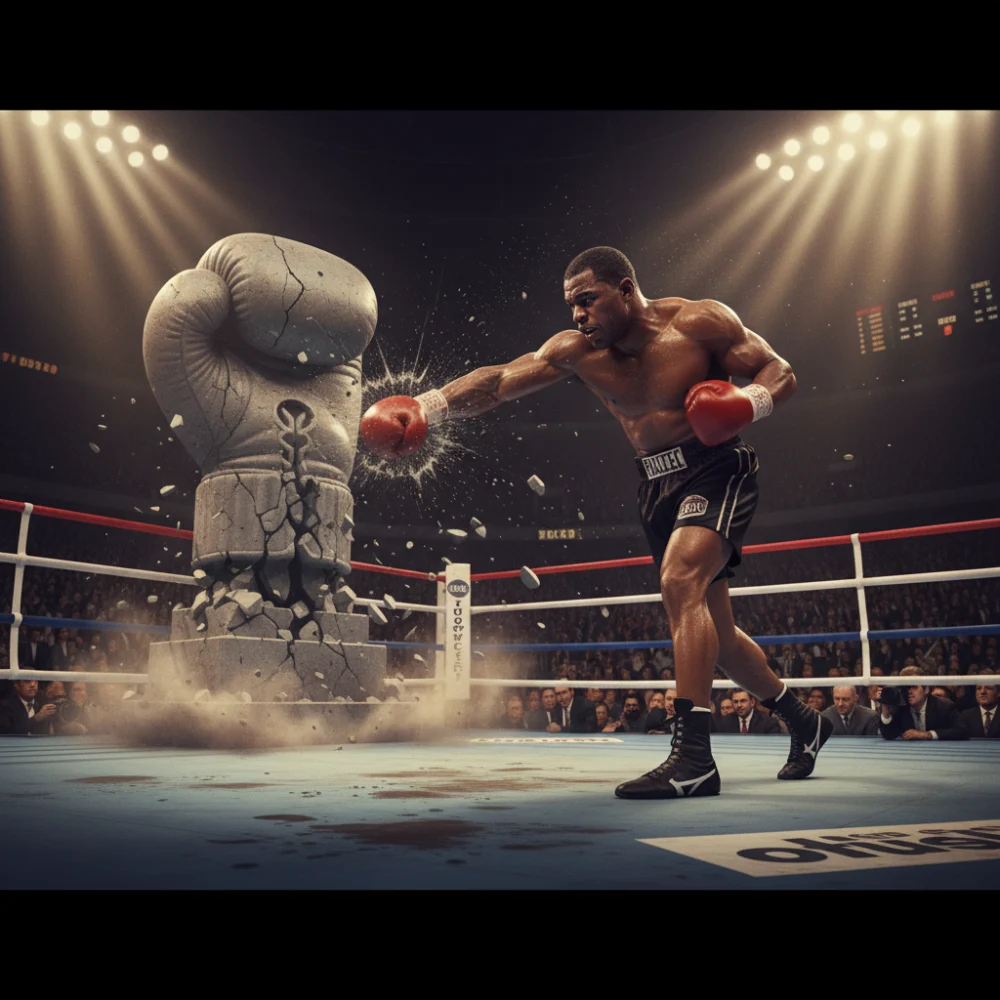
To understand the lethality of Frazier’s hook, one must look at his physiology and technique. Unlike fighters who threw arm punches, Frazier threw his hook with his entire body. He was shorter than most heavyweight contenders, which forced him to fight on the inside. He turned this disadvantage into a lethal asset. By crouching low and weaving, he loaded potential energy into his legs and hips, uncoiling violently to deliver the blow.
The punch was often thrown blindly or from angles that opponents could not anticipate. Because Frazier was constantly moving his head in a rhythmic, almost hypnotic figure-eight motion, opponents struggled to time their counters. When they missed, Frazier was already in position. He would drive upward, transferring kinetic energy from the floor, through his calves and thighs, rotating his torso, and connecting with a force that could—and did—shatter jaws.
The Fight of the Century in 1971 stands as the ultimate testament to this weapon. In the 15th round, Frazier unleashed a left hook that is arguably the most famous single punch in heavyweight history. It caught Muhammad Ali flush on the jaw, sending the undefeated icon crashing to the canvas. That moment secured Frazier’s legacy, but it was the culmination of a rivalry that would extract everything Frazier had to give.
The Physical Price of the Bob-and-Weave
Greatness in boxing is rarely free, and for Joe Frazier, the bill was steep. His style required him to be a sponge for punishment. To get close enough to land the hook against taller, longer fighters like Ali or George Foreman, Frazier had to walk through fire. He absorbed jabs and crosses repeatedly, relying on his iron chin and indomitable will to keep moving forward. Over time, this accumulation of head trauma took a severe toll.
One of the most harrowing aspects of Frazier’s career was the condition of his eyes. It was later revealed that Frazier fought a significant portion of his career with limited vision in his left eye, the result of a training accident years prior. He hid this fact to keep his license, relying on instinct and the sensory memory of the ring. Fighting half-blind against the greatest heavyweights of all time adds a layer of mythical toughness to his record, but it also highlights the dangerous neglect of health in pursuit of glory.
The trilogy with Muhammad Ali, particularly the third fight known as the Thrilla in Manila, serves as a grim case study on the cost of greatness. Fought in stifling heat, the bout was a war of attrition that pushed both men to the brink of death. Frazier took immense punishment, his eyes swelling shut, rendering him virtually blind in the late rounds. He continued to swing his left hook by memory, trying to find Ali in the darkness.
It was his trainer, Eddie Futch, who made the compassionate and historic decision to stop the fight after the 14th round. Frazier protested, willing to die in the ring rather than quit, but Futch told him, "It’s all over. No one will forget what you did here today." Futch likely saved Frazier’s life that day, but the damage was done. The internal injuries and the neurological toll of such bouts are debts that are paid later in life with diminished mobility and health.
The Psychological Toll and the Shadow of Ali
The cost of Frazier’s greatness was not limited to his physical body; the psychological scars were equally deep. The rivalry with Ali was fueled by Ali’s cruel taunts, labeling Frazier an "Uncle Tom" and a "Gorilla." For a man who had supported Ali during his exile from boxing, giving him money and petitioning for his reinstatement, these insults were a profound betrayal.
Frazier carried a bitterness regarding Ali for decades. While the world celebrated Ali as a saintly figure of peace in his later years, Frazier struggled to reconcile the man who tormented him with the icon the world adored. The narrative of the rivalry often cast Ali as the hero and Frazier as the antagonist, a role Frazier never asked for and did not deserve. This public perception weighed heavily on him, overshadowing his accomplishments as a standalone champion.
Despite the animosity, Frazier’s identity became inextricably linked to Ali. You cannot mention one without the other. The "Cost of Greatness" for Frazier was partially the loss of his own individual narrative; he became the anvil upon which Ali’s legend was hammered out. Yet, without Frazier’s ferocity, Ali would never have ascended to the heights he did. They needed each other to prove their worth, a symbiotic relationship born of violence.
Legacy and Immortal Respect
In his later years, the boxing world began to properly contextualize Frazier’s contribution. The statue erected in Philadelphia stands as a permanent reminder of his grit. Historians and fans now analyze his left hook not just as a punch, but as a symbol of blue-collar work ethic. It represents the idea that talent is nothing without the will to endure suffering.
Modern boxing rarely sees the likes of Joe Frazier. The science of the sport has evolved to prioritize defense and longevity, arguably for the better. However, the raw, visceral excitement of a fighter willing to trade health for victory is what made the Golden Era of heavyweights so compelling. Frazier was the embodiment of that era: flawed, human, and terrifyingly powerful.
Ultimately, Joe Frazier’s left hook purchased him a ticket to immortality, but the transaction fee was his body and peace of mind. He gave his eyes, his joints, and his emotional well-being to the sport. When we watch the replays of that thunderous shot in 1971, we are witnessing more than a knockdown; we are witnessing a man spending his life force in a single, explosive instant. That is the true, haunting cost of his greatness.