



Creatine has long held its position as one of the most thoroughly researched and trusted dietary supplements on the market for muscle growth, athletic performance, and recovery. While the supplement is frequently associated with bodybuilders and heavy weightlifters, fitness experts emphasize that it remains a valuable tool for anyone looking to build lean muscle, enhance physical performance, and promote efficient post-workout recovery. With a massive market offering supplements in powders, capsules, and gummies—utilizing various forms of creatine and often blending in complementary ingredients—navigating the choices can prove daunting for consumers.
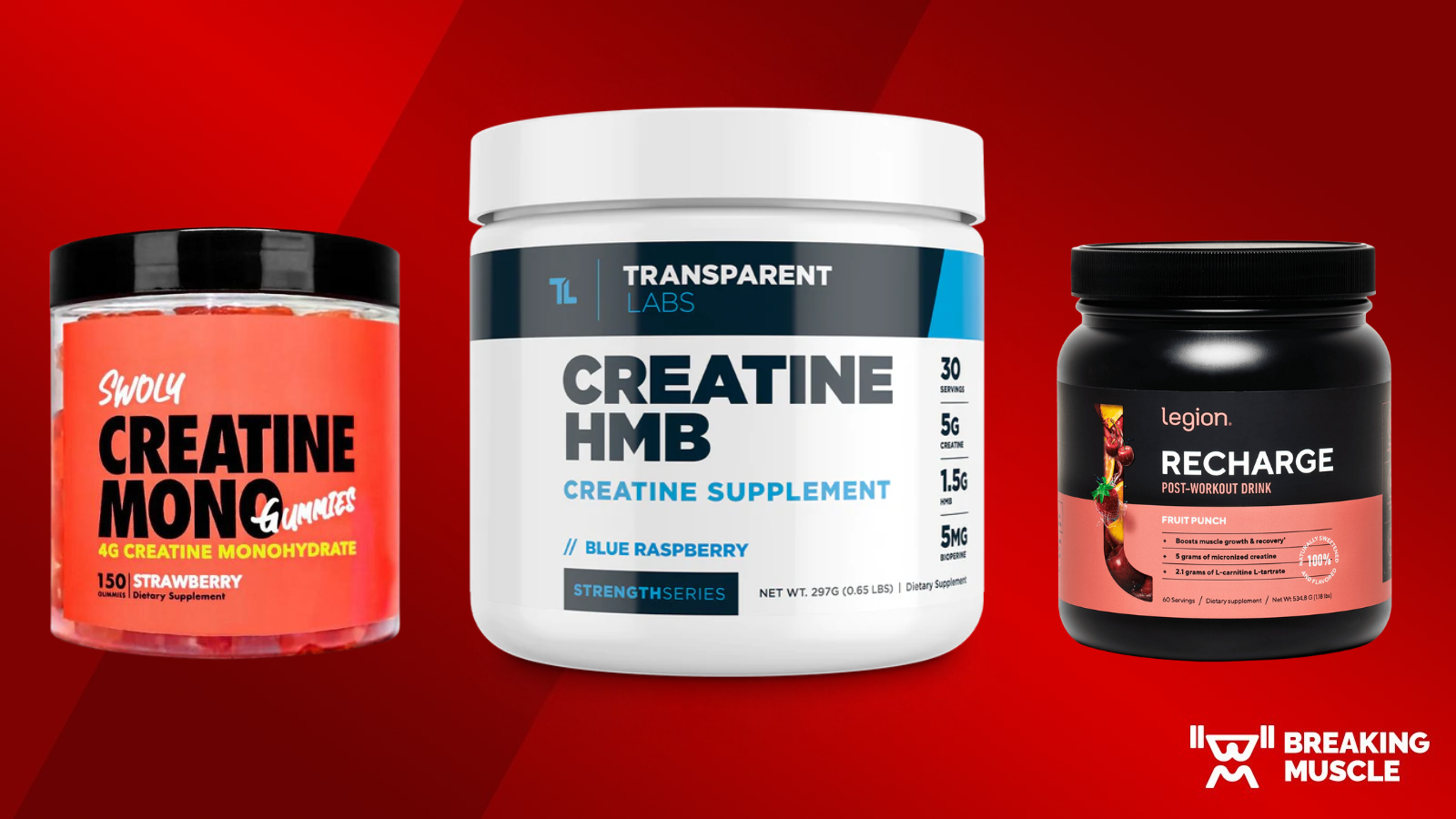
To identify the absolute best options available, an expert product testing team tried dozens of creatine supplements ranging from standard powders to convenient capsules and flavorful gummies. Evaluators assessed products based on taste, mixability, ingredient quality, serving adequacy, and affordability, while consulting certified personal trainers and nutritionists for professional guidance. Although these selections are curated for men—including trans men, while keeping in mind that the majority of existing nutritional research centers on cis men—individuals of any gender can utilize this lineup with confidence. Experts always recommend that trans and nonbinary individuals consult with a trans-competent nutritionist to tailor supplement and training needs.
Best Creatine Monohydrate: Transparent Labs Creatine HMB
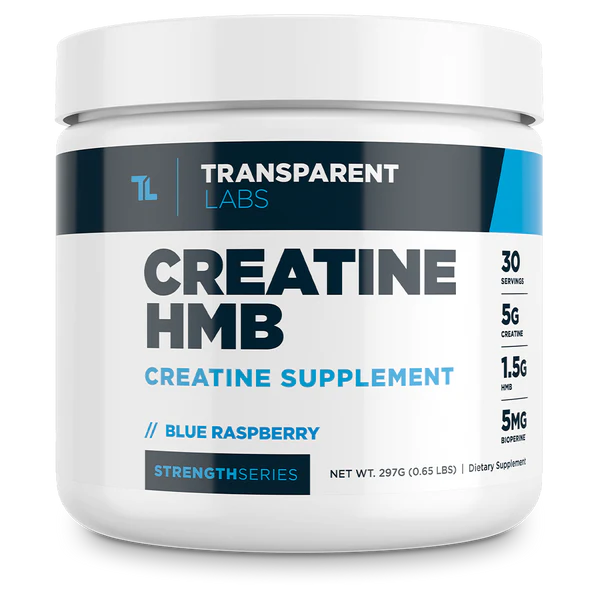
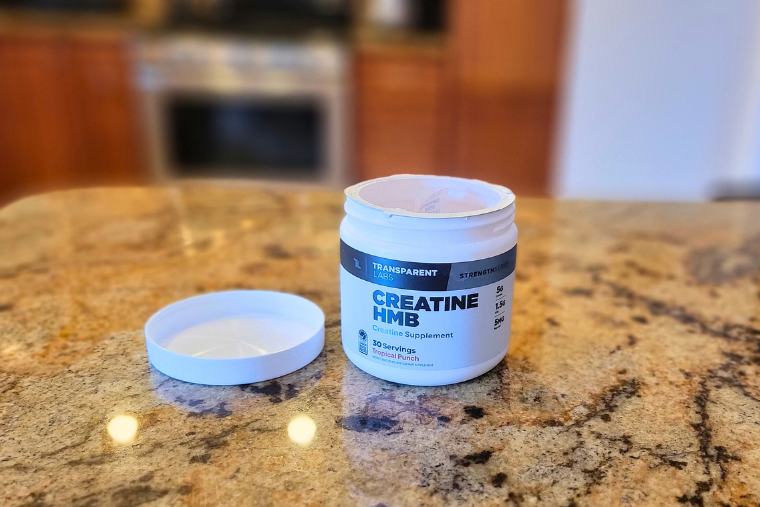
Transparent Labs Creatine HMB stands out as a premier choice for creatine monohydrate due to its inclusion of 5 grams per serving, aligning with the research-backed dose for enhanced athletic performance. Anna Marie Clear, M.S., R.D., C.P.T., notes that while this dose serves as a great general recommendation, some sports nutrition guidelines suggest dosages based on body weight, meaning certain individuals might require more than 5 grams to notice benefits.
This dietary supplement features beta-hydroxy beta-methylbutyrate (HMB), a natural metabolite of the amino acid leucine produced during protein breakdown. Although studies continue to examine its properties, some research suggests HMB supports muscle growth. Clear explains that leucine acts as the primary amino acid triggering muscle protein synthesis, and while HMB and leucine share similarities, research indicates HMB offers no greater effect than leucine alone.
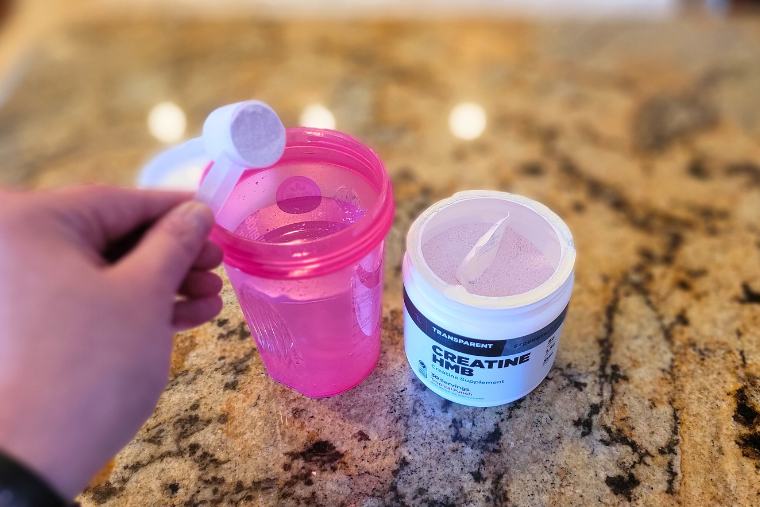
Furthermore, the formula includes BioPerine, a black pepper derivative studied for its ability to increase nutrient bioavailability. Clear points out that while BioPerine may enhance the absorption of certain nutrients, research remains limited regarding its direct impact alongside HMB and creatine. Earning high marks for its formulation and flavors, the product is available in 13 options, including unflavored. Testers noted that while fruit flavors sweetened with stevia extract taste great in the morning, the BioPerine can impart a slightly bitter or tart note to certain flavors.
Best Creatine for Athletes: Sports Research Creatine Monohydrate
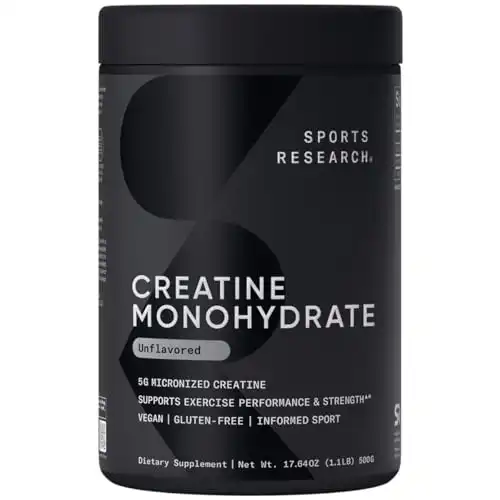
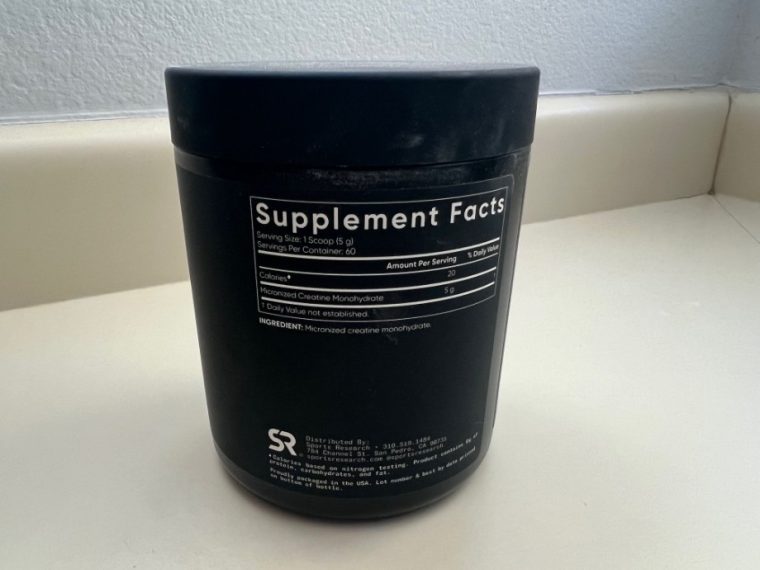
Sports Research Creatine Monohydrate secures the top spot for athletes by delivering a research-backed 5 grams of creatine per serving, optimized for muscle gain, recovery, and overall athletic performance. Crucially for competitive athletes, the product carries Informed Sport Certification, meaning an independent third party screens every batch for purity and banned substances.
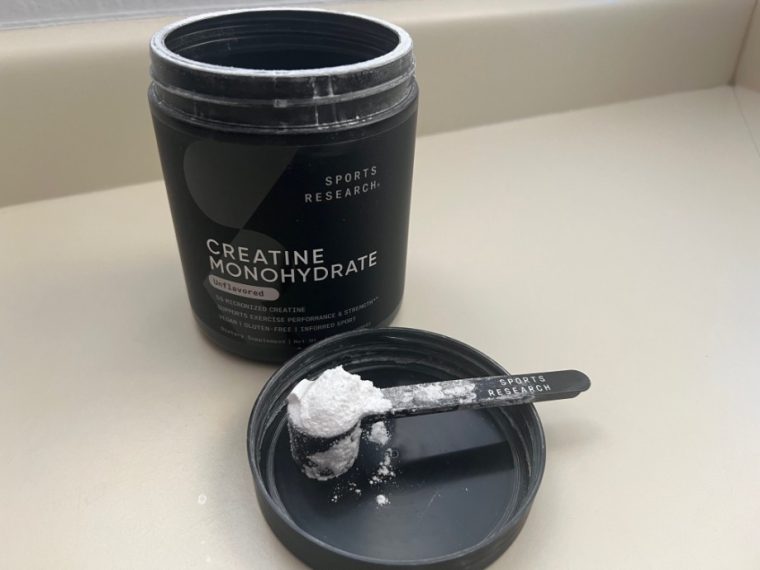
The supplement utilizes micronized creatine, which is milled into finer particles to dissolve more easily in water. However, experts note that micronized variations do not inherently offer superior digestion or bioavailability compared to standard creatine monohydrate. Even so, the exceptional solubility earned praise from testers, who found the unflavored powder virtually tasteless and completely seamless when mixed into water.
Best Creatine Gummies: Swoly Creatine Mono Gummies
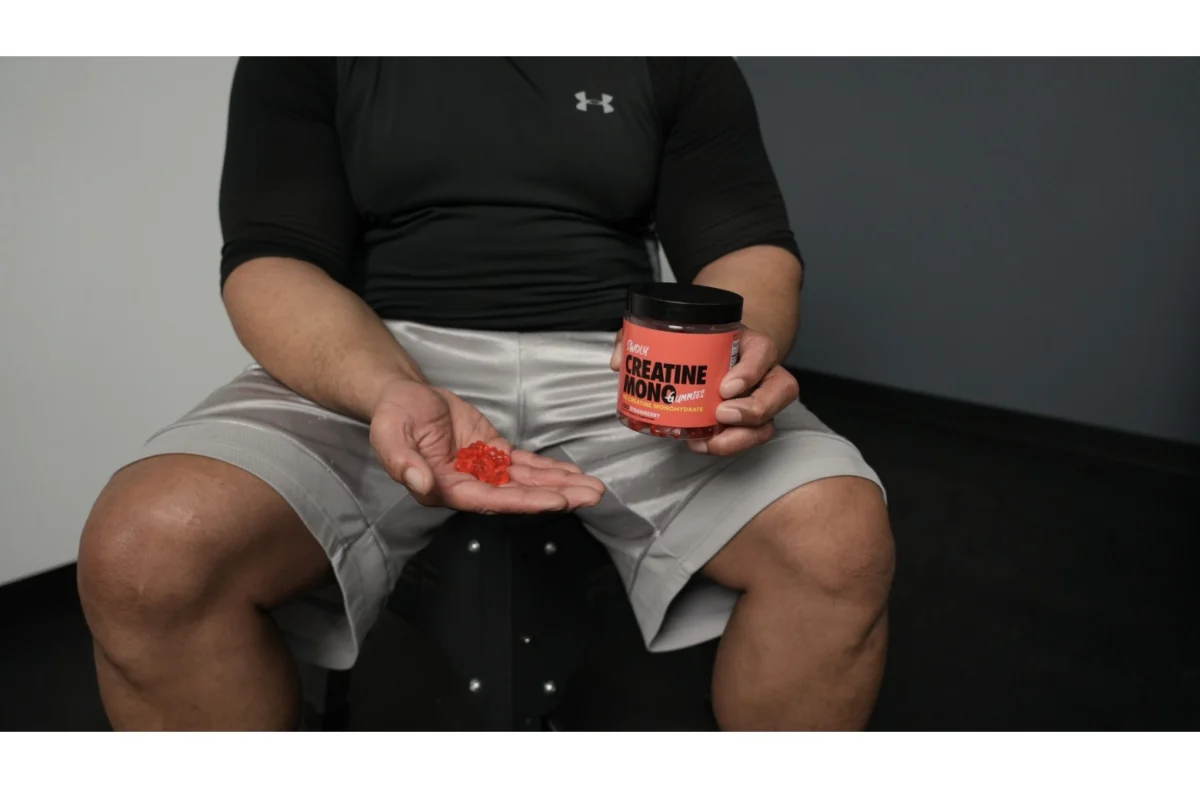
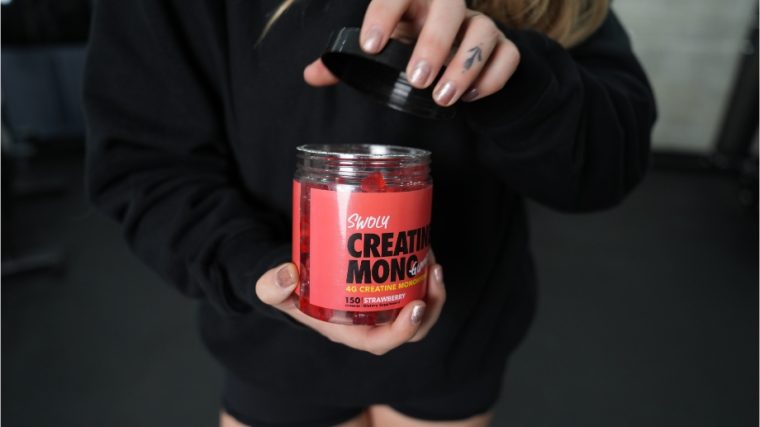
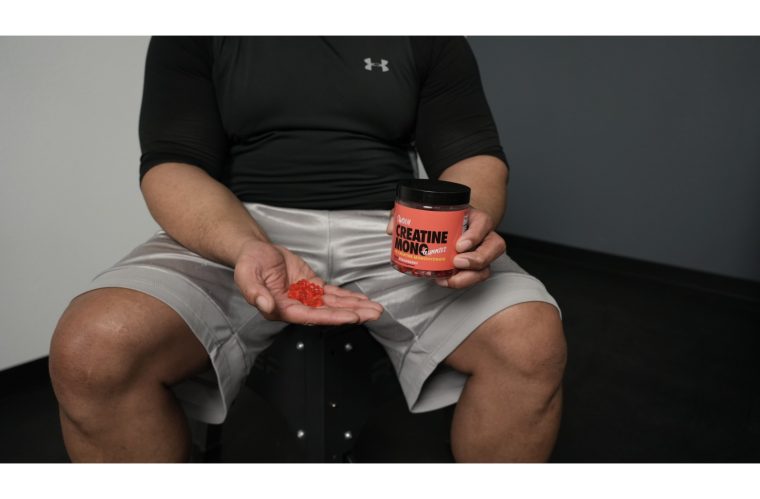
For consumers seeking an alternative to measuring and mixing powders, Swoly Creatine Mono Gummies provide a convenient solution for athletes on the move. Emphasizing flavor and texture, testers described the strawberry-flavored gummies as exceptionally palatable, drawing comparisons to high-quality fruit snacks.
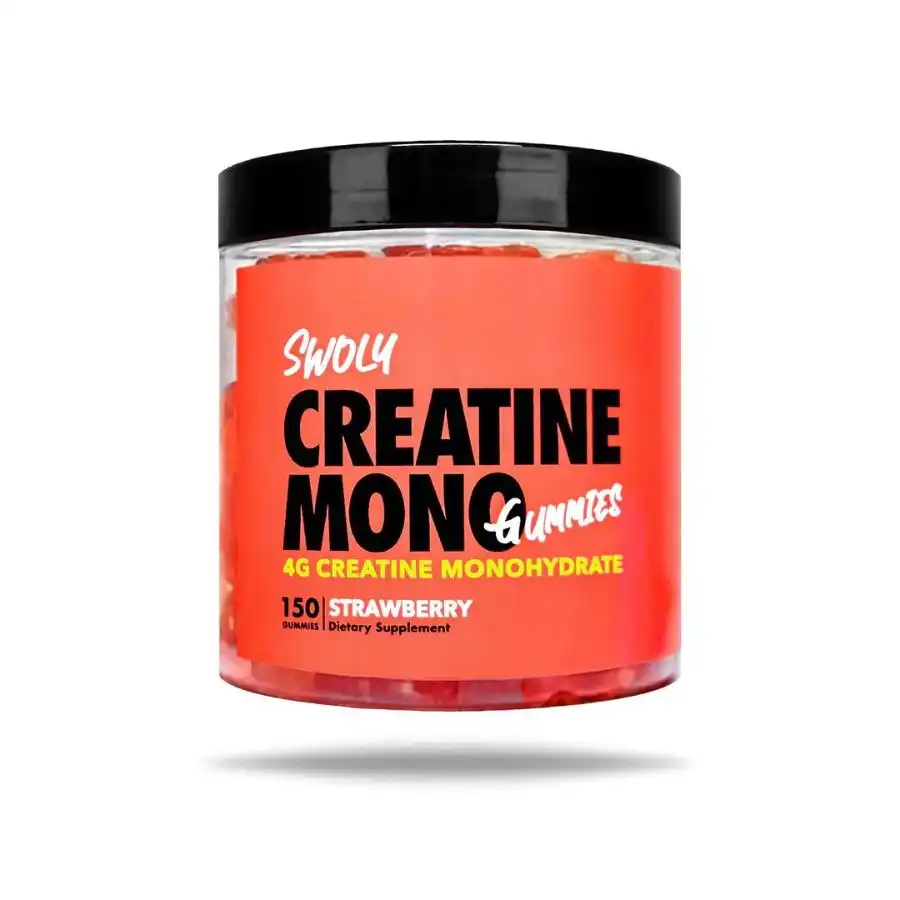
Each serving of five gummies delivers 4 grams of creatine monohydrate, falling slightly short of the preferred 5-gram benchmark. Clear notes that larger individuals requiring higher doses based on body weight might need to consume more than five gummies, which could introduce unwanted gastrointestinal symptoms due to added sugars, gums, and artificial ingredients. The gummies contain 15 calories and 2.5 grams of added sugar per serving from sucrose, dextrose, and maltodextrin. While the brand states the product undergoes third-party testing, the absence of specific organizational details resulted in a more moderate rating for testing transparency.
Best Value Creatine: Nutricost Micronized Creatine Monohydrate
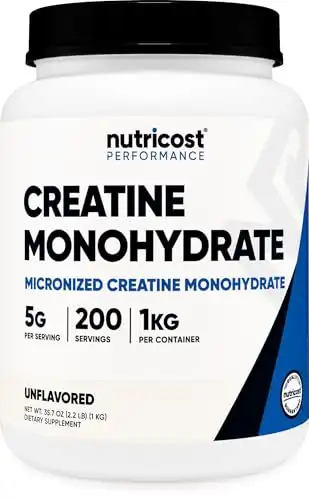
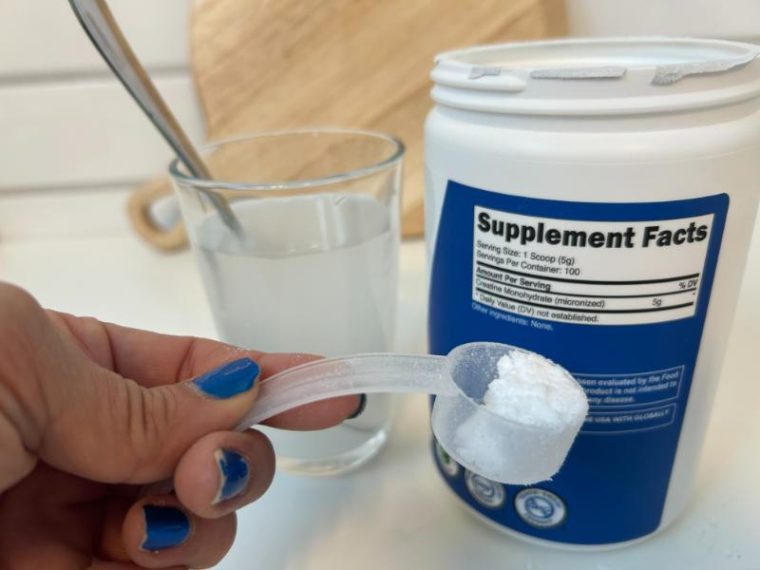
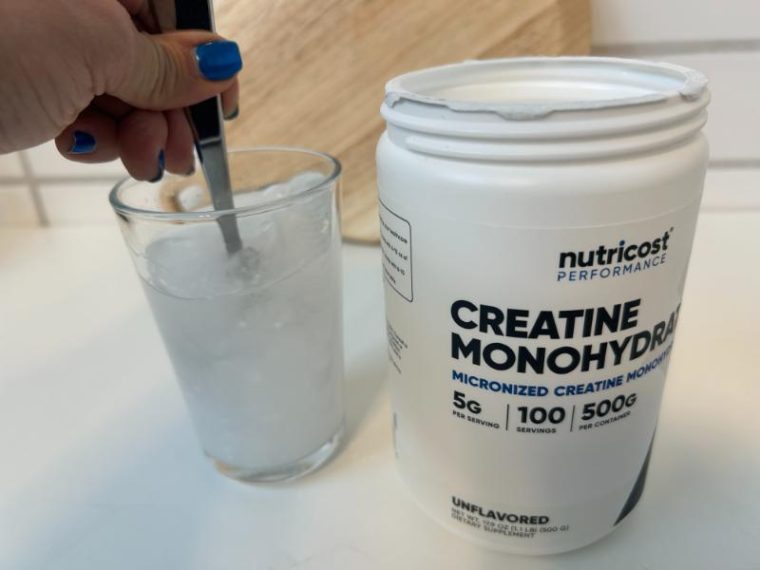
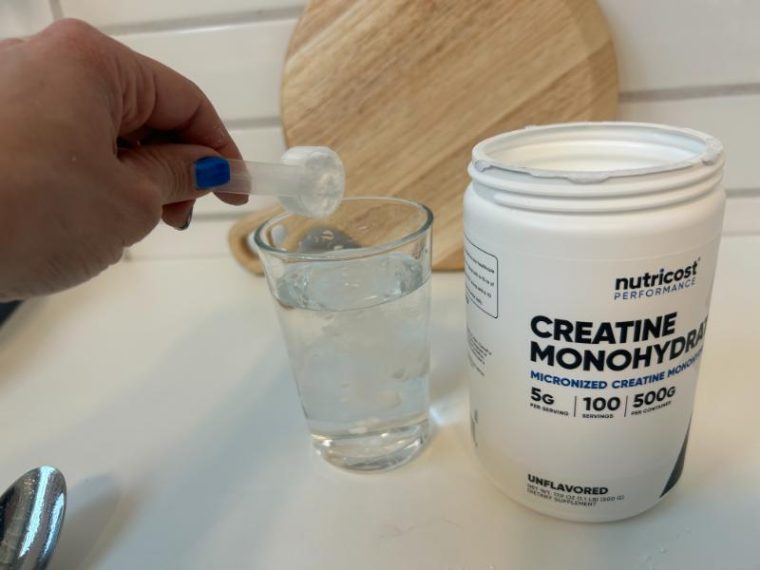
For shoppers prioritizing affordability, Nutricost Micronized Creatine Monohydrate delivers a budget-friendly option at approximately $0.20 per serving. Despite its low cost, the formula provides the standard 5 grams of daily creatine monohydrate needed to keep muscle cells saturated, earning praise from registered dietitian Perry Nix. Testers reported no adverse side effects or bloating, and the product is offered in several flavored varieties sweetened with sucralose alongside an unflavored option.
While the brand indicates third-party testing takes place, the lack of detailed explanations regarding testing protocols leaves some ambiguity regarding safety verification. Additionally, testers noted that the powder tends to settle more than finer alternatives, requiring occasional stirring during consumption.
Best Flavored Creatine: Legion Recharge Post-Workout
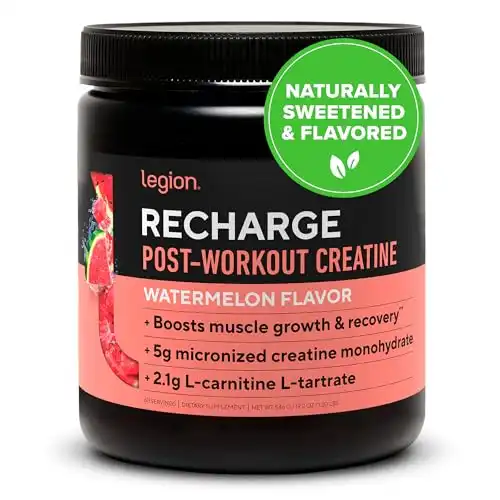
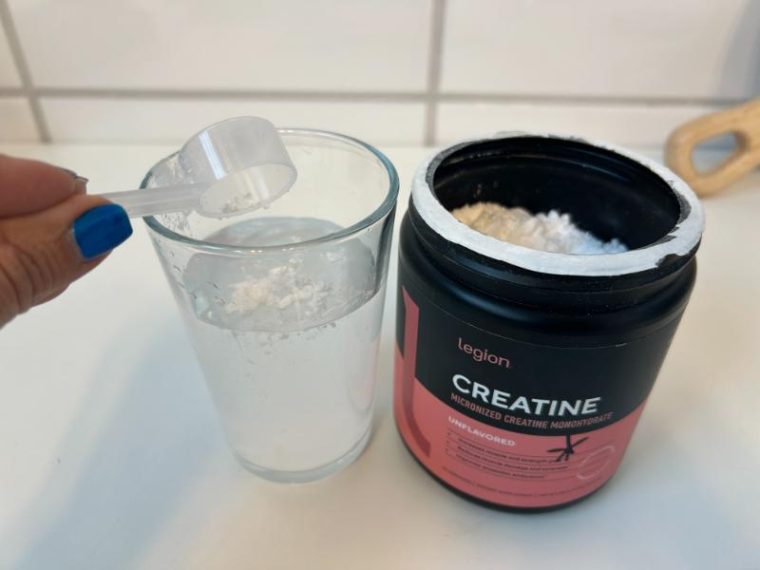
Addressing the potential bitterness or chalkiness associated with unflavored options, Legion Recharge offers a flavored alternative designed for better mixability and taste. Featuring six flavor options, testers highlighted the strawberry lemonade variety for its sweet and tart profile that dissolves completely without leaving sediment at the bottom of a shaker cup.
The formulation includes a research-backed 5 grams of micronized creatine per serving, paired with 2.1 grams of L-carnitine to assist the body in converting fat into energy, alongside 10.5 grams of corosolic acid to help regulate blood sugar levels. However, with a higher price point per serving compared to basic monohydrate powders, it serves as a premium option for those prioritizing flavored post-workout blends.
Best Creatine Pills: Optimum Nutrition Micronized Creatine Capsules
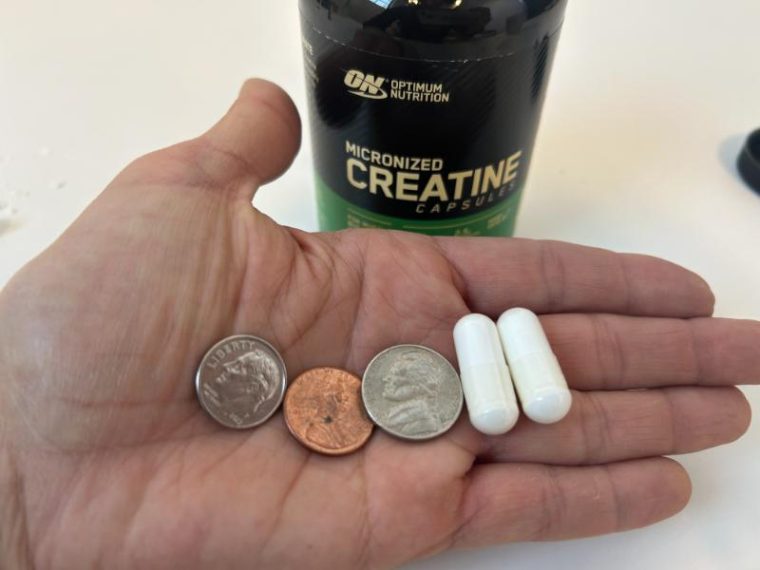
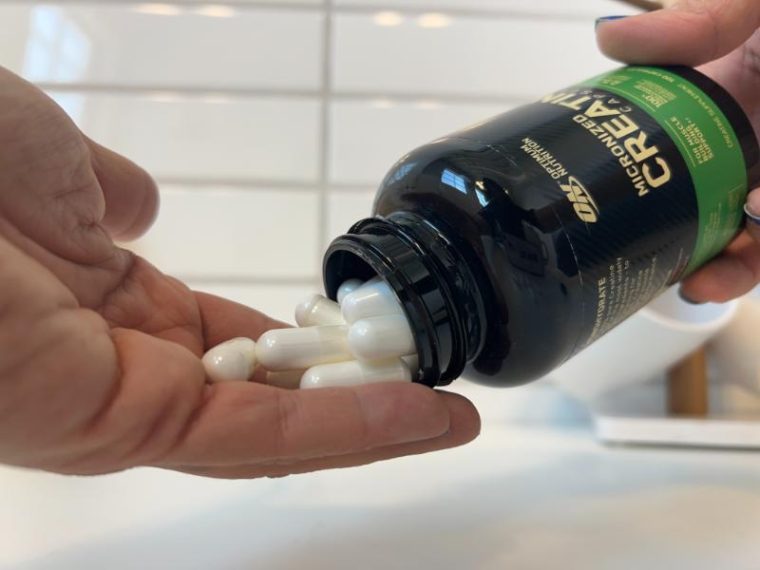
Optimum Nutrition Micronized Creatine Capsules offer a tasteless, portable alternative for individuals who dislike mixing powders. Providing simple ingredients consisting of creatine monohydrate, magnesium stearate, and animal-derived gelatin, the capsules are easy to swallow despite measuring roughly one inch in length.
Because a standard serving of two capsules provides 2.5 grams of creatine, users typically need to take four capsules daily to reach the standard 5-gram threshold. Nutrition experts note that larger athletes might require up to eight capsules to meet personalized dosing recommendations, making capsules less practical for individuals who require higher daily intakes.

Best Creatine for Muscle Growth: Gnarly Creatine
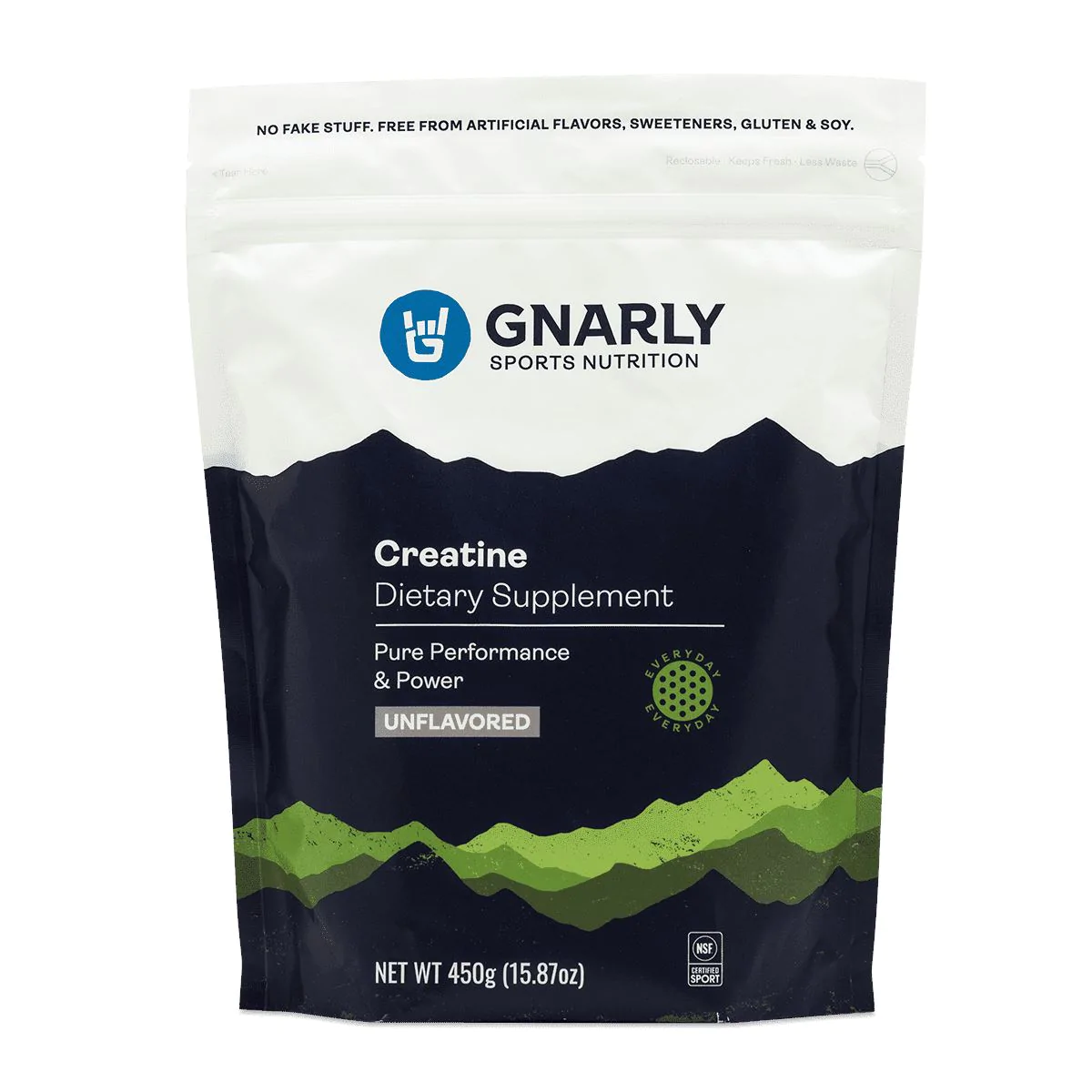
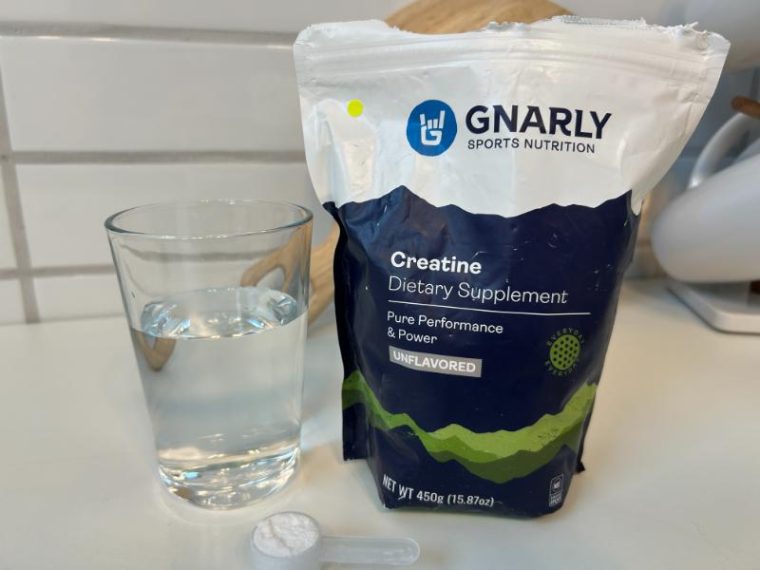
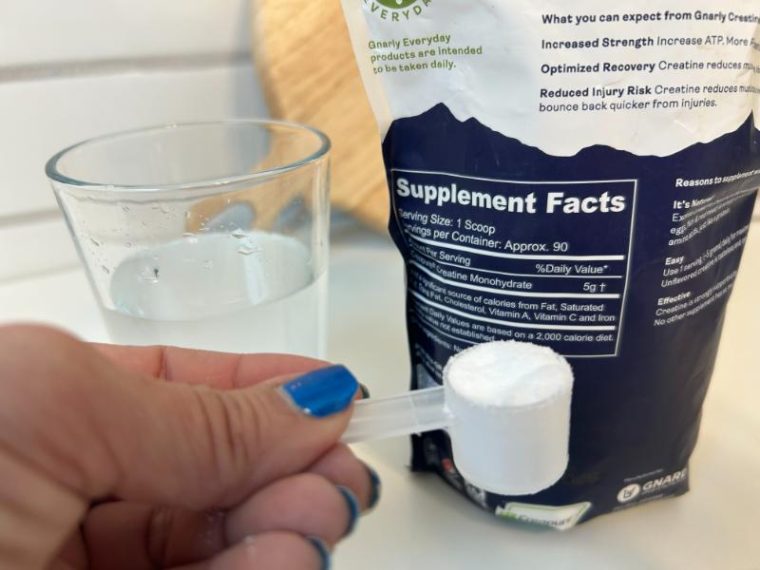
Gnarly Creatine utilizes Creapure, a branded form of German-manufactured creatine monohydrate widely regarded as a gold standard for purity and effectiveness. Each serving contains 5 grams of pure Creapure, designed to support muscle hypertrophy when combined with structured resistance training.
Furthermore, the supplement holds NSF Certified for Sport and NSF Content Certified credentials, ensuring rigorous third-party screening for banned substances, heavy metals, microbes, and pesticides. While its purity and safety certifications earned top marks from nutritional experts, testers observed that the powder settles easily and requires frequent stirring to maintain suspension in water.
How to Choose the Best Creatine for You
Selecting the appropriate creatine supplement involves evaluating several personal and nutritional factors. Research indicates that an efficacious daily dose ranges between 3 and 5 grams for most individuals seeking maximum benefits in muscle mass, recovery, and exercise capacity. Larger individuals may require higher amounts calculated at approximately 0.1 grams per kilogram of body weight.
Consumers should also consider whether they prefer pure monohydrate or formulas containing complementary ingredients such as HMB or L-carnitine, keeping personal health goals in mind. For athletes subject to drug testing, selecting products with third-party certifications from organizations like NSF Certified for Sport or Informed Sport remains an essential precaution to guarantee the absence of banned substances.
What is Creatine and How Does It Work?
Creatine is a compound synthesized from three amino acids—arginine, glycine, and methionine—primarily in the liver, kidneys, and pancreas, with roughly 95 percent stored in skeletal muscle. Dietary sources include red meat and seafood, though supplementation helps achieve complete muscular saturation.
Functioning through the phosphocreatine system, creatine aids in producing adenosine triphosphate, the primary energy molecule driving short, high-intensity efforts such as heavy lifting or sprinting. By increasing ATP availability, creatine allows athletes to perform more work across training sets, supporting both performance and recovery.
Benefits of Creatine
Extensive scientific literature highlights numerous positive effects associated with consistent creatine supplementation:
- Improved Athletic Performance: Studies demonstrate enhanced performance across high-intensity activities, weight training, and sprint sports, driven by increased ATP availability.
- Increased Muscle Mass: Creatine draws water into muscle cells to create a cell volumization effect while enhancing resistance training adaptations to promote skeletal muscle hypertrophy.
- Faster Recovery: Supplementation helps reduce immediate muscle damage and accelerates recovery between intense training bouts.
- Enhanced Cognition: Brain tissue requires significant ATP for normal operation, and research suggests creatine supplementation can benefit cognitive function, particularly during tasks requiring quick thinking.
- Improved Muscle and Bone Density: Long-term studies combining creatine supplementation with resistance training indicate favorable impacts on bone area and muscle density in older adults across sexes.
What Are the Different Types of Creatine?
While creatine monohydrate remains the most researched and widely utilized form, manufacturers produce several alternative variants. Micronized creatine monohydrate features smaller particles designed for improved solubility in liquids, though studies indicate it shares identical bioavailability with standard monohydrate. Other variants include creatine ethyl ester, creatine nitrate, and buffered creatine, though scientific consensus continues to favor traditional monohydrate for consistency and effectiveness.
Is Creatine Safe?
Extensive scientific research confirms that short- and long-term creatine supplementation is safe for healthy individuals, with studies supporting intakes of up to 30 grams per day for extended periods without adverse effects. However, individuals with pre-existing kidney or liver conditions, or those taking medications affecting renal function, should avoid creatine or consult a physician before use. Experts also advise adolescents under 18 to refrain from supplementation due to a lack of long-term studies in younger populations.