

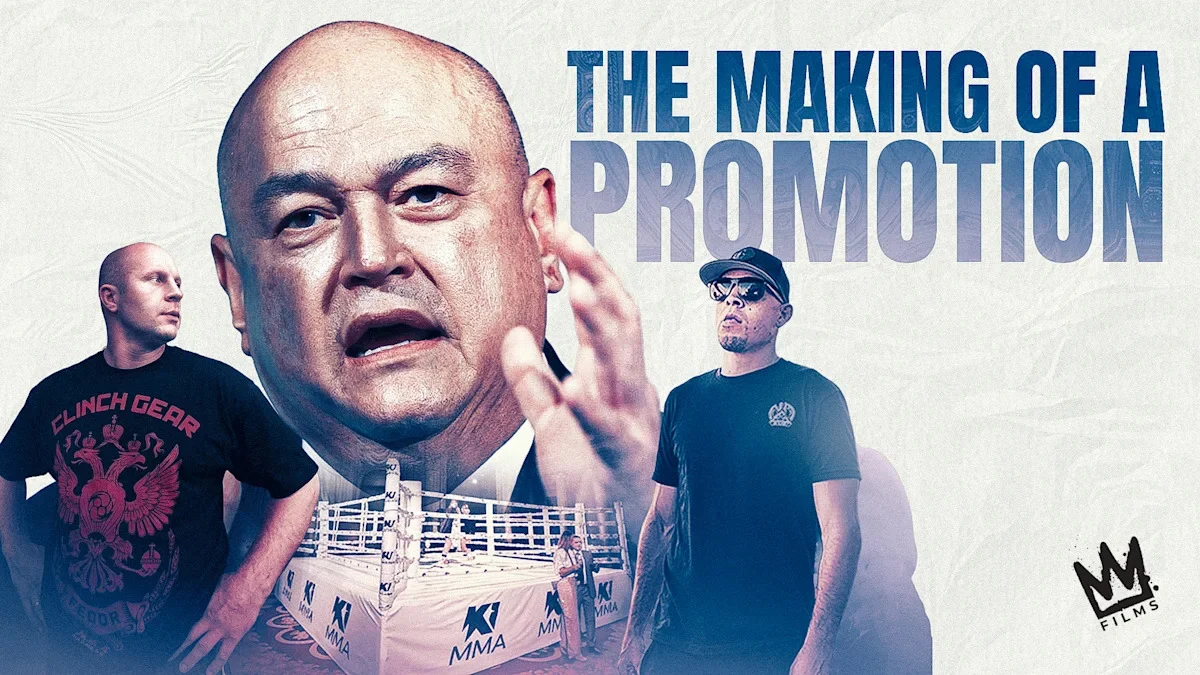
In the fast-evolving landscape of combat sports, few figures carry the historical weight and operational pedigree of Scott Coker. As a veteran promoter who has spent decades shaping the martial arts industry, Coker’s insights into what it takes to build, sustain, and grow a successful mixed martial arts promotion from the ground up serve as a masterclass for anyone looking to understand the mechanics of the sport’s business side. In a new feature presentation titled "How to build an MMA promotion, by Scott Coker | An Uncrowned Film," the former Strikeforce founder and Bellator president pulls back the curtain on the industry, sharing the core philosophies that have guided his storied career.
The comprehensive film captures Coker as he breaks down the fundamental pillars required to establish a thriving fight organization in a fiercely competitive market. Throughout his career, Coker has earned a reputation for fostering talent, respecting fighters, and delivering entertainment value to combat sports fans around the world. In this latest project, he elaborates on those very principles, addressing everything from the psychological aspects of fighter relations to the strategic booking choices that capture public imagination.
Central to Coker’s philosophy is the cultivation of what he terms a fighter-first culture. In an industry where athletic health, promotional alignment, and compensation are constant topics of debate, Coker’s approach has historically prioritized the well-being and career progression of the athletes under contract. Building a promotion from the ground up, according to the veteran promoter, requires more than just securing a television deal and booking an arena; it demands a deep-rooted understanding of the martial artists who put their bodies on the line. By establishing mutual trust and creating an environment where fighters feel valued, a promotion can secure loyalty and attract the top-tier talent necessary to put on competitive, high-stakes bouts.
Beyond establishing a supportive internal culture, Coker addresses the lifeblood of any combat sports organization: talent recruitment. Finding, signing, and developing the next generation of superstars is an art form that requires patience, a keen eye for potential, and a willingness to invest in raw talent before they become mainstream household names. During his tenure at the helm of major organizations, Coker was frequently credited with discovering emerging prospects and guiding them through the developmental stages of their careers until they reached championship status. In the Uncrowned Film, he details the methodologies behind identifying these future stars and nurturing their appeal in a crowded sports entertainment marketplace.
Another significant element of Coker’s vision for the future of the sport involves looking backward to move forward. Throughout the film, he discusses the strategic reintroduction of classic tournament formats, specifically highlighting the revival of the World Grand Prix structure. In an era dominated by standard single-bout matchups and linear title defenses, the tournament format brings an element of unpredictable drama, urgency, and definitive resolution that resonates deeply with long-time martial arts purists. By structuring multi-fight tournaments where athletes must navigate through a bracket over a series of events, promotions can create compelling narratives that naturally build anticipation and engagement among viewers.
Coker’s insights in the film also touch upon his broader vision for Ki MMA and the strategic outlook he maintains for the future trajectory of mixed martial arts as a global sport. Having witnessed the sport grow from a heavily scrutinized spectacle into a mainstream athletic powerhouse, Coker’s perspective bridges the gap between the pioneering days of combat sports promotion and the high-tech, media-driven ecosystem of today. His reflections offer a rare glimpse into the mind of an executive who has navigated ownership transitions, television network partnerships, and the shifting preferences of sports consumers over multiple decades.
The release of the Uncrowned Film provides fans, industry observers, and aspiring promoters alike with a definitive look at the operational blueprints that have defined Coker’s career. By emphasizing sustainable growth, structural innovation through tournaments, and an unwavering commitment to the athletes who make the sport possible, Scott Coker continues to influence the direction of mixed martial arts long after his initial steps into the promotional game. As the combat sports world continues to expand and adapt to new digital frontiers, the foundational lessons shared by one of its most successful architects remain as relevant as ever.