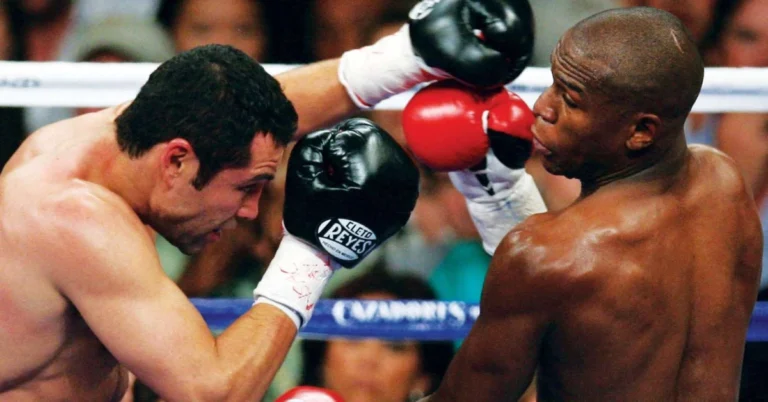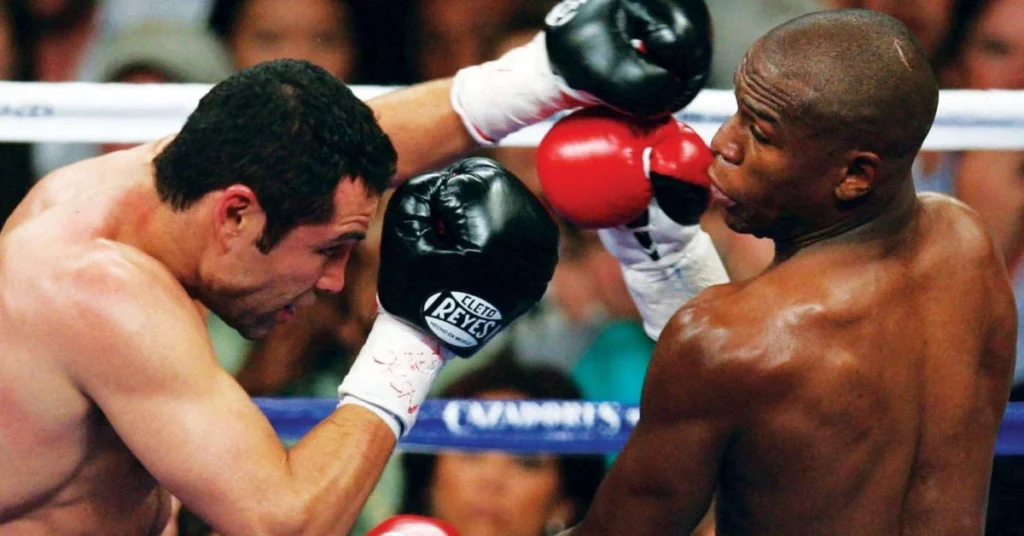



Wales’ economy is poised to receive a significant financial windfall from the much-anticipated heavyweight boxing blockbuster between British rivals Tyson Fury and Anthony Joshua, according to local business owners and industry leaders.
The high-profile bout is provisionally scheduled to take place on December 11 at the iconic Principality Stadium in Cardiff. Boxing enthusiasts from across the United Kingdom and across the globe are expected to descend upon the Welsh capital for what promises to be a landmark sporting spectacle. Local hospitality venues, hoteliers, and transport providers have already begun extensive preparations to accommodate the massive influx of visitors.
However, the event’s future was abruptly thrown into uncertainty following a social media warning issued by Tyson Fury. On Saturday, the heavyweight champion cautioned fans that the long-awaited showdown was currently in jeopardy due to an ongoing dispute between rival boxing promoters, leaving the final staging of the fight up in the air.
Prior to Fury’s statement, business leaders across Cardiff expressed immense optimism about the economic prospects of hosting the event. Nick Newman, chairman of the Cardiff Night Forum, said businesses throughout the city were hoping for a fantastic showcase to draw in substantial crowds. Managing nine pubs across the area, Newman noted that venue owners would be heavily planning ahead, stocking up their cellars with beer and filling their refrigerators with food to meet the anticipated demand.
Newman stated that he had no concerns regarding the sheer scale of the event, pointing out that formal planning meetings were scheduled to take place in the months leading up to December to ensure everything ran smoothly.
Local Businesses Prepare for Record Demand
In the shadow of the Principality Stadium, businesses are already calculating the extraordinary commercial impact the fight night could bring. Twm Jones, the assistant manager of On the River—a venue situated directly opposite the stadium—said the team was genuinely excited for the event.
Jones noted that the venue had recently opened its doors on the very first weekend of the Oasis reunion tour, which famously kicked off in Cardiff, giving the staff a realistic preview of just how overwhelmingly busy the city becomes during major international events.
"We’ll probably be buying in triple the amount of barrels that we usually would," Jones said, outlining the scale of preparation required for the night. He estimated that the venue would easily host a couple of hundred people on fight night, with plans to keep doors open until at least before the opening bell, and likely continuing celebrations long after the final punch is thrown. "It gets a bit rowdy, but it’s all good fun," he added, reflecting the high-spirited atmosphere typical of major Cardiff fight nights.
Beyond hospitality, secondary businesses are also capitalizing on the buzz. Dave Leyshon runs DTL Travel, an online travel agency based in Pontypridd within Rhondda Cynon Taf, and has begun selling tickets for the heavyweight encounter with prices ranging from £450 to £12,000.
"I know it’s not a title fight, but it’s two former heavyweight champions. It’s a fair price when you compare it to other major sporting events such as the football World Cup," Leyshon said, defending the high-end packages.
However, Leyshon also highlighted critical lessons from past events, calling directly on Transport for Wales to ensure travel logistics are handled effectively. He pointedly recalled the widespread criticism directed at fight night rail services when Anthony Joshua previously fought in Cardiff back in 2018. "That’s so important, and I know some coach firms locally to me and also in west Wales will be running buses in case people fear there’ll be an issue with the trains," he added.
Residents Raise Concerns Over Public Services and Disruption
While the commercial sector anticipates a lucrative evening, local residents living near the stadium have voiced profound frustrations regarding the disruption such mega-events bring to daily life in the Welsh capital.
Sarah Hill, who lives within close proximity to the Principality Stadium, admitted she did not see the appeal of the boxing match and paid little attention to the sport. "Why are they doing it? I don’t really pay attention to boxing at all," she said.
Hill acknowledged that Cardiff is certainly no stranger to hosting large-scale events, but argued that every major gathering at the stadium functions as a direct inconvenience to local residents. "Rock concerts, rugby games, any kind of sporting event is just a nightmare," she said. "The entire city shuts. So if you want to get from the train station to your house, you have to go out of your way just to get a taxi."
According to Hill, transportation costs skyrocket on event days due to surge pricing, making everyday travel expensive and complicated. Furthermore, the late start times traditionally associated with major pay-per-view boxing events have left her questioning how Cardiff’s local infrastructure will adequately cope with the pressure. To many residents, she suggested, the event feels purely financially driven.
"The trains only run so late, so it’s just about selling as much booze before and after the event," Hill added. "If the start time is there to benefit the audience in the United States, why is it even here?"
A Growing Reputation for Major Events
On the other hand, newer residents view the city’s transformation into an event hub in a more favorable light. Jack Gower recently relocated to Cardiff this month to pursue his university studies and observed that the city had firmly established itself as a major event destination in recent years.
"It’s good because any big event in the UK, you think London or Manchester. It’s good for cities like Cardiff to get the publicity," Gower said. While not a massive sports fan himself, he acknowledged that an event of this magnitude would inevitably impact everyone in the city in some capacity.
"Especially for local bars and tourist places, uni students moving in will probably be the biggest thing, and this will just boost the economy more for them," he added.
The logistical challenge of hosting a late-night boxing event in Cardiff draws comparisons to historic nights in the city, such as nearly twenty years ago when Welsh boxing icon Joe Calzaghe defeated Mikkel Kessler at the same venue. Gerry Toms, the former stadium manager who oversaw that unforgettable night, recalled that staging a fight stretching into the early hours required immense logistical hurdles, with staffing serving as the absolute key to success.
"A lot of the planning is needed with the police, the rail network, the council, hoteliers, and the taxi services," Toms explained. "It all has to be co-ordinated to provide the best possible service you can."
Reflecting on past strategies, Toms noted that a strict 22:30 curfew was implemented during the Calzaghe fight to encourage fans to enter the stadium early, successfully preventing a massive, unmanageable rush of crowds descending on the venue right before the main event commenced. "We still had a couple of fights in the stadium which weren’t in the ring, but good stewarding can keep that calm and step in early to defuse it," he recalled.
Hospitality Demand and Transport Planning
Industry representatives confirm that the demand for accommodation across Cardiff is already exceptionally high. David Chapman, the executive director of UKHospitality Cymru, emphasized that the anticipated fight would deliver an invaluable boost to the city’s hospitality enterprises, noting that hotel inquiries had surged dramatically. He urged incoming fans to exercise patience with hospitality staff who would inevitably face an overwhelming wave of requests.
In response to concerns raised over transportation infrastructure, Transport for Wales stated that it was already collaborating closely with event organizers to secure additional rail capacity. The objective, officials noted, is to ensure that rail customers can safely and efficiently return home during the early hours of the morning following the conclusion of the bout.
"We’re now working on a provisional service plan and for all the other arrangements needed to host an event of this size in Cardiff," Transport for Wales said in a statement, adding that further detailed travel information would be released to the public in due course.