


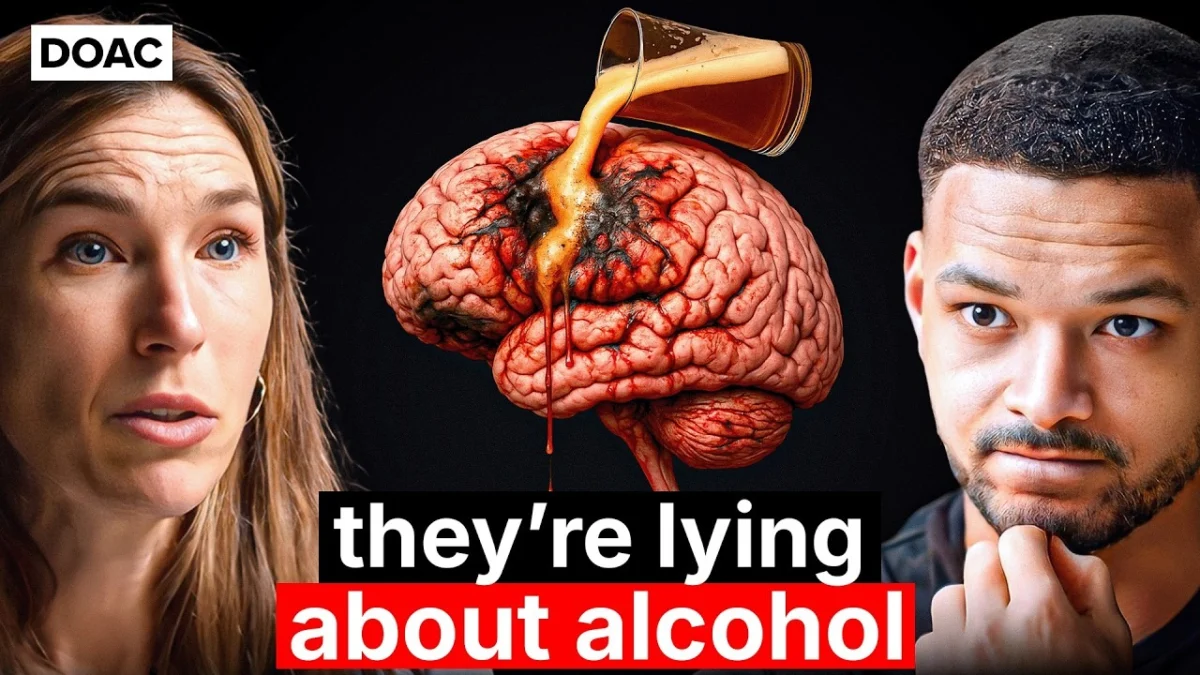
For millions of people, uncorking a bottle of wine or pouring a cocktail at the end of a demanding day is viewed as a harmless, well-earned ritual. Yet according to Dr. Sarah Wakeman, an addiction medicine specialist at Harvard Medical School, contemporary public health data paints a far more troubling reality. In a recent podcast discussion exploring the biological and systemic impacts of alcohol, Wakeman outlined how even modest, routine drinking subtly nudges clinical health risks upward, challenging widely held cultural beliefs about alcohol consumption, moderation, and wellness.
Throughout the detailed discussion, Wakeman unpacked the widening gulf between how ordinary consumers perceive their drinking habits and how the human body actually metabolizes ethanol. From the precise definition of a single serving to the cellular mechanisms behind malignant disease, her insights shed light on the cumulative toll of drinking, while presenting a modern, compassionate, and evidence-based approach to treatment and habit change.
Why One Glass Is Rarely Just One Drink
A central problem in discussions around alcohol safety is the widespread misunderstanding of what a standard drink actually looks like. Wakeman noted that portion sizes routinely mislead consumers, drawing an analogy to packaged food labels. On a pint of ice cream, for instance, an official single serving might be defined as just half a scoop, yet very few people serve themselves such a small portion; instead, they fill a large bowl, unintentionally consuming multiple servings at once.
The same discrepancy occurs with alcohol. When individuals pour wine into large modern glasses or order mixed drinks at restaurants, the volume poured frequently contains two or three times the amount of alcohol found in an official standard unit. Consequently, people who believe they are consuming a modest single drink each evening are often inadvertently consuming double that volume, placing them into a higher exposure category without their knowledge.
This miscalculation is compounded when examining cumulative weekly patterns. An individual might have two glasses with dinner on a Thursday, three drinks while socializing on a Saturday, and a single nightcap on Sunday. While this pattern may feel entirely routine and moderate to the individual, the aggregate ethanol intake pushes their biological profile far past the low-risk threshold.
"You’d be in what we call moderate risk, which is associated with pretty much every form of cancer, which I think people don’t know," Wakeman explained. Because the body processes the cumulative toxic load over time, irregular spikes combined with habitual intake quietly alter a person’s baseline risk profile for major chronic illnesses.
What the Cancer Numbers Look Like
Public awareness regarding alcohol-related illness has historically focused on liver disease, but the epidemiological connection between alcohol and oncological risk is profound. Wakeman emphasized that for two conditions in particular—breast cancer and esophageal cancer—the statistical risk begins to rise even below standard low-risk consumption guidelines. For the broader spectrum of malignancies, risks elevate sharply once drinking reaches the moderate tier.
Addressing the issue directly, Wakeman observed, "There’s really sort of no safe amount of alcohol when it comes to breast cancer."
While such statements can sound alarming, Wakeman emphasized the importance of distinguishing between relative and absolute risk to help people make informed, rational decisions. For example, she noted that a 5% relative increase in breast cancer risk would shift an average American woman’s baseline lifetime risk from approximately 13% up to roughly 13.6%. While this represents a measurable statistical uptick across a broad population, it does not mean an individual is guaranteed to develop the disease.
However, as drinking escalates into heavier territory, the mathematical model shifts considerably. Wakeman estimated that an individual who regularly consumes two standard drinks daily faces approximately a 40% increase in relative risk, depending on the specific cancer type. She cautioned that while population-wide epidemiological datasets reveal clear correlations, they cannot determine the individual destiny of any single patient, as genetics, lifestyle, and environment also intersect.
How Alcohol Damages Cells
The biological mechanism linking alcohol to cancer and systemic degradation traces back to how the body handles ethanol. Because the human system recognizes ethanol as an unnatural substance, the liver prioritizes its breakdown. Enzymes convert ethanol into acetate, which is eventually broken down into carbon dioxide and water before being cleared through the breath and urine.
However, this metabolic pathway generates a highly reactive and toxic intermediate byproduct. As this compound circulates through the bloodstream, it inflicts direct cellular damage and induces widespread chronic inflammation. Over extended periods, this recurrent biochemical insult causes genetic mutations and alters cellular DNA, creating the foundational biological conditions necessary for malignant tumors to form.
This carcinogenic environment is exacerbated when alcohol is paired with tobacco. Wakeman noted that individuals who consume alcohol while smoking cigarettes do not simply face an additive sum of two independent health risks. Instead, alcohol and tobacco act synergistically, multiplying the likelihood of developing cancers of the mouth, throat, and upper digestive tract.
Is Red Wine Actually Healthy?
For decades, popular media and lifestyle publications have promoted the idea that a daily glass of red wine supports cardiovascular health and extends longevity. This belief stemmed from older epidemiological studies that produced a distinctive "J-shaped curve," which suggested that light-to-moderate drinkers had lower mortality rates than individuals who abstained entirely from alcohol.
Wakeman explained that modern scientific re-evaluations have uncovered a fundamental flaw in those earlier studies: the comparison groups were systematically biased. In many historical datasets, the "abstainer" cohorts were heavily populated by people who were already in declining health. Many had stopped drinking due to heart failure, advanced age, or a prior history of severe alcohol use disorder and subsequent recovery. When researchers compared active moderate drinkers to a non-drinking group comprised largely of medically fragile individuals, alcohol falsely appeared to confer a protective survival advantage.
When modern researchers correct for this bias by using lifelong very light drinkers as the control group, the apparent cardiovascular and longevity benefits disappear entirely.
"I would never say drinking alcohol is good for your health," Wakeman stated, emphasizing that no clinical justification exists for consuming alcohol as a preventative medical strategy.
Rather than demanding total abstinence, Wakeman advocates for clear-eyed risk management. She views alcohol much like other discretionary, pleasurable habits that carry known health costs, comparing it to eating rich desserts, consuming processed bacon, or spending time sunbathing. Each involves a measured trade-off between pleasure and physiological risk. The key, she argued, is cognitive honesty: "Don’t fool yourself into thinking that drinking that glass of wine is like going to exercise for 30 minutes."
Liver, Brain, and Heart Take the Hit
Beyond its carcinogenic potential, ethanol places direct, tangible strain on the body’s vital organ systems, frequently causing silent harm long before clinical symptoms appear.
The Liver’s Point of No Return
The human liver is remarkably resilient, capable of fully regenerating even after losing up to 80% of its working tissue to acute injury or surgical resection. However, Wakeman warned that chronic inflammation from heavy drinking eventually triggers cirrhosis—a state of dense, irreversible fibrotic scarring that strips the organ of its regenerative capacity.
Wakeman illustrated this permanent shift using a baking metaphor: if a baker forgets to add eggs while preparing muffin batter, the mistake can easily be corrected by whisking them in before the tray goes into the oven. But once the muffins are fully baked, no amount of intervention can undo the omission. In the liver, ongoing inflammation is like unbaked batter, but once extensive cirrhosis sets in, the window for natural tissue repair closes permanently.
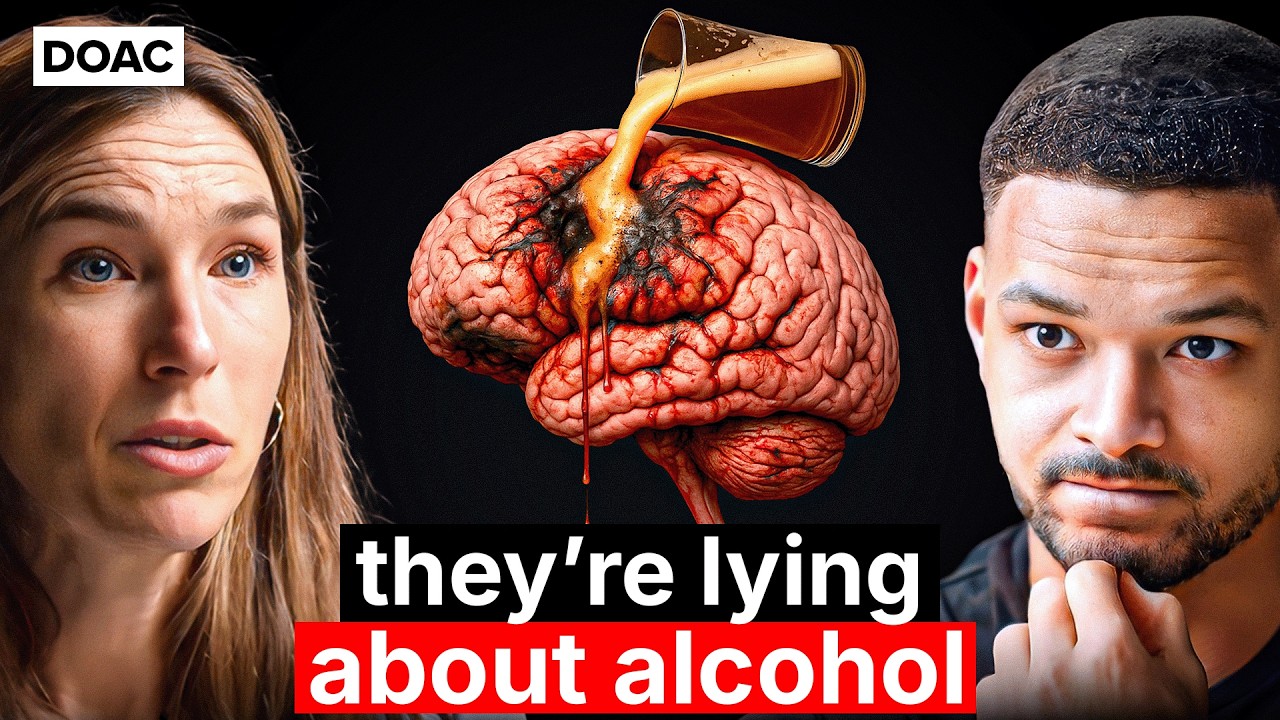
Alarmingly, clinical trends indicate that severe liver disease is no longer confined to older demographics. Wakeman reported that clinicians are increasingly treating patients in their 20s who arrive at emergency departments in acute liver failure, often completely unaware that their drinking patterns were causing fatal internal damage. She highlighted that massive binge drinking episodes appear to inflict more acute organ damage than steady, lower-level drinking, as acute surges flood the body with toxic byproducts faster than hepatic enzymes can process them.
A 43-Year-Old Brain That Looks 90
The central nervous system is equally vulnerable to prolonged ethanol exposure. Neuroimaging demonstrates that chronic heavy drinking causes generalized brain volume loss, shrinking cortical gray and white matter while widening the fluid-filled ventricles.
To demonstrate the severity of this atrophy, Wakeman described an MRI scan of a 43-year-old patient with severe alcohol use disorder. The scan revealed profound structural degradation and volume loss, presenting an anatomical appearance that resembled the brain of a 90-year-old patient suffering from advanced dementia. Furthermore, severe alcohol dependence frequently causes secondary nutritional and vitamin deficiencies, which can damage memory circuits and precipitate sudden, permanent amnesia.
Heartburn, Arrhythmia, and the Illusion of Tolerance
Alcohol’s systemic reach extends throughout the cardiovascular and gastrointestinal tracts. Habitual drinking irritates the esophageal lining and relaxes the lower esophageal sphincter, causing chronic acid reflux and heartburn. In the heart, episodes of binge drinking can trigger acute electrical disturbances, a phenomenon known in clinical settings as "holiday heart syndrome," characterized by sudden atrial fibrillation and irregular rhythms.
Wakeman also debunked the common assumption that being able to "hold one’s liquor" reflects biological protection. Ethanol diffuses readily into total body water rather than adipose tissue, meaning individuals with higher lean muscle mass often dilute alcohol more effectively, resulting in lower blood alcohol concentrations. However, having a high behavioral tolerance—feeling less intoxicated or rarely experiencing hangovers—does not safeguard internal tissues. The biochemical toxicity of ethanol and its metabolic byproducts continues to damage the liver, heart, and brain, regardless of how functional a person feels while drinking.
Why People Drink: Trauma, Genetics, and Isolation
Understanding why individuals consume alcohol to excess requires looking past assumptions about willpower or personal morality. Wakeman explained that clinical vulnerability to alcohol use disorder is driven by an interplay of biological predispositions and environmental circumstances, with genetics accounting for roughly 40% to 60% of an individual’s overall risk.
The remaining risk is heavily shaped by life history, particularly adverse childhood experiences (ACEs). Wakeman noted that epidemiological data demonstrates a direct, linear correlation between the accumulation of early childhood adversity and the future probability of developing substance use disorders.
"You often hear things like cannabis is a gateway drug," Wakeman observed. "I would say trauma is the gateway drug."
The pharmacological properties of ethanol explain why it serves as such an effective, albeit destructive, coping mechanism. While alcohol stimulates the release of dopamine—the neurotransmitter linked to reward and habit formation—it also acts directly on the brain’s inhibitory gamma-aminobutyric acid (GABA) receptors, inducing sedation and dampening acute stress responses. Simultaneously, it stimulates the endogenous opioid system, producing temporary analgesia.
"It’s an anti-anxiety and a pain medication sort of all-in-one," Wakeman explained, noting that for individuals living with unaddressed psychological distress or hyperarousal, alcohol provides rapid, reliable, and accessible relief.
Social context and interpersonal connection play an equally critical role. Wakeman pointed to the classic "Rat Park" behavioral experiments, which demonstrated that laboratory rats kept in isolated, barren cages repeatedly self-administered narcotics, whereas rats housed in enriched, social environments alongside other rats showed little interest in drugs. While acknowledging that animal models simplify complex human realities, Wakeman stressed that the foundational insight remains valid: human vulnerability to addiction surges in the presence of loneliness, alienation, and social disconnection.
"We often talk about the opposite of addiction is not sobriety, it’s actually connection," she said.
What Actually Works for Alcohol Problems
When addressing hazardous drinking and clinical addiction, Wakeman expressed sharp skepticism toward standard commercial rehabilitation centers, arguing that their structure frequently fails to reflect modern clinical science. Because addiction functions as a chronic, relapsing medical illness, it cannot be cured through short-term residential stays any more than conditions like diabetes or hypertension can be resolved with a two-week course of antibiotics.
To evaluate the commercial recovery landscape, Wakeman’s research team conducted a "secret shopper" study examining residential rehab facilities across the United States. The findings were striking: a significant proportion of programs failed to offer evidence-based clinical care or access to approved medical treatments. Instead, facilities frequently charged exorbitant fees for unproven modalities such as horse-assisted therapy or dolphin encounters, leaving patients without standard clinical interventions.
In contrast, Wakeman emphasized that effective, modern addiction treatment relies on outpatient medical management, behavioral therapies, and targeted pharmacological tools. Among these, she highlighted medications that can be prescribed to reduce heavy drinking episodes—including protocols where medication is taken specifically in advance of attending a party or social gathering to dull alcohol’s reinforcing neurological effects and make moderation achievable.
Furthermore, research indicates that the therapeutic relationship itself heavily influences recovery outcomes. Studies evaluating addiction counselors show that providers who display warmth, empathy, and active listening achieve significantly better patient outcomes, whereas confrontational or unempathetic practitioners often see their clients return to heavier drinking after treatment.
How to Support Someone You Love
When it comes to family intervention, Wakeman firmly rejects the long-standing cultural doctrine of "tough love" and the dangerous premise that families must wait for an individual to hit "rock bottom" before providing support. The concept of rock bottom is clinically perilous; punitive approaches such as social abandonment or incarceration frequently lead to fatal outcomes. To illustrate the lethal danger of relying on punitive rock bottoms, Wakeman pointed out that individuals released from correctional facilities face a risk of fatal overdose that is roughly 130 times higher than that of the general population.
Instead of detachment, Wakeman advocates for evidence-based intervention frameworks such as CRAFT (Community Reinforcement and Family Training). Through the CRAFT model, family members are taught the core behavioral and neurobiological science of substance use disorders. Relatives learn how to establish constructive personal boundaries and implement graduated, predictable consequences for negative behaviors without severing emotional connection or abandoning the relationship.
Finally, Wakeman underscored that the clinical language used around addiction must evolve to mirror standard medical practice. When a patient returns to drinking following an unsuccessful stay in a treatment program, families and clinicians often default to viewing the patient as unmotivated.
Reframing a scenario where an individual experienced recurrent treatment episodes, Wakeman highlighted the necessary shift in perspective: "You didn’t say he failed treatment. You said the treatment failed him."
By grounding alcohol policy, personal consumption, and addiction interventions in verifiable medical science rather than moral judgment, individuals and families can better evaluate health choices and implement strategies that genuinely work. As Wakeman summarized the path toward informed health decisions: "When you know better, you do better."