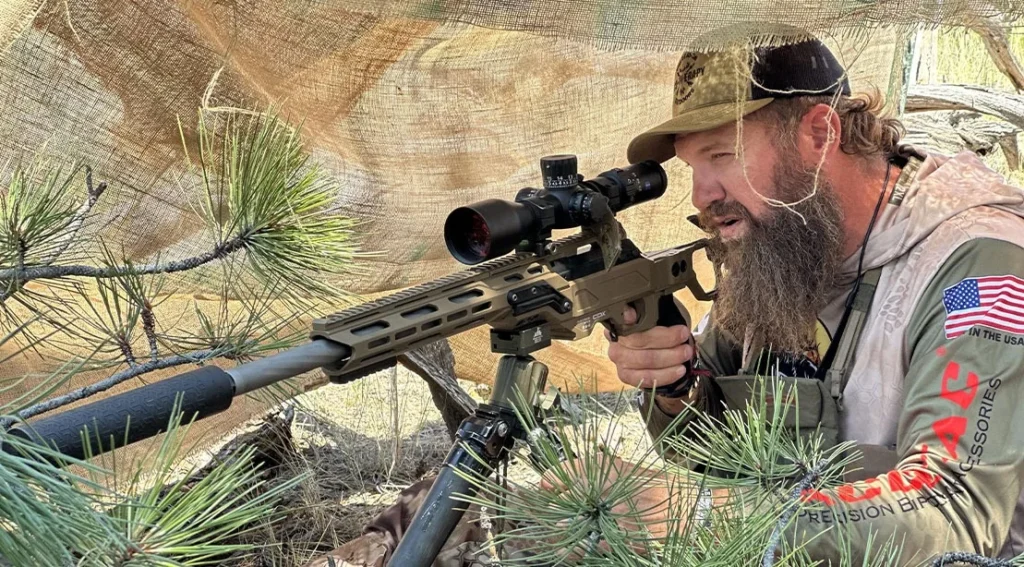

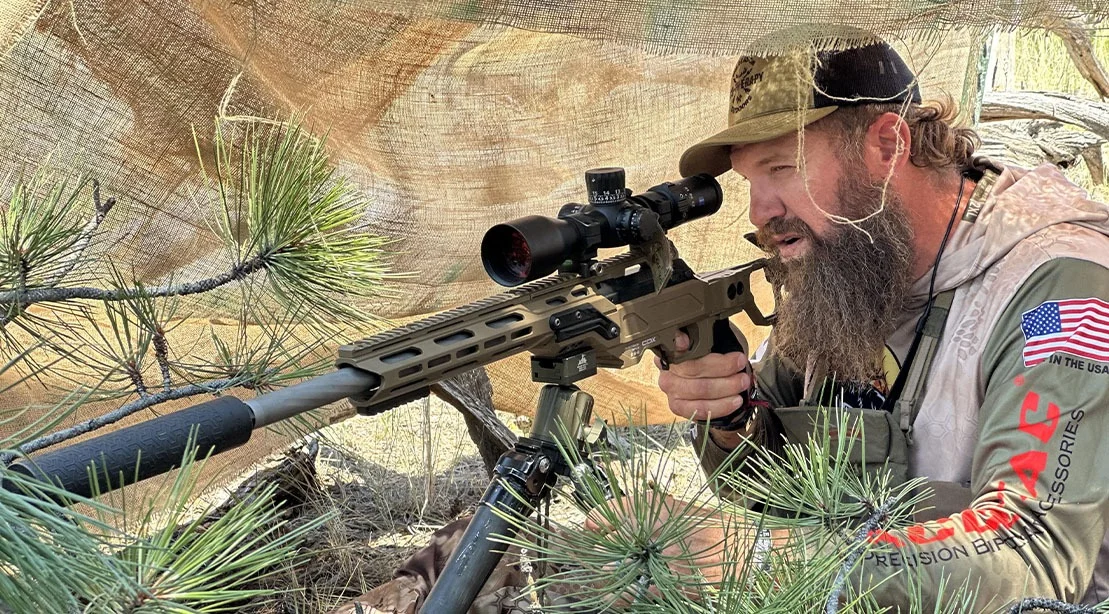
For many who serve in the military or step up as first responders, taking off the uniform is only the beginning of a complex, often silent battle. The pressures of high-stakes service, the sudden absence of a mission-driven structure, and the invisible weight of trauma can leave individuals searching for a renewed sense of purpose. Enter The Reason Outdoors, an organization founded with a singular, vital mission: to take veterans, first responders, and their children on immersive outdoor adventures like hunting and fishing, offering positive, life-enhancing experiences that go far beyond recreation.
The organization was established by three veterans—Ryan Kuperus, Tony Cowden, and Andrew Somplasky—who understood firsthand the unique struggles tied to a life of service. Kuperus, who serves as the President of The Reason Outdoors, often reflects on how deeply the organization’s mission impacts him as well. For Kuperus and his co-founders, the work is not merely a charitable endeavor; it is an extension of their own healing journeys and an ongoing commitment to the community they swore to protect.
“I really take pride in seeing veterans and first responders and especially their kids harvest their first animal to see that joy and happiness. It’s just fantastic,” Kuperus shares, capturing the essence of why the team pours so much energy into every organized excursion.
Since its inception, The Reason Outdoors has worked with more than 300 individuals, forging bonds that far outlast a weekend trip. The relationships built around campfires and riverbanks are rooted in a shared understanding of what it means to carry the burdens of duty. Because the team members themselves have walked that exact path, they recognize the subtle signs of distress, the challenges of civilian reintegration, and the heavy questions that linger after active service ends.
Kuperus does not need to guess whether their efforts are making a difference. The proof arrives in the most direct, sobering terms imaginable. The connections forged in the field have, on multiple occasions, pulled individuals back from the brink of tragedy.
“We have had five guys tell us, ‘If it wasn’t for this hunting trip or this fishing trip, I would have put a pistol in my mouth and pulled the trigger,’” Kuperus reveals.
From the Battlefield to the Backcountry: Kuperus’s Military Career
To understand why Kuperus is so deeply dedicated to this mission, one must look back at his own formative years and extensive military career. Growing up, Kuperus stood at a crossroads familiar to many young men in rural communities. He could have chosen to follow in his father’s footsteps by taking up farming, but a deeper calling drew him toward military service. In August 2000, he made the life-altering decision to enlist in the United States Marine Corps.
That decision quickly thrust him into history. By the end of 2001, Kuperus was part of the initial wave of deployments following the September 11th terrorist attacks. By 2003, at just 20 years old, he found himself serving as a squad leader during the grueling invasion of Iraq—an experience he still regards as a defining highlight of his professional life.
“As a squad leader, that is a very respected position to be able to lead men in combat,” Kuperus reflects. “I had a guy in my squad who was 37 years old. That was pretty big for me.”
Over a career spanning more than 17 years, Kuperus’s service took him across the globe. He deployed to conflict zones and strategic locations including Iraq, Afghanistan, Japan, and the Philippines. Throughout these deployments, the physical and mental tolls mounted. In one particularly harrowing incident, a Humvee rollover left him with a broken femur and a fractured forehead. True to the relentless ethos of a Marine, Kuperus underwent rigorous rehabilitation and successfully returned to active duty, eventually deploying back to Afghanistan.
His distinguished career—marked by honors that included the Purple Heart and the Navy Commendation Medal with Valor—ultimately concluded with a medical retirement in 2017. Suddenly, a warrior who had spent nearly two decades leading others found himself searching for a new arena in which to make a tangible difference.
The seeds of his post-military calling had actually been planted years earlier during his recovery from the Humvee accident. While healing from his injuries, Kuperus took up bow hunting and discovered a profound sense of tranquility and restoration while navigating the woods. That connection to nature never faded. Following his medical retirement, he leaned even further into the outdoors by participating in organized hunts coordinated by veteran advocacy groups.
“I had the opportunity to go on a couple of Wounded Warrior hunts and Purple Heart hunts and stuff and had a great time with some awesome organizations,” Kuperus recalls.
Driven by that transformative experience, Kuperus initially launched Hunting Carolinas, a part-time guide service designed to share his passion with others. Then, in 2022, he joined forces with Cowden and Somplasky to formally establish The Reason Outdoors. For Kuperus, affectionately known as “Koup” among his peers, the organization became an invaluable source of personal renewal.
“We were off to the races,” he says. “I found healing in the outdoors, in nature, and through hunting.”
The Science Behind the Scenery
While Kuperus’s testimony is deeply personal, the psychological and physical benefits he describes are far from anecdotal. In recent years, scientific research has increasingly validated what generations of outdoorsmen and combat veterans have known intuitively around a campfire.
A pilot study published in 2013 examined the effects of outdoor recreation programs on combat veterans suffering from post-traumatic stress disorder. The findings revealed that participants experienced noticeable, statistically significant reductions in overall stress and PTSD symptoms following structured group trips in natural environments.
Beyond mental health, the physical impacts of nature are profound. A 2018 comprehensive report confirmed that regular and increased exposure to greenspaces and natural outdoor environments is directly associated with notable physiological improvements, including reductions in diastolic blood pressure, lower resting heart rates, and decreased levels of salivary cortisol, the body’s primary stress hormone.
Building a Community That Lasts
The founders of The Reason Outdoors recognize that a single weekend in the wilderness, while impactful, is only a starting point. Their approach is designed to foster long-term resilience rather than offer a temporary escape.
To achieve this, the team goes beyond simply guiding trips; they actively teach their clients foundational outdoor and harvesting skills so participants can continue pursuing these activities independently long after the organized event concludes. Furthermore, team members like Cowden maintain an active digital presence, sharing fitness routines and engaging directly with followers on social media to promote ongoing physical wellness.
By blending outdoor mentorship with physical conditioning and peer support, The Reason Outdoors is steadily cultivating a growing community. Kuperus witnesses the fruit of these efforts every time he embarks on an excursion and observes the profound shift in demeanor among the participants.
“Somebody there was feeling down before that hunt,” Kuperus notes. “Now they’ve expanded their network. The camaraderie brought the light back to their eyes, so to speak.”
Looking forward, Kuperus and the entire team remain steadfastly committed to expanding their mission. They understand firsthand how vital a strong, supportive network can be during moments of profound vulnerability. Kuperus hopes that by sharing their story, other veterans who find themselves facing dark times will be encouraged to break the silence, reach out for help, and seek out positive avenues for healing.
Maintaining optimal mental, physical, and spiritual fitness remains paramount for veterans and their families, and Kuperus stresses that acknowledging imbalances early is crucial.
“That’s probably the hardest thing for a veteran to do is to admit how dark a path they’re on,” Kuperus reflects. “So, don’t let yourself get to that point. Start by talking to somebody and get it out. That alone is a start and helps a lot.”