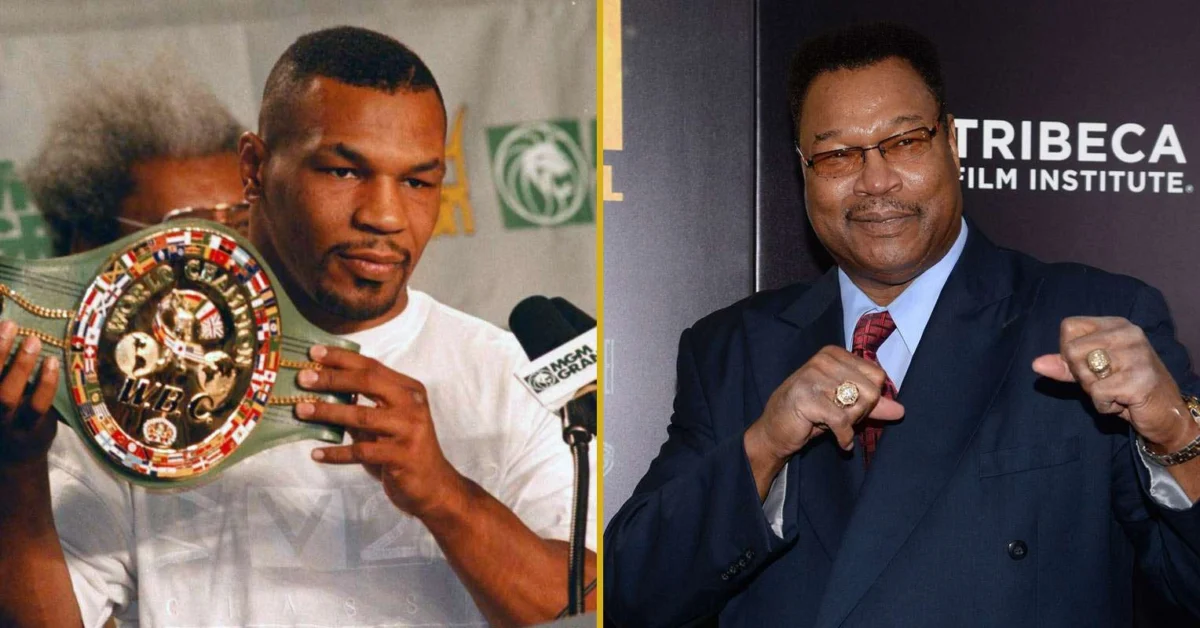
When discussing the absolute pantheon of heavyweight boxing greatness, certain names invariably dominate the conversation: Muhammad Ali, George Foreman, Joe Frazier, and Larry Holmes. Each of these iconic figures defined eras, drew millions of viewers to television screens across the globe, and pushed the limits of human endurance inside the squared circle. Among them, Larry Holmes carved out a legendary legacy all his own. Known far and wide by his ferocious moniker, "The Easton Assassin," Holmes enjoyed a phenomenal professional career that was highlighted by a remarkable, dominant seven-year reign as the world heavyweight champion between 1978 and 1985.
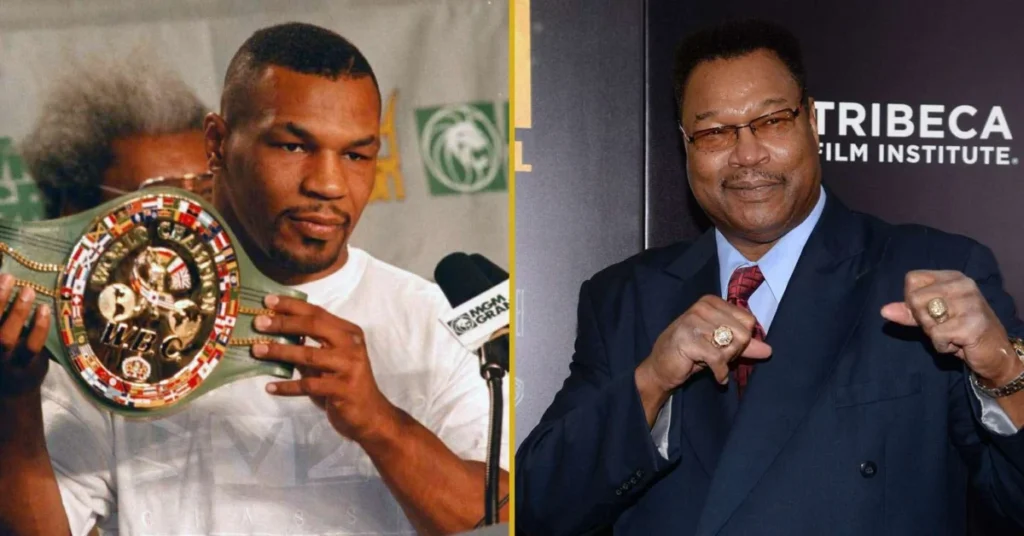
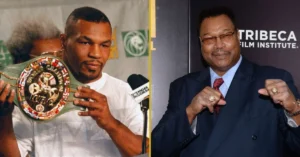
During that golden era of supremacy, Holmes successfully defended his crown against a stellar roster of boxing’s most punishing contenders. His resume includes legendary battles against heavy-hitting opponents such as the devastating puncher Earnie Shavers, the fiercely talented Tim Witherspoon, and—to the eternal frustration of Holmes himself—the man widely regarded by many historians and purists as the greatest of all time, Muhammad Ali. Yet, despite his extraordinary achievements, Holmes’s storied career also included notable chapters against the next generation of boxing superstars. One such encounter came in 1988, when he stepped into the ring to face the once-terrifying and explosive "Iron" Mike Tyson, who ultimately secured a fourth-round knockout victory over the veteran champion.
In a recent conversation with Sky Sports Boxing, Holmes reflected on his storied career, the evolving nature of the heavyweight division, and the timeless debates that endlessly fascinate fight fans. Specifically, the former champion was asked whether a prime "Iron" Mike Tyson would have been able to successfully compete and survive during that earlier, fiercely competitive golden era of heavyweights—an era defined by rugged durability, deep talent pools, and relentless pressure fighters like "Smokin’" Joe Frazier. Holmes did not mince words when evaluating Tyson’s hypothetical prospects against the titans of the 1970s. Rather than viewing Tyson as an insurmountable force across all eras, Holmes pointed directly to a stylistic kryptonite that would have changed the outcome entirely.
Offering his expert assessment to Sky Sports Boxing, Holmes stated, "I ain’t knocking Mike Tyson, no [he wouldn’t survive in that era]. Joe Frazier would beat him up at his own style. Joe liked guys like that."
This candid evaluation immediately turns the spotlight onto Joe Frazier, a man cemented in boxing folklore as one of the most ferocious and relentless pressure fighters the sport has ever witnessed. Frazier’s fighting philosophy was built upon relentless forward momentum, an extraordinary work rate, suffocating inside defense, and a devastating left hook that could alter the course of a fight in a single fraction of a second. It was this exact style that allowed Frazier to carve his name into history on March 8, 1971, when he squared off against Muhammad Ali in what universally became known as the "Fight of the Century." In that monumental clash, Frazier achieved a feat that no other fighter had managed before, handing Ali the first professional defeat of his legendary career by securing a definitive unanimous decision after fifteen brutal rounds. Although Ali would eventually extract a measure of revenge by winning their subsequent two encounters in 1974 and 1975—including the legendary "Thrilla in Manila"—Frazier’s place among the elite immortals of the sport was forever secured.
However, the grueling nature of Frazier’s career and the punishing wars he waged inside the ring took a heavy toll on his physical well-being. Following a devastating defeat at the hands of the fearsome George Foreman in 1976, Frazier made the decision to step away from the sport, initiating a five-year hiatus from professional boxing. He eventually attempted a comeback in 1981, stepping back into the ring to face Floyd Cummings. The bout resulted in an underwhelming draw, leading "Smokin’ Joe" to recognize that his championship days were behind him and prompting him to officially draw the curtain on his illustrious career for good.
Away from the spotlight of the athletic commissions and training camps, Frazier lived a dignified life while remaining a revered ambassador for the sport he helped shape. In his later years, he faced a long, brave, and deeply challenging battle against cancer. Tragically, the fighting icon passed away in November 2011 at the age of 67, leaving behind a legacy that continues to be studied, celebrated, and debated by boxing enthusiasts, historians, and former champions alike.