

ager, the Peptide Boom Brings Both Promise and Unseen Risks
In the winter of 1922, a 14-year-old boy weighed a perilous 65 pounds, ravaged by juvenile diabetes at a time when a diagnosis of the disease was effectively a terminal sentence. His doctor instructed him to prepare for the end. Then came a revolutionary medical intervention: an injection of a newly isolated molecule extracted from an animal pancreas. That molecule was insulin, and it granted the boy another 13 years of life, while simultaneously ushering in modern endocrinology and laying the groundwork for an entire class of biological compounds known today as peptides.
Nearly a centurylong evolution later, those foundational discoveries have given rise to a booming digital marketplace. Today, thousands of consumers purchase modified peptides online for everything from athletic recovery to anti-aging and weight management. Yet, as the popularity of these compounds surges, medical professionals are issuing warnings that casual use—particularly of unregulated research chemicals—carries hidden dangers, including potential cardiovascular strain.
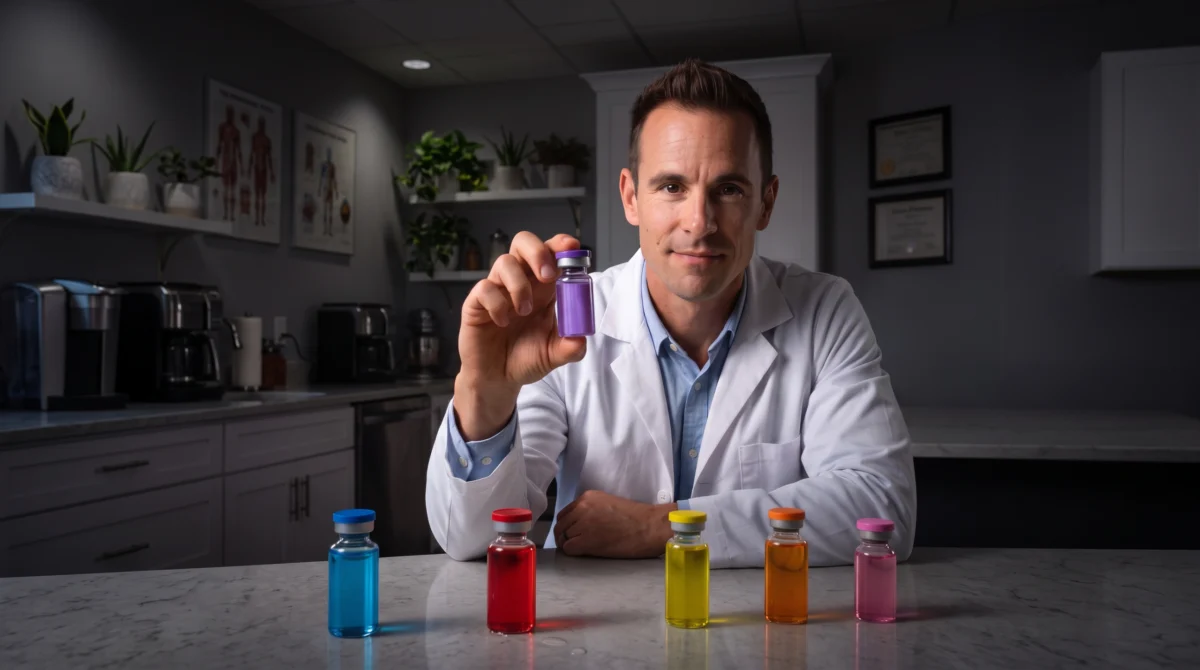
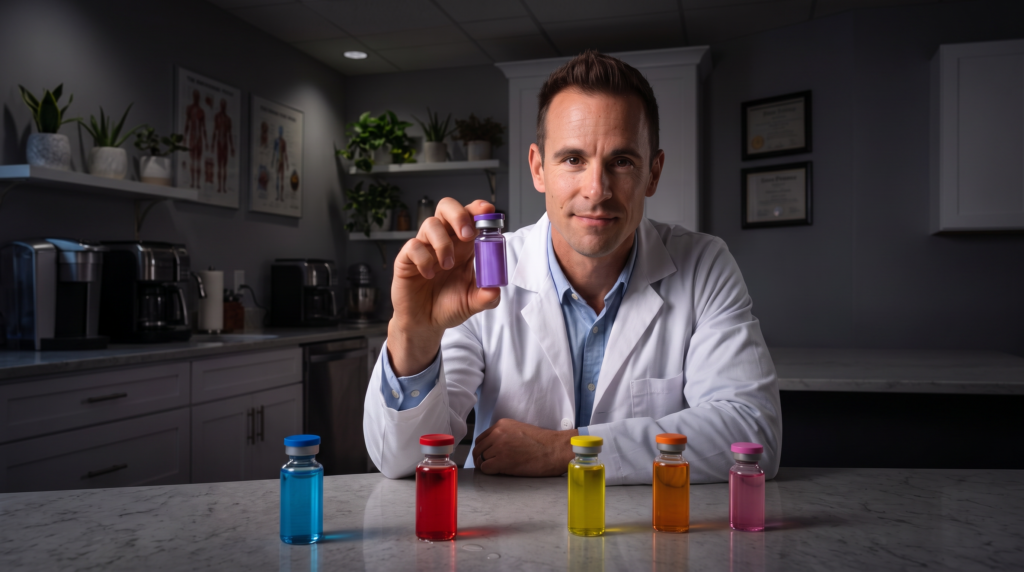
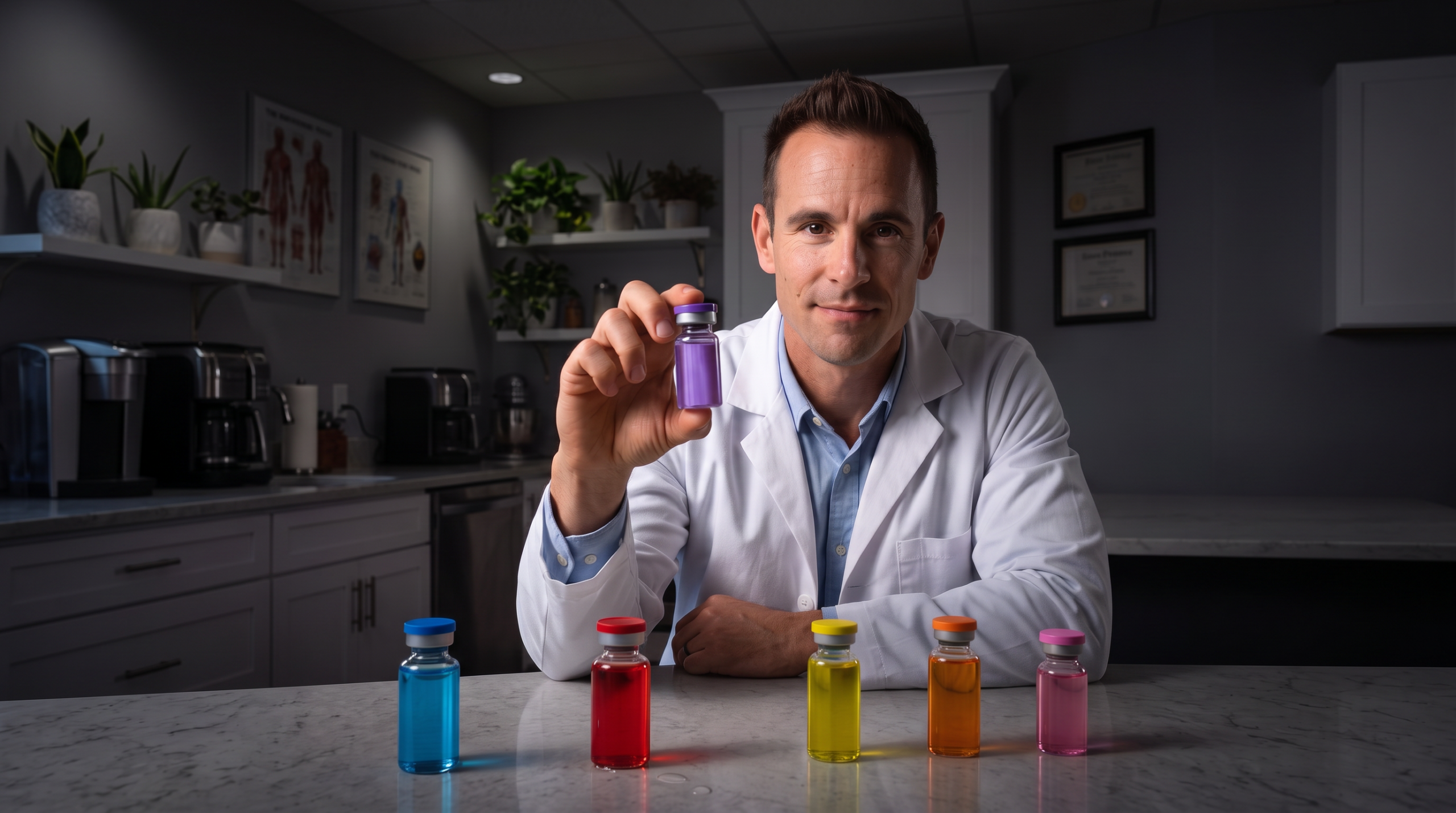
The modern landscape of peptide therapy was recently broken down by Dr. Will Haas, a practitioner who states he has spent 15 years working in the field. In a detailed media briefing and video presentation, Haas outlined what he calls a "three floors" framework to help patients and consumers navigate the vast array of available compounds. While some peptides offer targeted regenerative benefits, others remain experimental research chemicals, raising urgent questions about safety, efficacy, and why a compound that works wonders for one person might be entirely wrong for another.
To understand the current craze, medical experts emphasize the need to first understand what a peptide actually is. Proteins are large, complex structures built from long chains of amino acids. A peptide is simply a shorter chain of those exact same building blocks. However, scientists point out that peptides do not merely sit in the body as structural elements; they act as biochemical messengers.
Insulin, for instance, functions by knocking on the door of a cell, signaling it to open and absorb glucose from the bloodstream. Similarly, oxytocin communicates with the brain regarding trust and social bonding. Synthetic versions of these compounds either replicate a natural biological signal or introduce a message that the human body already possesses the machinery to answer. A prominent contemporary example is semaglutide, which mimics GLP-1, a natural gut hormone that signals satiety to the brain, effectively telling the body that it is full.
Despite this biological familiarity, practitioners stress a critical caveat: just because the human body recognizes a signal does not mean that specific signal is appropriate for an individual’s current physiological state. Each peptide delivers its message to a distinct tier of biological organization. Missing that target tier can result in the selection of a compound that is powerful and popular, yet entirely useless for a specific health issue.
To clarify this hierarchy, Haas utilizes the metaphor of a multi-story building, dividing peptide applications into three distinct levels: cells, tissues, and whole body systems.
At the foundation lies the cellular level, home to mitochondria—the microscopic power plants inside cells that convert nutrients into adenosine triphosphate, or ATP. As people age, and under the influence of chronic stress and environmental toxins, mitochondrial function naturally declines, causing every organ system they power to slow down as well. This cellular deterioration is where aging quietly begins, yet it remains the level that most consumers overlook when seeking quick fixes. While researchers study specific peptides aimed at supporting mitochondrial health, medical authorities note that much of the supporting data relies on animal models, meaning human clinical evidence remains in its early stages and should be viewed as promising rather than definitively proven.
The second tier of the framework addresses tissue repair. Medical professionals often pose a fundamental question: why does a simple paper cut heal entirely within three days, while a torn tendon can cause pain for years? The answer largely comes down to blood supply. Tendons, ligaments, and cartilage receive minimal vascular circulation, causing them to mend exceptionally slowly. This second floor of peptide therapy targets stalled injuries, inflamed gut linings, and degrading connective tissue.
Among the most discussed compounds in this category is BPC-157, which was originally identified from a protective protein found in human gastric juice. It has been associated in preliminary literature with the repair of gut linings, tendons, ligaments, and nerves, leading some specialists to describe its early data as among the strongest in the peptide field. Alongside it, compounds like TB-500 and GHK-Cu are often utilized for localized tissue recovery. Experts emphasize, however, that these substances generally act locally rather than systemically, making them suitable for specific injuries rather than broad, whole-body transformations.
The third and highest tier encompasses whole-system signals, which include systemic hormones, metabolic regulators, and nervous system pathways. This level generates the most consumer interest, particularly regarding weight management and cognitive enhancement, but it also harbors the greatest potential for misuse.
Within metabolic signaling, the history of the category traces back to unexpected origins. The first GLP-1 receptor agonist drugs were developed following the discovery of similar peptides in the venom of the Gila monster, a venomous lizard native to the southwestern United States. Modern derivatives engage multiple metabolic receptors simultaneously, initiating complex physiological conversations with the body’s energy regulation systems. Meanwhile, nervous system peptides represent a major frontier by targeting neurotrophic pathways, particularly brain-derived neurotrophic factor, or BDNF, a key signal involved in neuroplasticity and cognitive repair. Because many of these advanced compounds remain early-stage research chemicals or lack broad regulatory approval for general clinical use, specialists urge extreme caution.
The most common trap in modern peptide usage, according to practitioners, is the tendency to jump straight to the penthouse. Because weight loss and cognitive enhancement dominate media headlines, individuals frequently attempt to begin their regimens with advanced, high-level systemic peptides. Yet clinical specialists warn that if the underlying biological foundation is compromised, attempting a high-level renovation is counterproductive.
Haas recounts encountering patients who present as textbook candidates for weight-loss compounds due to low energy and sluggish metabolism, but comprehensive diagnostic evaluations reveal that their primary dysfunctions reside much lower, at the cellular level. In many cases, the biological floor that attracts the most public attention is not the one the body actually requires first.
To address these complexities, specialized wellness clinics typically mandate comprehensive diagnostic evaluations—including detailed blood panels, thorough hormonal assessments, and inflammatory marker testing—before considering any targeted interventions. As interest in peptide therapies continues to expand across digital platforms and wellness communities, medical professionals maintain that understanding the underlying biology, respecting the hierarchy of bodily systems, and relying on rigorous clinical data remain essential safeguards against unintended health risks.