

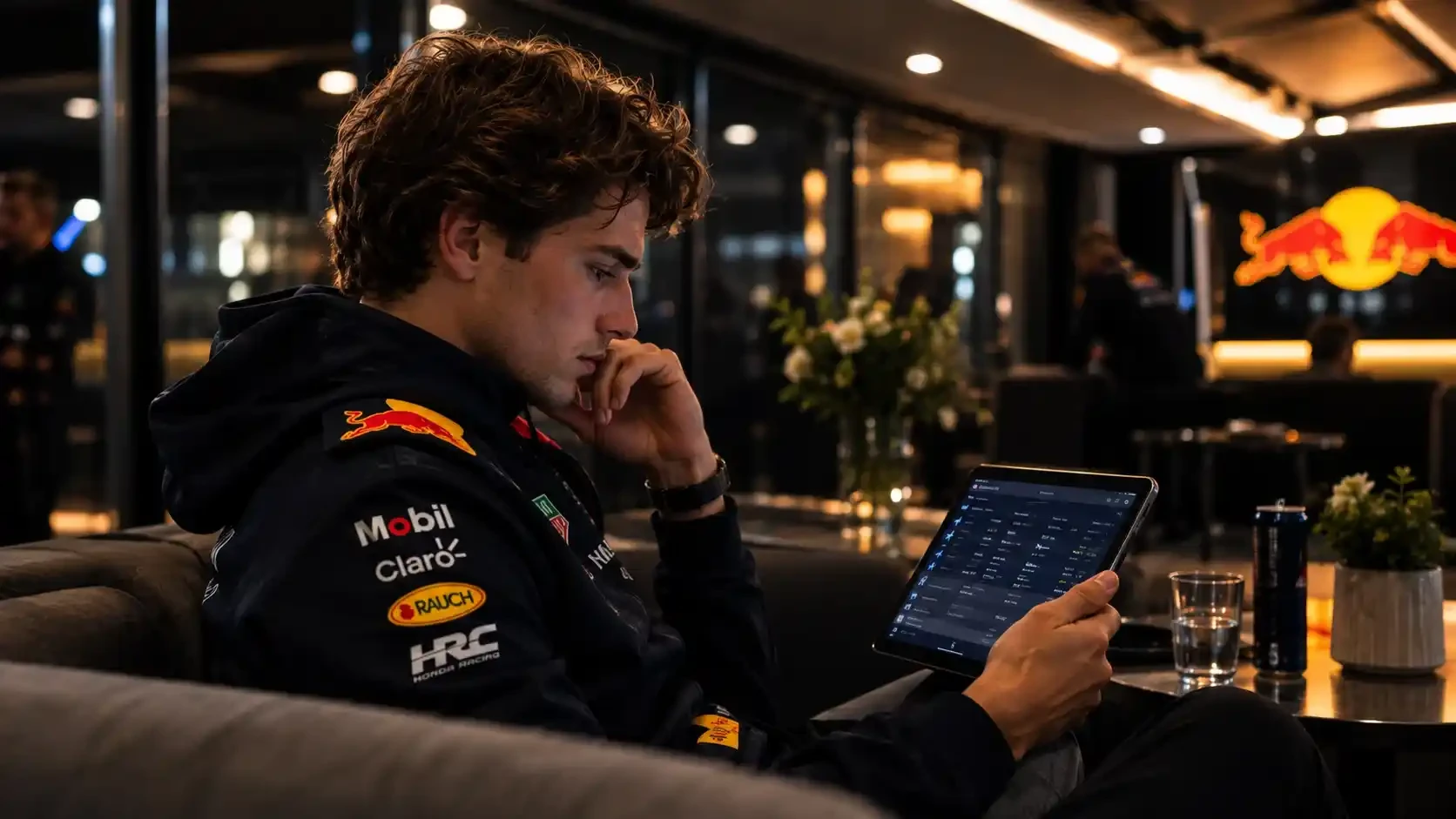
In the modern era of global sports, elite athletes are subjected to a logistical and physiological treadmill that continually defies human evolution. From NBA teams embarking on grueling, cross-country road trips across multiple U.S. time zones to Formula 1 drivers flying between back-to-back races on opposite sides of the planet within a single span of seven days, the human body is constantly pushed far past its natural evolutionary limits. At the very heart of athletic performance under these extreme conditions lies the circadian rhythm—our internal 24-hour biological clock. When this delicate clock is violently disrupted by rapid, long-haul travel, athletes experience severe circadian jet lag, a complex condition that impairs reaction times, disrupts critical sleep architecture, and significantly elevates injury risks. To maintain peak competitiveness, professional sports franchises no longer leave recovery to chance; instead, they employ sophisticated, science-backed protocols to hack and realign their biological clocks before the lights turn on and the competition begins.
The Science of Circadian Disruption and Athletic Performance
The human circadian rhythm regulates an immense array of vital physiological processes, ranging from core body temperature and hormone production to cardiovascular efficiency and absolute muscular strength. Deep within the brain, a specialized cluster of cells known as the suprachiasmatic nucleus acts as the master pacemaker, synchronizing bodily functions precisely with the natural environmental cycle of light and darkness. When an athlete boards an aircraft and flies rapidly across several time zones, their internal biological clock remains stubbornly synchronized with their departure point, creating a profound mismatch known in sports science as circadian desynchronization.
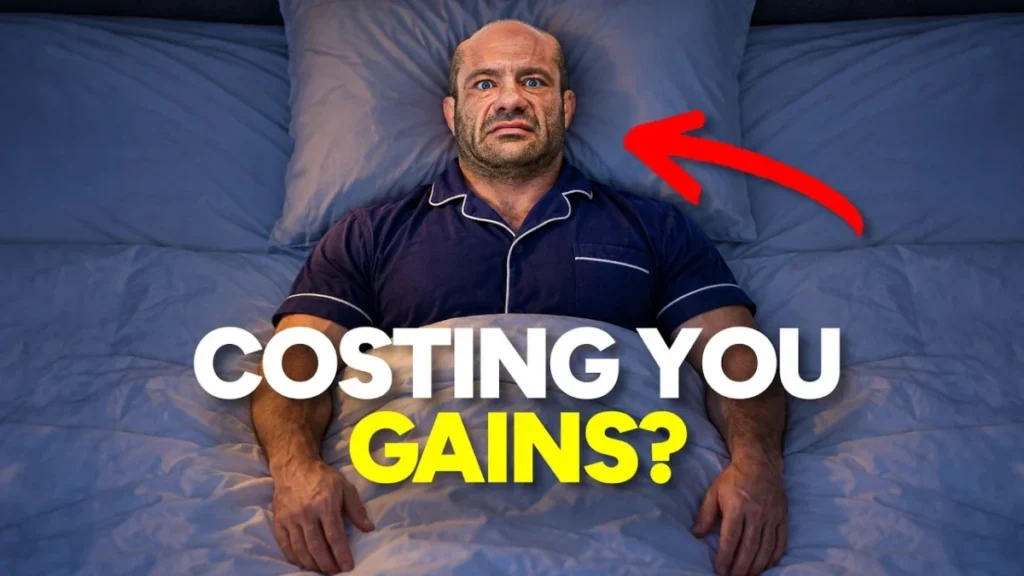
From a strict physiological standpoint, competing while suffering from severe jet lag is remarkably comparable to playing under the influence of acute cognitive fatigue. Comprehensive studies on elite athletic performance demonstrate that circadian misalignment leads directly to reduced explosive power, slower reaction times, impaired decision-making under intense pressure, and a noticeably suppressed immune system. Furthermore, because different internal organs adapt to new time zones at widely varying rates—for instance, the liver might adjust within a couple of days while the brain takes nearly a full week to catch up—athletes frequently find themselves competing while their internal systems are fundamentally out of sync with one another.
Cutting-Edge Strategies Used by Elite Teams
To accelerate biological adaptation and effectively mitigate the steep performance drop-off associated with jet lag, modern sports scientists, medical professionals, and sleep strategists implement precise, multi-layered protocols designed to trick the body into adapting ahead of schedule.
Light remains the single most powerful zeitgeber, or time giver, for the human biological clock. Teams now utilize specialized wearable devices and high-lux light therapy glasses either to suppress melatonin production and delay sleep phases when traveling west, or to actively advance the circadian rhythm when traveling east into earlier time zones.
Under strict medical supervision, carefully measured doses of melatonin are administered at strategic times during transit to chemically signal to the brain that it is finally time to wind down, helping athletes fall asleep despite an erratic internal clock.
For major championship events or crucial finals, franchises frequently begin shifting their players’ sleeping, eating, and training schedules by one to two hours per day several days before departure, effectively pre-adapting their bodies to the destination time zone before their wheels even leave the runway.
Finally, specialized nutritional plans and targeted hydration strategies are deployed during long-haul flights to support digestion and reduce inflammatory responses, ensuring that athletes avoid heavy meals during what would be their biological nighttime hours.
Mental Decompression and the Challenge of Hyper-Mobility
While rigorous physical protocols directly address the biological clock, the psychological toll of constant travel and high-stakes competition requires an equal amount of professional attention. The relentless pressure of media obligations, sponsor events, and tight race or game schedules leaves modern athletes with very little genuine mental downtime. When cortisol and adrenaline remain chronically elevated due to the cumulative stress of continuous travel, falling asleep quickly in an unfamiliar hotel room becomes a major hurdle.
Athletes frequently require distinct mental boundaries to detach successfully from the high-stress environment of global travel and performance anxiety. Many find relief in brief, low-stakes cognitive resets—such as engaging in a casual, relaxing digital distraction at a crypto casino—to completely clear their minds from the exhaustion of transit before attempting to rest. Giving the brain a simple, neutral focus helps lower overall arousal levels and allows the natural sleep-wake cycle to readjust far more smoothly.
Turning Biological Resilience Into a Competitive Edge
In the ruthless world of elite sports, the margins between winning and losing are perpetually razor-thin, and the team that adapts the fastest to a new time zone often holds an invisible yet decisive advantage. By treating circadian alignment as a core component of overall athletic training rather than an afterthought, modern NBA and Formula 1 teams protect their athletes’ long-term health and ensure peak execution when it matters most. Mastering the biological clock has officially become just as important as mastering the playbook or tuning the race car.