
For millions of sports enthusiasts, the primary barrier to entry in the sweet science has never been a lack of physical capability, but rather a lack of local access. When aspiring fighters find themselves without a nearby gym, a qualified coach, or even a single training partner, the traditional path to learning boxing effectively hits a brick wall. However, a growing grassroots movement among fitness hobbyists demonstrates that building a thriving boxing community from scratch requires little more than an open space, a willing partner, and a shared passion for the sport.
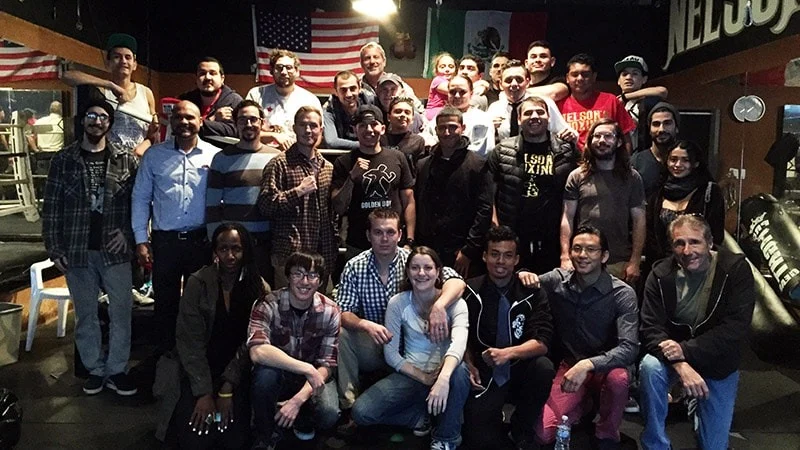
Veterans of independent sports organizing point out that launching an informal training group is not only entirely achievable, but often yields a level of camaraderie and personal freedom rarely found in commercial fitness centers. Long-term organizers who have grown independent clubs from humble two-person meetups into networks boasting hundreds of members note that the environment fosters lifelong friendships, with community bonds often extending well beyond the training floor. Rather than navigating the rigid structures and corporate fees of established commercial franchises, founders of independent clubs retain complete control over the atmosphere, pacing, and culture of their sessions.
The foundation of any such community invariably begins with self-education and immersion in the sport. Long before formal coaching credentials or commercial real estate come into play, prospective organizers often leverage digital resources, instructional media, and historical literature to build a deep appreciation for boxing. Experienced trainers emphasize the importance of maintaining an open mind during this foundational phase. Newcomers frequently fall into the trap of trying to emulate a single iconic fighter, such as Mike Tyson or Floyd Mayweather, which can inadvertently stunt an individual’s athletic development. By studying diverse styles and understanding the rich cultural history of boxing—including its profound influence on music, politics, and broader popular culture—founders establish the intellectual and passionate bedrock needed to inspire others.
Once the initial knowledge base is secured, the logistical hurdle of finding a training partner proves remarkably straightforward. Organizers stress that any able-bodied individual willing to try out the sport is sufficient to begin. Similarity in size or baseline fitness is advantageous but ultimately secondary to mutual safety and enthusiasm. With a partner in place, establishing a consistent schedule—a designated time and place where both participants can reliably meet—transforms a casual idea into a recurring habit.
Choosing the right training venue requires creative thinking, as virtually any location with adequate space can serve as a temporary ring. Organizers often weigh the distinct advantages of public versus private spaces. Selecting a local park or public area can initially feel daunting, but public visibility frequently acts as an organic recruitment tool. Passersby often stop to observe, ask questions, and eventually join future sessions. Conversely, private locations offer controlled atmospheres where participants can dictate their own musical accompaniment, maintain privacy, and conduct pad work or light training without drawing unintended concern from onlookers who might misunderstand the nature of the sport.
Timing and frequency are critical components in sustaining momentum. While weekends are popular for youth activities, organizers note that high school and college-aged participants often use weekends for social engagements, making mid-week evening sessions between Monday and Thursday ideal. Furthermore, aligning training schedules with opportunities for communal dining—such as grabbing a meal together immediately following a session—accelerates the formation of genuine social ties. To prevent burnout, founders routinely recommend limiting formal structured meetups to a single day per week initially, ensuring that training remains an eagerly anticipated hobby rather than an exhausting chore. Emphasizing enjoyment over punishing intensity prevents early attrition, as participants who are pressured to hit maximal exertion immediately are statistically far more likely to quit.
As a group transitions from an isolated pair to a cohesive unit, acquiring equipment becomes an organic, gradual process. Beginning with basic essentials, clubs often accumulate gear over time through secondhand purchases or donated equipment that community members no longer use. Sharing progress through digital channels and social media further accelerates growth. By highlighting the accessibility and fun of the workouts—while deliberately avoiding hyper-aggressive sparring footage that might intimidate novices—founders can successfully demystify the sport for curious onlookers.
Maintaining momentum ultimately depends on inclusive culture-building and community engagement. Successful independent clubs actively welcome participants from diverse backgrounds, athletic abilities, and body types while actively screening out overly aggressive or disruptive individuals. Over time, as groups expand beyond their initial core membership, natural leaders emerge to help manage specialized aspects of the training environment. Whether members are actively working out, capturing media content, handling equipment, or simply managing the social atmosphere, engaging every attendee ensures the community remains vibrant, sustainable, and deeply connected.