


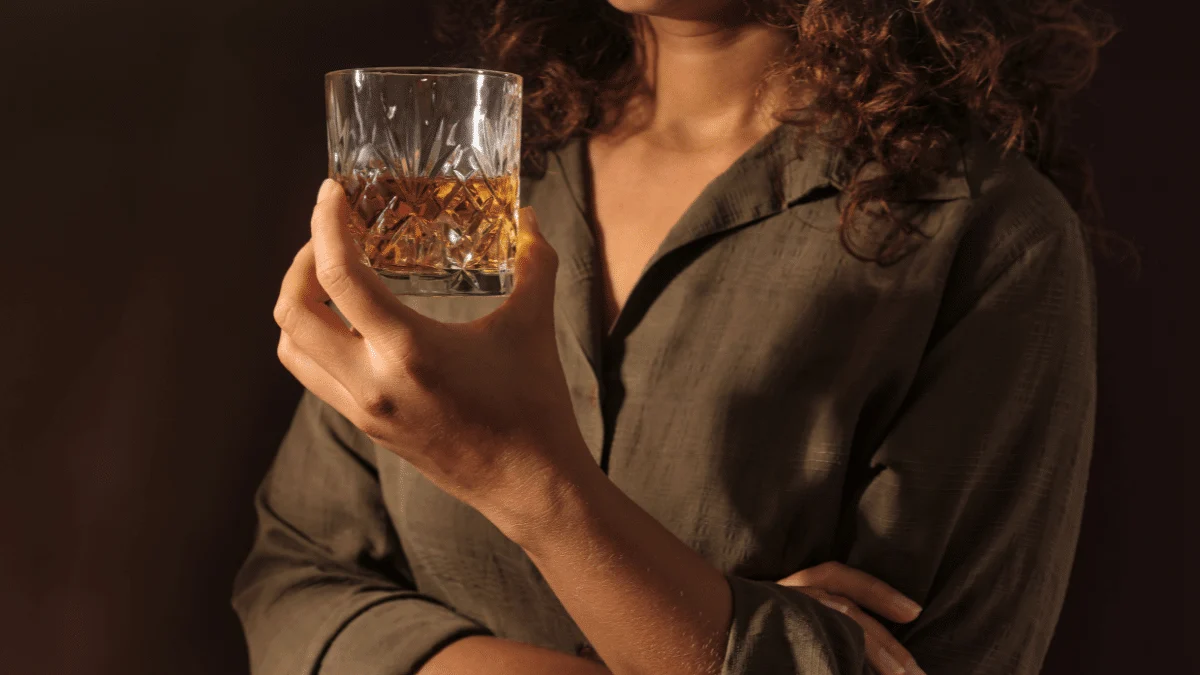
For generations, society has clung to a comforting health adage: that a modest glass of wine with dinner or a casual pint might actually be good for the heart. For individuals raised in cultures where alcohol is deeply embedded in daily life, this narrative offered a welcome justification for tradition. Growing up on the island of Crete, alcohol was woven into the very fabric of daily existence. From joyous celebrations and ancestral customs where drinking served as a gesture of respect, to the long-standing family tradition of producing homemade wine for decades, the presence of alcohol was ubiquitous. Across family dinners and casual conversations regarding health and longevity, the refrain was always the same—that a little alcohol could be good for you.
Yet, as modern science continues to interrogate long-held beliefs, a fundamental question emerges: is that protective effect a physiological reality, or simply something people desperately want to believe?
For decades, the idea that light drinking offered cardiovascular benefits gained traction thanks to observational studies suggesting a J-shaped curve. These studies posited that individuals who consumed low amounts of alcohol had a lower risk of cardiovascular disease compared to both heavy drinkers and absolute abstainers. However, recent scientific scrutiny reveals that this reassuring narrative collapses entirely once researchers properly account for confounding lifestyle factors.
A massive UK Biobank analysis encompassing more than 300,000 individuals utilized a sophisticated genetic approach known as nonlinear Mendelian randomization to untangle the true relationship between alcohol and cardiovascular health. The findings challenge the foundational premises of the J-shaped curve. When researchers adjusted for crucial lifestyle variables—such as smoking habits, body mass index, physical activity levels, vegetable consumption, red meat intake, and self-reported health status—the supposed cardioprotective effects of light alcohol consumption seemed to vanish completely.
Instead, the data indicated that all levels of alcohol consumption were associated with an elevated risk of cardiovascular issues. Light alcohol intake demonstrated minor increases in risk, while heavier consumption produced exponential increases in the likelihood of developing hypertension and coronary artery disease. Beyond the heart, the genetic data painted a broader picture of physiological stress. Alcohol intake was shown to increase blood pressure, low-density lipoprotein cholesterol, and gamma-glutamyl transferase, a key clinical marker of alcohol-related liver stress. Crucially, all of these adverse physiological changes worsened in a dose-dependent, nonlinear fashion.
This pattern of net-negative outcomes is not restricted to cardiovascular and metabolic health; it extends directly into the realm of physical performance, strength training, and muscular adaptations. Athletes and fitness enthusiasts have long debated the occasional post-workout drink, but contemporary reviews of scientific literature offer clearer insights into how alcohol interferes with physical progress.
A comprehensive narrative review published in 2023 examined the acute and short-term impacts of alcohol consumption on physical performance indicators. The data reveals a clear dose-dependent threshold regarding strength. High alcohol doses, calculated at approximately one gram per kilogram of body weight, consistently appeared to reduce muscular strength when measured twenty-four to sixty hours after a training session. Conversely, lower alcohol doses, around half a gram per kilogram, showed no such clear detrimental effect on subsequent strength measurements.
When examining explosive power output, such as performance in a vertical jump, studies often found no meaningful differences between alcohol-consuming groups and placebo groups in the immediate aftermath. However, researchers emphasize that these observations are derived from short-term studies and do not capture the cumulative, long-term consequences of consistent drinking on overall strength and power adaptations. More critically, when looking beneath the surface at cellular mechanisms, alcohol appears to significantly reduce mTORC1 phosphorylation. This specific biological signaling pathway is responsible for initiating muscle protein synthesis, the fundamental process by which the body builds and repairs muscle tissue after resistance training.
Translating these complex physiological insights into practical, everyday application yields a clear picture. Alcohol appears to provide zero genuine cardiovascular protection. Instead, cardiovascular risks begin to climb even at low levels of intake and compound severely as consumption increases. While an occasional light drink following a training session will likely not obliterate hard-earned fitness gains, frequent or heavier drinking exerts a demonstrably negative impact on both physical recovery and critical anabolic signaling pathways.
Ultimately, enjoying a drink on occasion will not singlehandedly destroy a person’s gains or ruin their heart health. At the same time, the contemporary body of scientific evidence makes it clear that frequent or heavy drinking functions as a net negative for overall health and physical development. For those seeking deeper insights into how alcohol influences body composition, related discussions and expert analysis can be explored through specialized fitness programming like the Stronger By Science Podcast. Meanwhile, ongoing scientific summaries and practical training insights continue to be shared through resources such as the weekly Stronger By Science newsletter.