



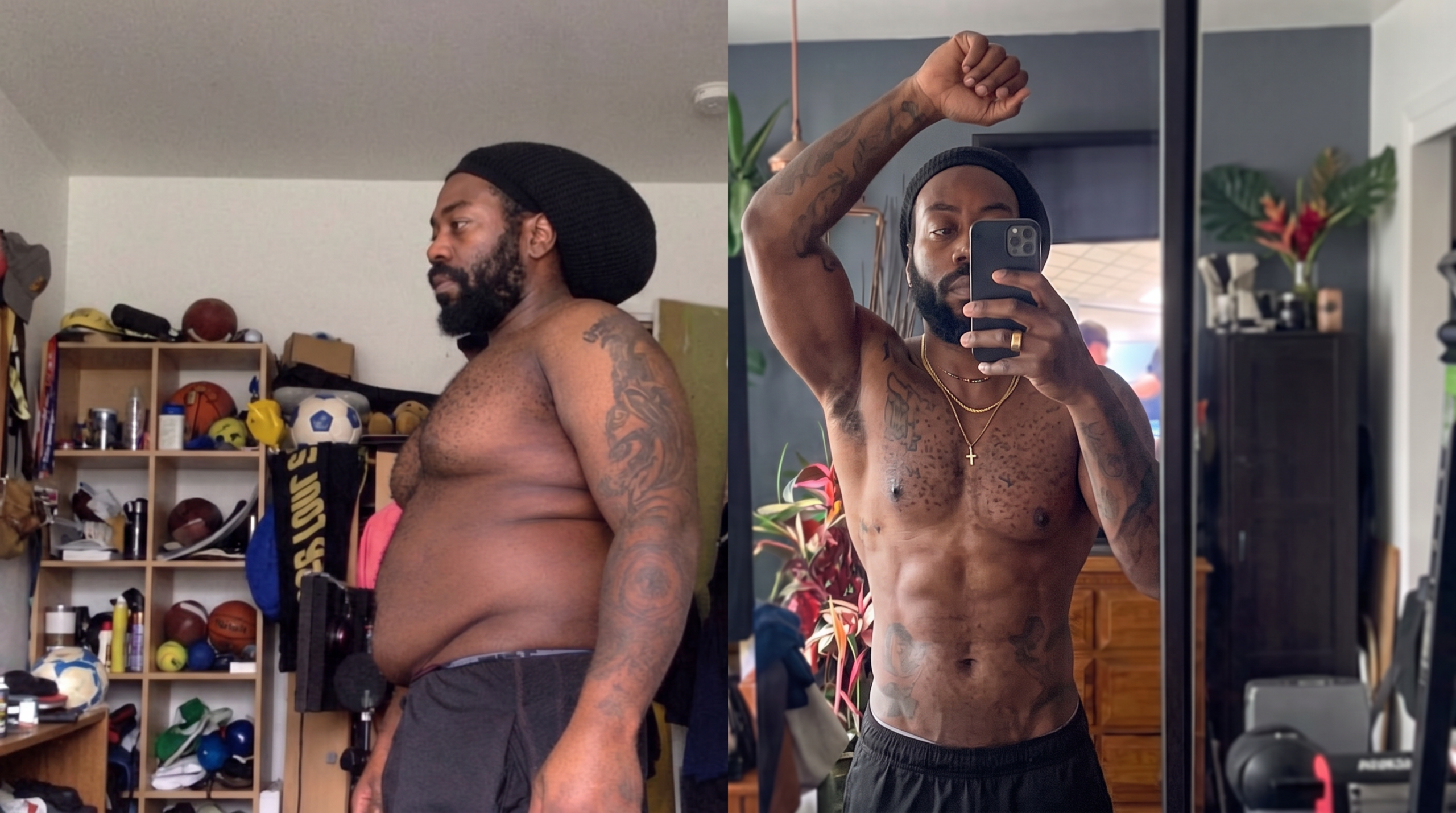
For anyone who has ever embarked on a weight-loss journey, the frustration of watching the scale drop while the midsection stubbornly refuses to change is a painfully familiar experience. It is a universal fitness hurdle that leaves many questioning their methods, cycling through aggressive routines, and ultimately wondering if a flat stomach is simply out of reach. Recently, popular fitness creator Reese opened up about this exact struggle in a candid YouTube video, detailing how belly fat refused to budge during multiple failed weight-loss attempts before he finally managed to drop over 80 pounds.
His breakthrough did not come from a secret supplement, an expensive piece of equipment, or a trending fitness hack. Instead, his years of frustration gradually crystallized into a practical checklist of habit changes—some remarkably obvious, while others highlight subtle mistakes that quietly stall progress for months on end. By analyzing what kept him spinning his wheels, Reese has provided a realistic blueprint for understanding how the body actually loses fat, why midsection fat is uniquely stubborn, and the foundational adjustments required to finally
move past a plateau.
The Core Truth Behind Stubborn Belly Fat
At the heart of Reese’s message is a fundamental physiological reality that many dieters try to bypass: fat loss still comes down to basic energy balance. Throughout his video, he repeatedly emphasizes that no amount of targeted abdominal exercises or specialized routines can alter the laws of thermodynamics.
“Remember, in order to lose fat, we know this. We need to be in a caloric deficit. We need to burn more than we consume,” Reese explains.
Compounding this challenge is the biological impossibility of spot reduction. Despite the endless marketing claims surrounding fat-burning belts, waist trainers, and targeted ab workouts, the human body simply does not allow individuals to choose where they lose fat. When a person enters a genuine caloric deficit, the body draws upon fat stores systemically, taking it from everywhere—the arms, face, legs, chest, and eventually the belly. Because of genetic predispositions and hormonal factors, the midsection is almost universally the last place the body surrenders stored fat. Understanding this principle is the first step toward dismantling unrealistic expectations and adopting a sustainable long-term strategy.
Mistake #1: Tracking Calories Only Some of the Time
One of the most significant pitfalls Reese identified in his own journey was inconsistent tracking. Like many people attempting to lose weight, he would meticulously log his food intake for a few days, only to coast on gut feeling and loose estimations for the rest of the week. Unsurprisingly, partial data produced partial results.
“When you’re inconsistent when it comes to tracking your calories, what are you going to get? Inconsistent results,” Reese notes.
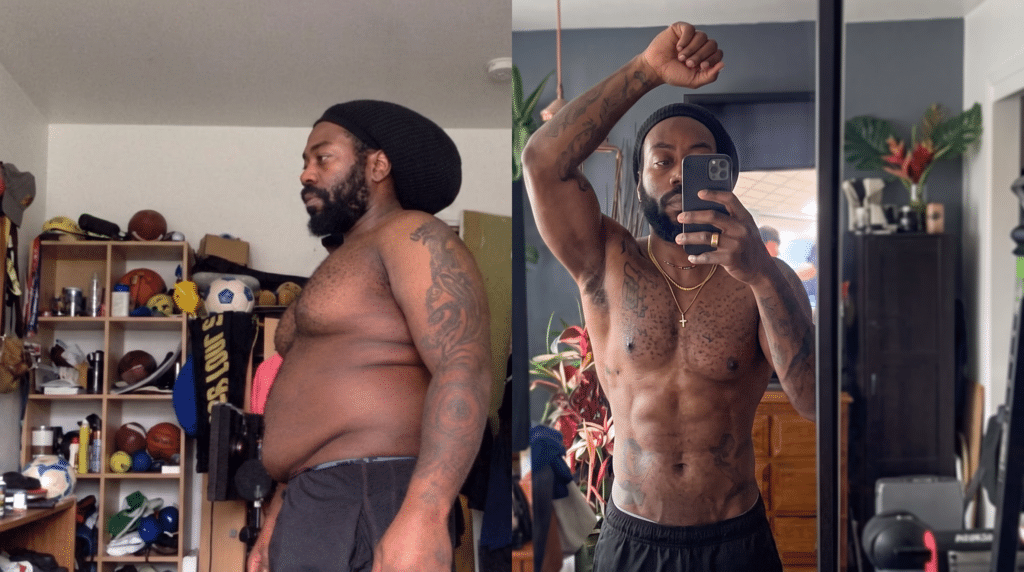
Logging meals for three days while leaving four days of complete mystery makes sustained progress nearly impossible. Relying on guesswork often leads to underestimating calorie intake and overestimating energy expenditure. To illustrate the necessity of precision, Reese offers a pragmatic financial analogy that puts the practice into perspective. He points out that if a millionaire tracks their finances meticulously to stay wealthy, society does not view that behavior as extreme or obsessive; rather, it is seen as responsible.
Portion sizes are inherently subjective, and what looks like a modest plate to one person might easily be a surplus to another. While weighing food and logging ingredients may feel tedious at first, it eliminates the guesswork. With practice, visual estimations become significantly sharper, offering beginners the greatest benefit when they commit to initial precision.
Mistake #2: Treating Cardio Like Punishment
Another major hurdle Reese faced was his relationship with cardiovascular exercise. For a long time, he operated under the assumption that sweat directly equated to success, leading him through punishing hours of unsustainable high-intensity interval training and grueling treadmill sessions.
Reflecting on that mindset, he admits, “I seem to have this idea that I needed to drown in a puddle of my own sweat in order to make progress. That’s not the case.”
He eventually realized that sustainability will always trump sheer intensity. The critical question for anyone building a workout routine is whether they can realistically maintain it week after week. Marathon-level training sessions are entirely unnecessary for shrinking a waistline or improving body composition. Furthermore, viewing exercise as the primary weapon for fat loss often backfires. Reese clarifies that cardio is merely one tool in the broader toolbox of fat loss—excellent for improving cardiovascular health and increasing weekly energy expenditure, but heavily reliant on proper diet, adequate sleep, and stress management to yield visible changes.
Mistake #3: Neglecting Sleep
While diet and exercise dominate most weight-loss conversations, lifestyle factors play a profound, albeit indirect, role in body composition. Reese admits that sleep was—and still is—an area where he struggles, yet making even modest improvements yielded noticeable benefits.
The connection between sleep deprivation and stubborn fat lies in hormonal regulation and appetite control. Shorter nights of rest are scientifically proven to amplify hunger signals and intensify cravings for highly processed, calorie-dense foods, making adherence to any dietary plan significantly more difficult.
“It’s not that getting more sleep burns belly fat, but it helps it indirectly,” Reese explains.
Rather than chasing an elusive standard of perfection, his fix was modest and achievable: consistently choosing a reasonable bedtime each night.
Mistake #4: Dodging the Scale and Tape Measure
Avoiding progress markers can feel like a harmless way to protect one’s mental health during a difficult weight-loss phase, but Reese now views the practice as a form of self-sabotage. For months, skipping weigh-ins and avoiding the tape measure allowed him to ignore reality and invent excuses for a lack of progress.
“Deep down, I knew I wasn’t doing everything I was supposed to be doing. And the number on the scale, the measurements on the tape measure, those progress pictures, it makes it real,” he reflects.
When people avoid data, weeks and months can quietly vanish without any physical change. On discouraging days, mirrors can easily deceive the eye, making regular weigh-ins and body measurements essential tools. Numbers and photos supply the cold, hard evidence necessary to evaluate whether a routine is working or needs adjustment.
Mistake #5: Expecting Fast, Straight-Line Results
Because belly fat is frequently the last area of the body to change, many people abandon their efforts just as they are beginning to make genuine physiological progress. Reese urges individuals to adopt a much broader, long-term perspective.
“Fat loss does not work in a straight line, it’s not linear. There’s ups, there’s downs. It’s going to happen. But you need to stay in the game,” he says.
Plateaus, minor weight fluctuations, and temporary disappointment when looking in the mirror are entirely normal parts of the process. Patience must be paired with consistency, though Reese is quick to clarify that consistency does not mean achieving absolute perfection. Instead of excelling in one habit while letting another slip—a pattern he fell into for years—the goal should be steady, balanced effort across the board.
Frame the entire journey around regret prevention, Reese suggests looking ahead rather than lamenting current setbacks. Time will inevitably pass whether a person commits to their health goals or remains stagnant. As he points out, realizing a year has gone by without consistency brings a familiar regret about where one could have been if they had simply stayed the course. By picking up one sustainable habit today and stacking another on top of it next week, individuals can transform their relationship with fitness and let their future selves reap the rewards.