
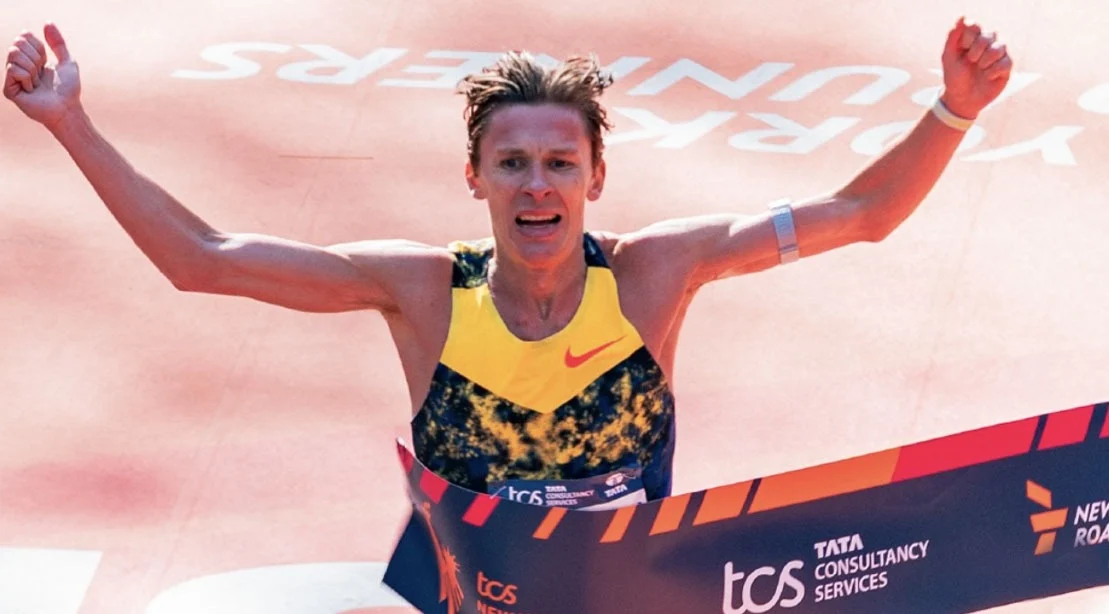
There are undoubtedly a couple of thousand ways—many of which involve a quiet morning, a steaming cup of espresso, and a comfortable armchair—to spend a crisp Sunday morning in New York City than running 26.2 miles through all five boroughs. Yet, on November 1, nearly 60,000 people chose to lace up their running shoes and take on the iconic New York City Marathon. They returned once more to a tradition that has animated the city’s streets every year since 1970.
For the thousands who participate, the motivations are as diverse as the city itself. Some are elite athletes chasing a prestigious global championship. Others are locked in a deeply personal battle against the clock, aiming for a hard-earned personal best. Then there are those who simply hope to cross the finish line before their feet decide to stage a permanent strike. The course is famously populated by runners in vibrant costumes out for a memorable morning jog, propelled forward by the legendary roar of a crowd that keeps the energy high, cheering indiscriminately for every single soul passing by, no matter who they are.
Who Won the 2026 NYC Marathon Men’s and Women’s Races?
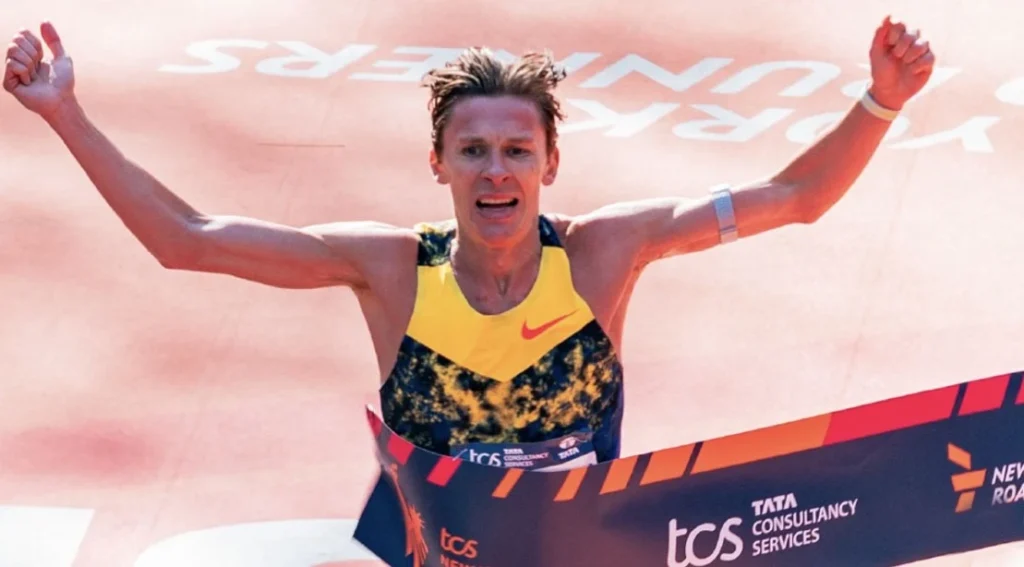
The men’s division crown was claimed by Sweden’s Andreas Almgren, who delivered a masterclass in pacing to cover the grueling course in two hours, six minutes, and one second. That victory, however, comes with a notable asterisk: this was Almgren’s very first marathon. It was not his first major race, of course; Almgren arrived in New York already established as the reigning world half-marathon champion and the European 10,000-meter champion. He had spent years meticulously developing his athletic engine on the track and shorter roads. On this particular Sunday, he simply decided to take that finely tuned machine out for its inaugural 26.2-mile test drive.
The elite men’s lead pack remained tightly clustered deep into the race, refusing to give an inch as they navigated the city’s changing terrain. Almgren exercised profound tactical patience, waiting until the final mile before making his decisive, race-winning move. Italy’s Yemaneberhan Crippa crossed the finish line in second place, trailing the winner by just thirteen seconds, while Kamohelo Mofolo of Lesotho claimed third. Meanwhile, the defending champion, Benson Kipruto of Kenya, fought valiantly to round out the top tier, ultimately finishing fourth. Securing a victory in such fashion is an extraordinary feat on any course, but it is doubly impressive on a notoriously challenging New York route defined by steep bridges, relentless rolling hills, unpredictable potholes, and enough sharp turns to easily disorient an unfamiliar runner.
A Marathon Debut, Years in the Making
Before anyone draws the casual conclusion that proper preparation can simply be bypassed, it is vital to understand what an elite "debut" truly means at this level. Almgren was not an amateur who happened to wake up on a Thursday morning and discover a passion for running shoes. He possessed world-class credentials at shorter distances, and successfully moving up to the marathon required translating an already extraordinary aerobic foundation into a completely different physiological discipline.
A marathon is not merely two half-marathons stapled together end-to-end. Critical factors such as precise fueling strategies, intelligent pacing, muscular endurance, and psychological resilience when the body inevitably begins negotiating terms of surrender around mile twenty all become paramount.
If the men’s race was a masterclass in tactical patience, the women’s race delivered an even more thrilling spectacle near the finish line. Kenya’s Sheila Chepkirui brilliantly reclaimed the New York title she had first won in 2024, breaking the tape with a winning time of two hours, 24 minutes, and 36 seconds. The defending champion, Hellen Obiri, was locked in a fierce battle at the front late in the race, but American runner Jess McClain provided the day’s most electric domestic moment. McClain charged furiously from behind in the closing meters, surging past her competitors to steal the spotlight. Chepkirui took the victory, McClain claimed a stunning second place in 2:24:42, and Obiri crossed just one second later to take third. With this performance, McClain etched her name in the history books as the first American woman to stand on the New York podium since 2018.
The excitement extended far beyond the running divisions, as the elite wheelchair races showcased breathtaking displays of upper-body power and tactical brilliance. Switzerland’s Marcel Hug captured his eighth New York title with a blistering time of 1:28:14, narrowly edging out American rival Daniel Romanchuk by a single second in a thrilling sprint finish. In the women’s wheelchair division, fellow Swiss star Catherine Debrunner dominated the field, crossing the finish line in 1:40:02 to secure a commanding victory nearly eight and a half minutes ahead of veteran champion Tatyana McFadden. Navigating the same iconic city streets, these elite athletes demonstrated an entirely different set of demands, where upper-body strength, precise equipment handling, and split-second tactical judgment command far more attention and respect than they are typically afforded.
More Than One Kind of Champion
Yet, the true magic of the New York City Marathon has always lived in the spaces between the elite time trials. Consider the remarkable journey of Mildred Baker, an 80-year-old resident of the Bronx who only took up running in her late seventies. On this Sunday, she completed her very first marathon with a time of seven hours, three minutes, and forty-nine seconds. Seven hours of relentless determination on the pavement.
Andreas Almgren is certainly not the only champion forged on the course, and that realization captures the true essence of the event. The marathon operates simultaneously as a world-championship-level knife fight at the very front of the pack and as a deeply personal, monumental expedition for those at the back, with countless unique stories traded all along the miles in between. It is entirely possible to appreciate both extremes of the human spectrum without ever pretending that they represent the exact same athletic achievement.
Ultimately, the race serves as a wonderful antidote to a certain kind of narrow-minded fitness culture: the persistent assumption that only one specific type of physical performance holds true value. In the span of a single Sunday morning, spectators witnessed a Swedish speed merchant conquer a distance he had never before raced, an American distance runner snatch a podium finish in the final breathless strides, and an 80-year-old grandmother complete a physical trial that the vast majority of the population would never even dare to start. Taken together, the event offers a breathtaking reflection of the entire definition of human fitness and endurance.