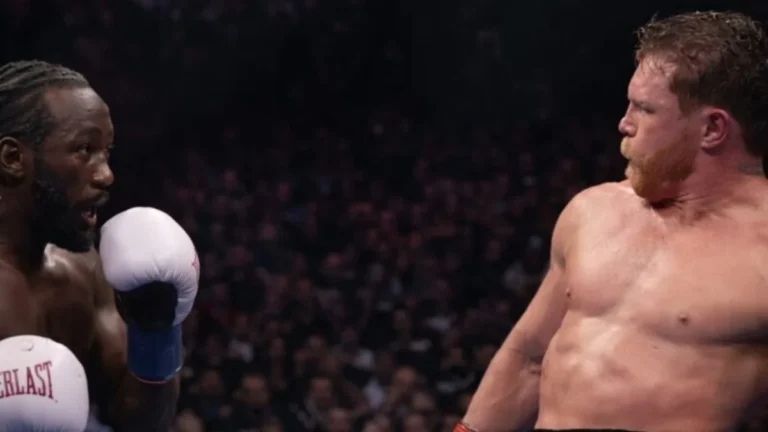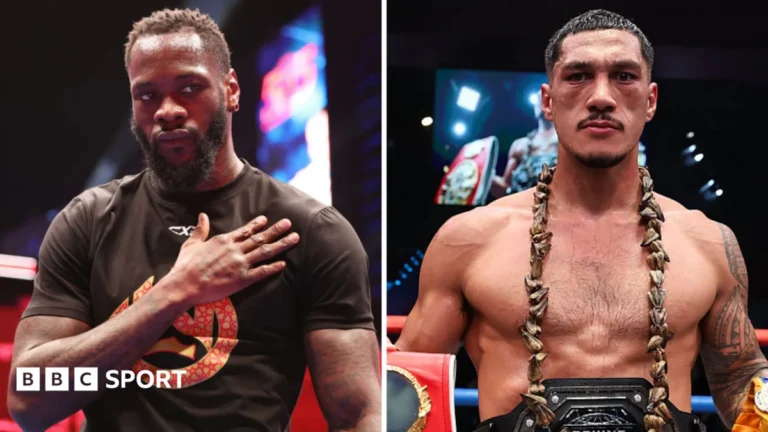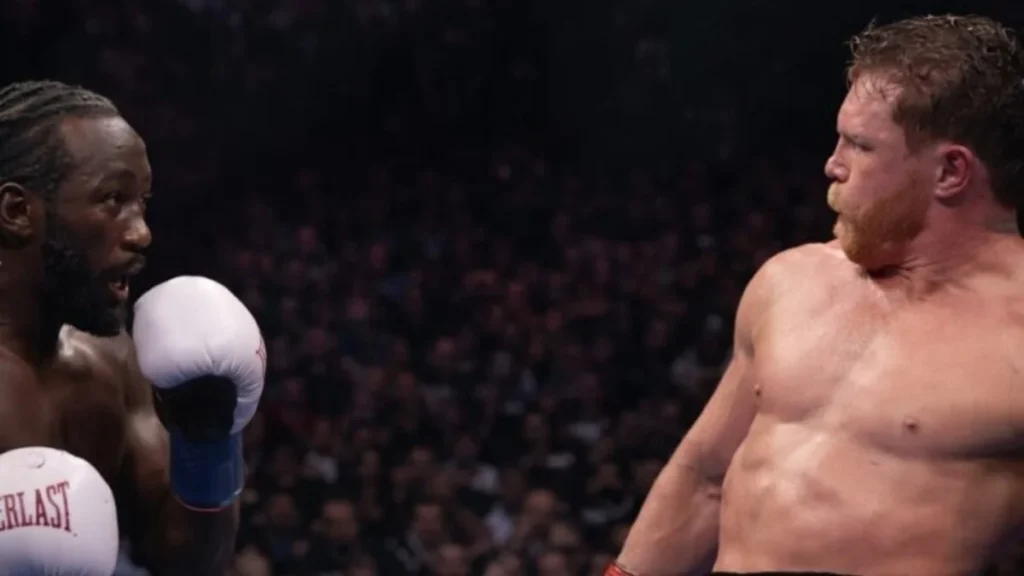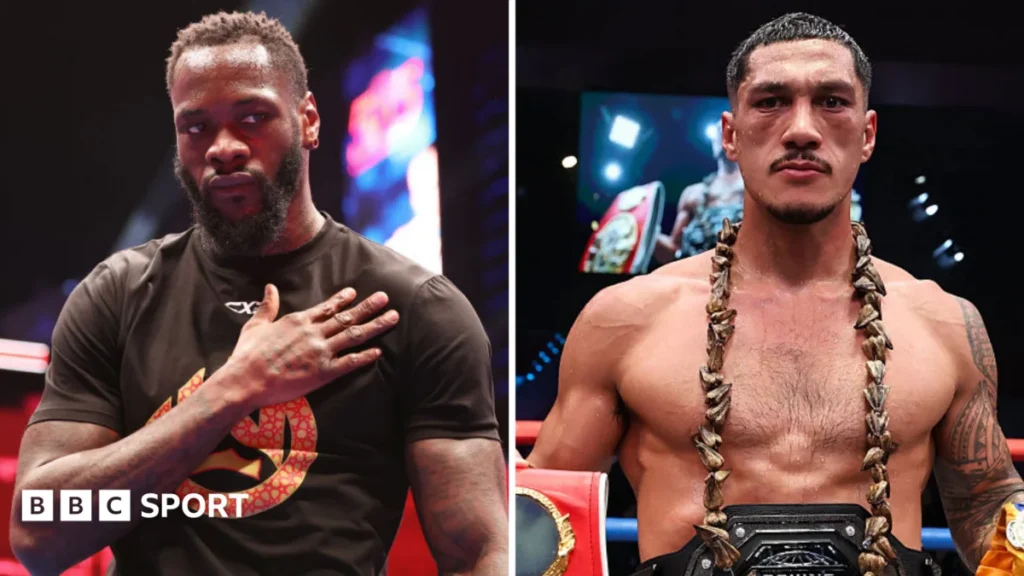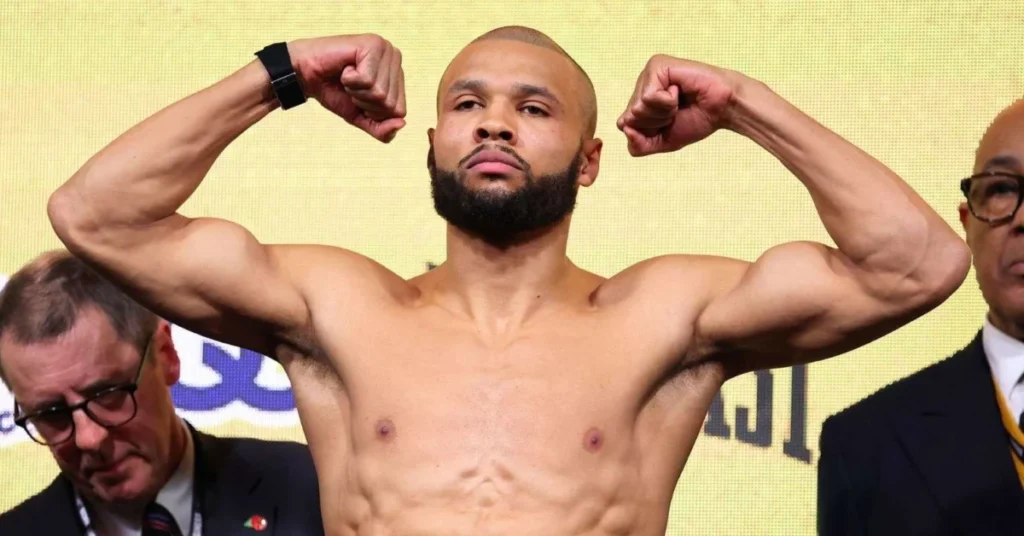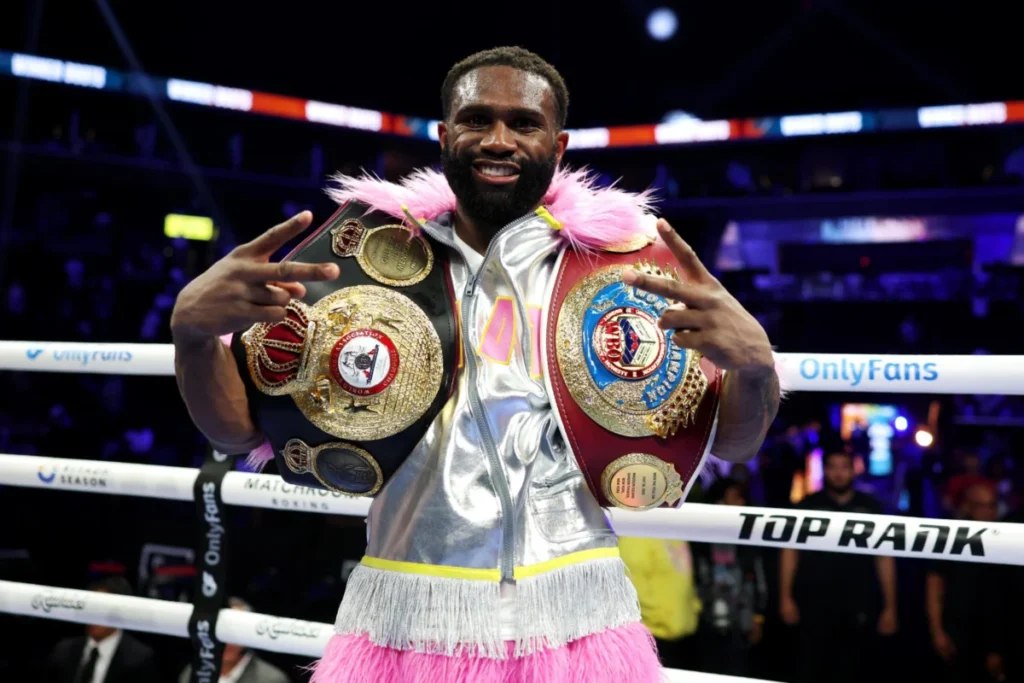



After more than a decade of false starts, endless negotiations, promotional wrangling, and social media posturing, British boxing heavyweights Tyson Fury and Anthony Joshua are finally set to square off inside the ring this December. For fans of the sport, the announcement has been met with a mixture of immense excitement and lingering skepticism. It is a matchup that has dominated boxing discourse for the better part of fifteen years, leaving enthusiasts to wonder why the sport so frequently requires agonizingly long gestation periods for its most anticipated clashes, and whether these legendary showdowns ultimately live up to the monumental expectations built during the wait.
The protracted path to the Fury-Joshua bout is far from an isolated incident in the sweet science. Boxing has a long and storied history of making fans wait year after year—sometimes even past the peak of the athletes’ primes—before delivering the bouts the public demands. To unpack the complex ecosystem behind these delays, a recent episode of the BBC World Service’s More than the Score brought together a panel of seasoned experts. Host John Bennett was joined by the BBC’s Ade Adedoyin, respected boxing journalist Steve Bunce, and former Commonwealth super-welterweight champion Stacey Copeland to examine the hype, the history, and the underlying mechanics of boxing’s most protracted rivalries.
The discussion naturally cast a lens back at other legendary, long-delayed superfights that have defined boxing history. Among the most prominent examples analyzed by the panel was the epic 2015 showdown between Floyd Mayweather Jr. and Manny Pacquiao. That bout took roughly five years of intense public demand, public posturing, and promotional friction to finally materialize. By the time Mayweather and Pacquiao finally touched gloves in Las Vegas, both fighters were past their absolute physical peaks, leaving many purists to ponder what might have been had the fight happened years earlier when both icons were operating at the absolute zenith of their powers.
Similarly, the historical precedent of Lennox Lewis facing Mike Tyson serves as another prime example of a superfight that fans had to campaign for relentlessly before it finally came to fruition in 2003, by which point Tyson was well past his most destructive years. The panel on More than the Score tackled the fundamental question at the heart of these occurrences: Is it simply in boxing’s nature to make fans wait year after year for its biggest fights to happen, and does this persistent dynamic ultimately help or hinder the sport on the global stage?
The intricacies of modern boxing promotion help explain why these delays happen with such staggering regularity. Unlike major team sports governed by a single league or commissioner, or even other individual sports with rigid ranking structures, professional boxing operates as a decentralized web of competing promotional companies, broadcasting networks, sanctioning bodies, and managers. Each stakeholder has distinct financial interests, television exclusivity deals, and risk-management strategies for their fighters. For bouts of the magnitude of Fury versus Joshua or Mayweather versus Pacquiao, the financial stakes are astronomical, involving tens or even hundreds of millions of dollars in pay-per-view revenue, gate receipts, and global sponsorships. Aligning all of these moving parts requires navigating a notoriously complex corporate labyrinth where a single disagreement over purse splits, drug-testing protocols, or venue locations can derail years of delicate diplomacy.

While the modern era of sports entertainment often moves at a lightning-fast pace—with fans accustomed to instant gratification across Formula One, mixed martial arts, Grand Slam tennis, and the Diamond League of athletics—boxing appears stuck in a different temporal dimension. Yet, the panel explored whether the very nature of these prolonged buildups paradoxically adds to the mythos of the event. When a rivalry is allowed to marinate for a decade, every twist and turn, every victory and defeat along the way, becomes part of a grand narrative. The public becomes deeply invested not just in a single athletic contest, but in the overarching drama of two titans on an inevitable collision course.
However, the detrimental effects cannot be ignored. When fights are delayed too long, the sport risks alienating casual fans who grow fatigued by the endless cycle of broken negotiations and promotional posturing. Furthermore, the tragic reality of combat sports is that fighters have notoriously short shelf lives. Delays can rob the public of seeing two athletes meet when both are entirely uncompromised by age, wear and tear, or the inevitable slips in athletic form that accompany a grueling career at the elite level.
More than the Score goes beyond the conventional scoresheet to tell compelling stories from all corners of the global sporting landscape. The production features exclusive interviews with extraordinary athletes who have reached the pinnacle of their respective disciplines, as well as the unsung experts working diligently behind the scenes. Listeners are given rare access to the minds of football super-agents, high-performance coaches charged with keeping athletes in peak physical condition, and the seasoned journalists of the BBC who share their invaluable insights accumulated from decades of covering sports at every imaginable level.
As the countdown to Tyson Fury and Anthony Joshua’s December meeting continues, the debate over the culture of boxing superfights remains as relevant as ever. Whether the December showdown proves to be a tactical masterclass, a thrilling brawl, or an anticlimactic affair after all these years, it serves as the latest chapter in boxing’s enduring struggle between business and sport.
Listeners who wish to engage with the program and share their own perspectives on the intricate politics of boxing and the culture of the superfight can reach out directly. The production team welcomes audience feedback via email at [email protected] or through WhatsApp at 0044 800 032 0470. Additional information regarding the episode, the featured guests, and the broader scope of the series can be found on the official BBC World Service website.