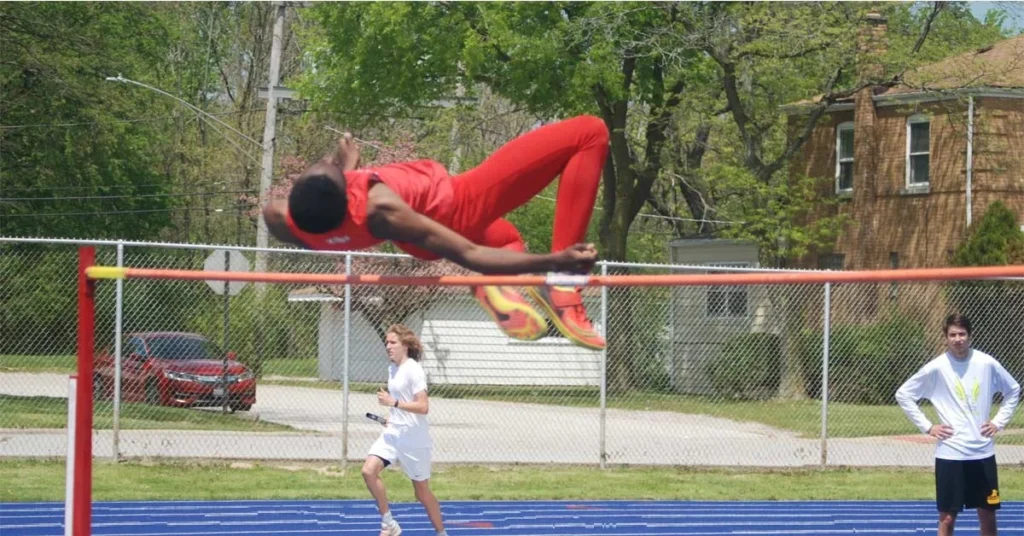


Not every muscle gets immortalized in a rap song, but the glutes certainly do more than just look good in pants. Beyond the obvious vanity benefits, a powerful backside is the ultimate engine that powers functional movement both inside and outside the weight room. While social media culture and fitness influencers often hyperfixate on the gluteus maximus, treating the backside as a single, homogenous muscle group misses the bigger picture of how the lower body actually functions.
The human pelvis relies on a trifecta of muscles—the gluteus maximus, gluteus medius, and gluteus minimus—each playing a distinct and crucial role. While the glute max takes up the most space and commands the most attention, the medius and minimus provide the vital pelvic stability that allows the larger muscle to do its job with maximum efficiency. Consequently, building a resilient, powerful lower body requires shifting away from single-exercise obsessions and focusing on a comprehensive training strategy that addresses all three components.
How you train these muscles matters just as much as which ones you target. Heavy compound lifts hit the glutes hard and heavy, but isolation exercises remain entirely necessary to train the full array of glute functions. Furthermore, loading these muscles through different ranges of motion—from a fully lengthened position, such as a Romanian deadlift, to a shortened position, such as a barbell hip thrust—is essential for maximizing development. Understanding these mechanical differences, rather than choosing a side in the perpetual squat-versus-hip-thrust debate, is the true key to unlocking better glute training.
Understanding the Three Glute Muscles and Their Unique Functions
Each gluteal muscle has a specialized role, and understanding these distinct anatomical functions helps athletes and gym-goers train them much more effectively.
The gluteus maximus is the largest and most superficial of the trio, responsible for the vast majority of the backside’s overall size and shape. While it is predominantly recognized for driving hip extension and external rotation, its mechanics are surprisingly versatile. Depending on the current position of the hip, the lower fibers can assist with hip adduction, while the upper fibers actively assist with hip abduction.
Sitting on the lateral side of the pelvis, partly beneath the glute max, is the gluteus medius. Its primary job is hip abduction, moving the leg away from the midline of the body, but it also acts as a primary stabilizer for the pelvis. Like its larger counterpart, the glute med features differentiated muscle fibers that perform varied tasks. The anterior fibers assist with internal rotation of the hip, while the posterior fibers contribute to external rotation.
Tucked away as the smallest and deepest of the three, the gluteus minimus sits directly beneath the glute medius. It assists with both hip abduction and internal rotation while actively helping to control the precise position of the femur within the hip joint. Alongside the glute medius, it fires up whenever one foot leaves the ground, stabilizing the pelvis during the gait cycle and single-leg movements.
Why Hip Anatomy Dictates Exercise Selection
The hip is a complex ball-and-socket joint designed to flex, extend, abduct, adduct, and rotate. However, human skeletal anatomy is not one-size-fits-all. The depth and orientation of an individual’s hip socket, the structural angle of the femoral neck, and the degree of forward or backward rotation of the femur vary widely from person to person.
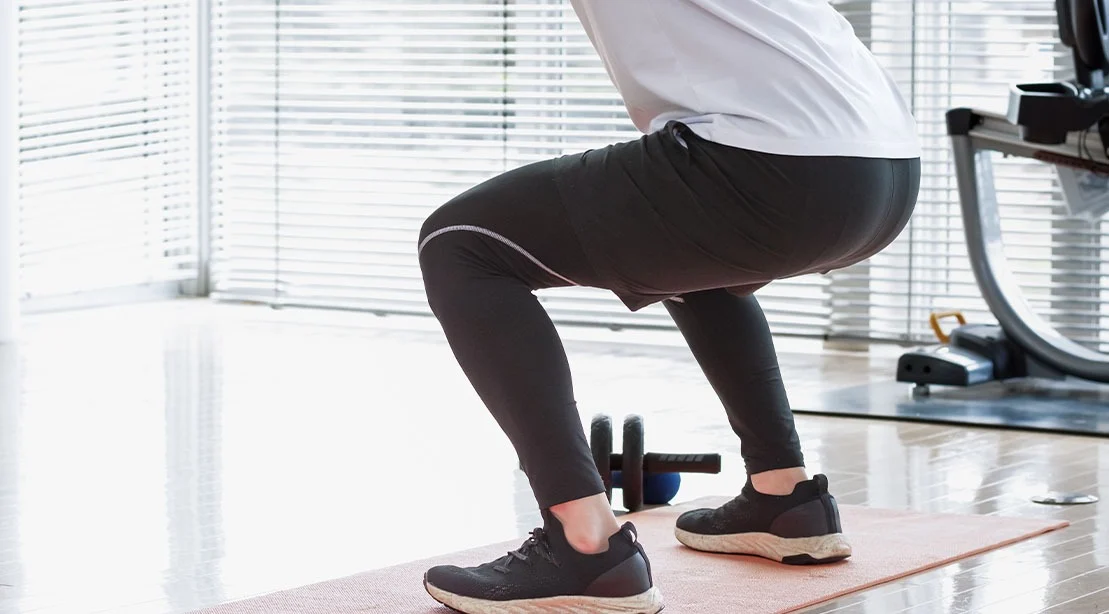
These structural differences directly influence which exercises and body positions will yield the best results. While one person may naturally squat deep with a narrow stance and toes pointed straight ahead, another individual may require a wider stance with their toes flared outward to achieve the same depth and muscle recruitment. Individual hip anatomy, joint mobility, overall strength, and limb lengths dictate the most advantageous setup. Modifying stance width, foot angle, and range of motion allows lifters to find the precise mechanics that load the glutes effectively while respecting their unique skeletal framework.
The Functional Value of a Strong Backside
Aside from aesthetics, the glutes rank among the body’s most powerful musculature, and developing them yields significant functional payoffs. Strong glutes provide the horsepower needed for demanding physical activities, ranging from heavy squatting and rapid sprinting to routine daily tasks. The greater the strength and power output of these muscles, the more force the lower body can generate.
Stability is another major benefit. During unilateral movements such as walking, running, climbing stairs, and performing single-leg Romanian deadlifts, the smaller glute muscles work overtime to control lower-body alignment. Weakness in these areas often manifests as a loss of balance, excessive wobbling during single-leg stances, or an inward caving of the knee—known as dynamic knee valgus—during heavy squats and deadlifts.
Joint health is also deeply tied to glute function. The hips, knees, and lower back operate as a closely linked kinetic chain; when one area struggles, neighboring joints compensate. Weakness in the glute med and minimus frequently leads to faulty knee tracking, placing undue stress on vulnerable knee ligaments. Similarly, limited hip extension strength or restricted hip mobility forces the lower back to absorb forces it was never designed to handle. Developing glute strength and mobility helps safeguard against these compensatory movement patterns.
Furthermore, athletic performance relies heavily on proper glute mechanics. During sprinting, the gluteus maximus drives powerful hip extension. When an athlete cuts, lands, or changes direction, all three glute muscles cooperate to control the hip and pelvis as the body absorbs and redirects high amounts of force. The glutes also contribute significantly to rotational power, supporting movements like swinging a bat, throwing a punch, or executing a golf swing by linking lower-body drive to upper-body expression.
Mechanics of Glute Training: Lengthened versus Shortened Loading
Achieving optimal muscle growth and strength requires a multifaceted approach to loading. Heavy compound movements like barbell back squats, Romanian deadlifts, and barbell hip thrusts allow the glutes to produce massive amounts of force alongside the quadriceps, hamstrings, and adductors, laying a solid foundation for overall lower-body development.
Training in lengthened positions—utilized through exercises like deep squats, front-foot elevated split squats, and deficit reverse lunges—places a high-tension stretch on the muscle fibers where they need it most. Because the hips are deeply flexed and the glutes are elongated under load, these movements stimulate distinct hypertrophic adaptations, especially when paired with a controlled eccentric, or lowering, phase.
Conversely, shortened position training emphasizes hip extension as the glutes approach peak contraction. Exercises such as barbell hip thrusts, standard glute bridges, and cable kickback variations challenge the muscles where their range of motion is naturally reduced. Neither loading position is inherently superior to the other; rather, combining both creates a comprehensive stimulus for balanced development.
Targeting the secondary functions of the region is equally important. Hip abduction exercises, including machine abductions, lateral band walks, and side-lying hip raises, isolate the gluteus medius, minimus, and upper glute max fibers to enhance lateral pelvic stability. Meanwhile, rotational movements—such as seated band internal rotations and cable external rotations—support overall hip joint health. Unilateral movements, including Bulgarian split squats and single-leg deadlifts, challenge each leg independently, ironing out bilateral strength imbalances and reinforcing core-to-hip stability.
Core Rules for Programming Glute Workouts
Designing an effective routine does not require an endless variety of exercises, but it does demand a strategic mix of movements that cover every functional requirement without turning a routine gym session into an exhaustion marathon.
The foundation of any solid routine begins with compound bilateral and unilateral lifts. While these multi-joint movements are indispensable for building overall lower-body strength and muscle mass, they do not universally isolate the glutes. Factors such as squat depth, torso inclination, hip positioning, and execution technique dictate how much actual work the glutes are forced to perform versus the surrounding musculature.
Programming must also incorporate both lengthened and shortened position movements. Relying exclusively on hip thrusts or entirely on squats ignores half of the mechanical equation. Lifters should look past online debates regarding squats versus hip thrusts and instead embrace an inclusive approach that challenges the tissue across varied muscle lengths using controlled, full ranges of motion.
Isolation work for the smaller stabilizing muscles should not be overlooked. While compound lifts recruit the glute med and minimus, direct hip-abduction work ensures these stabilizers are robust enough to support the glute max during heavy multi-joint efforts. Power development, through explosive movements like broad jumps, sled pushes, and hill sprints, fires up fast-twitch muscle fibers to bridge the gap between gym strength and real-world athleticism. Finally, targeted mobility work—such as half-kneeling hip flexor stretches, adductor rockbacks, and 90/90 hip rotations—prepares the joint capsules to access the necessary ranges of motion before external loads are applied.
Volume, Frequency, and Practical Execution
Balancing heavy lifting, hypertrophy work, and stability training while allowing adequate recovery time is the ultimate secret to successful lower-body programming. Strength work typically utilizes lower repetition ranges of three to five reps on challenging compound movements, paired with generous rest periods of two to three minutes to maintain technical proficiency and progressive overload.
For hypertrophy, moderate rep ranges spanning six to 15 repetitions using controlled eccentric phases allow lifters to accumulate substantial volume close to technical failure. Power movements are best placed early in a session when the nervous system is completely fresh, utilizing low repetition brackets focused strictly on maximal movement speed. Conversely, direct development of the glute med and minimus thrives in higher repetition ranges of 15 to 20 reps per set, utilizing strict execution free of momentum. Unilateral stability work generally occupies the six-to-12-rep window per side, progressing only as balance and control improve.
Weekly training volume should account for all glute-focused movements across a routine. Beginners can typically start with a total of around 10 weekly working sets distributed across their sessions, while intermediate lifters often thrive on approximately 14 sets. Advanced trainees focused specifically on maximizing development may tolerate up to 18 total weekly sets, carefully apportioned among strength, hypertrophy, abduction, and power work.
Spreading this volume across two to three sessions per week is ideal for most lifters. Beginners can effectively utilize two sessions, whereas intermediate and advanced lifters benefit from distributing their workload over three weekly workouts to maintain optimal training intensity and movement quality from the first set to the last.
Common Pitfalls and Persistent Myths
Several common training errors can stall progress. A frequent mistake is relying exclusively on hip thrusts and bridges. While these movements are exceptional for shortened-position loading, neglecting lengthened-position exercises and direct hip abduction leaves major gaps in overall muscle development. Another common misstep involves locking out heavy movements by hyperextending the lower back rather than finishing through pure hip extension. Arching the spine at the top of a deadlift or hip thrust creates an illusion of a greater range of motion while shifting tension away from the targeted musculature.
Misconceptions also persist throughout the fitness community, particularly the notion that squats are the only movement necessary for complete glute development. While squats are undeniably effective for lengthened loading, they fail to address every function of the glute complex. Similarly, the belief that hip thrusts are universally superior to squats simply because they produce a more intense localized "burn" is scientifically unsupported. Research comparing the two movements indicates that both build the glutes effectively through different mechanical pathways.
Another widespread myth involves the strict isolation of upper and lower glute regions. While the muscle fibers of the glute maximus run in varied directions and can be emphasized slightly through specific hip angles and exercise selections, it is physiologically impossible to completely deactivate one section of the muscle while training another. Finally, the assumption that extreme delayed-onset muscle soreness is the sole indicator of a successful workout is false; severe soreness usually signals a novel stimulus or excessive eccentric loading rather than guaranteeing superior long-term muscle growth.
Ultimately, building stronger, more functional glutes requires an intelligent, well-rounded approach. By training the glute complex through all its primary functions, addressing the smaller stabilizing muscles, balancing lengthened and shortened loading positions, and prioritizing progressive overload alongside adequate recovery, lifters can build a resilient, powerful engine that performs just as impressively as it looks.