
UFC CEO Dana White is not fundamentally opposed to the concept of influencer boxing, but he firmly believes that a persistent lack of quality will ultimately prevent the trend from ever truly taking over the combat sports landscape.
When White took the reins of the Ultimate Fighting Championship alongside his partners, the Fertitta brothers, back in 2001, mixed martial arts was widely regarded by mainstream sports fans and media as a bizarre sideshow. In many ways, the public perception of early-2000s MMA mirrored how celebrity and influencer boxing bouts are viewed today—a novelty spectacle driven more by personality and curiosity than by high-level athletic competition. However, looking back on the trajectory of the UFC, White emphasizes that the ultimate staying power, skill, and grit of their top-tier athletes played a massive role in winning over skeptical fans and turning the organization into a global sports empire.
In the modern combat sports ecosystem, influencer boxing events are typically marketed heavily around chaotic pre-fight press conferences, social media feuds, and dramatic real-time antics. Promoters rely on viral moments, online beefs, and controversial personalities to drive pay-per-view sales and ticket interest. However, despite the massive digital hype that often precedes these events, the actual in-ring product is frequently underwhelming. White believes this glaring discrepancy between pre-fight promotion and athletic performance is the exact reason why influencer boxing fails to leave a lasting, positive impact on those who tune in.
Dana White offers his unique take on celebrity fights

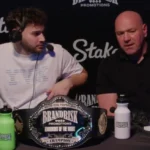
White recently shared his unvarnished perspective on the phenomenon during an appearance on heavyweight boxing star Deontay Wilder’s podcast, "Heavyweight Truth." During the conversation, the longtime combat sports promoter was asked for his thoughts on the recent, steady influx of social media stars, internet personalities, and digital creators stepping through the ropes to box.
While acknowledging that certain high-profile influencers—such as Jake Paul or heavyweight creator Chase DeMoor—take the training seriously and dedicate significant time to improving their craft, White pointed out that many others do not train properly at all. According to the UFC boss, these ill-prepared participants often put on embarrassing, low-quality showcases once the bell rings.
This stark contrast in preparation and execution, White argues, is precisely what discourages fans from returning for future events. In contrast, legitimate professional boxing and mixed martial arts are built on authentic athletic journeys, high-level competition, and compelling, natural storylines that resonate deeply with sports enthusiasts.
"A professional fing fight is over and it’s a fing good fight?" White explained during the podcast appearance. "You’re like, ‘Damn, that was awesome.’ People are talking about it for days after the fight happens. That will never, ever f***ing happen with an influencer fight. It’s always the same thing when those fights are over."
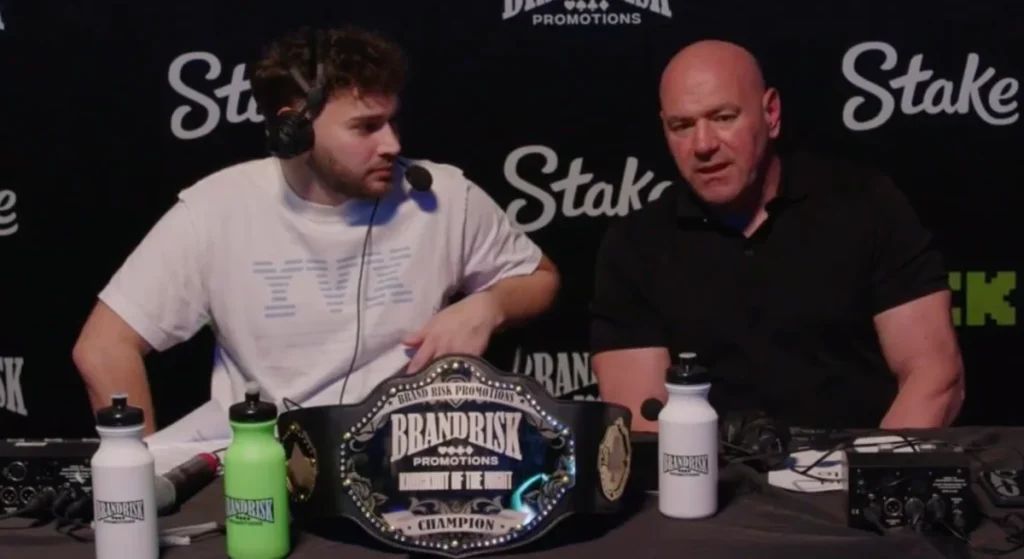
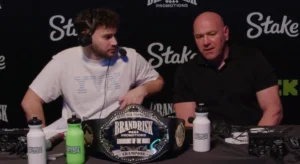
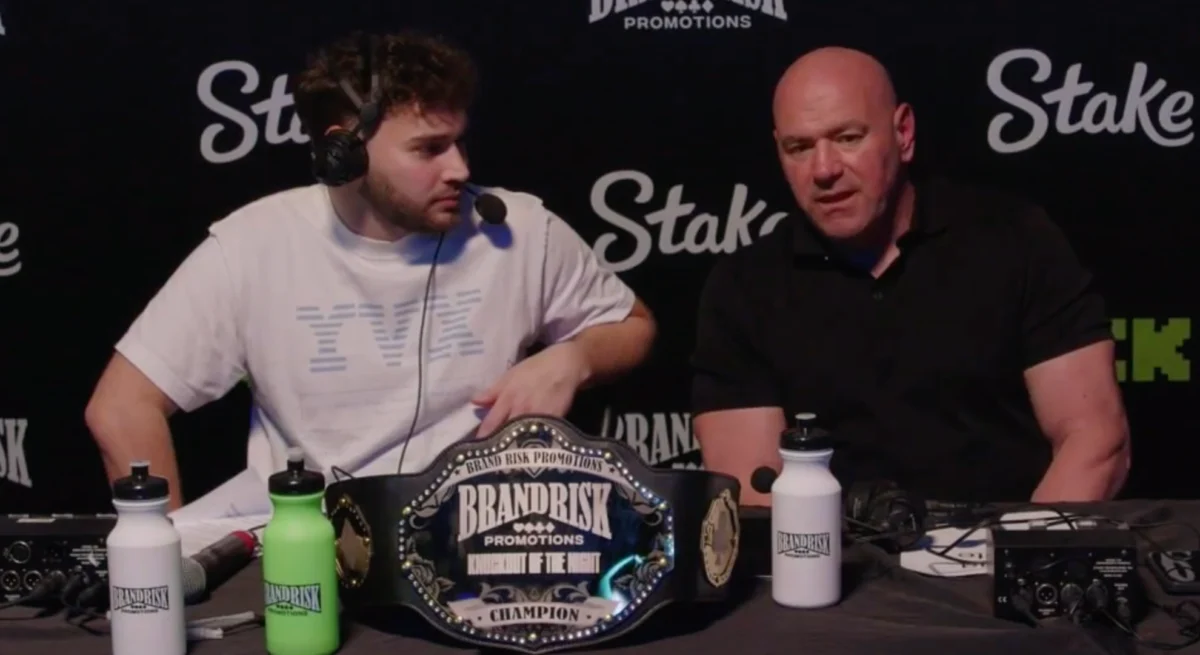
The debate surrounding the longevity of influencer boxing continues to divide the combat sports community. While platforms like Kick and YouTube continue to bankroll high-profile crossover events—such as Adin Ross’s Brand Risk Promotions, which has featured chaotic matchups like the rap group the Island Boys—industry veterans like White remain convinced that flash-in-the-pan spectacles cannot replicate the enduring cultural impact of genuine athletic excellence. Without a fundamental shift toward better athletic quality and competitive integrity, White maintains that the influencer boxing boom will eventually burn out rather than conquer the traditional sports world.