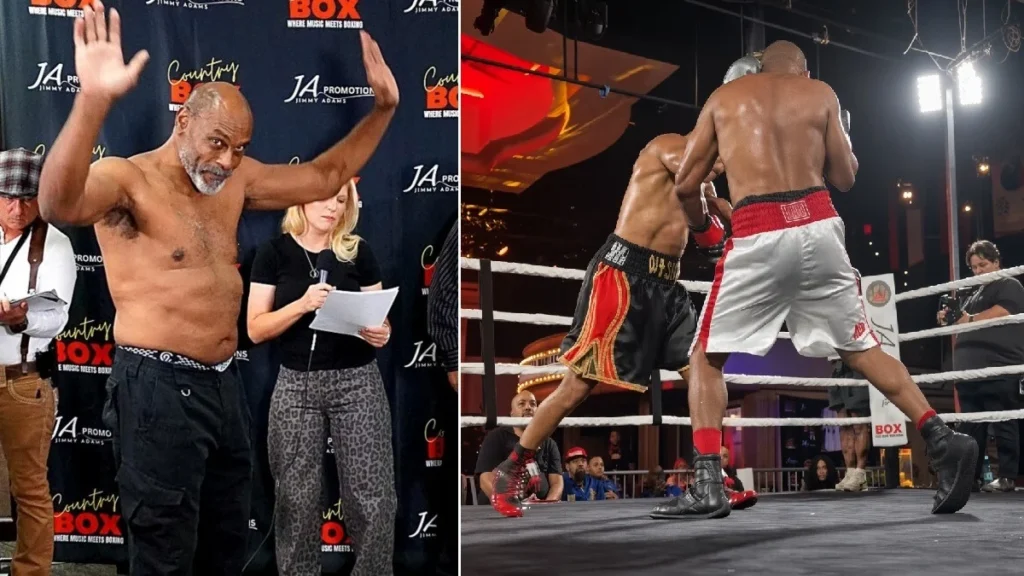

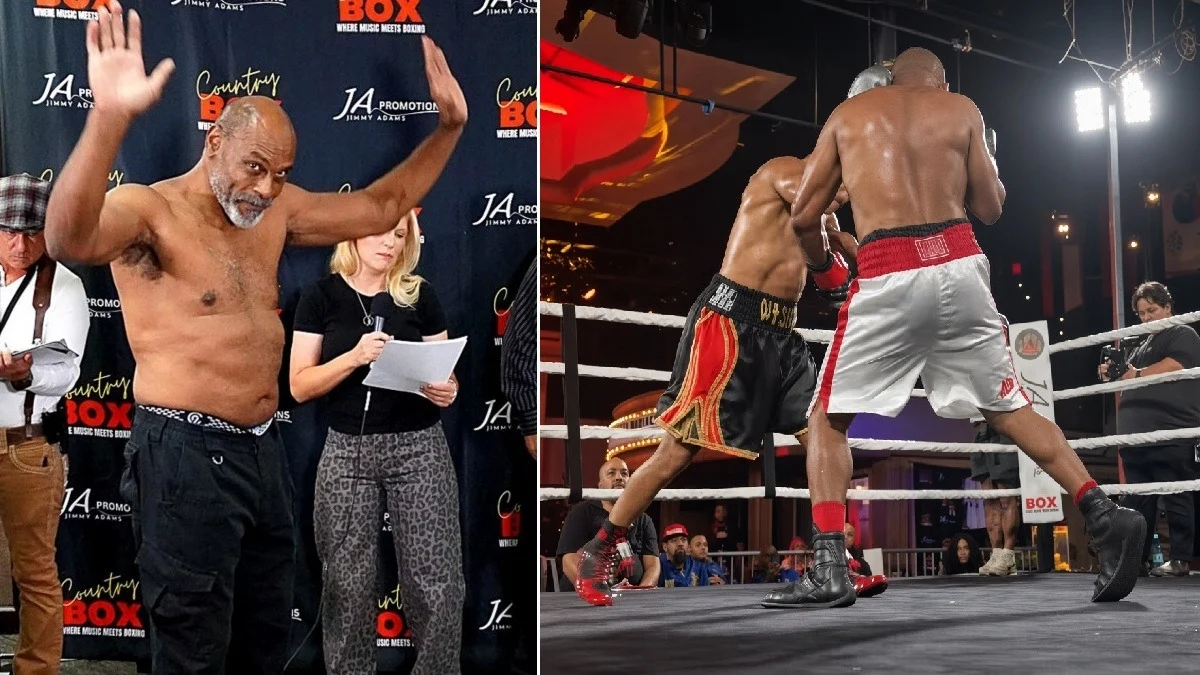
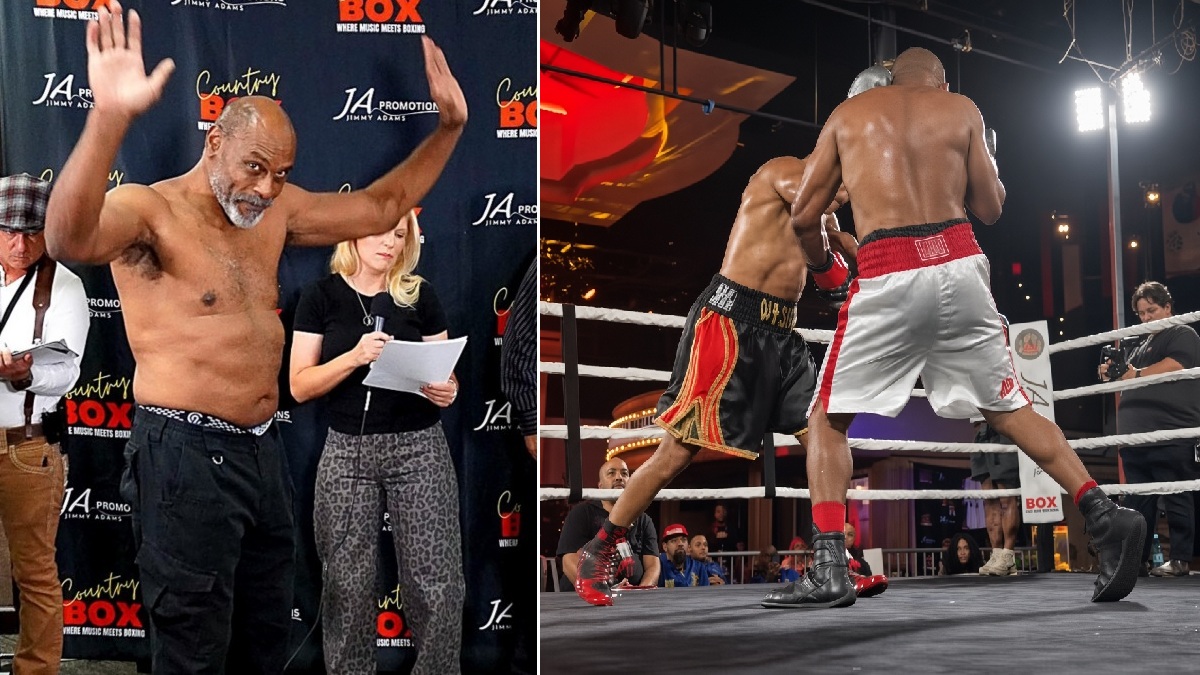
Former heavyweight champion Oliver McCall has once again captured the attention of the boxing world, though this time the headlines focus less on his enduring competitive spirit and more on the alarming amount of punishment he continues to absorb. At 61 years of age, McCall stepped back into the professional squared circle on Tuesday night at Plaza Mariachi in Nashville, Tennessee, facing 54-year-old Jeremiah Williams.
The bout, which extended a professional career that remarkably began back in 1985, ended in the fifth round with a victory for the veteran fighter often known as the "Atomic Bull." However, the manner in which the win was secured—and the heavy blows McCall absorbed throughout the contest—has reignited intense debates regarding athletic licensing, the health and safety of aging fighters, and the adequacy of pre-fight medical clearances in combat sports.
Oliver McCall Takes Huge Shots at Age 61
The official result will show that McCall secured a fifth-round stoppage victory after Williams suffered a cut above his left eye. According to ringside observations and subsequent video analysis, the laceration reportedly began following an accidental clash of heads before a crisp right hand from McCall exacerbated the injury, ultimately bringing a halt to the contest.
Yet, the celebratory narrative of a veteran triumphing deep into his sixties was quickly overshadowed by a more sobering reality. Following a comprehensive review of the full fight footage—beyond the brief snippets that initially circulated—concerns have mounted exponentially regarding the sheer volume and force of the heavy shots McCall took to the head.
Throughout the scheduled encounter, Williams landed several clean, heavy punches during close-range exchanges. Despite being caught repeatedly by his younger opponent, McCall demonstrated his trademark resilience by continuously pressing forward. However, this toughness has sparked immediate worry among pundits and observers, with many questioning the wisdom of placing a 61-year-old former world champion into the ring against an active competitor, even one only seven years his junior.
A particularly controversial moment occurred in the fourth round, when McCall went down to the canvas. While the referee on duty ultimately ruled the incident a slip rather than an official knockdown, detailed video analysis suggests the sequence bore all the hallmarks of a legitimate knockdown. By ruling it a slip, the official preserved one of the most unique statistical anomalies in modern boxing history: McCall’s remarkable, unblemished professional record of having never officially been knocked down throughout his extensive career.
With this latest victory, McCall improved his career professional record to 62 wins, 14 losses, and 1 draw, with 41 coming by way of knockout. Meanwhile, Williams saw his record adjust to 19 wins, 15 losses, and 2 draws. Williams’ own career trajectory features a grueling start, having dropped his first eight professional bouts before eventually turning his fortunes around to build a respectable winning record. Both fighters have now competed well past the age of 50, highlighting a broader trend of veteran fighters lingering in the sport long past traditional retirement windows.
McCall’s Lennox Lewis Breakdown and Growing Safety Concerns
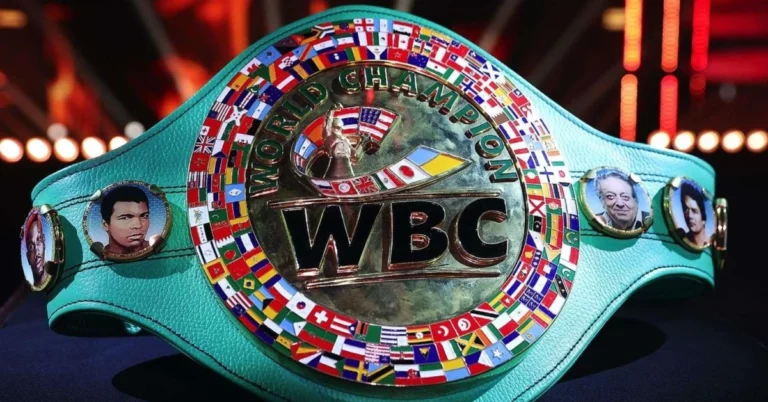
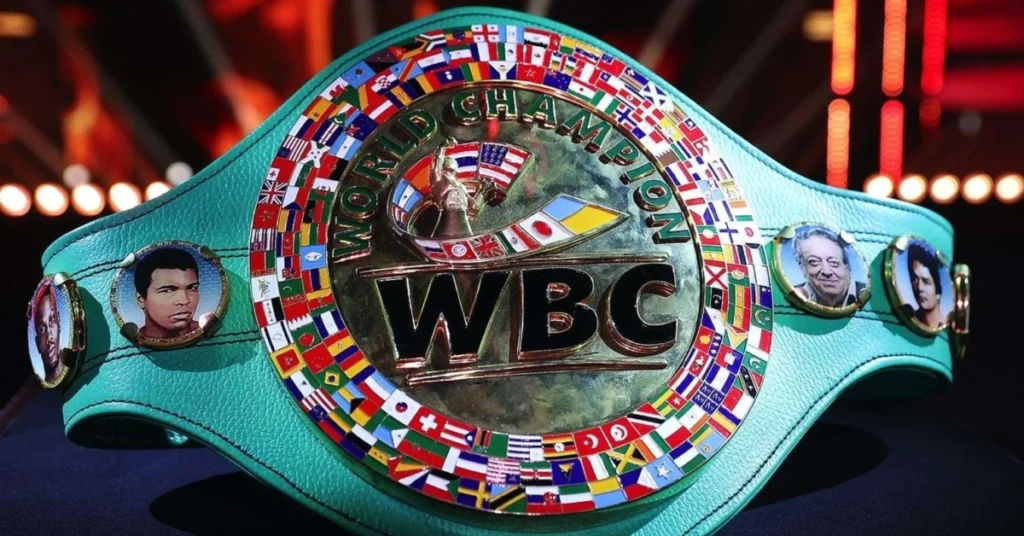
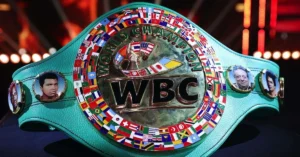
The name Oliver McCall will forever be etched in boxing history, largely due to his stunning second-round knockout of Lennox Lewis in 1994, an upset that captured the WBC heavyweight championship. Though he lost the belt to Frank Bruno the following year, it was his infamous 1997 rematch against Lewis that remains etched in the sport’s collective memory as one of the most disturbing scenes in heavyweight championship history.
During that fateful night, McCall inexplicably stopped engaging with his opponent and began openly weeping in the middle of the ring. The bizarre and distressing episode forced referee Mills Lane to wave off the contest in the fifth round, signaling a deeply concerning moment that prompted intense scrutiny regarding McCall’s mental health and well-being at the time.
Nearly three decades after that psychological breakdown, the sight of an older McCall absorbing repeated heavy blows has revived those haunting memories. Following the Nashville bout, the chorus of concern quickly grew outside the immediate ringside area. Former world champion Jamel Herring took to public platforms to voice his apprehension, openly questioning the rigorousness of the medical evaluations and the protocols that allow fighters of advanced age to secure medical clearance to compete professionally.
These pressing concerns are not easily dismissed simply because the veteran fighter managed to secure another win on his ledger. The outcome of the fight does nothing to erase the visible impact of the heavy artillery landed by Williams, keeping the spotlight firmly fixed on the ethics of allowing aging athletes to continue testing their physical limits in a sport as unforgiving as boxing.
McCall’s Boxing License and the Tennessee Athletic Commission
Despite the visible punishment and the widespread discomfort expressed by members of the boxing community, indications point to a continuation of McCall’s career. Reports confirm that the veteran heavyweight harbors active intentions to step back into the ring, showing no immediate signs of calling time on his decades-long journey in the sport.
The Tennessee Athletic Commission sanctioned the Nashville bout, allowing the contest between McCall and Williams to proceed under standard regulatory oversight. However, the decision has invited a broader examination of the specific medical requirements and scrutiny applied when licensing a 61-year-old heavyweight. While there is no current evidence to suggest that the commission breached any established rules or administrative guidelines, the visual evidence from the bout naturally prompts difficult questions regarding the efficacy of the licensing process for athletes competing at such an advanced age.
The core dilemma facing regulators and observers alike does not center on whether McCall retains his athletic capabilities. His latest victory stands as tangible proof that he remains entirely capable of throwing heavy punches and securing a stoppage win. Rather, the central issue is whether the heavy cumulative punishment absorbed against Williams should be overlooked merely because the referee ultimately raised the veteran’s hand in victory.
The "Atomic Bull" has carved out an astonishing legacy, famously surviving one of the longest careers in heavyweight history without ever suffering an official knockdown. Yet, that rare and remarkable statistical achievement must not become a convenient justification for looking past the heavy trauma being absorbed inside the ropes at the age of 61. As McCall weighs his next move, the boxing world remains anxiously divided between celebrating his legendary durability and questioning how long such a dangerous path can sustainably be pursued.