


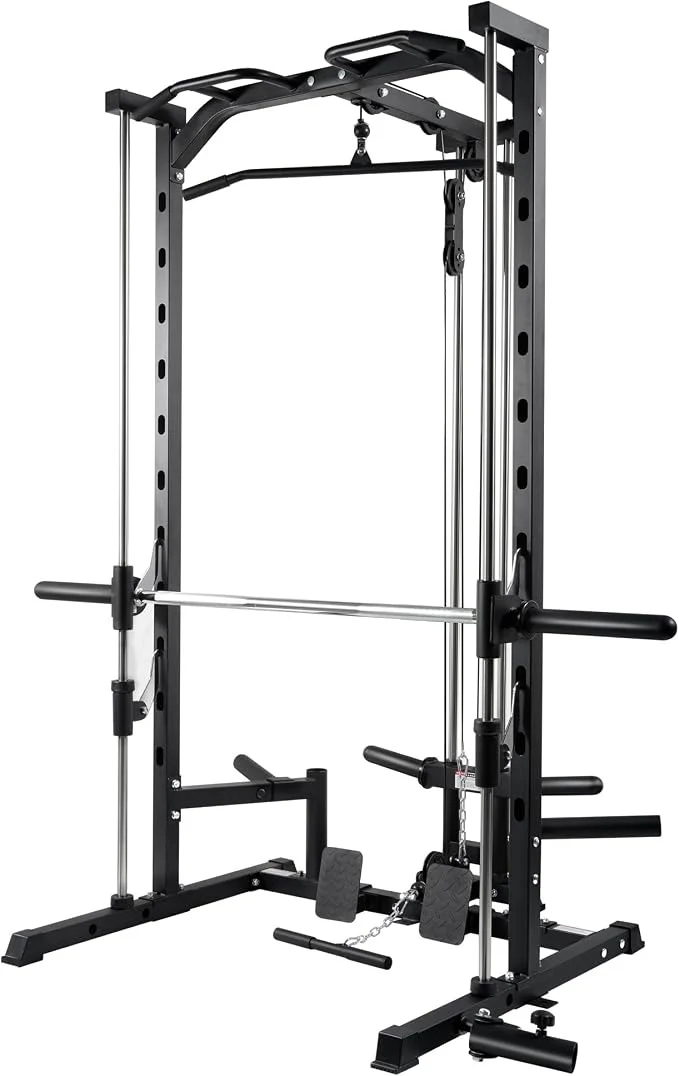
For decades, the Smith machine has stood alongside the treadmill as a permanent fixture of commercial fitness centers. Boasting tremendous versatility and functionality, this muscle-building staple has long been popular among weightlifters and casual gym-goers of all experience levels. Today, fitness enthusiasts are increasingly bringing that commercial-grade utility into their personal spaces, turning the once-niche apparatus into a must-have for the ultimate garage gym.
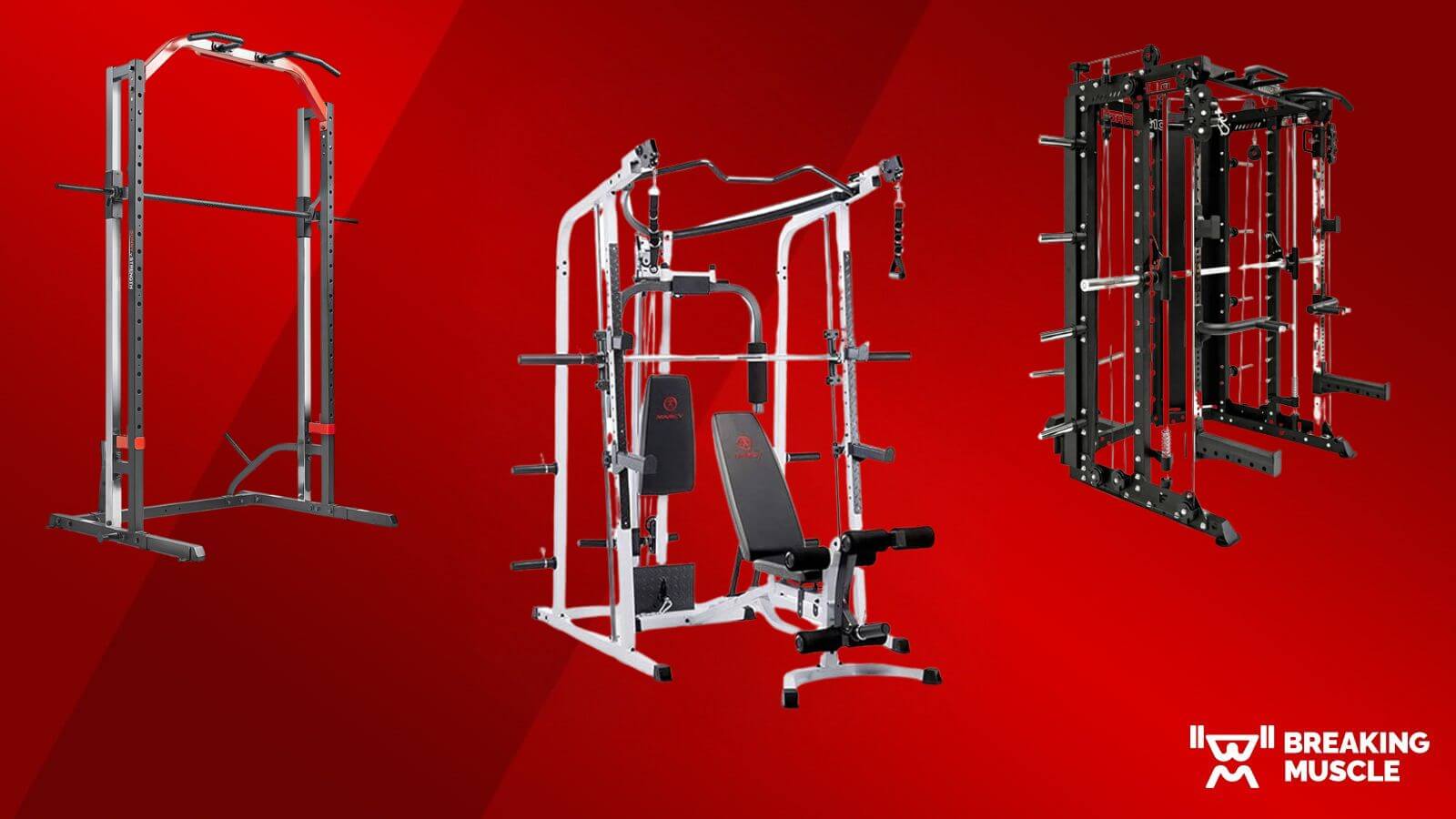
Offering added mechanical protection and safety features that allow for heavy lifting without a spotter, the Smith machine has evolved into a wise investment for home fitness setups. Whether used for heavy bench presses, back squats, or targeted deadlifts, modern iterations range from traditional standalone units to all-in-one home gym solutions. Navigating the market can feel overwhelming, however, prompting fitness experts to separate the top contenders through rigorous testing.
To find the best options available, a team of product testers evaluated various models across the market. Analysts examined everything from build materials and the smoothness of the bar path to overall value and structural integrity. Industry insights from Mauro S. Maietta, district fitness and education manager for Crunch Fitness, further informed the evaluation, highlighting essential benefits and critical factors to consider when shopping for a home Smith machine.

Among the top-tier all-in-one solutions, the Force USA G15 All-in-One Trainer emerged as a standout for sheer multifunctionality, though it commands a premium price point of around $5,500. Earning high marks for versatility, the nearly 1,000-pound unit combines a functional trainer, half rack, and Smith machine into a single heavy-duty footprint measuring over six feet wide, four feet deep, and roughly seven feet tall. Dual 289-pound weight stacks keep the apparatus firmly anchored, earning praise for exceptional durability. Testers noted that the unit feels like a tank once assembled, though minor criticisms were directed at the nylon cable pulleys, which lack the ultimate smoothness and longevity of metal alternatives. The G15 also features a flexible 2:1 or 4:1 pulley ratio, along with an extensive array of included attachments and optional upgrade kits, though assembly requires a significant time investment of at least 20 hours or an additional professional installation fee.
For shoppers seeking an all-in-one experience at a fraction of the cost, the Titan Fitness Smith Machine offers a more accessible entry point priced under $2,000. Testers praised its smooth barbell glide and ergonomic, angled single-axis design, which enhances muscle activation during lower-body movements like squats and lunges. Because the system is counterbalanced, beginners do not have to shoulder the entire 45-pound weight of a traditional barbell, as the bar feels closer to 15 pounds during use. The unit earned top marks for stability, showing no wobble or give even under heavy loads, though reviewers noted that the factory warranty falls short of industry standards and return policies carry restocking fees.

Home gym owners constrained by floor space can also look to rack attachments rather than standalone units. The Bolt Fitness Supply Storm Series Stinger Smith Machine Attachment integrates seamlessly with any three-inch by three-inch frame using one-inch hardware, offering 12 vertical adjustment positions across 60 inches of travel. While it expands exercise variety efficiently and includes a multi-grip pull-up bar, reviewers pointed out that its construction and knurling do not quite match the premium finish of standalone Olympic-grade bars, and the $1,100 price tag represents a significant investment for an accessory that requires an existing rack.
Budget-conscious buyers searching for a cost-effective alternative frequently turn to the RitFit Smith Machine, available online for around $500. Operating as a sleeper pick for those with limited financial wiggle room, the RitFit model features a lightweight, compact footprint weighing just 140 pounds. It incorporates a plate-loaded cable pulley system for lat pulldowns and low rows, alongside a pin-on landmine and pull-up handles. While its lighter build and lower stability ratings mean it is not engineered for ultra-heavy lifting, its combination of foundational versatility and affordability delivers strong value for entry-level trainees.

Another innovative space-saving entry is the Bulletproof VTS Lite Rack Attachment, slated for release in May 2025. Priced around $700, the Versa Trolley System Lite allows users to convert an existing squat rack into a Smith machine using their own barbell. Weighing just 15 pounds, the attachment utilizes durable UHMW plastic rollers and accommodates various rack dimensions and barbell diameters, presenting an attractive, streamlined alternative to bulky standalone units.
When evaluating these machines, industry professionals emphasize the fundamental advantages that the equipment brings to a training regimen. Unlike free-weight setups, the Smith machine features a fixed vertical or slightly angled bar path, providing an enhanced sense of stability and control. Mauro S. Maietta notes that this structural support helps athletes feel secure, making it an excellent tool for beginners learning proper movement patterns. Additionally, the guided motion serves as a valuable asset for injury rehabilitation, allowing individuals recovering from joint issues or mobility limitations to safely rebuild strength before transitioning back to unguided free weights.

The built-in safety mechanisms also function as an automatic spotter, allowing solo lifters to pursue progressive overload safely. By setting physical stoppers or racking the bar securely at any point along the track, users can push their limits on compound movements without the risk of being pinned under a heavy load. This mix of safety, structural support, and multi-exercise capability explains why the Smith machine remains a cornerstone of modern strength training, successfully bridging the gap between commercial-grade utility and the modern home gym.