

Deontay Wilder has boldly promised to breathe new life into the heavyweight division, even as he prepares to make a high-stakes, unorthodox return against a cruiserweight opponent. Despite having multiple pathways available that could have offered greater rewards for his heavyweight legacy, the former world champion has chosen a collision course that carries immense risk and relatively little traditional upside for his divisional standing.
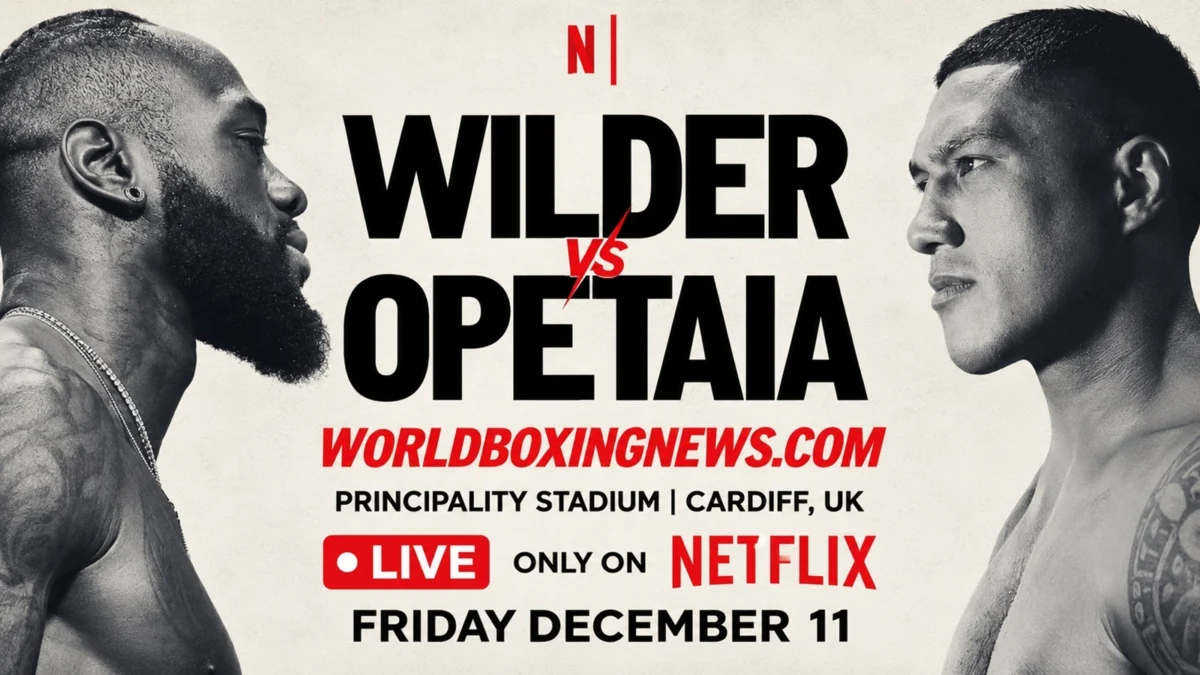
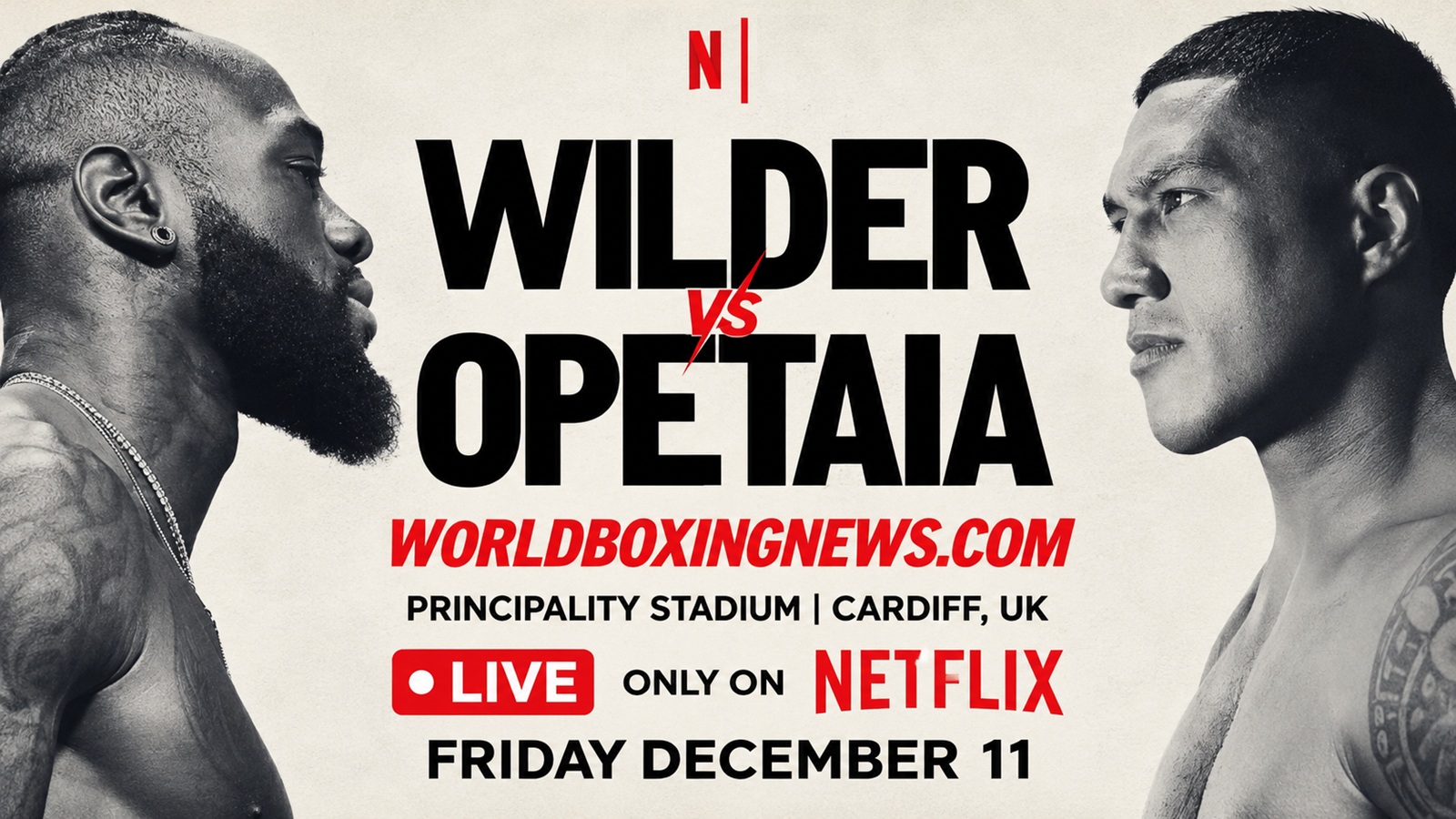
The 41-year-old American knockout artist is set to face undefeated Australian standout Jai Opetaia on December 11 in Cardiff, Wales. The blockbuster bout will take place on the highly anticipated Tyson Fury versus Anthony Joshua undercard, with streaming giant Netflix officially confirming the contest this week. The matchup places Wilder on one of the biggest platforms of the combat sports calendar, yet it has left analysts and purists questioning the strategic logic behind his choice of opponent.
Wilder recently made headlines by declaring the heavyweight division "dead," despite his next assignment involving a fighter moving up in weight from the cruiserweight ranks. Speaking to the International Boxing Association (IBA) while discussing a rejected offer to challenge Murat Gassiev for the WBA heavyweight title, Wilder did not hold back his assessment of the current landscape.
"Boxing is boring and dead again in the heavyweight division, for sure," Wilder told the IBA. "I brought it back once, and I’m going to do it again. Mark my words."
Deontay Wilder’s Other Options
The decision to face Opetaia over several other viable options has raised eyebrows across the boxing world. Prior to finalizing the Cardiff bout, Wilder’s team weighed alternative paths that included a blockbuster showdown with undisputed king Oleksandr Usyk, a championship opportunity against Murat Gassiev, or a cross-code blockbuster clash with kickboxing legend Rico Verhoeven. Among these choices, the Opetaia bout appears to offer the least tangible upside for Wilder’s long-standing heavyweight ambitions.
A bout with Usyk would have provided Wilder with the ultimate chance to dethrone the man who completely conquered the modern heavyweight division. Meanwhile, a fight against Gassiev presented an immediate and clear-cut route back to holding a recognized heavyweight world title. A clash with Verhoeven, on the other hand, would have delivered a massive high-profile financial spectacle, even though the kickboxing background of the Dutch star would have naturally attracted skepticism and criticism from traditionalists.
Instead, Wilder bypassed those heavy divisional opportunities to face the undefeated Opetaia, a younger, faster operator who is currently functioning at the absolute peak of his athletic powers. The fundamental issue facing Wilder is that he will likely receive very little mainstream credit or historical prestige for defeating a fighter moving up from cruiserweight, even though Opetaia represents an immensely serious and dangerous technical threat.
Usyk Fight Falls Apart
Addressing the lingering questions surrounding why a fight with Usyk failed to materialize, Wilder pointed directly to financial hurdles. He suggested that the Ukrainian champion’s steep monetary demands ultimately priced the matchup out of reality, preventing the two heavy hitters from locking horns in a legacy-defining battle.
"He wants too much money," Wilder told the IBA, detailing the breakdown of negotiations. "That’s what I’m hearing. If that’s the case, you have to get what you feel you’re worth."
Despite the financial disagreement, Wilder was quick to emphasize that personal legacy and competitive challenge remain far more important to him than collecting a paycheck. The Alabama native insisted that history will remember fighters by their willingness to face the toughest tests, rather than the size of their bank accounts.
"I want to fight the people who are supposed to be the best," Wilder said. "When it’s all over, the money isn’t going to go with you when you die."
Wilder Risks His Heavyweight Future
The narrative surrounding the December 11 showdown leaves Wilder in a precarious position. Should the former champion secure a victory against Opetaia, skeptics and critics will likely downplay the achievement by pointing out that he merely defeated an opponent coming up from a lower weight class.
Conversely, if Wilder suffers a defeat—a scenario that many insiders view as a genuine possibility given their contrasting recent trajectories—the consequences could be catastrophic. Losing to a man from the division below could effectively spell the end of the "Bronze Bomber’s" career at the elite world level, slamming the door shut on any future championship aspirations.
A successful night in Cardiff on the undercard of the Fury-Joshua event could theoretically place Wilder in prime position to face the winner of that main event, though no official tournament structure or mandatory paths have been formally announced. However, Wilder’s recent career path has been turbulent. Having suffered stoppage losses to both Joseph Parker and Zhilei Zhang in recent years, another setback at this stage would deal a potentially fatal blow to his remaining ambitions in the sport.
For a veteran competitor who has publicly promised to single-handedly rescue heavyweight boxing from stagnation, choosing an opponent from the division below is a massive gamble. It is a high-risk, low-reward wager that just might end his own storied heavyweight career instead.