

Training in martial arts comes with its fair share of wear and tear—not just on the physical body of the practitioner, but on their equipment as well. Whether individuals are practicing Muay Thai, boxing, Brazilian Jiu-Jitsu, or any other striking or grappling discipline, proper maintenance of gear has emerged as an essential practice for longevity in the sport. Without the right care, athletic equipment can wear out at an accelerated rate, become unsanitary, and ultimately compromise both athletic performance and personal safety inside the gym.
Industry experts and veteran coaches increasingly emphasize that gear upkeep should be treated as an extension of the training regimen itself. In the demanding world of combat sports, neglect leads directly to degraded materials, bacterial accumulation, and premature replacement costs. From striking gloves to shin guards and protective mouthguards, understanding how to care for athletic equipment makes a profound difference in daily training sessions and long-term investment value.
Cleaning and Maintaining Boxing Gloves
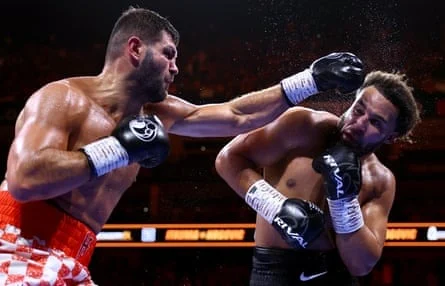
Boxing gloves, whether utilized for traditional boxing, Muay Thai, or mixed martial arts, take the brunt of heavy impact during pad work, heavy bag sessions, and live sparring. Because these leather or synthetic leather shells are subjected to intense friction and massive amounts of sweat, regular and thorough cleaning is vital to extend their operational lifespan and prevent overpowering odours.
Neglecting basic glove hygiene can quickly lead to the interior developing mold, mildew, and foul odors driven by bacterial proliferation, which significantly shortens the lifespan of the equipment. Fighters are advised to air out their gloves immediately after every session rather than leaving them zipped inside a damp gym bag. Wiping down both the exterior and interior surfaces with appropriate antibacterial or antimicrobial solutions helps neutralize sweat residue, ensuring that the gloves remain functional, structurally sound, and pleasant to use over months of rigorous preparation.
Taking Care of Shin Guards
Shin guards represent another crucial component of a martial artist’s defensive arsenal, particularly for practitioners of Muay Thai and kickboxing who rely heavily on low kicks and checks. Because these guards are directly exposed to high-velocity impacts and continuous streams of sweat during sparring and drills, they require consistent maintenance to remain in optimal condition.
When left uncleaned, the inner lining of shin guards can trap moisture, leading to skin irritations and rapid material degradation. Proper care involves wiping down the striking surfaces and moisture-wicking interiors after every training session, followed by thorough air drying in a well-ventilated space away from direct, harsh sunlight, which can crack leather or weaken elastic straps. Maintaining shin guards ensures they continue to absorb shock effectively, providing maximum protection for both the wearer and their training partners while remaining comfortable throughout extended sparring sessions.
Preserving Your Hand Wraps
Hand wraps absorb significant amounts of sweat and friction during training, making them exceptionally prone to bacterial build-up and persistent odours if left unwashed in a dark gym bag. Regular and proper washing is crucial for keeping these fabric strips hygienic and structurally functional for wrist and knuckle support.
Because hand wraps are frequently wrapped tightly around one another or balled up after training, they are notorious for tangling and trapping moisture. Utilizing mesh laundry bags during machine washing helps protect the fabric and prevents the velcro closures from attaching to other garments. While hand wraps are relatively inexpensive compared to leather goods, proper maintenance extends their operational life and ensures they continue to offer the crucial structural support and knuckle protection required for heavy bag work and sparring.
Mouthguard Hygiene and Longevity
A custom or boil-and-bite mouthguard is an indispensable piece of protective equipment designed to safeguard teeth, jawbones, and soft tissues during martial arts training and competition. However, due to its constant contact with saliva and exposure to gym environments, a mouthguard is highly susceptible to rapid bacterial and fungal growth if it is not properly cleaned and stored.
Maintaining mouthguard hygiene involves rinsing the device thoroughly with cool water and specialized cleaning solutions or mild soap after every use, avoiding high temperatures that can warp the specialized plastic. Storing the mouthguard in a ventilated protective case rather than a damp gym bag prevents airborne bacteria and mold from settling on the surface. Proper maintenance of this vital piece of equipment is non-negotiable for both overall dental hygiene and acute athletic safety.
Caring for Headgear and Protective Pads
Headgear, chest protectors, and various specialized pads form the backbone of safe sparring environments in martial arts such as Muay Thai, Taekwondo, and boxing. These items offer vital protection against concussive impacts and blunt force trauma, but regular maintenance is the singular factor ensuring their structural durability over time.
Protective pads accumulate sweat, oils from the skin, and chalk from the gym floor, which can degrade the high-density foam cores and outer casings if allowed to sit unaddressed. Wiping down synthetic and leather surfaces with damp cloths and mild disinfectants, combined with natural air drying, prevents the breakdown of internal padding and exterior stitching. By taking meticulous care of protective equipment, fighters ensure that their gear remains in top structural condition, consistently delivering the safety and performance reliability required during high-intensity training camps.
Cleaning Martial Arts Uniforms (Gi)
For practitioners of traditional grappling arts such as Brazilian Jiu-Jitsu, Judo, or Karate, keeping the heavy cotton uniform—commonly known as a gi—clean and sanitary is a foundational pillar of martial arts culture and personal hygiene. The thick weave of a gi absorbs vast amounts of sweat and friction during intense rolling and gripping exchanges.
Uniform care requires prompt washing after every single training session to prevent the setting of stains, the proliferation of skin infections such as ringworm or staph, and the development of stubborn fabric odours. Air drying is frequently recommended over high-heat machine drying to prevent excessive shrinkage and preserve the integrity of the heavy cotton fibers. Maintaining a clean, structurally intact uniform not only keeps the practitioner looking professional on the mats but actively promotes a culture of mutual respect, safety, and hygiene within the broader martial arts community.
Conclusion: Long-Lasting Equipment for Long-Lasting Training
Caring for martial arts equipment represents a direct investment in both personal safety and athletic performance. Whether dealing with striking gloves, protective shin guards, essential hand wraps, or a grappling gi, practicing disciplined equipment maintenance ensures that gear stays in peak condition. This proactive approach saves athletes money over the long run by preventing premature gear failure while keeping training sessions safe and effective.
Integrating gear maintenance seamlessly into a post-training routine transforms equipment care from a chore into a reliable habit, yielding cleaner, more dependable tools that enhance the overall martial arts journey. With consistent and proper attention, combat sports equipment can reliably serve practitioners through years of dedicated development.