
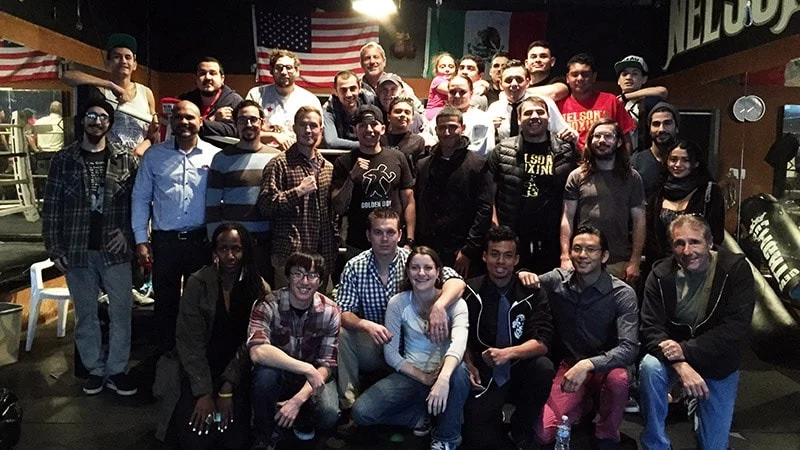
For fitness enthusiasts and aspiring fighters living in areas without a dedicated gym, a local coach, or sparring partners, the traditional barriers to entry in boxing can feel insurmountable. Commercial gyms can be expensive, sterile, and restrictive, often stripping away the pure camaraderie and freedom found in authentic combat sports training. However, combat sports veterans and community organizers are increasingly proving that the lack of formal infrastructure is not a permanent roadblock. By starting with little more than a passion for the sweet science, a single training partner, and some open space, individuals are successfully building thriving, independent boxing communities from the ground up.
The movement mirrors the early days of many legendary boxing gyms, which frequently began in backyards, public parks, and makeshift community spaces before evolving into permanent institutions. Industry participants emphasize that building a successful boxing club does not initially require immense financial capital, elite coaching credentials, or a commercial lease. Instead, the foundation relies on shared enthusiasm, consistent scheduling, and an inclusive culture that prioritizes community engagement over rigid athletic perfection.
Developing a local boxing group typically begins with self-education. Longtime organizers note that individuals who cannot access a physical coach can leverage the wealth of instructional material available online. By studying various digital trainers and exploring the rich cultural history of boxing—from its impact on politics and music to its legendary figures—founders build the deep knowledge base required to inspire others. Rather than locking into a single fighting style, such as emulating only Mike Tyson or Floyd Mayweather, successful grassroots leaders encourage a broad, open-minded approach to technique that accommodates different body types and athletic backgrounds.
Once foundational knowledge is established, the operational phase is surprisingly straightforward. The core requirement is remarkably minimal: a single able-bodied training partner. Organizers point out that two individuals of varying sizes and fitness levels can safely begin practicing fundamental drills, provided they maintain mutual respect and prioritize safety over ego.
Choosing the right training environment is a critical early decision, with organizers weighing the distinct advantages of public versus private spaces. Public parks and outdoor areas offer high visibility, naturally drawing the curiosity of onlookers, creating organic opportunities to recruit new members, and expanding the community. Conversely, private spaces offer controlled atmospheres, allowing members to select their own music, avoid outside distractions, and conduct more advanced drills without startling casual observers who might misinterpret sparring as aggression.
When establishing a regular meeting schedule, experienced community leaders advise selecting a predictable day and time that avoids weekend scheduling conflicts, particularly for high-school and college-aged participants who frequently have social commitments. Mid-week evenings are often preferred, as they allow groups to transition seamlessly from training sessions to shared meals—a crucial ritual for building genuine camaraderie and lifelong friendships. Furthermore, experts recommend starting with a modest frequency of once a week to prevent burnout and maintain anticipation, while keeping the training intensity focused on enjoyment and general fitness rather than an unachievable standard of perfection.
Equipment acquisition follows a similar philosophy of gradual expansion. Beginning a club requires very little gear, often starting with basic hand wraps and jump ropes before slowly accumulating pads, heavy bags, and shared equipment over time. Many founders rely on second-hand gear or repurposed items donated by community members who no longer use home exercise equipment.
As the group grows beyond its initial core of friends, leveraging social media plays an essential role in organic expansion. By documenting training sessions and focusing on fun, accessible fitness rather than intimidating combat footage, organizers can successfully dispel the common misconception that boxing is exclusively for elite fighters or individuals already in peak physical condition. This inclusive messaging helps attract diverse participants, ranging from absolute beginners to returning athletes, while helping the club organically scale past its initial membership.
Maintaining the longevity of these independent clubs ultimately depends on establishing a positive culture, clear etiquette, and structured routines. Successful organizers emphasize the importance of welcoming participants of all backgrounds while actively managing disruptive behaviors. By engaging members who may not actively box—assigning them roles such as managing social media, handling music, or assisting with equipment—clubs ensure that everyone feels valued and invested in the collective success of the community.
As these grassroots operations expand, they frequently evolve from casual meetups into self-sustaining networks. Long-term organizers note that natural leaders emerge over time, taking on managerial responsibilities and decentralizing operations into distinct training corners. What begins as an informal gathering between two friends can eventually blossom into a robust community hub, paving the way for former fighters to step in as formal coaches and guiding the collective toward permanent gymnasium spaces. Ultimately, the success of an independent boxing club relies less on advanced athletic prowess and more on inclusive leadership, shared passion, and a commitment to fostering genuine human connection.