

Dana White’s long-awaited entry into the sport of professional boxing has taken a dramatic turn for the worse. Following a rapid accumulation of damaging blows over a tumultuous two-month period, the UFC chief executive’s Zuffa Boxing venture is now facing an increasingly uncertain future, threatening to derail ambitions that took years of public posturing and high-profile alliances to construct.
White’s path into the sweet science was notoriously bumpy long before he finally managed to break through the promotional barrier. Despite achieving historic, unprecedented success with the Ultimate Fighting Championship (UFC) in the mixed martial arts sphere, previous attempts by the outspoken promoter to plant his flag in the boxing landscape had repeatedly stalled or collapsed entirely. It was only through the heavy financial backing and strategic partnership of Saudi Arabia’s influential powerbroker, Turki Alalshikh, that White finally secured the leverage needed to launch Zuffa Boxing with genuine momentum.
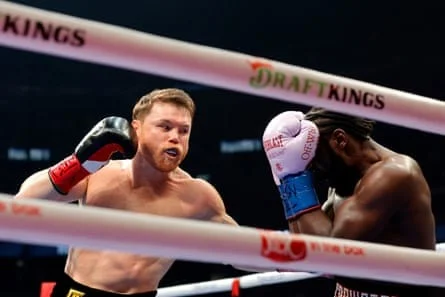
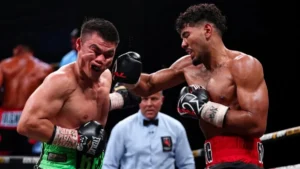
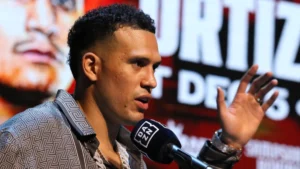
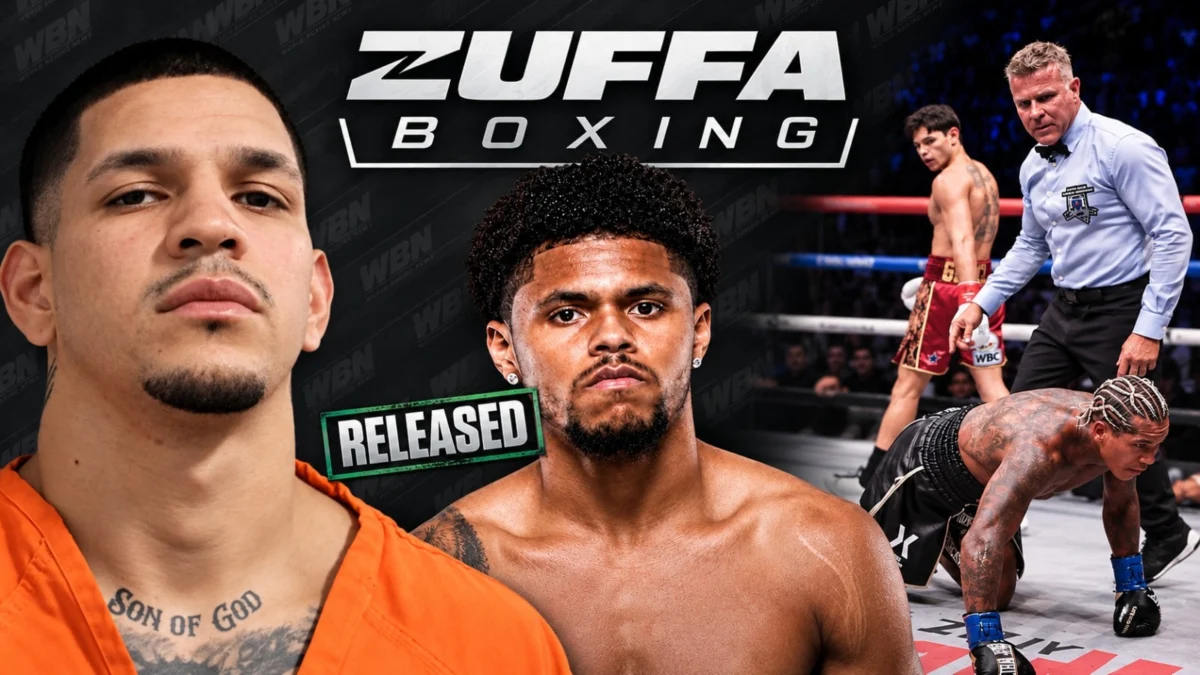
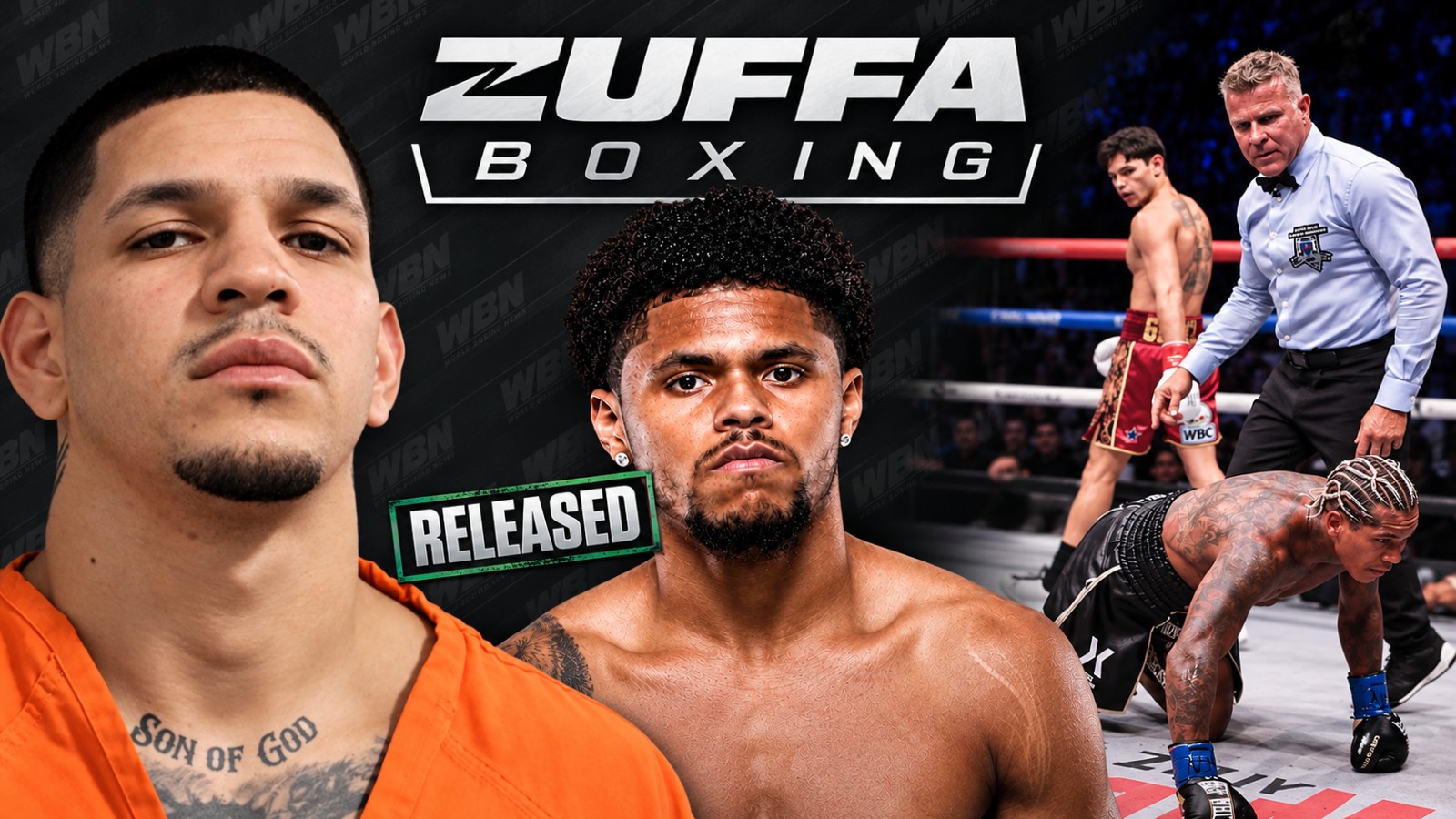
However, the honeymoon phase for the new promotional outfit has proven alarmingly brief. A devastating knockout defeat suffered by Conor Benn, the abrupt departure of pound-for-pound star Shakur Stevenson, and a severe legal crisis involving heavyweight-class contender Edgar Berlanga have turned what was already a delicate developmental phase into a full-scale operational crisis for Zuffa.
White’s Difficult Boxing Start
The roots of the current friction trace back well before the launch of Zuffa Boxing. White had famously walked away from previous ambitions to shake up the sport in 2022, openly expressing frustration with boxing’s notoriously fragmented politics, murky promotional practices, and difficult business ecosystem after years of talking about changing how the sport operates.
That stance shifted dramatically when Alalshikh entered the fray. With substantial Saudi backing behind him, the UFC boss finally rolled out his new venture, promising a radically different approach to championship boxing, fighter representation, and the overarching way major bouts are promoted to the public.
The early months yielded glimmers of potential. Australian standout Jai Opetaia became Zuffa’s inaugural champion in March, capturing the spotlight for the fledgling organization. Yet, the triumph proved short-lived. Opetaia was subsequently stripped of his International Boxing Federation (IBF) cruiserweight title amid a flurry of political wrangling, exposing the deep-seated institutional resistance and systemic difficulties White faced as he attempted to establish an independent championship system within a sport deeply protective of its traditional sanctioning bodies.
Simultaneously, proposed legislative changes to the federal Muhammad Ali Boxing Reform Act encountered immediate opposition and political amendments, while established promoters such as Frank Warren publicly challenged various aspects of Zuffa’s operational model.
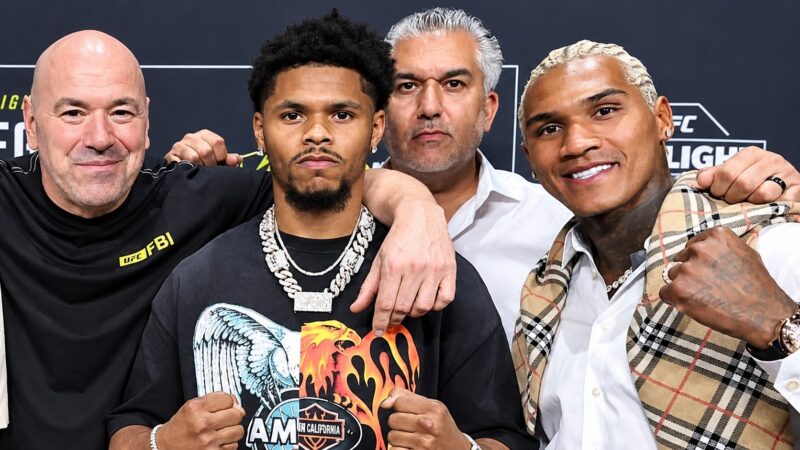
White soon found himself entangled in the chaotic promotional politics surrounding the proposed blockbuster heavyweight clash between Tyson Fury and Anthony Joshua. After repeatedly speaking to media outlets about his central involvement in putting the mega-fight together, White was ultimately left off the list of official promoters following sharp objections from Eddie Hearn and Joshua’s management team. While Hearn publicly insisted that neither White nor the UFC would be producing the marquee event, White maintained that he still retained a backstage role. Compounding matters further, the high-profile matchup eventually drifted away from its original proposed staging at Madison Square Garden toward an alternative destination in the United Kingdom.
Further ambition to stage an undisputed-style showdown between Oleksandr Usyk and Deontay Wilder under the Zuffa heavyweight banner similarly collided with harsh economic realities, with astronomical financial demands reportedly serving as a major stumbling block. The early months proved that even backed by the immense wealth of Saudi Arabia, securing the fights White desired on his own terms was far more complex than anticipated.
Three Blows in Two Months
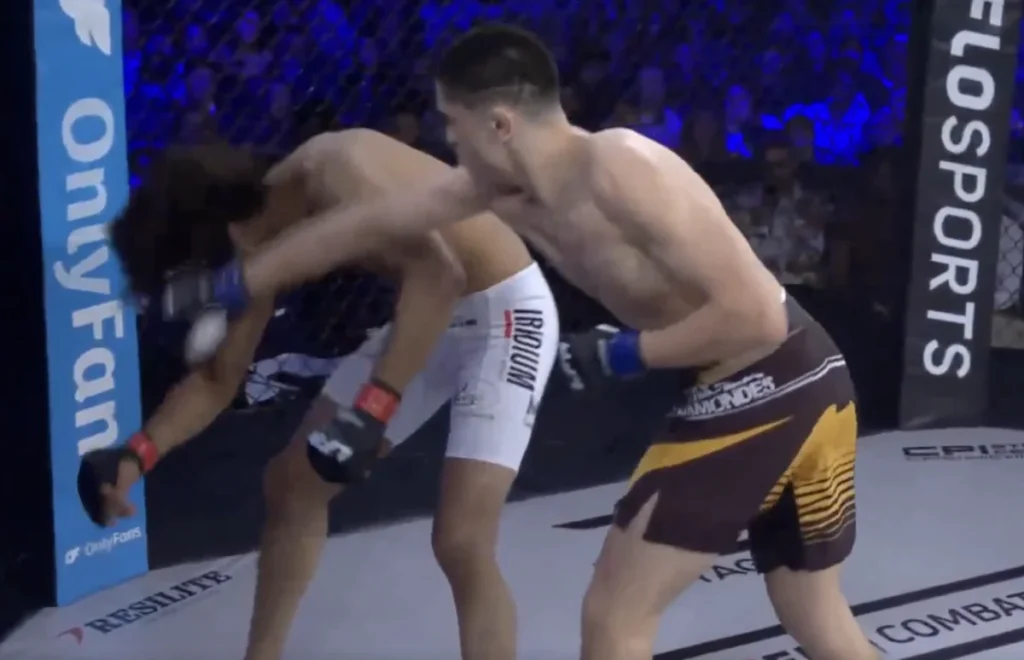
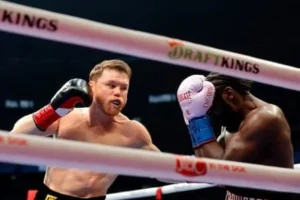
The structural pressures facing Zuffa escalated dramatically in September when Conor Benn—signed as one of the promotional outfit’s marquee names—suffered a brutal, two-round knockout defeat at the hands of Ryan Garcia.
In the immediate aftermath of the bout, Garcia reportedly had an opportunity to enter negotiations with White’s promotional stable, but ultimately chose not to commit to an exclusive, long-term deal. Consequently, White found himself watching one of his most prominent early investments suffer a highly damaging, high-profile defeat while failing to secure the surging star responsible for it.
The second major blow arrived in October when unbeaten four-division world champion Shakur Stevenson formally walked away from Zuffa without ever stepping into the ring to fight under its promotional banner. Stevenson had reportedly spent roughly eight weeks in training camps preparing for bouts that continually failed to materialize before ultimately requesting and receiving his release from the organization.
While White publicly described the separation as mutual, losing a fighter of Stevenson’s elite caliber just three months into the venture was hardly the foundational success Zuffa had envisioned.
The compounding crisis reached a critical juncture on October 26, when Edgar Berlanga was arrested in the state of Florida. The former world title challenger, who had recently aligned with White’s promotional efforts, suddenly found his career plunged into jeopardy following a domestic violence arrest involving the mother of his child. According to official police documentation, the victim alleged that Berlanga struck her and physically impacted her forehead with a handgun during a heated argument inside a moving vehicle.
The severe nature of the allegations—which include felony charges of aggravated battery involving a deadly weapon alongside misdemeanor battery—means another recognizable face of Zuffa Boxing now faces an intensely uncertain future, potentially confronting a significant prison sentence depending on the outcome of the judicial proceedings.
Zuffa’s Saudi Funding Concerns
These mounting athletic and legal setbacks unfold against a backdrop of broader questions concerning the long-term investment strategy of Saudi Arabia within professional sports. Observers have increasingly scrutinized how long the kingdom will maintain its current pace of heavy expenditure across global boxing.
Reports detailing the broader strategy of Saudi Arabia’s Public Investment Fund (PIF) have previously highlighted that boxing was not formally identified among the core investment priorities designated through the year 2030. While this distinction does not signal an immediate cessation of Saudi backing for major combat sports events, the fund’s overarching emphasis on rigorous investment efficiency and strict financial returns offers no absolute guarantee of an open-ended, unlimited budget for emerging promotional ventures.
To be sure, Berlanga’s legal troubles represent an external crisis entirely outside of White’s direct operational control, and the ongoing allegations remain a matter for the American court system to adjudicate. Nevertheless, the incident casts a long, dark shadow over what has already proven to be an unremittingly gloomy two-month window for White and the leadership team steering Zuffa Boxing.
The celebrated UFC boss finally secured the opening he long desired to disrupt and reshape professional boxing, armed with the substantial financial muscle that had eluded his previous efforts. Yet, as the turbulent opening chapter of Zuffa Boxing demonstrates, White is discovering firsthand that even with the immense backing of Turki Alalshikh, boxing remains an entrenched, deeply stubborn industry that cannot simply be conquered on demand.