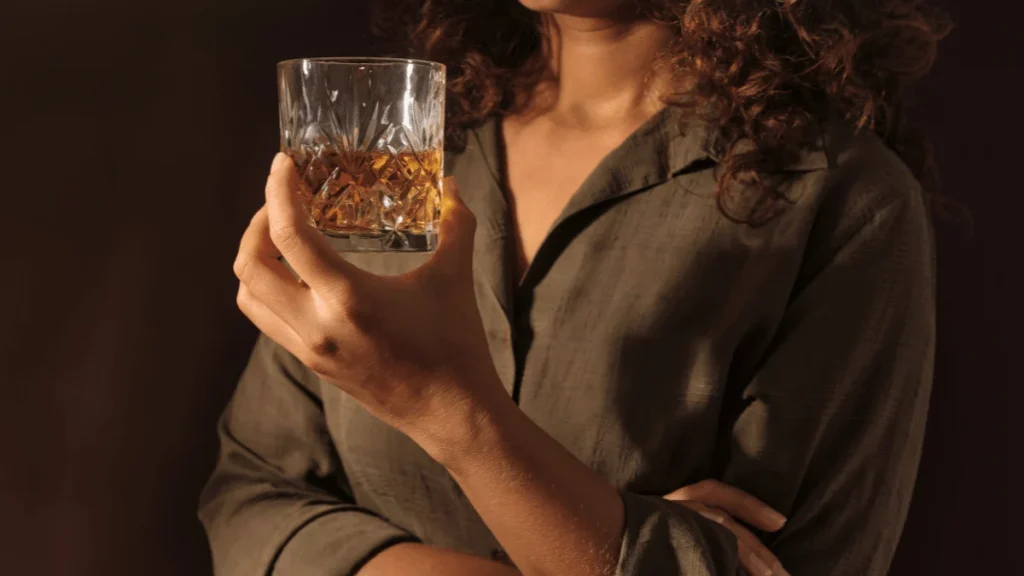


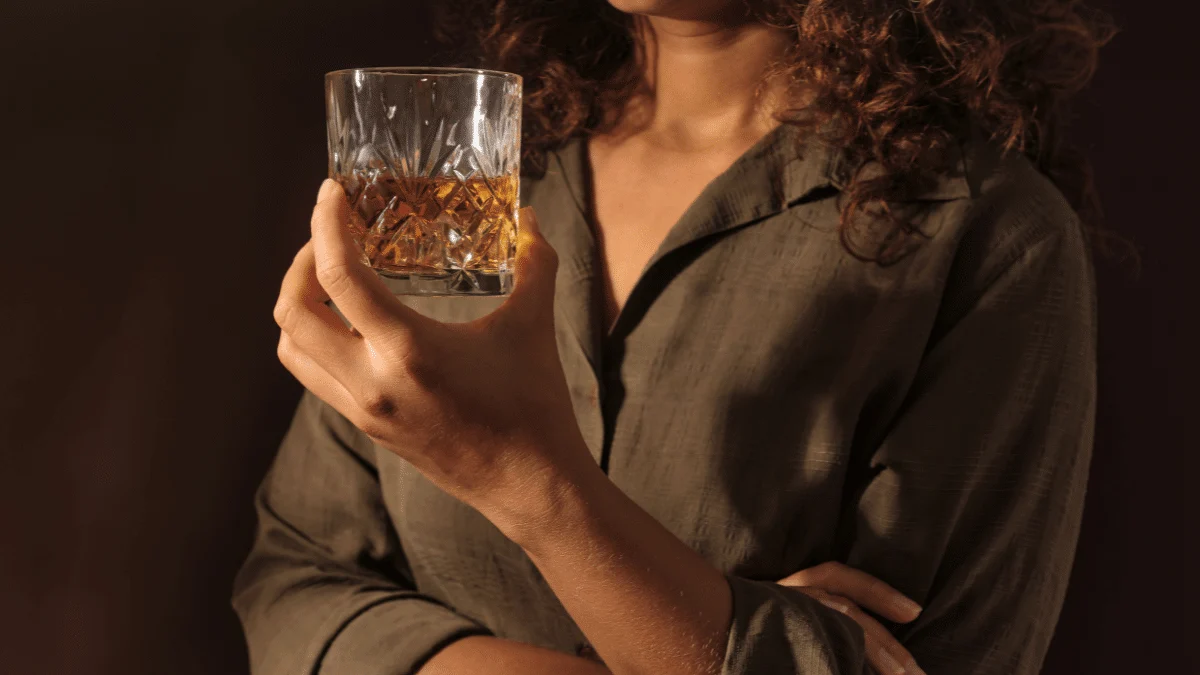
As a Greek man originating from the sun-drenched island of Crete, alcohol is a substance that runs deep through the veins of my cultural heritage. From alcohol serving as the universal medium to celebrate any major life occasion, to the various traditional customs where consumption is practically enforced as a gesture of respect, to memories of my grandfather producing his own homemade wine for decades, alcohol has always been a constant presence in my life. Growing up in this environment, I frequently heard the age-old refrain that "a little alcohol may actually be good for you." This sentiment was routinely echoed during family meals or by random acquaintances whenever health-related topics casually surfaced in conversation.
Yet, as modern science continues to peel back the layers of long-held dietary and lifestyle beliefs, a fundamental question remains: is that comforting notion actually true, or is it merely something that society desperately wants to believe?
For decades, the prevailing narrative surrounding moderate alcohol consumption was shaped largely by observational studies. These studies frequently pointed toward what researchers call a J-shaped curve, suggesting that light drinking possessed some form of protective benefit for the human heart. According to this widely accepted theory, consuming a small amount of alcohol supposedly lowered an individual’s overall risk of developing cardiovascular disease, outperforming total abstinence in statistical models.
However, that long-standing narrative has increasingly begun to collapse under the weight of rigorous scientific scrutiny, particularly when researchers properly account for confounding lifestyle factors that were historically overlooked.
A massive UK Biobank analysis encompassing more than 300,000 participants utilized a sophisticated epidemiological technique known as nonlinear Mendelian randomization. Through this genetic approach, researchers discovered that the supposed cardioprotective effects of light alcohol consumption appear to completely disappear once the data is adjusted for basic lifestyle variables. These confounding factors include smoking habits, body mass index, physical activity levels, vegetable intake, red meat consumption, and self-reported general health.
When these variables are controlled for, the data tells a starkly different story. All amounts of alcohol consumption were found to be associated with an increased risk of cardiovascular disease. Light alcohol intake showed minor increases in risk, while heavier consumption produced exponential increases in the likelihood of developing hypertension and coronary artery disease. Beyond the direct impacts on heart health, the genetic data revealed that alcohol intake consistently increased blood pressure, low-density lipoprotein cholesterol, and gamma-glutamyl transferase, which serves as a primary biological marker of alcohol-related liver stress. Crucially, all of these physiological changes worsened in a dose-dependent, nonlinear fashion as consumption increased.
A remarkably similar net-negative effect is also observed when scientists examine the direct consequences of alcohol consumption on athletic performance, weightlifting adaptations, and overall physical recovery.
According to a comprehensive 2023 narrative review examining the intersection of alcohol and strength training, high alcohol doses—typically defined as approximately one gram per kilogram of body weight—consistently appear to reduce muscular strength anywhere from 24 to 60 hours following a training session. Conversely, lower alcohol doses, hovering around half a gram per kilogram of body weight, show no clear or statistically significant immediate effect on strength metrics. When evaluating power output, existing studies suggest there are no meaningful differences in explosive athletic performance, such as a vertical jump, between alcohol and placebo groups in the immediate aftermath.
However, it is vital to contextualize these findings by acknowledging that current literature is heavily weighted toward short-term studies rather than the cumulative, long-term effects of chronic drinking on long-term strength and power adaptations. Despite the immediate resilience of certain explosive movements, the microscopic machinery of muscle growth tells a more concerning tale. When it comes to anabolic signaling within muscle tissue, alcohol appears to significantly reduce mTORC1 phosphorylation, which is the precise biological pathway responsible for initiating muscle protein synthesis and recovery.
So what does all of this empirical evidence mean for the average person navigating fitness goals and social drinking in everyday practice?
When the totality of the data is weighed, alcohol appears to provide zero genuine cardiovascular protection. Instead, elevated health risks begin to accumulate even at low levels of intake and grow progressively worse as consumption increases. Although an occasional light drink following a strenuous training session will likely not obliterate hard-earned muscle gains, heavier drinking episodes can demonstrably impair the body’s natural recovery processes and blunt vital anabolic signaling pathways.
Ultimately, enjoying an alcoholic beverage on an occasional basis is not going to single-handedly destroy your physical gains or permanently ruin your heart health. At the same time, frequent or heavy drinking functions as a clear net negative for overall health, longevity, and athletic progress.
For those interested in exploring this topic further and understanding how alcohol interacts with body composition and fitness, additional insights can be found by listening to a dedicated episode of the Stronger By Science Podcast. For ongoing updates, the Stronger By Science weekly newsletter routinely delivers practical training tips and concise summaries of the latest exercise science research directly to subscribers.