

In the journey of athletic development, much like navigating the daily commute, there is rarely just one designated path to reach a destination. To arrive at work in the morning, some individuals prefer the simplicity of walking, while others rely on the reliability of driving a car. Those fortunate enough to own a motorbike may weave through traffic with speed, while commuters without private transport depend entirely on public networks of buses and trains.

What dictates these choices—separating individuals as they travel from point A to point B—comes down to a combination of practical factors: the literal distance involved, vehicle ownership, infrastructure, and financial considerations such as the price of a transit ticket. Someone living within a short walking distance of their workplace will naturally find ambulation to be the most efficient and healthy option. Conversely, an individual residing in the distant suburbs will find that taking an express train cuts down commute times and proves far more cost-effective than enduring a multi-stop bus ride.

In the discipline of Muay Thai, these exact same logistical principles apply. Practitioners utilize whatever physical and technical assets they have at their disposal, provided those tools fulfill the desired objective, maximize convenience, and accomplish the mission in the most efficient manner possible. Not every martial artist is blessed with long, rangy limbs, nor is everyone endowed with God-given explosive athleticism. Many fighters can only dream of possessing devastating one-punch knockout power. The ultimate key to success inside the ring lies in recognizing one’s inherent physical traits and learning how to leverage them to gain a distinct competitive advantage.
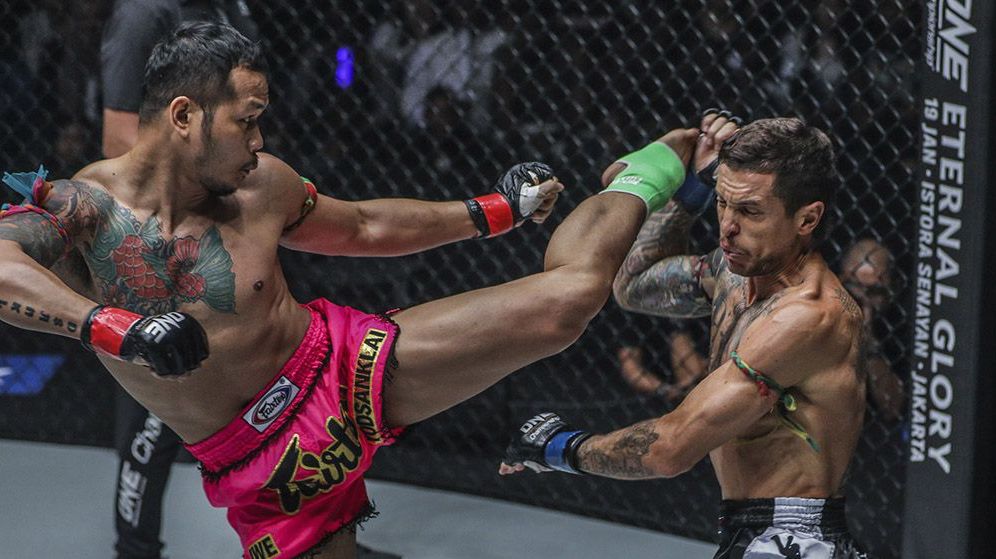
Grasping which specific fighting style truly works for an individual is not a revelation that happens overnight or at the drop of a hat. Within the world of Muay Thai, the process of athletic and stylistic development requires an immense investment of time, sustained physical effort, and profound patience. Sharpening offensive weapons and identifying glaring defensive flaws necessitates constant practice, repetitive drilling, and constructive technical input from qualified coaches and experienced training partners. A practitioner might initially believe that their unique body type and rudimentary skill set naturally suit a particular style, only to discover through hard experience that they were entirely mistaken.

Beginners entering the doors of a Muay Thai gym must first master the fundamental building blocks of the sport before they can even entertain thoughts of refining the finer details of their attacking and defensive platforms. Once these essential stages of a fighter’s foundational development have been successfully achieved, ample time opens up to concentrate on working toward a more specialized and effective style of combat. While there are certainly no shortcuts to mastery in Muay Thai, there are proven methods to enhance operational efficiency, improve striking accuracy, and systematically limit vulnerabilities inside the ropes. Ultimately, the only practical way of finding the right personal style and understanding the sport from the perspective of an advanced practitioner is to dedicate oneself to working through the developmental pipeline.
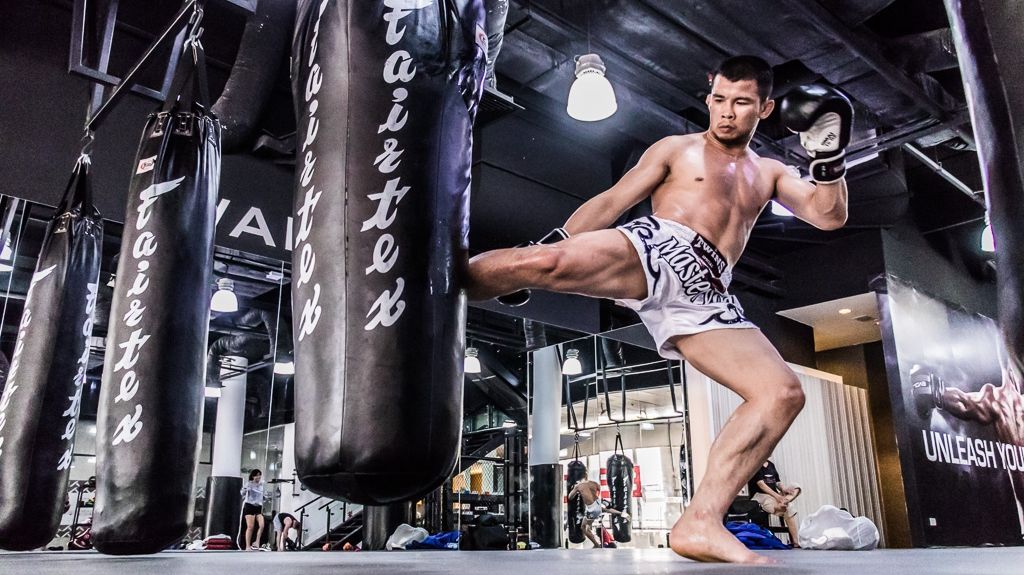
Once a student has nailed the fundamentals and reaches a stage where they are engaging in regular sparring sessions—and perhaps even stepping forward to compete in sanctioned bouts—they will receive more advanced technical guidance from their trainers and peers. One of the most invaluable contributions a true coach can introduce to a developing fighter’s game is instruction on how to capitalize on their specific body type and the physiological attributes that accompany it.

For instance, consider a fighter who possesses a shorter stature yet remains light on their feet, exceptionally fast, and technically proficient, but ultimately lacks heavy knockout power and struggles to absorb high-impact blows. For this specific athlete, the Muay Femur style, which centers on being a technical stylist and strategist, immediately comes to mind as a viable path. That said, sports analysts and trainers widely acknowledge that the technical fighter style is arguably the most difficult and demanding to truly master.

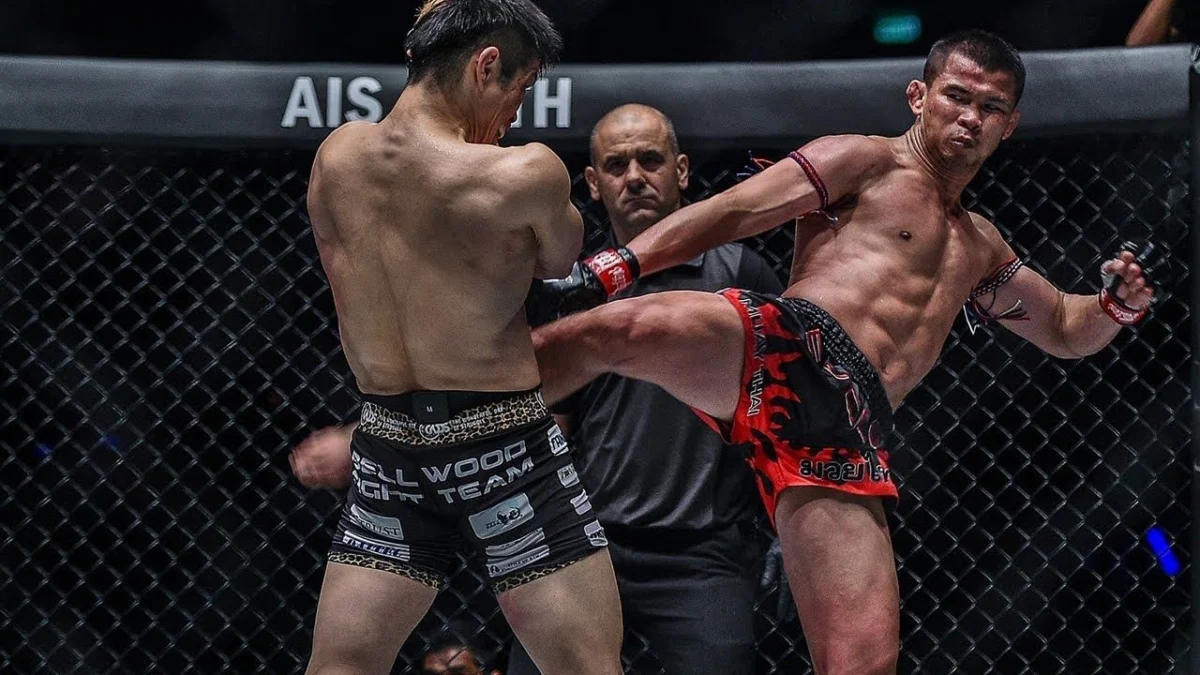
On the other end of the physical spectrum, a tall and rangy fighter who exhibits an extraordinary ability to land devastating knees and sharp elbows while operating effectively on the inside of the clinch would naturally find themselves far better suited to the Muay Khao style, commonly known as the knee fighter. Conversely, a smaller competitor who struggles against taller opponents and lacks the physical leverage to cause significant damage would find themselves ill-suited to this aggressive, inside-oriented approach. The mismatch occurs simply because their physical attributes do not align with the core mechanics that define the style.

One of the most critical realizations for beginner-to-intermediate competitors is coming to terms with their own physical architecture. Martial arts enthusiasts frequently admire iconic champions and attempt to incorporate their signature techniques and tactics into their own training regimens. However, a crucial question must be asked: would attempting to aggressively pressure and brawl like Ramon Dekkers truly suit an athlete who would be vastly better off utilizing exceptional height and long limbs to fight safely from the outside?

The guidance and daily input of professional trainers and dedicated teammates remain crucial to continuous progression as a competitor in Muay Thai. It is vital to surround oneself with individuals whose mentorship fosters development. Yet, the heavy lifting ultimately rests on the shoulders of the individual athlete. Expecting anyone to completely hold a student’s hand and provide a guided map through every single drilling session or technical dilemma is unrealistic.

Practitioners must be fully prepared to do their own homework when searching for the fighting style that best suits their identity. Some of these lessons will inevitably be painful—such as discovering through hard sparring that short limbs are not tailor-made for fighting at a distance. Nevertheless, a smart, analytical fighter who conducts their training with genuine passion will ultimately achieve their goals.

Investing time in reading and researching the various traditional styles of Muay Thai is essential to understanding how they are executed with maximum efficiency. Beyond physical training, expanding one’s knowledge base through reading, studying instructional videos, and reviewing technical breakdowns of how legendary fighters implemented these styles to perfection will significantly aid athletic development. While a tremendous amount of knowledge is absorbed through live sparring and pad work, investing in the theoretical study of Muay Thai is just as critical to long-term success.

Observing archival footage of the legends who demonstrated how best to utilize these distinct styles provides an invaluable visual education. Aspiring competitors should pay meticulous attention to the physical builds, heights, and tactical tendencies of historical greats, noting whether they placed a higher emphasis on raw power, high-volume output, or specific specialized strikes.

The early stages of any Muay Thai journey should naturally be filled with excitement, optimism, and anticipation. At the same time, the minor injuries, occasional doubts, and inevitable setbacks encountered along the way must be recognized as standard components of athletic growth. Every single minor setback serves as a rigorous test of personal character and an examination of an individual’s true willingness to succeed. After all, perseverance through failure often serves as the foundation for nearly every notable success story in sports history.

With the right application, unwavering dedication, and a commitment to honest self-assessment, practitioners will soon discover what works and what fails inside the training ring. Muay Thai is an uncompromising martial art that demands absolute respect, and it rarely returns anything less than the exact measure of effort an individual invests into its study.