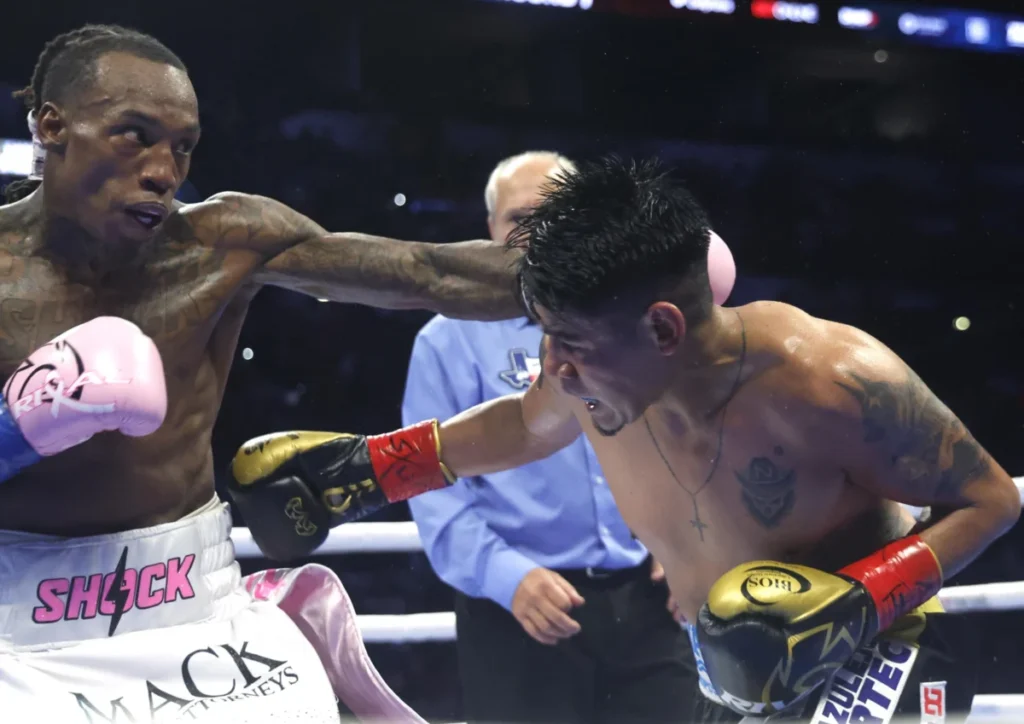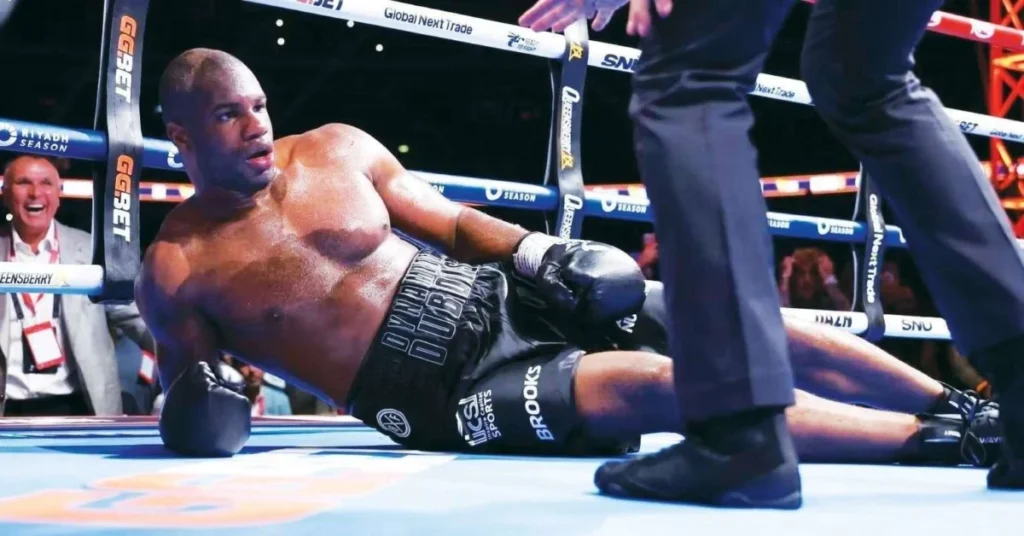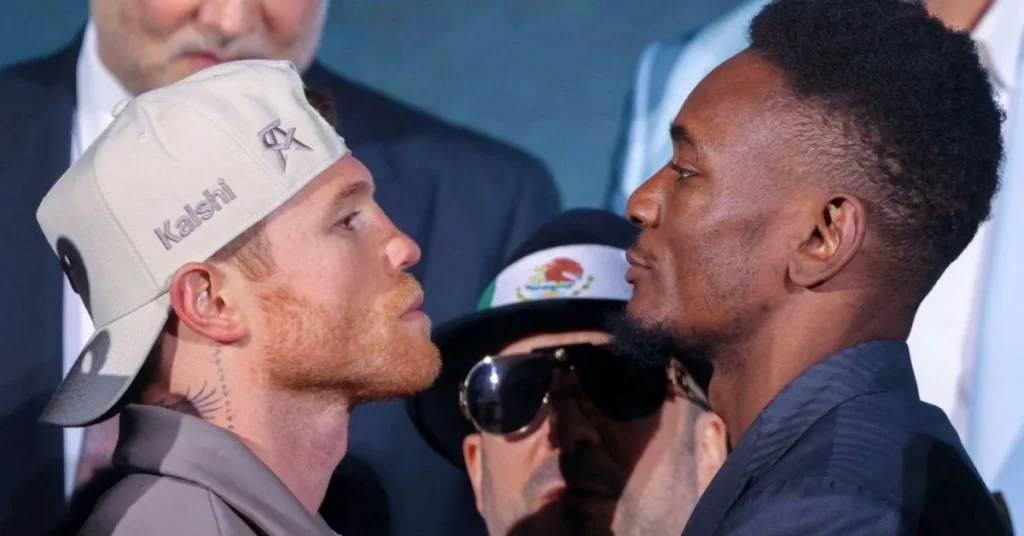
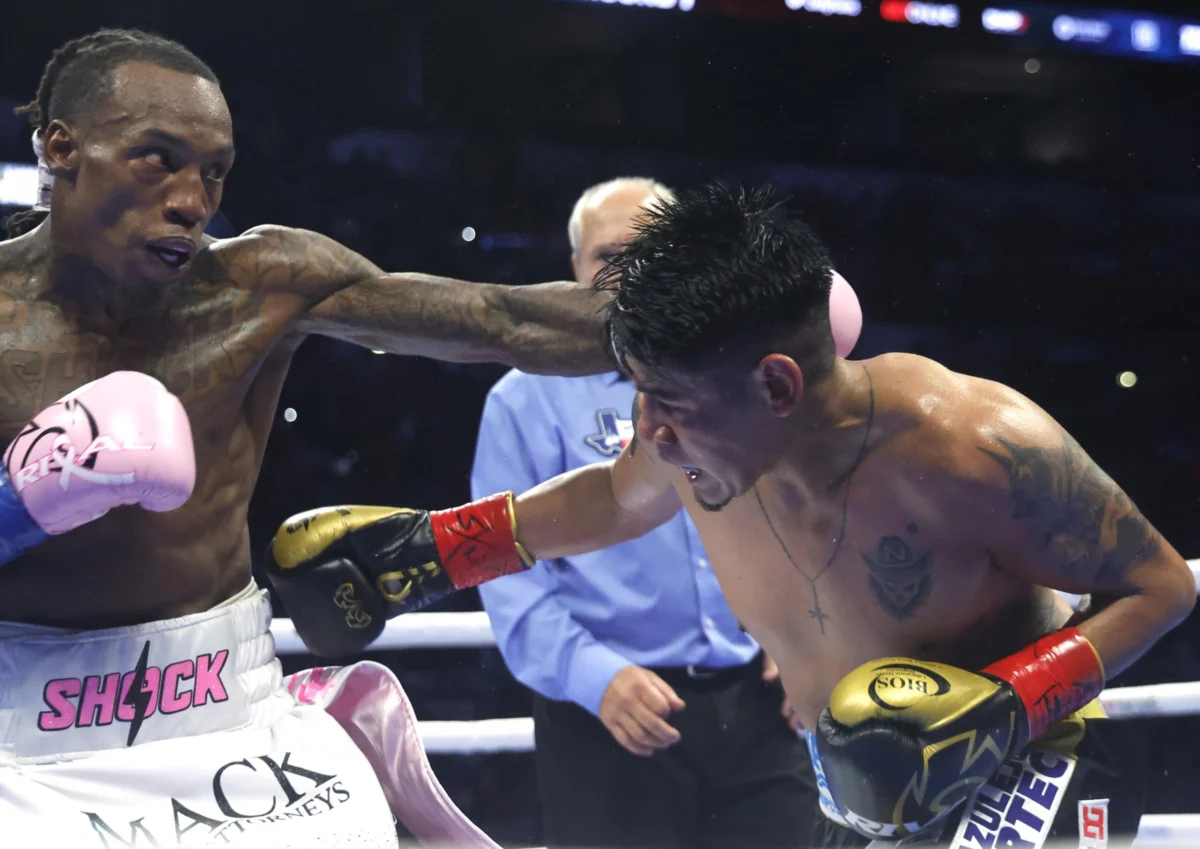
Following a dramatic slate of high-stakes action inside the ring, boxing fans find themselves grappling with a series of compelling narrative developments across multiple weight classes. From O’Shaquie Foster’s masterful victory over Emanuel Navarrete to Vasiliy Lomachenko’s prospective return to the super featherweight division, and the ongoing debate surrounding Canelo Alvarez’s standing in the annals of Mexican boxing history, the sport remains as rich in discussion as ever.
In this edition of our mailbag, we address pressing questions regarding world title paths, hall-of-fame credentials, prospect scouting, and the structural dynamics of American boxing.
O’Shaquie Foster’s Next Move and Fighter of the Year Standing
Question: Now that O’Shaquie Foster has thoroughly dispatched Navarrete, what is his most likely scenario moving forward? With Charly Suarez, Anthony Cacace, and now Vasiliy Lomachenko at 130 pounds, but also Foster’s stated desire to go after bigger fish like Shakur Stevenson and Devin Haney, what do you think his most likely path will be? Furthermore, where does he stand in the Fighter of the Year and Pound-for-Pound races?
Analysis: Until proven otherwise, the expectation should be for Foster to fulfill his mandated defense against Charly Suarez. It remains an intriguing, high-quality matchup on paper. Even following an exceptionally dominant and high-profile victory over Emanuel Navarrete, securing an immediate crossover mega-fight might prove challenging in terms of scheduling and negotiation turnarounds.
The primary alternative to the Suarez defense hinges on Vasiliy Lomachenko. Should the former pound-for-pound star decide to step straight back into elite contention by next spring, a matchup against Foster becomes instantly viable. In that scenario, it would surprise no one if Foster ultimately chose to vacate or drop a belt to facilitate a career-defining showdown against Lomachenko. Beyond 130 pounds, while matches against lightweights like Shakur Stevenson or Devin Haney carry significant attraction, navigating sanctioning obligations and promotional interests usually takes time.
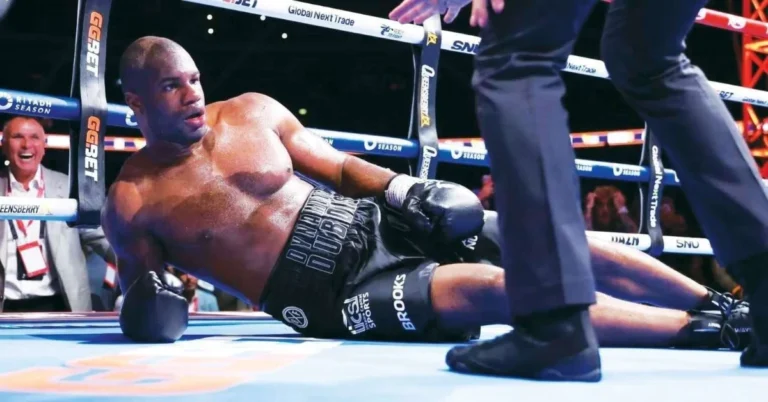
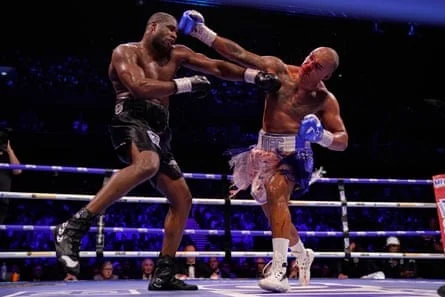
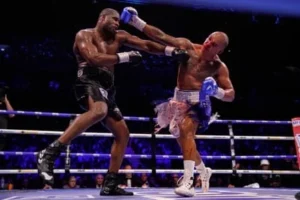
Regarding Year-End Honors, Foster currently sits at the very top of the Fighter of the Year candidates. While heavyweight champion Daniel Dubois presents a formidable argument based on his recent campaign, Foster’s clinic against Navarrete stands out as a defining performance. It completes one of the most compelling career turnarounds in modern boxing history—a story of a fighter who refused to walk away, made the necessary sacrifices and adjustments, and developed into an elite world champion.
That performance also earns him a legitimate place in or near the lower boundary of the global top ten pound-for-pound rankings. While such rankings are inherently fluid and his placement could be subject to how the rest of the division unfolds, Foster has undeniably transformed into the finest version of himself inside the square circle.
Vasiliy Lomachenko’s Return to 130 Pounds
Question: Vasiliy Lomachenko is planning a return with the goal of becoming undisputed at 130 pounds. What odds do you give him to accomplish this? It seems like a tall order given his age and layoff, but he is Lomachenko.
Analysis: Statistically and realistically, the odds of any fighter achieving undisputed status in the modern multi-belt era remain remarkably low. For Lomachenko, attempting this feat upon his return presents significant hurdles.
Super featherweight (130 pounds) has always been Lomachenko’s most natural weight class. Although he achieved magnificent success at lightweight (135 pounds), he was never a true lightweight in terms of physical frame. Dropping back down to 130 pounds gives him his best tactical advantage from a structural standpoint.
However, the variables working against him are substantial. By the time Lomachenko steps back into the ring, he will be approaching 39 years of age in February and coming off a hiatus that spans approximately three years. Assessing what physical form he will retain after such an extended absence remains pure speculation until the bell rings.
Furthermore, the championship landscape at 130 pounds is anything but soft. A champion like O’Shaquie Foster is no transitional holder or paper titleist. The current iteration of Foster possesses the skill set, range, and sharpness to give any version of Lomachenko severe stylistic difficulties, let alone a veteran coming off a long layoff.
Despite those long odds, seeing Lomachenko make another run is a positive development for the sport. Athletic lifespans in elite combat sports are notoriously brief. If Lomachenko remains healthy, motivated, and determined to test his limits, taking this final run ensures he leaves no unfulfilled ambition behind.
Canelo Alvarez’s Place in Mexican Boxing History and Hall of Fame Credentials
Question: Where does Canelo Alvarez rank among the greatest Mexican fighters of all time? As he nears the backend of his career, is he a true Hall of Famer, or is he overrated?
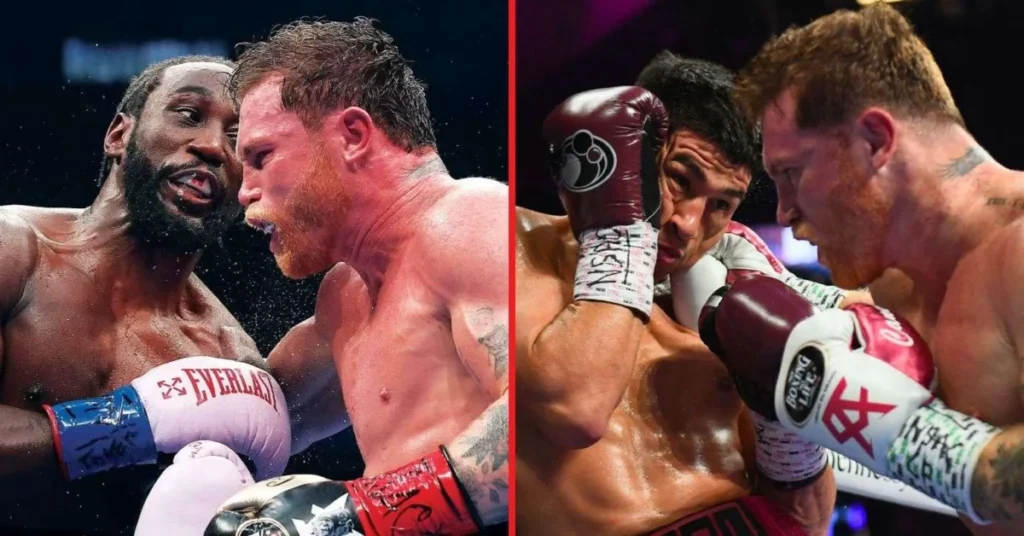
Analysis: When assessing Canelo Alvarez’s historical ranking among Mexican legends, he unquestionably sits near the top tier, though he has not surpassed Julio Cesar Chavez.
Determining "greatness" involves far more than accumulating title belts or listing statistical credentials. Raw accomplishment tallies can occasionally be skewed by modern sanctioning body proliferation or match-selection caveats. Historical greatness requires measuring cultural resonance and emotional impact. In that regard, Julio Cesar Chavez’s cultural footprint within Mexico and across the global boxing landscape places him on an elevated tier that remains largely out of reach for modern fighters, including Canelo.
If an evaluation is restricted strictly to resume metrics and multi-division title collection, an argument can be made for Canelo at the very top. However, from a broader historical lens, Chavez retains the standard for legendary Mexican fighters.
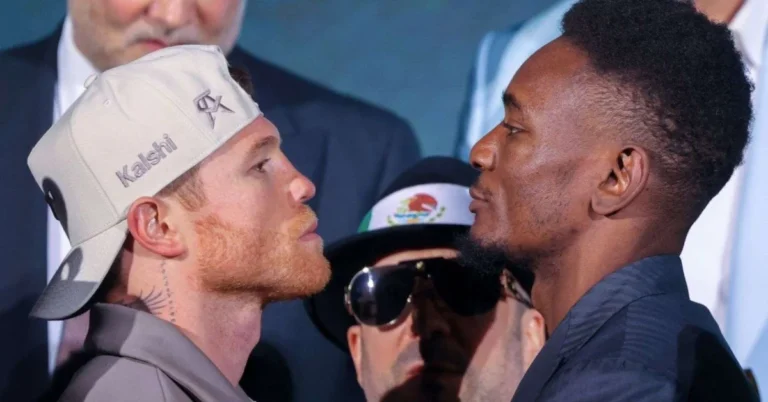
As for his ultimate legacy, Canelo Alvarez’s credentials as a first-ballot Hall of Famer are entirely secure. Even in an extreme hypothetical where he were to suffer a dramatic first-round defeat against a challenger like Christian Mbilli, his overall body of work already seals his place in Canastota.
The lingering point of contention among fans regarding Canelo’s historical standing remains his past performance-enhancing drug scandal. While that chapter will continue to be debated heavily by fans and historians, the broader boxing establishment has historically demonstrated little inclination to diminish a fighter’s legacy over past test infractions.
The Rise of Terence Crawford and Evaluating Young Prospects
Question: How did Terence Crawford remain under the radar for so long before signing with Top Rank, and how was he able to spar so effectively against an established champion like Tim Bradley early on? Additionally, between prospects Leo Atang and Adam Olaniyan, who represents the better long-term investment?
Analysis: Terence Crawford’s initial lack of mainstream recognition early in his career boils down to talent identification practices and geographical origin. Crawford came out of Omaha, Nebraska—a region not traditionally viewed as a primary hotbed for boxing talent, scouting, or major promotional presence. Furthermore, he lacked the massive, highly publicized amateur pedigree that typically launches top prospects into lucrative early promotional deals.
The boxing ecosystem frequently overlooks elite talent located outside traditional hubs. Figures like promoter Sampson Lewkowicz built reputations by locating elite prospects in places overlooked by major talent scouts. Crawford’s trajectory was similar; his supreme natural ability simply existed outside the immediate radar of major promoters until his talent made itself impossible to ignore.
Regarding his famous early sparring sessions with Tim Bradley—which eventually prompted Bradley to recommend Crawford to Top Rank—it came down to rare, generational talent. Bradley was a world-class, highly accomplished champion in his own right, but Crawford possessed an elite level of adaptability and instinct that caught even elite opposition off guard.
When evaluating current ultra-young prospects like Leo Atang and Adam Olaniyan, making definitive long-term projections is an inherent gamble. Both fighters are extraordinarily young, and predicting how raw talent translates over a multi-year development cycle remains uncertain. Forced to select one as a long-term prospect investment, Adam Olaniyan holds a very slight edge, though both represent high-upside developmental gambles.
Hypothetical Matchups: Shrinking the Big Men
Question: If you could scale down any modern heavyweight to fight a lower-weight star, what matchup would you create?
Analysis: While an all-Ukrainian clash between a scaled-down Oleksandr Usyk and Vasiliy Lomachenko offers a fascinating technical exercise, another compelling hypothetical involves scaling Tyson Fury down to face Terence Crawford at welterweight or super welterweight.
Although Crawford is officially retired and Fury frequently hints at his own retirement, Fury’s unique stylistic profile would make for a captivating dynamic in the lower divisions. Fury’s unorthodox movement, twitchy reflexes, and feint-heavy approach are extremely rare for a man of his size.
In this hypothetical scenario, assuming Fury retained his proportional height advantage—standing around 6-foot-3 at 147 or 154 pounds—watching Crawford’s elite counterpunching and switch-hitting adaptability attempt to solve Fury’s awkward rhythm and length would represent a supreme chess match.
The State of the American Regional Title System
Question: Why haven’t sanctioning bodies organized a structured regional title system in North America (NABA, NABF, NABO, USBA) similar to the UK or Japan? Would a functional domestic system actually matter for young American fighters?
Analysis: At this point in the commercial evolution of American boxing, it is likely too late to construct a fully integrated, functional regional title pathway like those operating successfully in Great Britain or Japan.
In theory, a structured regional framework offers immense value to the sport’s ecosystem. It accomplishes two vital functions: first, it provides blue-chip prospects with a clear, step-by-step progression toward world contention; second, it creates a sustainable, honorable ecosystem for solid domestic-level fighters. Athletes who may lack world-championship ceilings can instead engage in highly competitive, memorable regional title fights matched at their appropriate level.
Implementing such a system in the United States today would require a complete re-education of both promoters and the domestic fan base. However, given that the modern American boxing audience consists predominantly of dedicated, hard-core followers, a well-promoted regional circuit could, over time, find an appreciative audience that values meaningful domestic rivalries over artificial undefeated records.