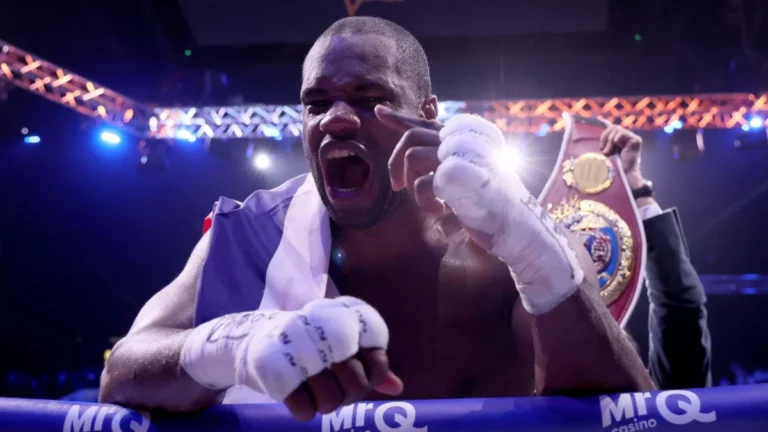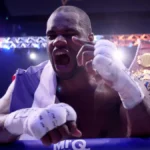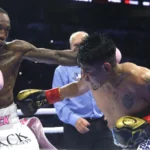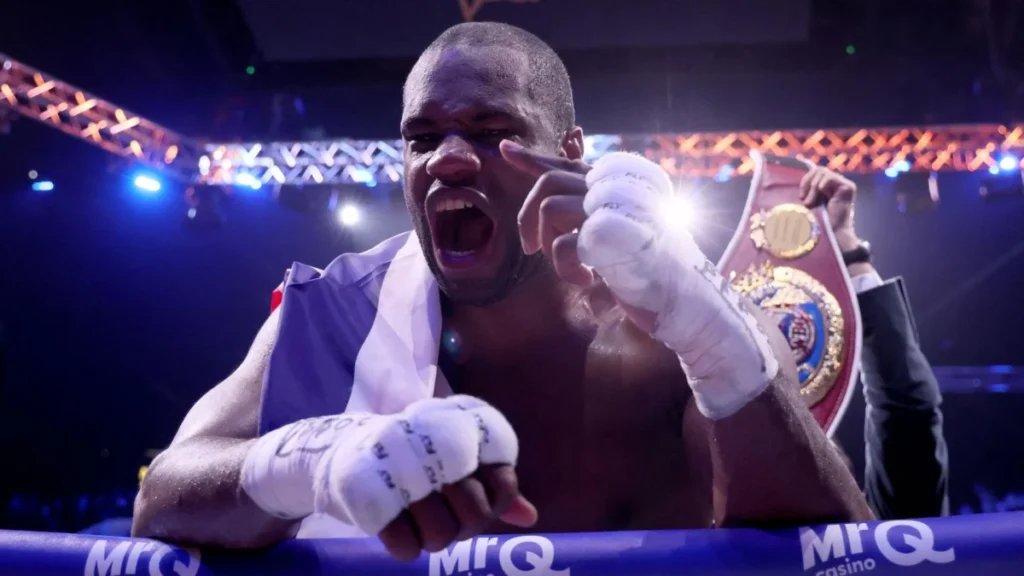

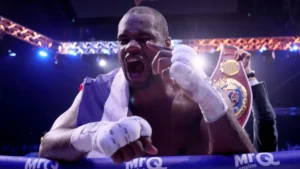
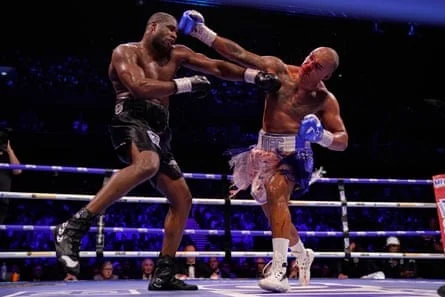
Five months after one of the most punishing and dramatic battles seen in a British ring in recent memory, Daniel Dubois and Fabio Wardley are set to face each other once again this Saturday night at the O2 Arena in London. The decision by Wardley to step back into the squared circle with the man who inflicted a severe, career-altering beating upon him in Manchester has raised profound questions across the boxing world. For ringside observers who witnessed their first encounter, the immediate aftermath suggested that Wardley required a prolonged period of rest, followed by a carefully measured, far less perilous return to competition. Instead, the 31-year-old former champion has rejected the path of caution, demanding an immediate rematch against the bludgeoning power of Dubois with his former WBO world heavyweight title backdrop hanging heavy over the contest.
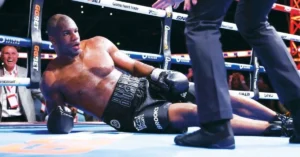
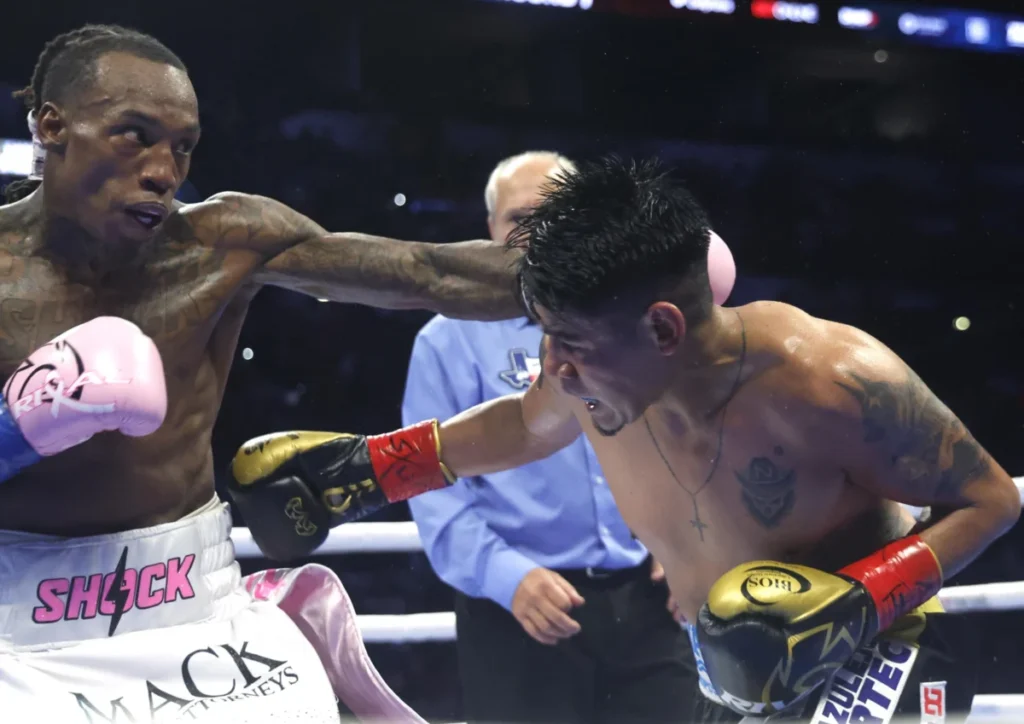
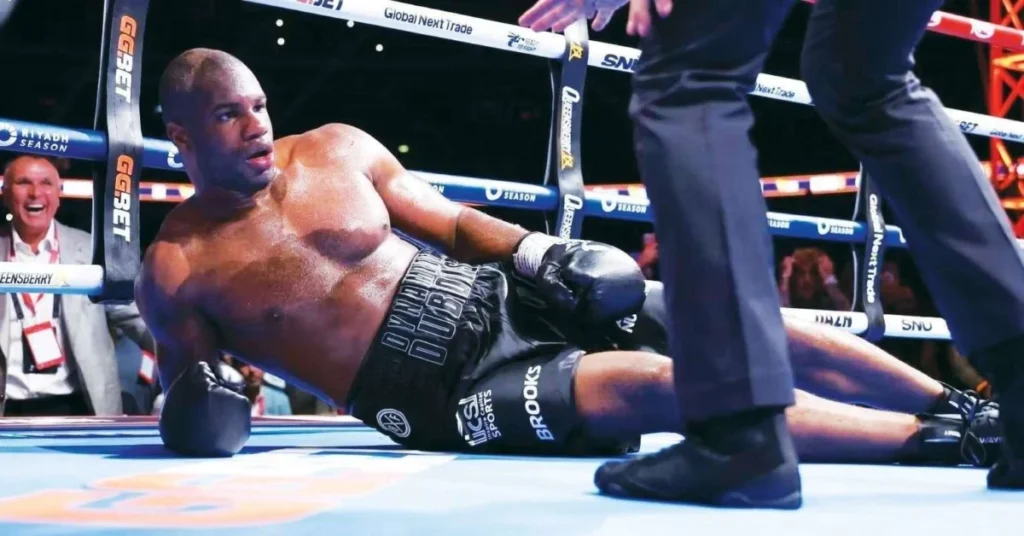
To fully understand the atmospheric tension surrounding Saturday night’s fight, one must revisit the chaotic and grueling evening in Manchester five months ago. That contest, which immediately entered discussions as a fight of the year candidate, offered a raw and thrilling insight into the uncompromising brutality of heavyweight boxing. In the opening stages, it was easy to be swept up in the high-stakes drama as Wardley, defending his WBO crown, dropped his more seasoned and favoured rival in both the first and third rounds. Dubois, a 29-year-old fighter whose heart and courage had been publicly questioned in past defeats, found himself teetering on the edge of disaster early on. Yet, in a powerful display of resolve, Dubois pulled himself up from the canvas on both occasions and fought back with admirable determination.
What unfolded after those early knockdowns was a systematic shift in momentum that turned the bout into an increasingly uncomfortable spectacle. Dubois gradually took complete control of the contest, establishing his rhythm and administering a punishing beatdown round after round. As the fight progressed into the second half, ringside concern for Wardley intensified significantly. It became a deeply worrying sight as the reeling champion, driven solely by pride and defiance, refused to go down despite the immense physical damage being inflicted by Dubois’ heavy, concussive blows. A terrible gash opened up across the bridge of Wardley’s nose, and his facial features swelled heavily under the sustained assault.
The end finally came in the 11th round, when the referee was forced to step in and rescue Wardley from his own overwhelming bravery. While the stoppage preserved Wardley’s immediate health, it was precisely the kind of heavy, lingering defeat that historically takes years off a fighter’s career. The physical tax levied in such encounters often remains long after the visible cuts and bruises have healed, making Wardley’s insistence on an immediate rematch all the more remarkable.
Wardley has long been regarded as one of the most intelligent and articulate figures in British heavyweight boxing, a sharp contrast to the stereotypical image of a division built on raw aggression. His decision to bypass a long recovery period and march straight back into a showdown with Dubois has surprised many within the sport. Yet, speaking ahead of the fight, the Ipswich man—whose previously immaculate unbeaten record was ruined by Dubois in Manchester—attempted to downplay the severity of the damage he suffered during their first bout.
Reflecting on the grueling visuals of that 11th-round stoppage, Wardley offered a surprisingly detached, almost cinematic interpretation of the carnage. "The thought of [their first fight] is worse than the reality," Wardley insisted this week. "You put a bit of blood there, add some water and sweat and a punch that makes it spray everywhere, and all of a sudden it looks like a Quentin Tarantino film. It looks a bit mental."
In Wardley’s view, the public narrative surrounding the fight oversold the physical trauma he endured in the ring. He maintained that the visible injuries were superficial rather than structural, rejecting the idea that Dubois had broken him physically. "But there was no real actual physical damage aside from cosmetically," Wardley explained. "There was a cut, but my nose wasn’t broken. I could still breathe fine, everything in good working order. I was just leaking a bit [of blood]. But I’ve been hit earlier in my career with harder shots that have rocked me more than anything that happened in the first fight between us."
Furthermore, Wardley suggested that his late-round collapse in Manchester was the result of acute cardiovascular fatigue rather than the devastating force of Dubois’ punching power. However, this clinical self-assessment stands in stark contrast to the sobering reality observed from the ringside seats that night, where Wardley resembled a broken, weaving figure operating on pure instinct while absorbing relentless punishment.
Far from being discouraged by the loss of his unbeaten record, Wardley claims to have made peace with the vulnerability that comes with fighting at the absolute pinnacle of the division. At this week’s press conference, he reflected on the loss as an inevitable hazard of his ambition. "I was unlikely to get through this boxing game unscathed with an undefeated record, because I want to be in there with the best guys," Wardley remarked. "And that puts you in jeopardy. I can right those wrongs. Now is the fun bit."

Dubois, sitting nearby at the press conference, looked entirely unimpressed by Wardley’s optimism. In his typically terse and understated manner, the 29-year-old champion dismissed any suggestion that Wardley would experience anything other than another night freighted with extreme physical pain. Dubois enters Saturday’s rematch operating at the peak of his powers, backed by a formidable resume that includes high-profile victories over former champion Anthony Joshua and Filip Hrgovic, who has since captured the IBF version of the world heavyweight title.
"I’m feeling stronger, just grounded and ready to go out there and do my job," Dubois said, offering a cold and focused response to Wardley’s comments. "Do this thing and move on to bigger and better things."
Dubois enters the bout as a prohibitive favourite, carrying the confidence of a fighter who believes he has already solved the puzzle presented by his rival. He pointed to his deep amateur background and elite fight experience as structural advantages that Wardley simply cannot match. "I’m a better fighter, an improved fighter," Dubois added. "I’ll finish it quicker. I’m gonna school him again. That experience, and amateur background that you can’t buy, is what I’ve got on my side. Even without that, I’ve got his number. This time around, it’s going to be more clinical."
Tactically, the consensus among observers is that Wardley’s best chance of reversing the previous outcome lies in opening up an aggressive assault early in the fight. Having proved he possesses the concussive power to drop Dubois in the opening rounds, Wardley may be forced to gamble on an all-out slugfest from the opening bell, hoping his punches can overwhelm the champion before Dubois settles into his dominant jab and power combinations.
Wardley himself appeared to confirm that a quick, chaotic approach is his primary objective. "It’s only going one way," Wardley warned. "It’s finishing early one way or another. It’s going to be a crazy night. Everyone, tune in."
However, not everyone in the boxing community believes Wardley’s decision to re-enter the ring with Dubois is a wise tactical move. Derek Chisora, the veteran heavyweight warhorse who continues to tease yet another comeback to the ring, offered a scathing critique during a radio appearance this week. Chisora openly questioned Wardley’s motivations, suggesting that the former champion may be looking toward the exit door of his professional fighting career.
"I think this is Wardley’s last fight," Chisora remarked bluntly. "I believe he is concentrating on being a pundit. I don’t think he wants to box any more; I think this is a cash-out. Wardley is going to come out in the first three rounds and try to lay it on Daniel but, after three rounds, Daniel is going to get another knockout."
Wardley, however, remains steadfast in his belief that he can engineer a dramatic turnaround, pointing to past experiences in his career where he successfully rectified early struggles against a dangerous rival. Specifically, Wardley draws confidence from his memorable two-fight series against Frazer Clarke. In March 2024, Wardley and Clarke fought to a near standstill in a savage, blood-spattered contest at the O2 Arena that ended in a thrilling draw. Seven months later, returning to the very same venue, Wardley completely turned the tables, dismantling and knocking out Clarke in shocking fashion in just over two minutes. Wardley believes that the lessons learned during his first ordeal against Dubois will allow him to execute a similar turnaround this Saturday.
Yet, despite Wardley’s articulate optimism and his insistence that his body remains unscarred by their first battle, the harsh realities of heavyweight boxing offer a stern warning. Stepping back into the ring with a puncher as relentless as Dubois so soon after enduring an 11-round beatdown presents an immense psychological and physical hurdle. While Wardley envisions another glorious chapter of career redemption at the O2 Arena, the cold logic of the ring suggests he may be trading in dangerous fantasy against a champion who has already proven he has his number.