

When strength coach Ken Jakalski incorporates kettlebells into his athletes’ conditioning regimens, he does so with a clear understanding of both their utility and their limitations. Influenced by prominent conditioning figures like Pavel Tsatsouline and Dan John, Jakalski recognizes the undeniable appeal that these cast-iron, cannonball-like weights hold for modern athletes. Yet, he is equally quick to separate the contemporary fitness craze from the actual historical origins of the equipment, viewing kettlebells not as a revolutionary secret weapon, but as one of many valuable tools in a comprehensive strength-training toolkit.
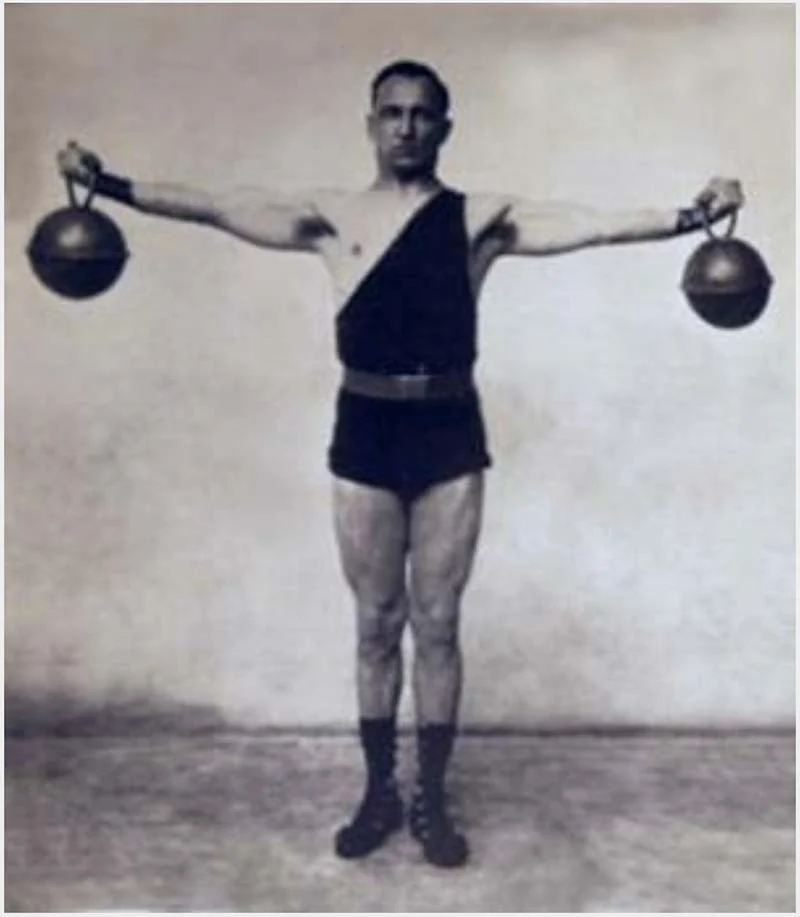
The current fascination with kettlebells among Western trainers is often traced back to the narrative that they were once a secret conditioning instrument utilized by Soviet special forces. However, as cultural and sports historian David Landau points out, the historical reality is far less tactical and much more theatrical. Landau notes that kettlebells are genuinely rooted in the worlds of the circus, vaudeville, and old-time physical culture, describing them rather bluntly as a somewhat rudimentary weight training apparatus with inherent mechanical limitations.
The romanticized view of Eastern Bloc training methods often fuels the modern appetite for such equipment. This phenomenon is vividly illustrated in popular culture, most notably through cinematic portrayals like Rocky IV, where the Soviet boxer Ivan Drago is depicted as the ultimate product of high-technology training environments, computerized diagnostics, and futuristic laboratories. This imagery stands in stark contrast to the gritty, rustic training methods attributed to the protagonist, Rocky Balboa, who famously sweats it out in a barn using low-tech implements like ox yokes.
However, as Rick Brunner clarifies in his authoritative text, Soviet Training and Recovery Methods, the reality of sports science behind the Iron Curtain during the height of its athletic dominance was vastly different from Hollywood depictions. In actual practice, Soviet athletes frequently trained in austere environments such as barns and basements, utilizing equipment fashioned from discarded railroad car axles and running through harsh winter snows. The vast majority of these elite competitors had never laid eyes on a computer, let alone sophisticated fitness machinery like Cybex diagnostic systems, Lifecycle stationary bikes, or Stairmaster units.

This ground-level reality was further confirmed when American coaches visiting the Soviet Union in the 1980s observed athletes training with basic, unadorned instruments. When researchers inquired about the theoretical foundations of their training programs, the athletes simply pointed to a stack of classic bodybuilding publications like Weider Muscle magazines. Alongside basic barbells and isometric setups, these training spaces occasionally featured unconventional weights that historians recognize as early iterations of the modern kettlebell.
Consequently, the kettlebell known to contemporary gyms is not a cutting-edge piece of biomechanical engineering. Early strength pioneers readily acknowledged its structural shortcomings. Strength authority Alan Calvert famously cautioned that any individual who purchases a single kettlebell under the impression that it alone can develop every muscle group in the body to its maximum potential is bound to face significant disappointment.
Why Coaches Still Turn to Kettlebells
Despite these structural limitations and the historical mythos surrounding them, kettlebells remain a foundational element in Jakalski’s training programs, much like they do for countless other strength and conditioning professionals. Proponents of kettlebell training present compelling arguments for their continued inclusion in athletic development. John Powers, a notable advocate for the methodology, highlights that a primary advantage of kettlebells over conventional dumbbells, straight barbells, and selectorized machines lies in the inherently dynamic and ballistic nature of the movements they facilitate.
This ballistic quality means athletes can seamlessly utilize kettlebells to execute complex movement patterns involving lifting, pushing, pulling, and reaching. More importantly, the ongoing demand for inter- and intramuscular coordination, coupled with heightened kinesthetic awareness, remains remarkably consistent throughout the execution of the exercise. Every kettlebell movement recruits a wide array of muscles and joints simultaneously, ensuring that the core, hips, and other crucial stabilizing structures are engaged in continuous, dynamic labor.

Respected strength coach Dan John has frequently emphasized the fundamental efficacy of these movements, noting that teaching a proper swing and variations of the deadlift invariably yields measurable performance dividends. For John, the kettlebell swing remains an indispensable baseline exercise for both metabolic conditioning and general athletic preparation.
In practical application, coaches often leverage kettlebells as an effective developmental bridge toward more demanding primary barbell and structural lifts. These transitions frequently lead into heavy compound movements such as trap-bar deadlifts, single-leg deadlifts, single-leg cleans, and weighted step-ups. Kettlebells provide an accessible entry point for athletes to master movement mechanics before transitioning to heavier loads. Within this framework, movements like the goblet squat and the traditional kettlebell swing serve as essential pedagogical tools.
The foundational utility of kettlebell lifting has long been recognized within sports science literature. An article published in the 1984 Soviet Weightlifting Yearbook, titled "Kettlebell Lifting as an Effective Means of Physical Education," concluded that ballistic weight exercises offered exceptional versatility for conditioning across a wide spectrum of athletic disciplines.
The publication highlighted that the suitability of kettlebell lifting stemmed from the feasibility of individualized training sessions, the technical simplicity of the foundational movements, the relative affordability of the equipment, and the adaptability of the practice across diverse age groups. According to the findings, consistent kettlebell training developed core physical capacities and enhanced overall physical work capacity, justifying its classification as an efficient medium for comprehensive physical education.

Balancing Tradition and Utility in Modern Training
As a growing number of athletes and coaches continue to discover and advocate for the implement, a central question remains: Is the kettlebell truly a universal solution that enhances every single parameter of physical performance? Does it inherently surpass traditional dumbbells and straight barbells, or is the persistent hype surrounding kettlebells simply another iteration of what legendary Dutch sprint coach Henk Kraaijenhof famously described as "old wine in new bottles"?
For practitioners like Jakalski, the value of the kettlebell lies primarily in athlete engagement and preference rather than any inherent superiority over alternative strength protocols. Understanding that kettlebells represent merely one valid methodology among many available to modern strength coaches prevents dogmatic adherence to a single piece of equipment.
Reflecting on the broader philosophy of physical preparation, sports scientist Mel Siff captured this balanced perspective succinctly, noting that kettlebell training can be exceptionally effective and enjoyable, much like dumbbell training, barbell work, and numerous other modalities of physical development. The ultimate caution for coaches is to maintain a broad perspective, ensuring that a passion for a specific tool does not blind them to the merits of alternative training philosophies.