

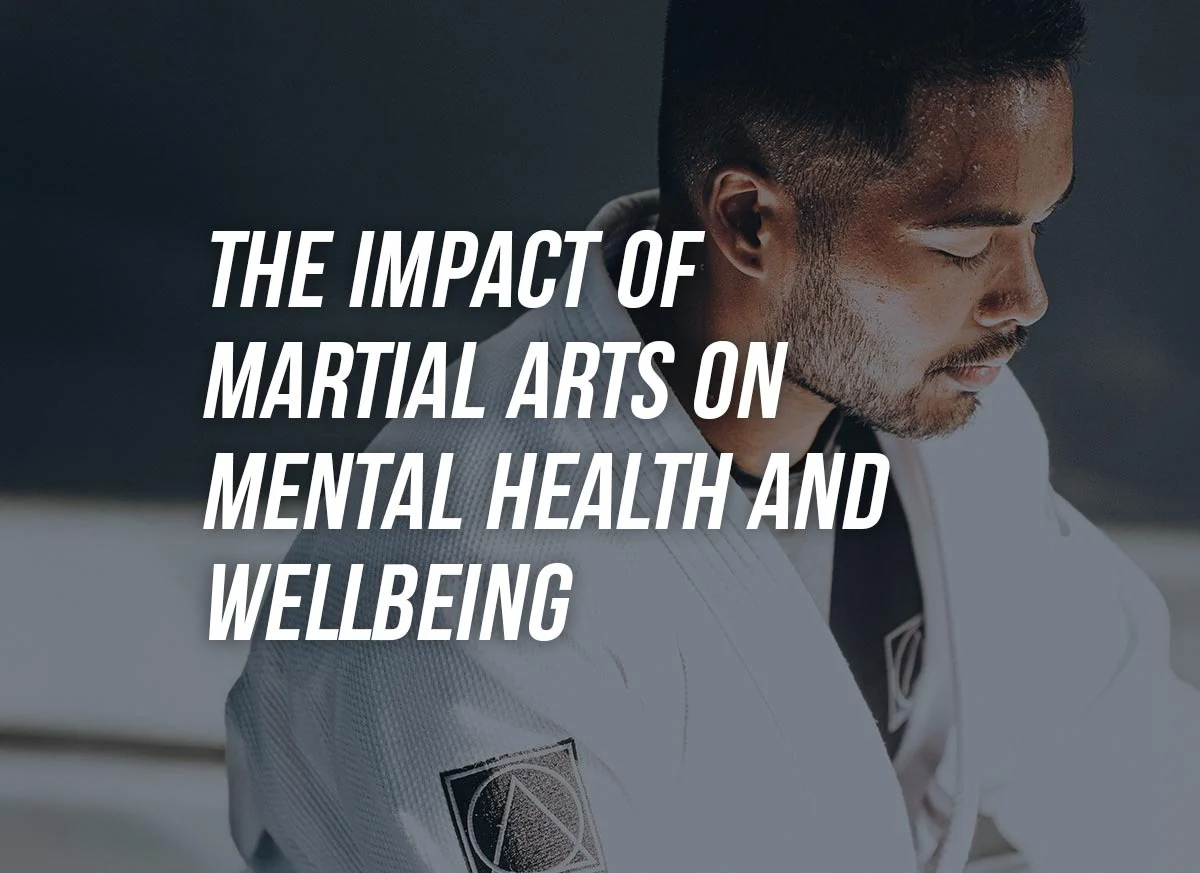
Martial arts have long captured the public imagination through their association with physical fitness, rigorous self-defense, and high-level combat skills. From the intense, high-octane environment of Mixed Martial Arts (MMA) and Muay Thai to the deeply meditative, fluid forms of Tai Chi and Aikido, these disciplines are widely recognized for pushing the human body to its limits. Yet, beyond the visible physical conditioning and cardiovascular endurance, an expanding body of research and decades of anecdotal evidence reveal a much deeper, more profound impact: the transformative effect of martial arts on mental health and psychological wellbeing.
As modern society grapples with rising rates of chronic stress, anxiety, and social isolation, individuals and healthcare practitioners alike are looking beyond conventional remedies. Increasingly, martial arts are being recognized not merely as combat sports, but as a holistic approach to total wellness. Over the past few decades, scientific inquiry has begun to validate what practitioners have known for generations—that stepping onto the mat offers profound benefits that extend far beyond physical strength, yielding measurable improvements in stress reduction, emotional regulation, self-esteem, and cognitive clarity.
Stress Reduction and Relaxation
For many individuals walking into a dojo, gym, or training hall for the first time, the immediate draw is physical conditioning, but what keeps them returning is often the psychological release. One of the most immediate and tangible benefits of martial arts training is its unique capacity to reduce stress and promote deep physiological relaxation. Unlike traditional workouts that may allow the mind to wander, martial arts demand total presence. Whether executing the crisp, disciplined movements of traditional Karate or moving through the meditative, continuous flow of Tai Chi, practitioners are forced to anchor themselves in the present moment. This absolute requirement for focus effectively severs the connection to external stressors, silencing the relentless background noise of daily worries, deadlines, and digital overload.
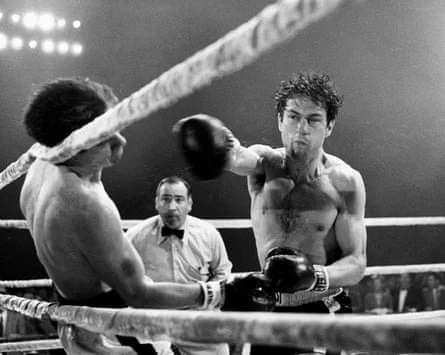
The intense physical exertion inherent in martial arts training triggers a biological cascade, most notably the release of endorphins. Often referred to as the body’s natural "feel-good" chemicals, endorphins act as powerful mood elevators and natural painkillers. Following a rigorous training session, practitioners frequently report a deep sense of calm and mental clarity, replacing the tension they carried through the door. Furthermore, martial arts provide a structured, disciplined outlet for pent-up frustration and accumulated aggression. In striking sports such as boxing, kickboxing, or MMA, channeling negative energy into heavy bags, focus mitts, or controlled sparring allows individuals to release psychological pressure in a safe, constructive environment governed by mutual respect and strict rules.
This intense mental engagement frequently induces what psychologists term a "flow state"—an optimal psychological condition where an individual becomes entirely absorbed in an activity. In this state, a person loses track of time, and external pressures temporarily cease to exist. The neurological effects of this absorption mirror the benefits of deep meditation, offering a mental sanctuary from daily anxieties.
Over time, regular engagement in martial arts conditioning leads to measurable physiological changes, including a sustained reduction in the body’s primary stress hormone, cortisol. For individuals suffering from chronic stress or generalized anxiety disorders, this hormonal regulation lays the foundation for long-term emotional stability and mental resilience.
Boosting Confidence and Self-Esteem
Beyond stress management, one of the most visible and transformative psychological outcomes of martial arts training is the systematic cultivation of self-confidence and self-esteem. As practitioners navigate their journey—progressing through belt ranks, mastering intricate techniques, and overcoming personal physical limitations—they earn a profound sense of accomplishment rooted in tangible effort. This steady, incremental progression instills a growth mindset: the deeply ingrained belief that dedication, perseverance, and continuous effort lead to genuine personal improvement and mastery.
This internal focus is particularly beneficial for children and adolescents, who often navigate turbulent developmental years under the microscope of social comparison and academic pressure. Unlike traditional team sports, where external validation through winning or losing heavily dictates an individual’s worth, martial arts place the spotlight firmly on personal accountability, self-discipline, and individual evolution. Practitioners learn to establish their own benchmarks, competing only against who they were yesterday, which fosters a sustainable, resilient sense of self-worth.
The acquisition of practical self-defense skills adds another layer of psychological empowerment. Knowing how to protect oneself and navigate potentially volatile situations instills a quiet sense of security and personal agency in daily life. This heightened confidence can be particularly therapeutic for individuals who have previously experienced trauma or those who navigate environments where they feel physically vulnerable.
However, this confidence is rarely built without facing adversity. The training process is inherently humbling; it involves frequent failure, whether that means getting swept during sparring, misjudging a distance, or struggling for weeks to lock in a complex grappling technique.
Over time, practitioners learn to reframe these inevitable setbacks not as reflections of personal inadequacy, but as essential opportunities for growth. This resilience does not remain confined to the training hall; it permeates every aspect of a practitioner’s life, fortifying their mental fortitude against the unpredictable challenges of the outside world.
Emotional Regulation and Anger Management
The crucible of martial arts training demands that practitioners maintain absolute composure under duress. Whether navigating the chaotic scrambles of Brazilian Jiu-Jitsu (BJJ) or facing an oncoming attack in striking arts, losing emotional control is a luxury that neither technique nor safety can afford. If a practitioner panics, grows overly frustrated, or loses their temper during high-stress scenarios like sparring or grappling, the immediate consequence is often a compromised position, a submission, or an avoidable injury.
This constant, high-stakes demand for composure teaches martial artists how to manage intense emotional states—such as anger, fear, and frustration—in real time. Disciplines like BJJ and Judo, which rely heavily on close-quarters grappling and joint manipulation, require extraordinary levels of patience. It is common for a practitioner to find themselves pinned under a heavier training partner in a restrictive, highly uncomfortable position that naturally triggers claustrophobia or panic. By repeatedly facing these controlled adversities, martial artists retrain their nervous systems to stay calm, think strategically, and systematically work their way through crises without resorting to emotional outbursts.
This cultivated ability to remain calm under pressure translates directly into everyday life. Furthermore, martial arts serve as an invaluable tool for individuals struggling with anger management. Rather than suppressing volatile emotions or allowing them to manifest destructively, martial arts provide a supervised, constructive arena to release emotional energy. Striking heavy bags, drilling combinations, or engaging in live resistance allows individuals to vent aggression safely, ensuring that no harm comes to themselves or others. Through this synthesis of emotional regulation and physical release, practitioners develop robust, lifelong coping mechanisms for emotional instability, anxiety, and anger.
Social Connection and Community Support
Despite the solitary nature of individual progression, martial arts are fundamentally communal practices deeply rooted in shared sweat, mutual trust, and collective growth. Many martial arts schools and gyms cultivate a profound sense of camaraderie, where members actively invest in each other’s success. This strong social fabric plays a vital role in psychological wellbeing, directly counteracting feelings of isolation, loneliness, and depression that so frequently plague modern populations.
Stepping onto the mat creates a unique social bond forged through common challenges, shared exhaustion, and mutual triumphs. Whether drilling sequences with a rotating partner, helping a newcomer grasp the fundamentals of a difficult throw, or pushing one another through the final minutes of a grueling conditioning circuit, these interactions build deep trust and respect. For many, the training facility evolves into a second home—a secure, non-judgmental space where individuals from all walks of life can connect on a purely human level.
Furthermore, traditional and modern martial arts alike emphasize foundational values such as respect, humility, integrity, and discipline. These core tenets establish an inclusive, welcoming culture where ego is routinely checked at the door, ensuring that practitioners of all ages, athletic abilities, and backgrounds feel valued. For individuals who struggle with social anxiety, low self-esteem, or difficulty fitting into traditional social structures, the clear boundaries and supportive atmosphere of a martial arts community offer a reliable framework for building meaningful relationships. The resulting network of peers and mentors provides an enduring source of encouragement and guidance, reinforcing the reality that personal growth is rarely a journey achieved in solitude.
Mind-Body Connection and Mental Clarity
At the intersection of physical movement and psychological focus lies the intricate mind-body connection, a cornerstone of numerous martial arts disciplines. Practices such as Tai Chi, Aikido, and traditional Kung Fu place immense emphasis on synchronizing breath, physical posture, and mental intent. This integrated approach trains the nervous system to achieve a heightened state of internal awareness, aligning physical actions with mental focus.
Breathwork, a fundamental component across virtually all martial styles, directly influences the autonomic nervous system. Deliberate, controlled breathing—such as the deep, abdominal breaths utilized in meditative and internal martial arts—signals the brain to downregulate the "fight-or-flight" response, replacing physiological panic with calm alertness. This deliberate regulation of breath clears mental fog, sharpening focus and generating a profound sense of inner equilibrium.
Simultaneously, the sheer cognitive demand of executing complex physical maneuvers requires intense mindfulness. Whether an athlete is memorizing a complex sequence of self-defense techniques or reading micro-movements in a live sparring exchange, there is no mental bandwidth left to ruminate on the past or worry about the future. This immersive concentration promotes cognitive sharpness and mental clarity, clearing away psychological clutter. By regularly bridging the gap between physical execution and mental awareness, practitioners cultivate a sustainable harmony between mind and body that yields lasting dividends for overall psychological wellbeing.