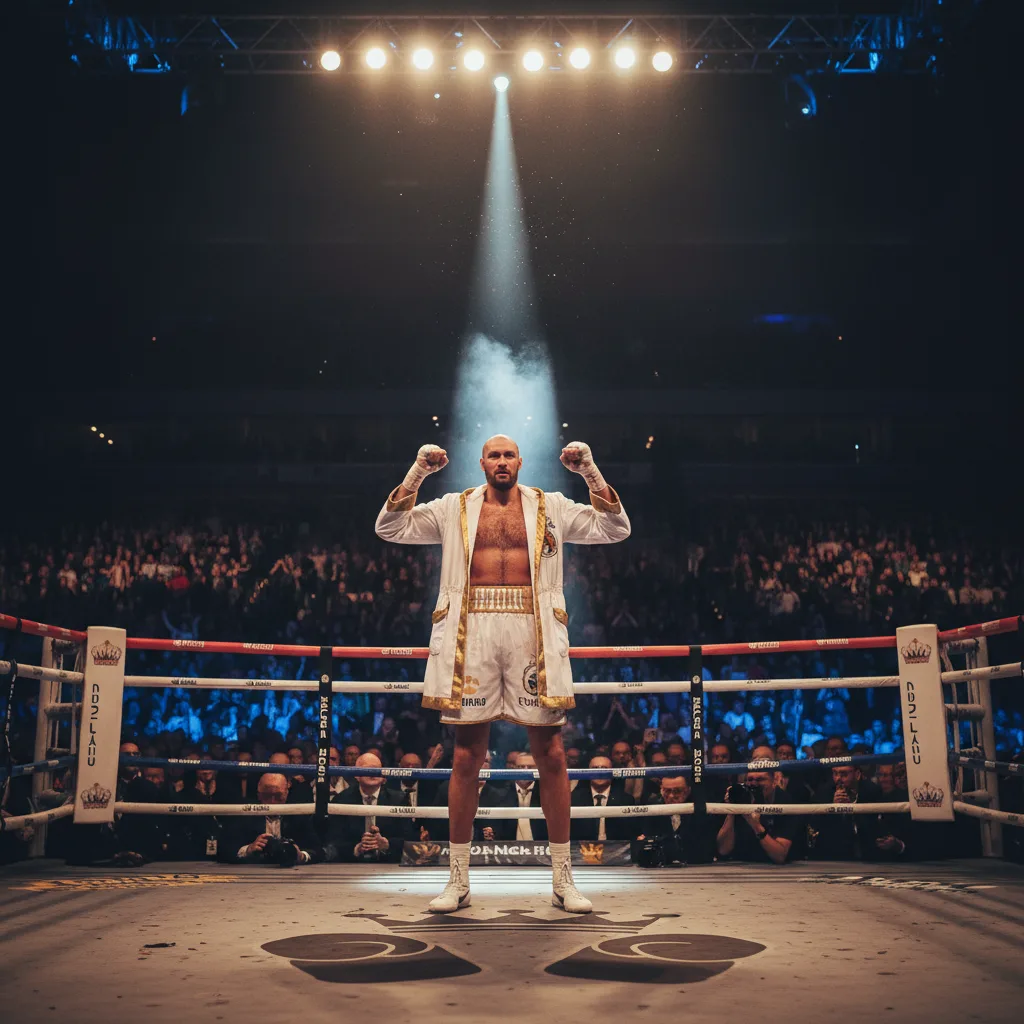
Tyson Luke Fury, known globally by his moniker The Gypsy King, stands as one of the most charismatic, controversial, and talented heavyweight boxers in the history of the sport. Born on August 12, 1988, in Wythenshawe, Manchester, Fury’s journey is not just about boxing accolades but also about a profound personal narrative of survival and resilience. Standing at a towering 6 feet 9 inches, he possesses a unique blend of size, agility, and boxing IQ that has baffled opponents and captivated fans worldwide.
Early Life and Heritage
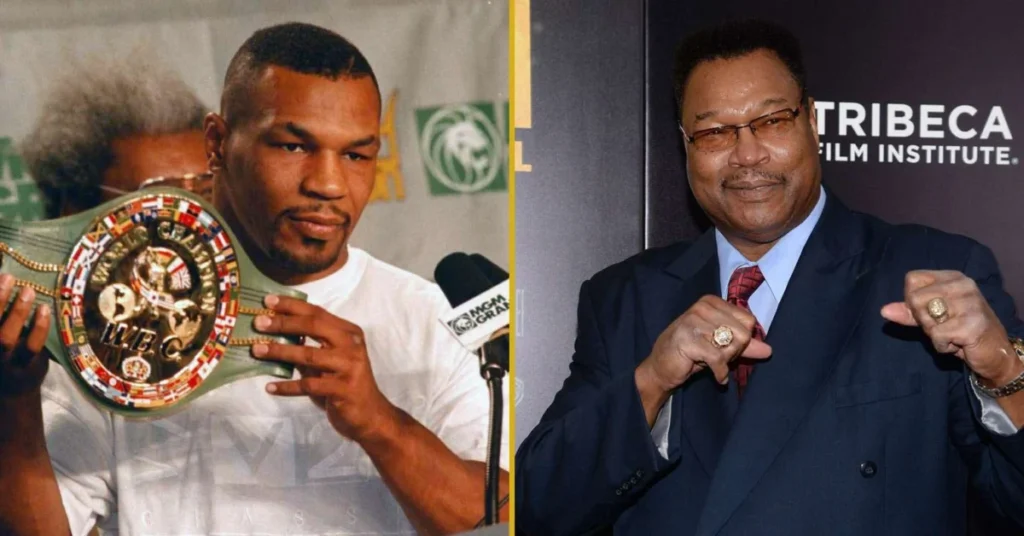
Fury was born into a family of Irish Traveller heritage, a lineage deeply rooted in bare-knuckle boxing history. His father, John Fury, was a bare-knuckle fighter and professional boxer known as ‘Gypsy John.’ This fighting DNA was evident from the very beginning. However, Tyson’s first fight was for his life. He was born three months premature and weighed only 1lb at birth. Doctors gave him a slim chance of survival, but his father, sensing a fighter’s spirit, named him after the then-reigning heavyweight champion, Mike Tyson.
Growing up, Fury was immersed in the boxing culture. He began training at a young age, honing his skills under the guidance of his father and later his uncle, Peter Fury. Unlike many heavyweights who rely solely on power, Tyson developed a style based on movement, feints, and technical proficiency, traits often found in much smaller weight classes. His amateur career was successful, culminating in an ABA super-heavyweight title in 2008 before he decided to turn professional later that year.
The Professional Rise
Tyson Fury made his professional debut in December 2008 on the undercard of the Carl Froch vs. Jean Pascal fight, securing a TKO victory against Bela Gyongyosi. He quickly built a reputation in the British boxing scene, remaining unbeaten in his early fights. His first major test came against John McDermott for the English heavyweight title, a fight Fury won controversially on points but decisively in the rematch via knockout.
His ascent continued as he claimed the British and Commonwealth titles by defeating the undefeated Dereck Chisora in 2011. This victory was a significant statement, proving that Fury was more than just a giant with a big personality; he was a legitimate contender. Over the next few years, he climbed the world rankings, defeating notable heavyweights like Steve Cunningham and Christian Hammer, positioning himself for a shot at the world title.
Conquering Wladimir Klitschko
The defining moment of Fury’s early career arrived in November 2015 in Dusseldorf, Germany. He faced the long-reigning unified heavyweight champion, Wladimir Klitschko, who had dominated the division for a decade. Entering the fight as a massive underdog, Fury executed a masterclass of tactical boxing. He used his reach, constant movement, and psychological warfare to baffle the champion.
Fury won by unanimous decision, claiming the WBA (Super), IBF, WBO, IBO, and The Ring magazine titles. It was one of the biggest upsets in heavyweight history. Fury had achieved his lifelong dream, singing Aerosmith’s ‘I Don’t Want to Miss a Thing’ to his wife Paris in the ring after the victory. However, the euphoria of this triumph would soon be overshadowed by personal demons.
Mental Health Struggles and Hiatus
Following the Klitschko victory, Fury fell into a deep depression. Despite being on top of the world, he battled severe mental health issues, leading to alcoholism and recreational drug use. He ballooned in weight, reaching nearly 400lbs, and publicly stated he had lost the will to live. During this dark period, he was stripped of his titles and his boxing license was suspended. Many critics and fans believed ‘The Gypsy King’ would never step foot in a ring again.
The Miraculous Comeback
In late 2017, Fury decided to reclaim his life. With the help of a new support team, he began a grueling weight loss journey, shedding over 100 pounds. He returned to professional boxing in June 2018, defeating Sefer Seferi, followed by a victory over Francesco Pianeta. These tune-up fights set the stage for one of the most dramatic rivalries in sports history against the WBC champion, Deontay Wilder.
The Deontay Wilder Trilogy
The first fight against Deontay Wilder took place in December 2018. It was a classic clash of styles: the supreme boxer against the supreme puncher. Fury outboxed Wilder for most of the fight but was knocked down twice, including a heavy knockdown in the 12th round that looked like a knockout. Miraculously, Fury rose from the canvas, reminiscent of The Undertaker, to finish the fight. The bout ended in a controversial split draw, but Fury’s stock soared.
For the rematch in February 2020, Fury made a bold change, partnering with SugarHill Steward of the famous Kronk Gym. He promised to knock Wilder out, abandoning his elusive style for aggressive power punching. True to his word, Fury dominated Wilder, knocking him down twice before the towel was thrown in during the seventh round. Tyson Fury was once again a world heavyweight champion.
The trilogy concluded in October 2021 with an instant classic. Both men hit the canvas multiple times in a back-and-forth war. However, Fury’s superior conditioning and heart prevailed as he knocked Wilder out in the 11th round to retain his WBC title. This victory cemented his status as the best heavyweight of his era.
Recent Career and Undisputed Ambitions
Following the Wilder saga, Fury returned to the UK to defend his title against Dillian Whyte at a sold-out Wembley Stadium in April 2022, winning via a spectacular uppercut knockout. Although he briefly teased retirement, the allure of the undisputed status kept him in the game. He engaged in a crossover bout with MMA star Francis Ngannou in 2023, surviving a knockdown to win a split decision, a performance that drew criticism but highlighted the unpredictability of heavyweight boxing.
Fury’s career reached another pinnacle with the booking of a historic fight against Oleksandr Usyk for the undisputed heavyweight championship. This matchup represents the final piece of the puzzle for Fury’s legacy, pitting his size and awkwardness against Usyk’s technical brilliance and speed.
Fighting Style and Technique
Tyson Fury is an anomaly in the heavyweight division. His style is characterized by:
- Elusive Movement: Despite his size, he moves with the lightness of a middleweight.
- Switch-Hitting: He can box effectively from both orthodox and southpaw stances.
- Feints and Head Movement: He makes opponents miss and pay, frustrating power punchers.
- Recovery: His ability to recover from heavy knockdowns is legendary.
Personal Life and Beliefs
Outside the ring, Tyson Fury is a devoted family man. He has been married to his wife, Paris Fury, since 2008, and together they have seven children. He is a devout Christian and often credits his faith for his recovery from depression and his success in the ring. Fury has become a prominent advocate for mental health awareness, using his platform to encourage others to speak out and seek help.
In conclusion, the biography of Tyson Fury is a cinematic tale of glory, despair, and redemption. From being a premature baby fighting for breath to becoming the heavyweight king, losing it all, and fighting his way back, his story transcends boxing. He remains a polarizing yet undeniably great figure in sports history, proving that no matter how hard you fall, you can always get back up.