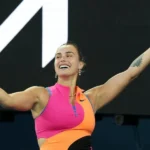
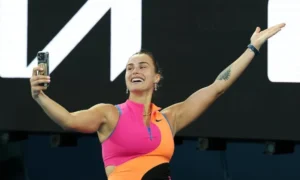
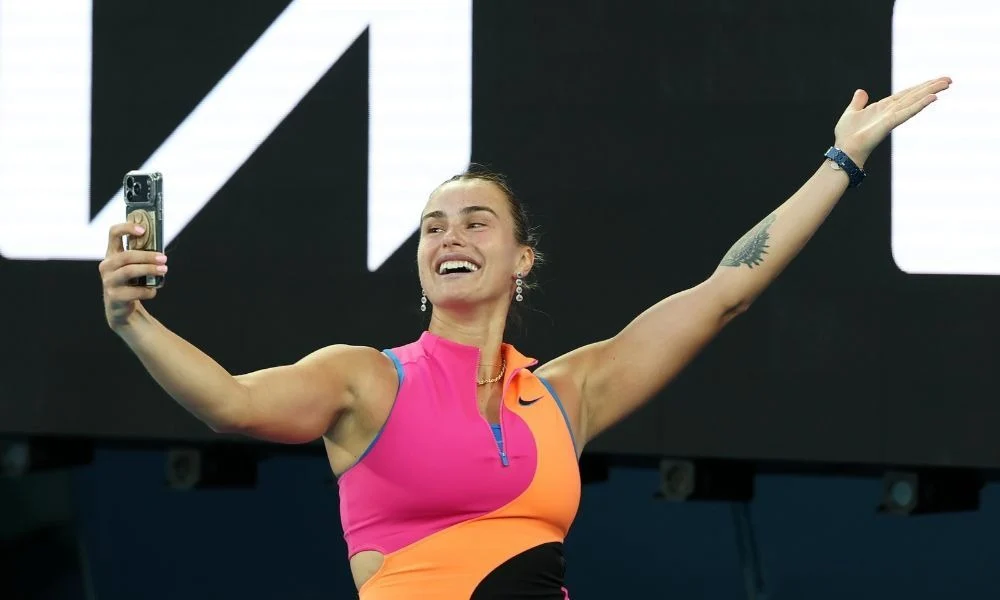
Belarusian tennis powerhouse Aryna Sabalenka has officially captured the title of the world’s most marketable athlete for 2026, claiming the top spot on SportsPro’s prestigious 17th annual list of the 50 Most Marketable Athletes. Powered by NorthStar Solutions Group, the definitive ranking highlights the intersection of athletic dominance and commercial appeal on a global scale.
At 28 years old, Sabalenka stands firmly at the absolute pinnacle of her sport. The four-time Grand Slam champion closed out 2025 as the WTA Tour’s top-ranked singles player for the second consecutive season, cementing her status as one of the most dominant forces in modern tennis. Her stellar performances on the court have translated seamlessly into unprecedented commercial success off it. Industry estimates place her total earnings for 2025 at approximately US$30 million, a lucrative split between high-stakes tournament winnings and a formidable portfolio of lucrative endorsement deals. Her roster of global brand partnerships includes industry giants such as Nike, Wilson, Gucci, Emirates, Audemars Piguet, Whoop, and Stella Artois, reflecting an appeal that transcends the traditional boundaries of sports and stretches deep into the realms of luxury, fashion, and lifestyle.
With this monumental achievement, Sabalenka etches her name into the history books as only the fourth woman and the third tennis player to ever claim the number one spot on SportsPro’s flagship ranking since its inception back in 2010. She inherits the mantle in a competitive landscape that features some of the most recognizable and successful faces in international sport. Rounding out the upper echelon of this year’s top five are Olympic freestyle skiing champion Eileen Gu, NBA standout Giannis Antetokounmpo, Norwegian soccer phenom Erling Haaland, and Spanish tennis ace Carlos Alcaraz, each representing the pinnacle of athletic achievement and commercial viability in their respective disciplines.
The methodology behind the 2026 edition of the 50 Most Marketable Athletes is both rigorous and comprehensive. Athletes are evaluated and ranked using a sophisticated 100-point NorthStar Marketability Score, which is built upon three core scoring pillars: Brand Equity, which commands 45 points; Momentum, weighted at 40 points; and Commercial Trajectory, accounting for the final 15 points. Together, this multifaceted evaluation model reads three critical dimensions in tandem: the foundational equity an athlete has successfully built over time, the immediate momentum driving their current public profile, and the untapped room they still possess for future commercial growth.
Beneath this scoring framework lies a complex web of 27 defined marketability drivers. These drivers are informed by several hundred distinct data points collected for every individual athlete, alongside an analysis of more than 3,000 active and historical brand partnership records. To arrive at the definitive top 50, an expanded pool of 1,202 athletes hailing from 70 different sports was initially considered using empirical evidence gathered between July 1st, 2025, and June 30th, 2026. From this vast talent pool, 247 athletes were subjected to full, rigorous assessments before the final rankings were locked in.
An analysis of the broader demographic and geographic trends within this year’s list reveals intriguing shifts in the global sports marketing ecosystem. Women account for 16 athletes within the top 50 cohort, representing a slight decrease from the previous year’s total of 20 and down from a historical peak of 23 in 2023. Geographically, the list showcases a truly global reach with 22 distinct nationalities represented, including nine nations featured within the top ten alone. United States athletes lead the overall representation with 16 names on the list, followed by India with five, Spain with four, and the United Kingdom with three.
When examining the distribution across sporting disciplines, basketball emerges as the best-represented sport on the 2026 list with 13 athletes, closely followed by soccer with 11, tennis with eight, cricket with five, and both motorsport and American football contributing three athletes apiece. At the league level, the National Basketball Association dominates the landscape, boasting ten athletes on the list—more than any other professional sports competition in the world. Among the rising stars, Washington Wizards forward AJ Dybantsa secures the number ten spot, earning distinction as the most marketable teenage athlete in the world today.
The list also captures notable milestones at both ends of the age spectrum. American figure skater Alysa Liu enters the rankings at number six, making her the highest new entry following her gold medal-winning triumphs at the Milano Cortina 2026 Winter Olympics. At the opposite ends of the age scale, Brazilian skateboarder Rayssa Leal, positioned at number 48, stands as the youngest athlete in the top 50 at just 18 years old. Conversely, NBA legend LeBron James, who is set to turn 42 in December, maintains his enduring commercial viability as the oldest athlete featured in the elite group.
The partnership between SportsPro and NorthStar Solutions Group continues to provide critical insights into the modern sports economy. Chris Collins, the founder, chief executive, and president of NorthStar Solutions Group—whose proprietary assessment model has exclusively powered the list since 2022—emphasized the strategic importance of these findings for the broader industry.
"An athlete’s marketability reflects the strength of their brand, the momentum behind it and the opportunities to translate that into commercial value," Collins said, highlighting the core philosophy driving the evaluation process.
He further noted how the initiative serves the wider business community by bridging the gap between raw data and executive decision-making. "Our work with SportsPro brings those dimensions together to help brands, athletes and their representatives make more informed partnership decisions. It also reflects the broader direction of NorthStar’s Sports Practice: connecting intelligence to the decisions and actions that create lasting value. The methodology powering this year’s list is an important foundation for the broader sports asset intelligence platform we are building."