

It is late on Sunday afternoon when SportsPro pulls into Lausanne on a train from Geneva, leaving only one destination in mind: the lake. Even as the autumn sun begins to dip below the horizon, the waterfront remains a hive of vibrant physical activity. Along the path, locals are out gliding on paddleboards, returning from tennis matches, and casually tossing a rugby ball back and forth.
They do not call this city the Olympic Capital for nothing. Nearly 60 international sports organisations and federations are permanently stationed in Lausanne and the surrounding Canton of Vaud, most notably the International Olympic Committee (IOC).
It was fitting, then, that leaders from across this global sports ecosystem gathered at the iconic Olympic Museum for the SportAccord Forum. Running from 5th to 7th October, the landmark event—formerly known as the IF Forum—was officially rebranded this year to reflect a broader, more inclusive range of delegates. Alongside traditional international federation leaders, host destinations and commercial service providers descended upon Switzerland for the milestone 20th edition of the conference.
As the exclusive content partner of the event, SportsPro sat in on high-level sessions, conducted exclusive interviews, and captured comprehensive coverage. Following three intensive days of dialogue, debate, and strategic alignment, several critical themes emerged, pointing the way forward for the global sports industry.
Decentralised Winter Olympics Offers Lessons for the Future
The opening panel of the Forum placed winter sports firmly in the spotlight, setting the agenda against the backdrop of the most geographically dispersed Olympic Winter Games in history.
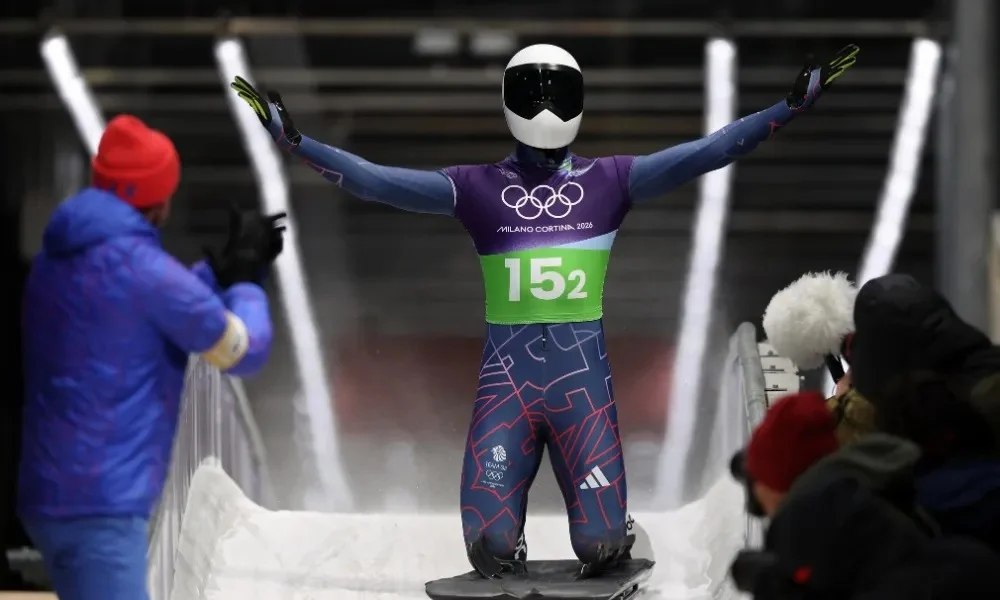
Held in February, the Milano Cortina 2026 Games saw competitions spread across pre-existing venue clusters throughout Northern Italy. The decentralized model was deliberately designed to minimize the financial and environmental burden of constructing new, permanent infrastructure. While that strategy successfully kept costs down, it also created an entirely novel operational reality—and a distinct experiential shift—for athletes, passionate fans, and governing bodies alike.
Reflecting on her sport’s experience stationed in Cortina alongside skiing and curling, Heike Größwang, president of the International Bobsleigh and Skeleton Federation (IBSF), offered an overwhelmingly positive review. However, she emphasized the vital importance of ensuring that spectators and officials physically feel at the heart of the action, despite the geographic spread. Größwang recalled encouraging federation officials to walk rather than drive back from the sliding centre, allowing them to fully absorb the surrounding atmosphere.
"It didn’t matter if it was 10:30, 11 o’clock at night, we walked through Cortina and there were fans outside," she shared during the panel. "So we all could feel what makes the Olympics special, which is this feeling of people coming from all over the world."
Change Afoot for the Olympic Programme
There was scarcely a spare seat in the house as two senior IOC officials—Christophe Dubi, executive director of the Olympic Games, and sports director Pierre Ducrey—took to the stage to unpack the organization’s overarching "Fit for the Future" strategy. International federations (IFs) packed the auditorium, clearly eager to understand what structural modifications will mean for their individual sports and funding models.
Published in June following the 146th IOC Session, the strategy introduces a radically modernized methodology to determine the composition of the Olympic programme. This development is of profound financial and existential interest to many IFs, which rely heavily on the IOC’s revenue distributions from the Games to sustain their global operations. Speaking on the opening day of the Forum, IOC president Kirsty Coventry emphasized that the new approach provides a much more precise and evidence-based framework for evaluating sports.
Starting from the Brisbane 2032 Olympic Games, the core sports programme will be officially locked in seven years prior to the opening ceremony. Individual disciplines, rather than entire sports, will be rigorously assessed against a strict matrix measuring global appeal, operational complexity, financial cost, and athlete representation. Meanwhile, sports that cycle off the programme will retain a structured pathway to fight for reinstatement in subsequent cycles, complemented by transitional measures designed to cushion the financial blow for affected federations.
While some of the finer administrative details are still being ironed out, Coventry’s prior remarks indicating that Brisbane will host fewer than the 36 sports featured in Los Angeles left little doubt that significant changes are looming.
AI is the Car, but Data is the Fuel
Prior to the commencement of the Forum, the IOC published its comprehensive Trustworthy AI Framework for the Olympic Movement. The document outlines essential principles and practical tools designed to help sports organizations navigate the responsible integration of artificial intelligence, with a heavy emphasis on safeguarding, data privacy, and technological reliability.
That proactive regulatory stance set the tone for three days of discussions in Lausanne, where delegates universally acknowledged that artificial intelligence is no longer an emerging luxury that sports bodies can afford to ignore. A dedicated technology session provided IFs with actionable guidance on how to approach AI adoption methodically.

While individual sports administrators are rapidly embracing AI for personal productivity, the pace of enterprise-wide adoption varies wildly across different federations. Yet, a central question dominated the discourse: what if a successful technological strategy does not actually start with artificial intelligence at all?
That exact argument was championed by Sanjit Atwal, co-founder of the sports data agency Halfspace. Drawing on his extensive background in the ecommerce sector, Atwal delivered a blunt assessment of how the sports industry has historically managed its digital assets.
"If AI is the car, data is the fuel," Atwal told delegates. "AI doesn’t work without data. There is nothing for it to generate. There is nothing for it to reference against. So AI is not your strategy. It is an output of your strategy towards a defined outcome."
Atwal did not mince his words when asked whether sports organizations have effectively exploited their data pools in the past, arguing that the industry as a whole has done "an atrocious job" and lags significantly behind other commercial sectors. He advised federations that they will never reap the operational benefits of AI unless they build a robust, foundational data strategy first. Once those fundamental systems are established, artificial intelligence can seamlessly shoulder analytical tasks that would otherwise require arduous manual labor.
"Data collection now shouldn’t be a scary thing to any IF, whatever size," Atwal noted. "It’s cheaper than ever to collect data. We have fantastic frameworks on which to do this. Then, what AI is fantastic at is educating you in how you can use that, and how you can start to drive up your organisation."
Participation is the Prize
On the second day of the Forum, SportsPro chief executive Nick Meacham took to the stage to deliver a series of hard truths, outlining nine distinct challenges and six major opportunities facing international sport. He deliberately saved what he classified as the single greatest opportunity for last.
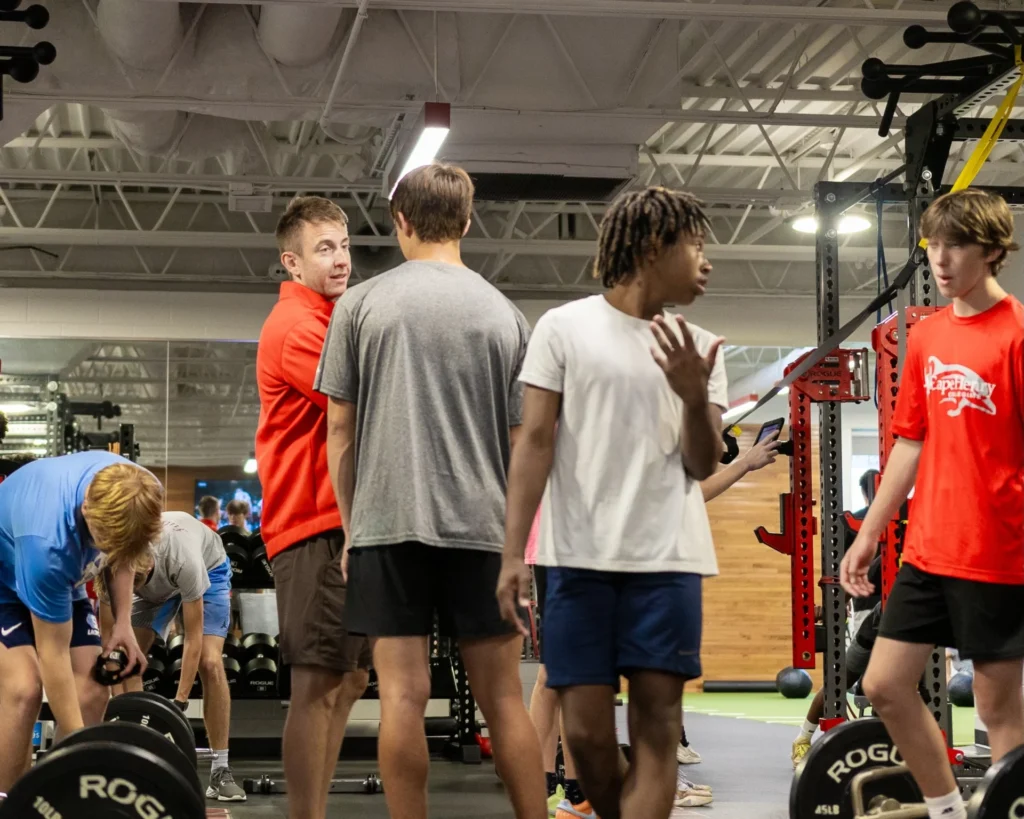
Citing staggering metrics from across the endurance and mass-participation sectors, Meacham pointed to explosive grassroots growth. More than 1.3 million people applied for the ballot for the 2027 London Marathon, an event that is expanding its format to span two days and accommodate 100,000 runners next year. Similarly, Gothenburg’s half marathon recently sold out 48,000 places in just 48 hours, while fitness phenomenon Hyrox recorded approximately 1.5 million race entries globally over its previous season.
For Meacham, these figures provide undeniable proof that physical sports participation is experiencing a massive global resurgence. "People want community," Meacham stated. "People want a goal. They want a reason to come back."
Modern participants are more than willing to open their wallets for meaningful, shared physical experiences. However, a significant portion of this explosive growth is currently occurring completely outside traditional, institutional sporting structures. Pointing to recent research from Two Circles which indicates that nearly half of all sports fans cement their fandom by the age of 14, Meacham issued a stark reminder to governing bodies: the everyday participants on the ground today will form the core broadcast and stadium audience ten years from now.
The End of Transactional Hosting
The SportAccord Forum concluded with a historic milestone: the inaugural City Forum, an initiative designed to foster direct, transparent dialogue between international federations, event rights-holders, and the municipal destinations that bid to host them.
A dominant narrative echoed throughout the afternoon sessions was that the traditional, purely transactional hosting model belongs firmly in the past. Gone are the days when an international federation could simply design a finished competition product and present a fixed price tag to a city looking to buy tourism metrics.
Today’s municipal leaders initiate hosting negotiations by asking a fundamentally different set of questions: What tangible value will this event bring to our local communities? And who will be measurably better off as a result? The release of public funds is increasingly contingent upon an event’s tight alignment with broader civic priorities, spanning diversity, inclusion, gender equality, environmental sustainability, and public health initiatives.
Consequently, the most successful and resilient hosting partnerships now begin with a collaborative, shared strategy. Panellists suggested that the initial step in any bid process must involve defining mutual benchmarks of success, subsequently shaping the commercial contract, event execution, and long-term legacy around those shared goals rather than leading with financial demands.
As delegates departed Lausanne and the 20th edition of the Forum drew to a close, the overarching consensus was clear. Modern sports governance and event hosting can no longer rely on isolated, one-off transactions; instead, the future belongs to deeply integrated partnerships built on shared community goals and a collective vision for the growth of sport.
(Note: The SportAccord Forum was held under Chatham House Rule. All quotes utilized in this report have been approved or independently published elsewhere.)