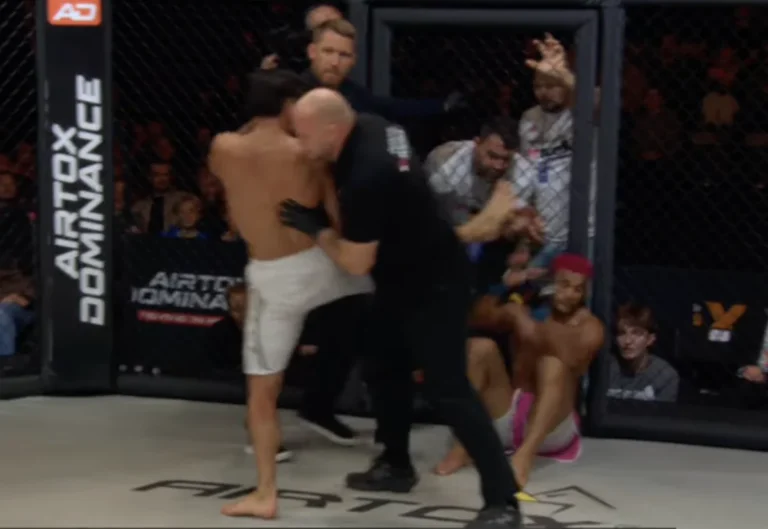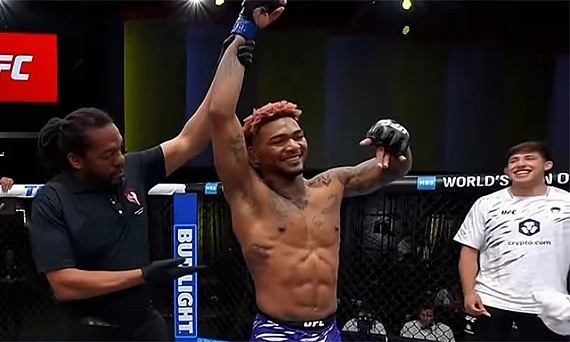

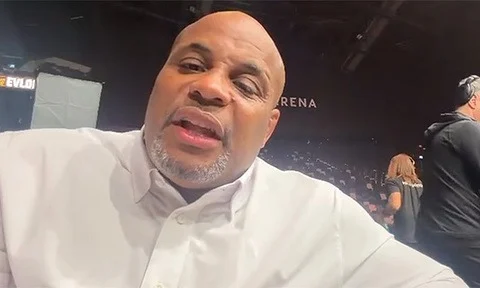
Dominick Reyes delivered a stunning reminder of his elite capabilities inside the Octagon on Saturday night at UFC 333 in Abu Dhabi, securing a definitive first-round finish over Azamat Murzakanov in their featured preliminary bout. However, the resounding victory—achieved via a devastating head kick followed by a straight left and subsequent finishing punches at the 2:40 mark of the opening frame—was quickly overshadowed by a fiery post-fight controversy. Rather than celebrating solely inside the cage or basking in the immediate glory of an emphatic rebound performance, Reyes turned his attention outward, sharply criticizing UFC Hall of Famer and broadcaster Daniel Cormier for his commentary during the bout.
The grievance, which quickly spilled over onto social media and ignited a widespread debate throughout the mixed martial arts community, centered around Cormier’s choice of words during the broadcast. Specifically, Reyes took intense exception to being referred to as "kid" by the former two-division champion turned analyst. What began as a simmering personal grievance rapidly escalated into a public back-and-forth on the digital platform X, shedding light on the often-fraught relationship between active athletes and the analysts tasked with calling their performances from cageside.
Dominick Reyes accuses Daniel Cormier of biased commentary after UFC 333 victory over Azamat Murzakanov
Immediately following the conclusion of the event, Reyes took aim at Cormier online, labeling the prominent broadcast analyst a "low IQ hater" and expressing deep frustration over what he perceived as a consistent pattern of disrespect toward his accomplishments and career trajectory. Reyes argued that the commentary team, and Cormier in particular, failed to afford him the respect and professional recognition earned through years of competing at the absolute highest level of the sport.
Cormier, who has built a massive presence as one of the leading voices of the promotion alongside his legendary fighting credentials, was quick to respond to the public admonishment. Attempting to defuse the mounting tension, the former light heavyweight and heavyweight champion insisted that his intentions were entirely benign and devoid of malice.
"Yo Dom, chill," Cormier wrote in response to the initial online broadside. "I don’t call you kid negatively. I’ve only spoke truth to you. When you do amazing shit like you did today, I praise you. If you do something like the last fight with Johnny, I speak the truth about that, too."
Despite Cormier’s conciliatory attempt to smooth over the disagreement, Reyes remained steadfast in his criticism, expanding his argument to question the broader preparation and analytical rigor brought to the broadcast booth by the commentary team. Moving past the initial issue of the nickname, Reyes suggested that the oversight pointed to a deeper systemic problem involving how analysts prepare for high-stakes matchups.
"My name is Dominick, not ‘kid,’" Reyes wrote in a subsequent post, elaborating on his initial frustration. "I’m bothered by your lack of research and knowledge whilst commentating. Your ‘expert’ commentary sways the opinions of average fans, and that has a profound effect on our lives."
The exchange intensified as Cormier pushed back against the severity of the accusations, expressing bewilderment at the depth of the hostility coming from the contender. Reminding Reyes of the praise he had already delivered during and immediately after the broadcast, Cormier maintained that the reaction was disproportionate to the situation at hand.
"You’re tripping, bud, and honestly I’ll just find you for a conversation," Cormier responded, inviting a face-to-face dialogue to clear the air. "I actually like you. I told your team how amazing you looked tonight. This may have been your best performance. But this is insane. Just stop! Seriously."
Reyes, however, made it clear that his objections were rooted strictly in professional standards rather than personal animosity, rejecting the informal tone of the analyst’s defense.
"I’m not your buddy, guy," Reyes wrote, referencing a popular cultural idiom while maintaining his firm stance. "But seriously, I don’t care if you like me, truly. I only care that you have unbiased, well-informed color commentary."
The public confrontation also drew commentary from other corners of the combat sports landscape. An aggregation post from Championship Rounds on X highlighted the raw nature of the initial back-and-forth, capturing Reyes’s frustration with the broader ecosystem of broadcast analysts. The post underscored Reyes’s exasperation at feeling marginalized despite his historical achievements within the light heavyweight division, noting his pointed reference to the competitive history shared by past eras of fighters.
Further fueling the fire, Reyes elaborated on his concerns regarding the dynamics of the broadcast booth, specifically pointing to perceived biases and the influence of fellow broadcaster Paul Felder during the event. In a detailed post on X, Reyes expressed dismay over how the broadcast team handled internal disagreements during the live show.
"My name is Dominick not Kid," Reyes wrote on social media. "Yeah I heard your commentary tonight on my fight. How about the part where Paul called you out for your clear bias? And what did you do? You laughed about it. No I don’t know where to find you?? I’ve literally never seen you anywhere other than around the cage or in the cage post fight. I’m bothered by your lack of research and knowledge whilst commentating. Your ‘expert’ commentary sways the opinions of average fans, and that has a profound effect on our lives. Your clear bias towards fighters from the caucus region is frustrating, especially being an American fighter."
The specific accusation regarding bias toward fighters from the Caucasus region added a complex cultural and geopolitical layer to the public spat, pointing to a recurring topic of discussion among fans and analysts regarding the influx of dominant wrestling-based competitors hailing from that part of the world. Reyes, speaking from his perspective as a prominent American contender, argued that such commentary trends unfairly shape public perception and diminish the achievements of athletes from other regions.
As the digital exchange continued to circulate widely among media outlets and fans alike, the tone surrounding Reyes’s dominant victory over Murzakanov shifted from pure athletic celebration to a broader conversation about media accountability, professional respect, and the heavy psychological burdens carried by fighters competing in the modern era of the sport. Reyes eventually struck a slightly more conciliatory note, acknowledging the immense pressure and difficulty inherent in the broadcast team’s role, much like the intense scrutiny faced by athletes inside the cage. Nevertheless, the friction between the fighter and the broadcast veteran highlighted the delicate, often complicated dynamic that exists between those who perform inside the Octagon and those who narrate their stories to the watching world.