
The high-profile "Mexico vs The World" boxing card scheduled to take place this coming Saturday in Riyadh, Saudi Arabia, is unraveling at a remarkable and unprecedented rate. What was initially billed as a major international showcase of championship boxing has rapidly descended into logistical chaos, compounding concerns regarding fighter safety, operational disorganization, and escalating geopolitical tensions in the region.
The trouble began earlier in the week when Lorenzo Parra failed his pre-fight medical evaluation, scuttling his planned featherweight title shot against Rafael Espinoza. Organizers were forced into a scramble, ultimately securing the services of the division’s number fifteen contender, Ricardo Blandon, to step in on short notice. However, that disruption proved to be only the opening salvo of a broader crisis that has now thrown the entire main card into doubt.
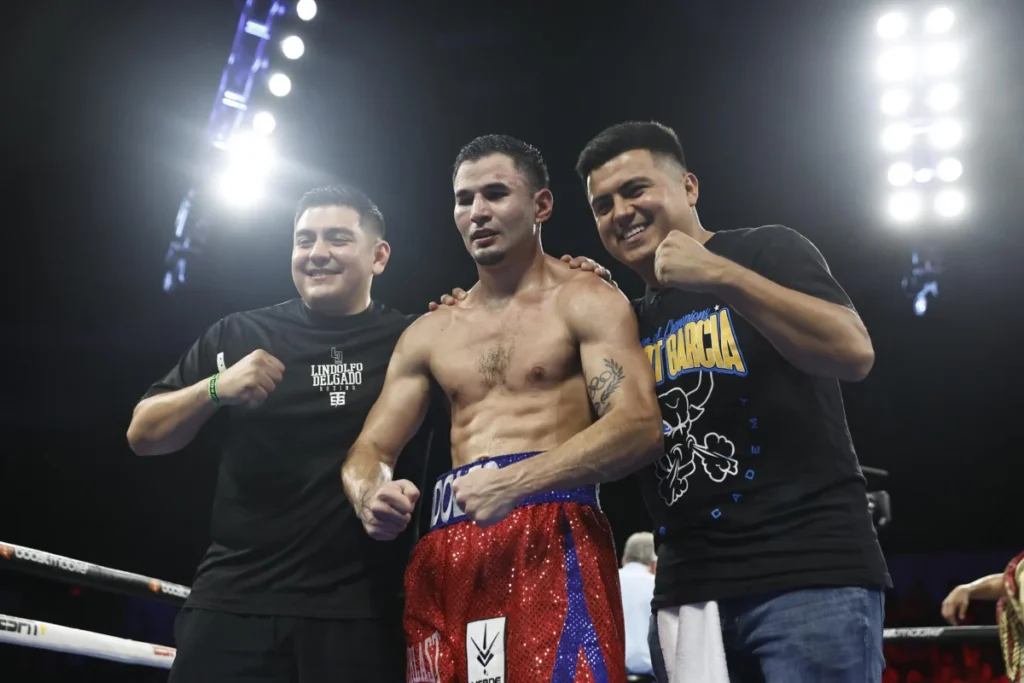
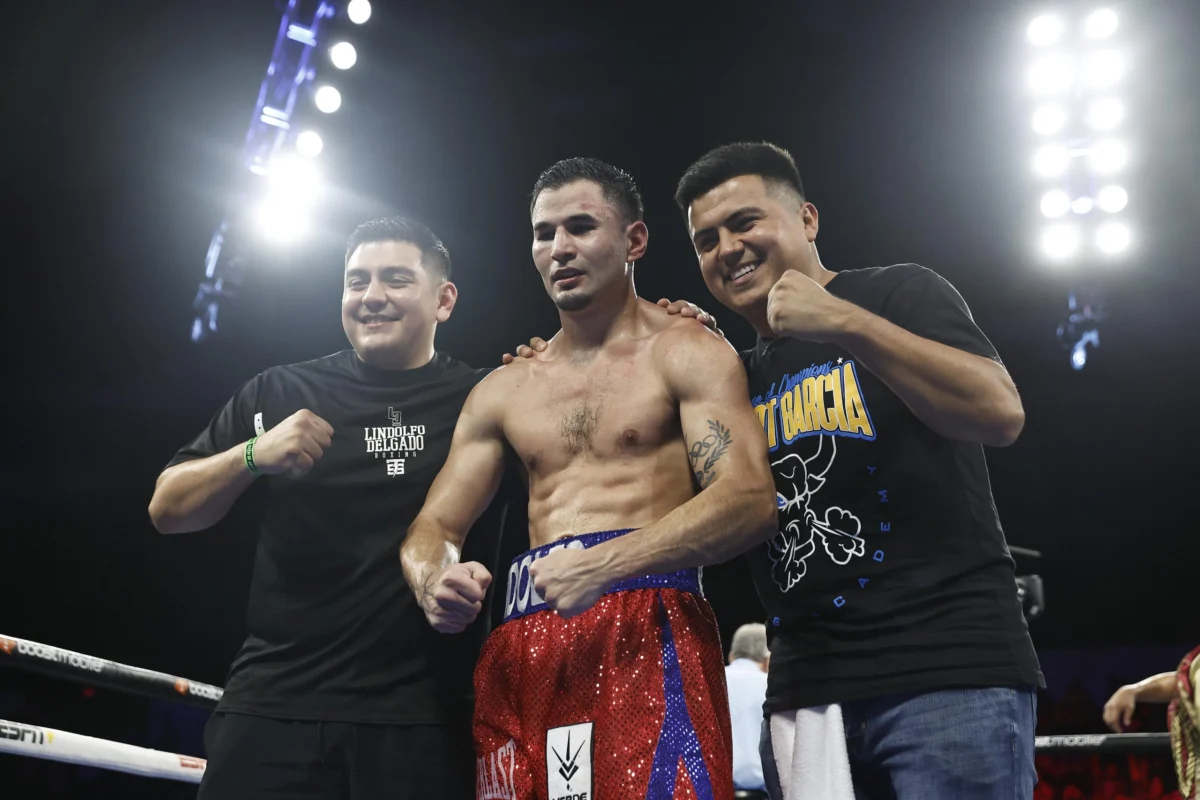
Multiple industry outlets reported earlier today that super lightweight contender Lindolfo Delgado has officially declined to travel to Saudi Arabia for his scheduled vacant title bout against Arthur Biyarslanov. As of this writing, the International Boxing Federation (IBF) has yet to issue an official comment regarding the status of the championship belt or the bout itself, and organizers have not yet named a replacement opponent to face Biyarslanov.
The decision by Delgado and his team to pull out of the event comes after days of mounting frustration. Delgado, boasting an undefeated 24-0 professional record with 16 knockouts, was left in the dark regarding basic logistical arrangements. His trainer, Robert Garcia, revealed to BoxingScene last week that event organizers had failed to provide essential travel schedules or any relevant operational information as the fight date rapidly approached.
In a follow-up update confirming Delgado’s withdrawal, Garcia pointed to a combination of organizational failure and mounting safety anxieties. Chief among these concerns are the ongoing, persistent Houthi missile and drone attacks targeting infrastructure in Riyadh, which have made international travelers increasingly wary of the area. Furthermore, the severe administrative delays and lack of communication from promoters left Delgado with a truncated and entirely inadequate adjustment period to prepare for an international trip of this magnitude.
From a safety and common-sense perspective, the decision to step away from the bout is drawing significant support from analysts and insiders across the combat sports community. Critics argue that it is entirely unreasonable for promoters to expect athletes to place themselves in active conflict zones, particularly when other major international sporting entities have already recognized the severe risks involved.
Several prominent high-profile Saudi-hosted events have recently been postponed or relocated entirely due to mounting regional security concerns. These include the postponement of high-profile tennis events like the Six Kings Slam and the strategic relocation of the Dakar Rally out of Saudi Arabia. The gravity of the situation is further underscored by official diplomatic channels. The United States State Department recently issued a directive recalling its non-emergency government employees from the region and updated its official travel advisory, explicitly urging American citizens to reconsider all travel to Saudi Arabia.
The logistical fallout has extended even to the broadcast and media teams assigned to cover the card. Renowned boxing journalist Dan Rafael recently reported that even commentary and broadcast personnel may be forced to call the fights remotely from London rather than traveling to the venue, highlighting the pervasive apprehension surrounding physical presence in the host city. Observers note that these elite athletes and personnel are being placed at serious, unnecessary risk for the sake of staging an event that logistical experts argue could be executed far more safely, conveniently, and lucratively in traditional combat sports hubs like Las Vegas.
Worse still, the regional security climate shows no signs of stabilizing in the immediate future. Recent investigative reporting from international news agencies indicates that the United States and Israel have active military plans in place to potentially escalate hostilities and launch renewed strikes against Iran, with timelines pointing either immediately before or shortly after the upcoming midterm elections. Any such escalation would almost certainly prompt immediate military retaliation targeting American and Western interests, as well as their Gulf allies in the region. Under such volatile conditions, athletes, trainers, and media members traveling for the production could easily find themselves stranded or caught in the crossfire should the geopolitical situation take a sharp turn for the worse.
Despite the mounting crisis, preparations for the weekend card continue under intense scrutiny, leaving the boxing world to question the true cost and viability of hosting major international athletic showcases in high-risk zones.