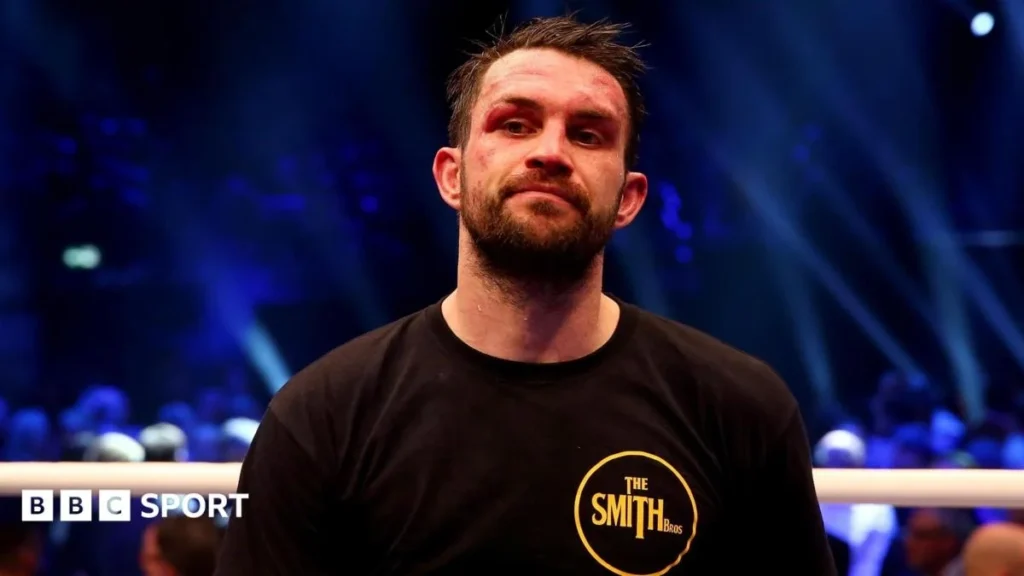


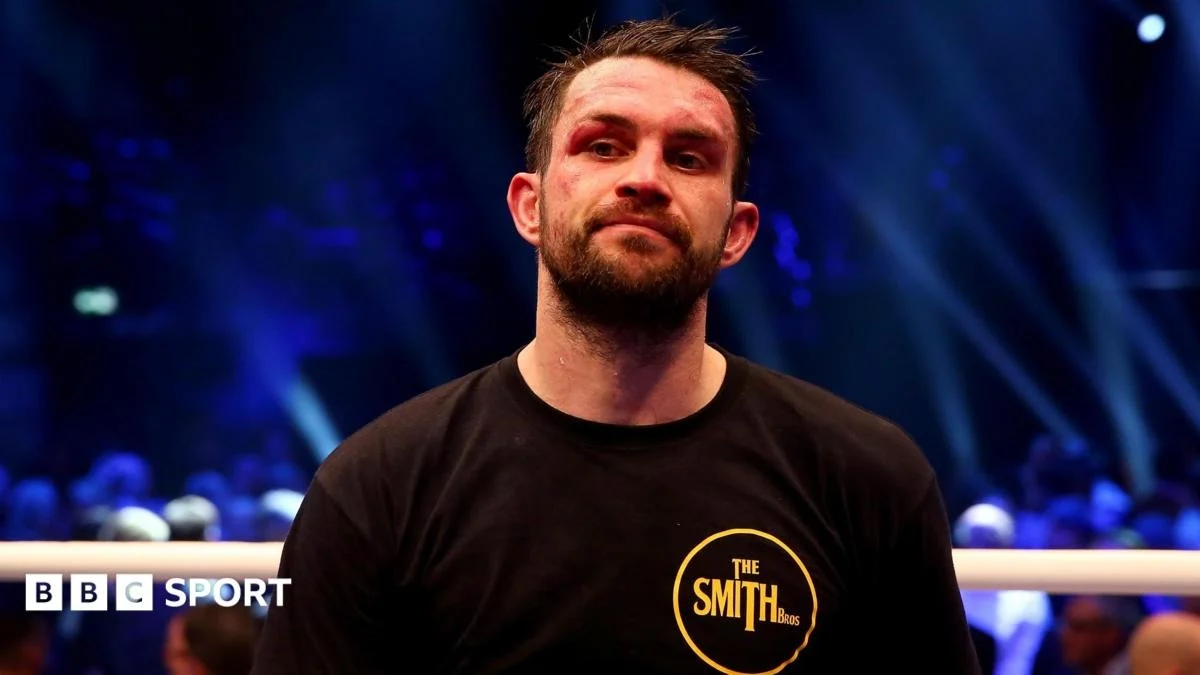
Former super-middleweight world title challenger Paul Smith has delivered a scathing critique of the current combat sports landscape, warning that athletes are routinely being hurt, exploited, or forgotten within a fundamentally failing system that offers no meaningful safety net when tragedy strikes.
Smith has joined forces with a newly established initiative, the Global Fighters’ Association, which is embarking on an ambitious effort to represent combat sports athletes and safeguard their financial and physical futures. As part of its foundational campaign, the organization aims to launch what it describes as the largest and most comprehensive inquiry ever conducted into health, safety, governance, and athlete welfare across combat sports.
The Global Fighters’ Association, established last year with the explicit intention of forming an independent union for fighters, hopes that the findings of this historic inquiry will serve as a launchpad for the organization to become a recognized umbrella body across all combat sports disciplines. By establishing a unified presence, the non-profit organization seeks to fundamentally reform an industry that has historically operated without standardized workplace protections or centralized athlete representation.
At the core of the association’s platform is an urgent drive to campaign for equitable contractual terms, fair compensation, mandatory insurance coverage, and formal pension provisions. Furthermore, the organization is seeking to institute enforceable health and safety standards across all levels of the sport while creating an official, independent channel where fighters can confidentially report grievances, contractual exploitation, or unsafe working conditions without fear of institutional backlash.
The necessity for systemic reform has been thrown into sharp relief in recent months by a series of high-profile public fundraisers. The fight community has repeatedly been forced to rally behind injured competitors, such as fighter Lee Reeves, who required emergency crowdfunding campaigns to afford critical medical care and post-injury recovery following severe physical trauma sustained in the ring.
For Smith, who stepped away from professional boxing in 2017 after a distinguished career that included three world title challenges at super-middleweight, relying on public charity to pay for an athlete’s medical recovery is a glaring indictment of the current combat sports infrastructure. He argues that forcing fighters to turn to the generosity of fans and peers in times of crisis highlights a profound structural failure at the highest levels of the sport’s administration.
In criticizing the current state of affairs, Smith emphasized that these incidents are not isolated anomalies, but rather the predictable outcome of an industry that lacks basic institutional safeguards for its workforce. He pointed out that every week, somewhere in the world of combat sports, a fighter suffers severe physical harm, faces contractual exploitation, or is simply cast aside once their immediate utility to promoters wanes.
According to Smith, the current reliance on grassroots fundraising within the fighting community after a catastrophic event occurs cannot be considered a legitimate protection mechanism. He characterized the practice as an outright failure of governance, noting that until now, no organization or governing authority has ever dedicated the requisite time, energy, and financial resources to systematically investigate the internal mechanics of the sport, identify precisely where it is failing its athletes, and publish actionable, industry-wide recommendations to rectify those failures.
To ensure the planned inquiry carries significant weight and structural credibility, the Global Fighters’ Association has retained the services of respected barrister Jonathan Caplan KC to lead the independent investigation. Caplan has been tasked with conducting an exhaustive, impartial review into the safety standards, administrative governance, and overall treatment of combat sports participants across every tier of the industry, ranging from local grassroots shows to elite professional events.
The scope of Caplan’s work will involve gathering extensive evidence, reviewing operational practices, and taking formal testimony from a wide array of industry participants, including active and retired fighters, trainers, medical professionals, and promotional stakeholders. Upon the conclusion of this evidence-gathering phase, Caplan will author a comprehensive report detailing his findings alongside concrete recommendations for structural reform.
To maintain absolute independence from promotional interests and established sanctioning bodies, the Global Fighters’ Association operates as a non-profit entity. To fund the extensive legal and regulatory inquiry led by Caplan, the group has launched a major crowdfunding initiative with the goal of raising £500,000 directly from the public and the wider sporting community.
Simon Bazalgette, the chair designate of the Global Fighters’ Association, emphasized that the organization’s ultimate objective is to secure the same fundamental protections and support structures for combat sports participants that have long been established for professional athletes in other major sports.
Bazalgette observed that over the past decade, major professional sports such as rugby, football, and horse racing have significantly modernized their administrative frameworks to prioritize participant welfare. He noted that these sports have implemented rigorous medical protocols, long-term health tracking, financial safety nets, and formal player representation to protect athletes throughout and after their active careers.
In contrast, Bazalgette highlighted the stark reality that combat sports remain among the very last professional athletic workplaces operating without any form of organized professional representation for workers. This absence of unified representation leaves fighters without basic legal protections, minimum health and safety mandates, standardized medical insurance floors, or independent pension schemes. Furthermore, combat sports athletes currently have no single, independent governing body to turn to when contractual disputes, unsafe environments, or medical emergencies arise.
The formation of the Global Fighters’ Association, Bazalgette explained, is designed to directly address and rectify these historical deficits. By establishing an independent union and umbrella body, the association aims to build a durable bond of trust between combat sports participants, promotional bodies, and the global viewing audience, thereby creating a far more stable and ethical foundation for the industry’s future commercial growth.
The push for structural reform within boxing comes amid broader, cross-disciplinary calls for unionization across the wider combat sports sector, particularly within mixed martial arts. Recently, prominent British MMA fighter Michael ‘Venom’ Page publicly urged fighters across all martial arts disciplines to unite and form a collective bargaining organization to campaign for better pay, improved revenue sharing, and equitable contract terms.
In advocating for greater fighter protections, Page highlighted the landmark US federal law known as the Muhammad Ali Boxing Reform Act. Enacted in the United States in 2000, the Ali Act was specifically designed to protect the financial and legal rights of professional boxers, curb predatory promotional practices, promote contractual transparency, and prevent coercive promoter monopolies. Page suggested that the protective principles embodied in the Ali Act should serve as a template for similar legislative or union-backed protections within mixed martial arts.
However, the legal protections afforded by existing legislation are currently facing legislative scrutiny. UFC president Dana White has been actively spearheading efforts in the United States to modify and amend the Muhammad Ali Act, a move that has drawn sharp concern from fighter advocates and legal observers who fear the proposed changes could undermine existing athlete protections.
Paul Maloney, the acting general secretary of the Global Fighters’ Association, warned that attempts to alter or weaken the Muhammad Ali Act should serve as an immediate alarm bell for combat sports athletes worldwide. Maloney emphasized that the Ali Act represents virtually the only piece of formal legislation anywhere in the world that guarantees fighters a basic level of workplace protection and statutory rights against promotional overreach.
Maloney pointed out that current efforts to rewrite the legislation are viewed by critics as an attempt to reshape the law in a manner that heavily favors powerful promotional organizations and broadcast networks, which already exercise immense control over the combat sports market. He warned that if statutory protections can be stripped away or diluted in jurisdictions where they currently exist, fighters in regions lacking independent legal representation will be rendered even more vulnerable to exploitation.
According to Maloney, the ongoing push to alter existing legislative safeguards underscores precisely why an independent, respected, and internationally recognized voice for fighters is desperately needed today. The Global Fighters’ Association believes that by conducting its benchmark inquiry, raising the necessary capital through its crowdfunding campaign, and establishing a unified representative body, it can permanently alter the power dynamic within combat sports and ensure that the physical well-being and legal rights of fighters are prioritized above all else.