

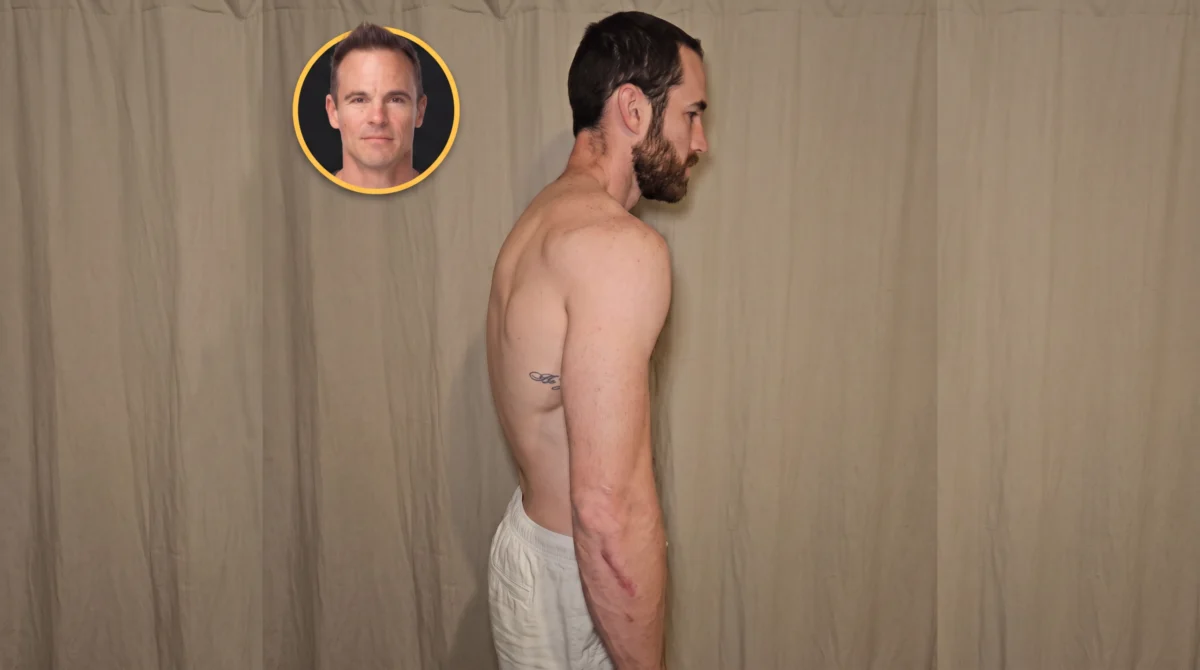
Spending hours perfecting pull-ups and crushing dips might feel like the ultimate prescription for upper-body strength, but fitness experts warn that these classic movements could be quietly sabotaging your posture. While these exercises build impressive muscle and require minimal equipment, they share a hidden mechanical flaw that can gradually pull your shoulders forward into a chronic, rounded, and hunched position. The solution, according to physical therapists and strength coaches, lies in an overlooked movement pattern that separates a balanced, resilient physique from ongoing joint discomfort and postural decline.
The Pull-Up and Dip Problem Nobody Talks About
Pull-ups and dips have long been foundational staples in strength training routines worldwide. They build functional muscle, require minimal gear, and deliver reliable results across demographics. However, both movements share a common mechanical action that rotates the shoulders inward. Pull-ups aggressively target the latissimus dorsi, while dips concentrate heavily on the pectoralis major. Both of these massive muscle groups act as powerful internal rotators of the shoulder joint.
When these muscles become dominant without adequate opposition, they continuously pull the shoulder girdle forward. Over time, this chronic muscular imbalance manifests physically as rounded shoulders, a forward head carriage, and that characteristic hunched posture frequently associated with desk workers and lifters alike. The anatomical reality is straightforward: the lats and pecs both perform internal rotation of the humerus. Strengthening them relentlessly without balancing forces inevitably leaves your posture to pay the price.
Why Your Shoulders Need Opposing Forces
Human anatomy relies heavily on equilibrium. Muscles work in balanced pairs and functional groups to stabilize joints securely. When one set of muscles becomes significantly stronger than its opposing group, the dominant side wins the physical tug-of-war. The shoulder girdle specifically depends on steady balance between muscles that pull forward and those that pull backward. Neglecting one side of this equation invites mechanical dysfunction.
The muscles that suffer most from this imbalance include the scapular retractors and the external rotators of the shoulder. These structures become lengthened, stretched, and structurally weak when they are constantly overpowered by dominant lats and pecs. The resulting compromise is not merely aesthetic—it is deeply functional. Weak scapular retractors undermine overall shoulder stability during pressing movements, elevate the risk of acute and chronic injuries, and foster compensatory movement patterns that interfere with everything from bench press mechanics to daily overhead reaching.
The Missing Movement Pattern
To combat this widespread issue, trainers emphasize the necessity of horizontal pulling exercises. Unlike vertical pulling movements like pull-ups, horizontal pulls involve rowing motions where resistance is drawn directly toward the torso while the upper arms move roughly perpendicular to the body. This specific movement pattern emphasizes scapular retraction—the deliberate act of squeezing the shoulder blades together—which directly counteracts the forward shoulder pull generated by overdeveloped lats and pecs.
Programming horizontal pulls effectively often requires a shift in mindset. Because vertical pressing movements like overhead presses and vertical pulling routines like pull-ups already dominate most training programs, horizontal pulls frequently need extra volume to compensate for accumulated forward shoulder stress. A practical ratio to follow is ensuring that for every vertical push or pull, at least one horizontal pull is included. For individuals performing regular pull-ups and dips, leaning toward a higher volume of horizontal pulling can prevent imbalances from taking root.
Signs Your Program Needs More Horizontal Pulling
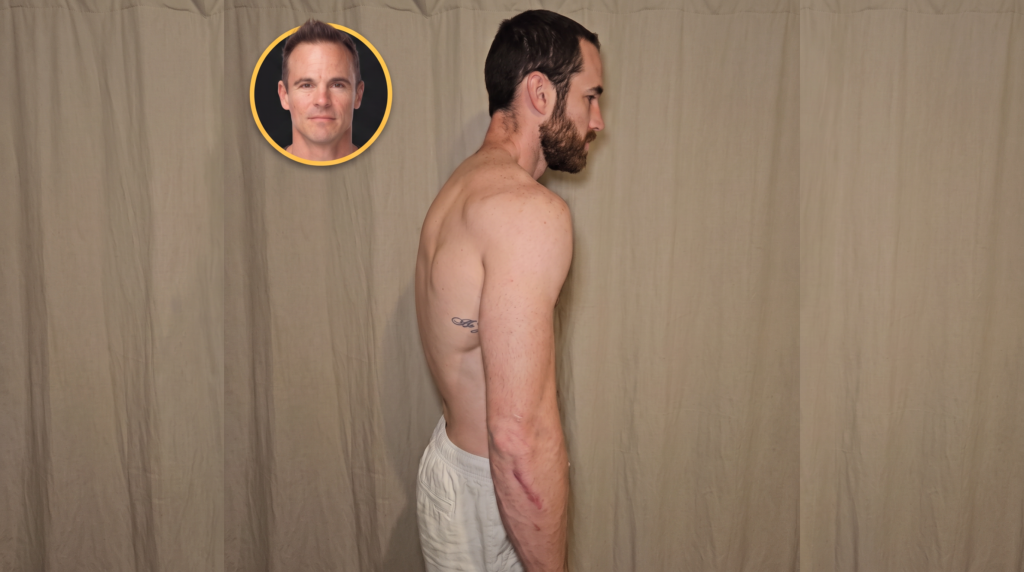
The human body provides clear, early feedback when muscular imbalances begin to develop. Observing physical indicators can help trainees catch issues before they turn into severe postural deviations or pain. Common signs include shoulders that visibly rest forward when standing relaxed, tightness across the chest accompanied by a weak upper back, and declining stability during heavy pressing movements like the bench press.
These symptoms rarely appear overnight. Instead, they develop gradually as muscular imbalances compound week after week and month after month. Catching these structural discrepancies early makes correctional adjustments straightforward, whereas waiting until chronic pain or significant joint dysfunction sets in requires far more intensive physical therapy intervention.
Beyond Aesthetics: Functional Consequences
Rounded shoulders represent far more than a cosmetic concern about posture. This structural deviation creates distinct mechanical disadvantages that compromise overall athletic performance and routine daily function. The risk of shoulder impingement increases significantly when the head of the humerus sits in an abnormal position relative to the scapula. Consequently, the rotator cuff muscles are forced to work overtime simply to compensate for unstable scapular positioning.
Furthermore, traditional indicators of strength, such as bench press performance, often suffer because proper scapular retraction—which is essential for creating a stable pressing platform—becomes difficult when the retractor muscles are underdeveloped. Even chronic neck pain can trace its origins back to forward shoulder positioning. As the shoulders drift forward, the head naturally drifts forward to maintain a level gaze, straining the cervical muscles and placing added compression on the cervical discs.
The physiological impact also extends into breathing mechanics. Rounded shoulders limit thoracic extension and reduce overall rib cage mobility. This physical restriction impairs efficient breathing, particularly during intense exercise when oxygen demands peak. Athletes with pronounced forward posture frequently rely on accessory breathing muscles in the neck and upper traps rather than engaging in optimal diaphragmatic breathing, creating additional tension and diminishing overall respiratory efficiency.
Creating Balanced Programming
Correcting and preventing these imbalances requires intentional program design. Simply adding random rowing exercises to a routine will not solve the underlying issue if overall volume, training intensity, and exercise selection remain skewed. Fitness practitioners recommend auditing current training routines by counting weekly sets dedicated to each movement pattern, factoring in vertical pushes, vertical pulls, horizontal pushes, and horizontal pulls.
If horizontal pulling volume significantly lags behind other patterns, a distinct training gap has been identified. A balanced upper body framework intentionally places a higher volume on horizontal pulling movements. This deliberate bias helps counteract modern lifestyle factors—such as prolonged sitting, smartphone use, and driving—that inherently push human shoulders forward throughout daily life.
Technique Matters More Than Weight
Horizontal pulling exercises only deliver their intended postural benefits when executed with strict form. Poor technique, which frequently occurs when lifters chase heavier weights, defeats the purpose of the exercise entirely. The cornerstone of proper execution is deliberate scapular retraction, ensuring that every repetition concludes with a conscious squeeze of the shoulder blades together at the peak of the movement.
Relying on momentum, excessive body English, or an abbreviated range of motion might allow a trainee to move heavier loads, but it fails to effectively recruit and strengthen the postural muscles responsible for maintaining correct shoulder alignment. Controlling the eccentric or lowering phase of the movement is equally vital. Allowing the shoulder blades to protract naturally as the arms extend, followed by active retraction during the pull, maximizes the therapeutic and strengthening effect on the upper back.
Preventing structural imbalances before they manifest as chronic postural problems demands far less effort than attempting to reverse established dysfunction. For those currently training with heavy pull-ups and dips without equivalent horizontal volume, integrating consistent rowing variations offers a clear path toward long-term shoulder health, ensuring that the upper body remains strong, balanced, and resilient for years to come.