

Training in martial arts invariably comes with a distinct physical toll, not only on the athlete’s body through the accumulation of bruises, fatigue, and muscle strain, but equally on the specialized equipment required for daily practice. Whether an individual is immersed in the rigorous striking of Muay Thai and traditional boxing, the intricate ground grappling of Brazilian Jiu-Jitsu, or the dynamic kicks of taekwondo, the proper maintenance of gear has emerged as an essential discipline. Without consistent and knowledgeable care, athletic equipment degrades rapidly, succumbing to structural wear, becoming a breeding ground for unhygienic bacteria, and ultimately compromising both athletic performance and personal safety inside the gym.
Industry experts and seasoned martial artists alike emphasize that maintaining gear is just as critical as mastering techniques. When equipment is neglected, leather cracks, padding shifts or breaks down, and moisture becomes trapped, creating an ideal environment for mold and foul odors. This deterioration not only shortens the functional lifespan of expensive gear, forcing practitioners to replace items prematurely, but it can also lead to injuries resulting from compromised protective integrity. Addressing these challenges requires a comprehensive understanding of how to properly clean, dry, and store every piece of equipment in the martial arts arsenal, from striking gloves and shin guards to mouthguards, hand wraps, protective headgear, and traditional uniforms.
Cleaning and Maintaining Boxing Gloves
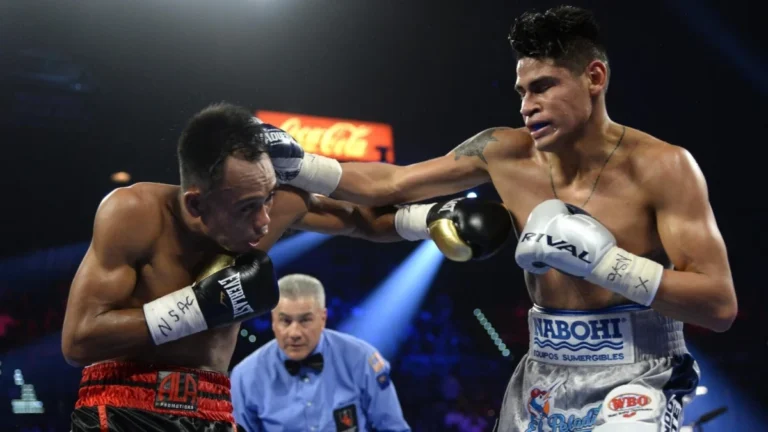
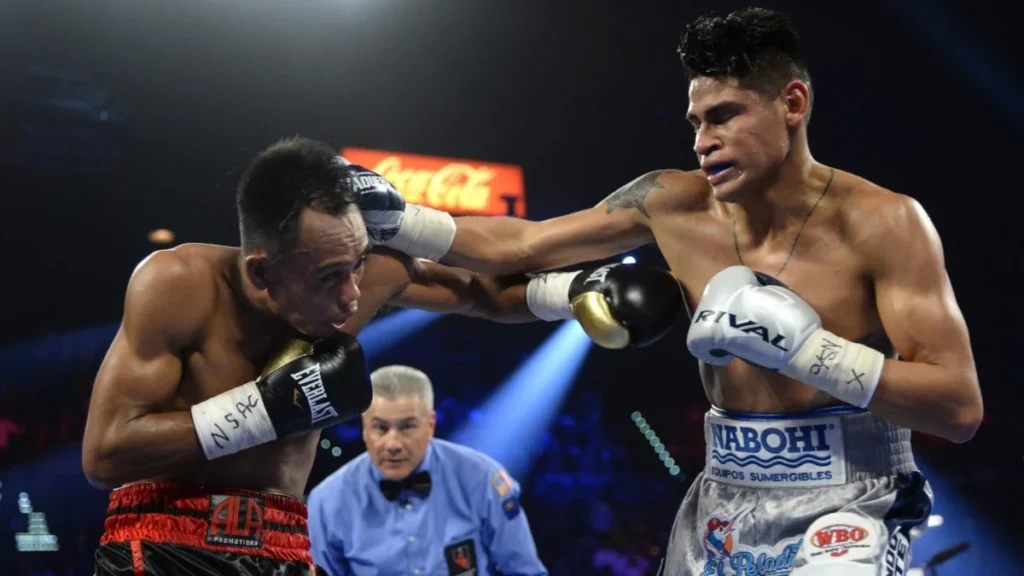
Boxing gloves, whether deployed in western boxing, Muay Thai, or mixed martial arts, absorb the brunt of the kinetic impact during heavy bag work, pad drills, and live sparring sessions. Because the hands sweat profusely inside enclosed leather or synthetic compartments, moisture retention represents the primary threat to glove longevity. Without deliberate intervention, trapped sweat breaks down internal foam padding and fosters bacterial growth, leading to pungent odors and eventual rotting of the internal lining.
To extend the lifespan of striking gloves and prevent persistent odors, practitioners must incorporate immediate post-training care into their routines. Wiping down the exterior surface with a damp cloth removes sweat, dirt, and blood transferred during sparring. More importantly, the interior must be allowed to dry completely between sessions. Storing damp gloves inside a sealed gym bag is widely recognized as a primary catalyst for mold proliferation. Experts recommend opening the glove compartments fully, using moisture-absorbing inserts such as cedar balls or antimicrobial deodorizer pouches, and placing the gear in a well-ventilated area away from direct sunlight or artificial heat sources, which can crack leather materials. Regular conditioning with specialized leather balms further preserves the suppleness of the outer material, ensuring the gloves continue to absorb impacts safely over years of rigorous use.
Taking Care of Shin Guards
Shin guards represent another indispensable category of protective gear, particularly for practitioners of Muay Thai, kickboxing, and various striking arts where low kicks and checks are fundamental. Because these guards cover a large surface area and make direct contact with opponents and heavy bags, they are continuously exposed to heavy impacts and high volumes of sweat. If left unmanaged, the combination of friction, moisture, and bacteria can degrade the elastic straps, corrode the fastening hardware, and cause the synthetic or leather outer layers to degrade.
Maintaining the structural integrity of shin guards requires routine wiping after every training session to eliminate surface perspiration and debris. Unlike gloves, many shin guards feature open-backed designs or moisture-wicking linings that dry more rapidly, but they still require careful handling. Air-drying them in an upright, open position prevents moisture from pooling in the foot padding or lower shin zones. Storing them flat without heavy items piled on top protects the high-density foam from losing its shape, ensuring the guards continue to provide maximum shock absorption and ergonomic comfort during intense sparring sessions.
Preserving Your Hand Wraps
Hand wraps are frequently overlooked due to their status as inexpensive accessories, yet they play a vital foundational role in protecting the delicate bones, tendons, and skin of the hands and wrists. Absorbing significant amounts of sweat directly from the skin during every workout, hand wraps function as a sponge for bodily fluids and bacteria. Neglecting their hygiene not only results in unpleasant odors that can transfer to boxing gloves but also increases the risk of skin infections.
Proper care for cotton and elastic hand wraps involves regular laundering, ideally after every single use. Tossing them loosely into a washing machine, however, often leads to a tangled mess of fabric. To prevent this, practitioners typically utilize mesh laundry bags, which allow water and detergent to circulate freely while keeping the wraps contained. Air-drying is strongly recommended over machine drying, as high heat can shrink the fabric and degrade the elasticity of semi-stretch wraps. Maintaining clean, uncompromised hand wraps ensures they retain the structural tension required to properly support the wrists and knuckles during high-impact training.
Mouthguard Hygiene and Longevity
The mouthguard stands as arguably the most critical piece of personal safety equipment in martial arts, designed specifically to absorb and distribute shock, thereby protecting the teeth, jaw, and brain from concussive impacts. Despite its small size, a mouthguard is constantly exposed to the oral microbiome, saliva, and external gym environments, making it highly susceptible to bacterial and fungal growth if proper hygiene protocols are neglected.
Maintaining mouthguard longevity and safety requires thorough rinsing with cold water and specialized antimicrobial cleansers or mild soap after every use. Hot water must be strictly avoided, as thermal exposure can warp the custom or boil-and-bite fit of the ethylene-vinyl acetate material, rendering it ineffective. Storing the mouthguard in a ventilated, rigid protective case prevents physical damage, dust accumulation, and deformation between training sessions, ensuring it remains safe and hygienic for ongoing use.
Caring for Headgear and Protective Pads
Headgear, chest protectors, and various specialized pads are vital components during sparring sessions in martial arts ranging from boxing and Muay Thai to taekwondo. These items absorb severe kinetic forces and shield vulnerable areas such as the head, ribs, and torso. Because they incorporate complex internal padding and multi-strap retention systems, their maintenance requires targeted attention to prevent structural breakdown and hygiene issues.
Routine maintenance involves wiping down synthetic leather and foam surfaces with antibacterial solutions designed for athletic gear. Avoiding harsh chemical solvents prevents the degradation of outer coatings. Like gloves and shin guards, protective padding must be thoroughly air-dried in well-ventilated spaces to prevent internal moisture accumulation and mildew. Regularly inspecting straps, buckles, and velcro closures ensures that the safety equipment remains secure during high-speed movements, preventing unexpected shifts that could compromise protection during sparring.
Cleaning Martial Arts Uniforms
For practitioners of traditional and grappling arts such as Brazilian Jiu-Jitsu, Judo, and Karate, the gi or uniform serves as both practical athletic wear and a symbol of tradition and respect within the community. Because grappling involves constant friction, gripping, and close physical contact, the gi absorbs substantial amounts of sweat, skin cells, and bacteria, making rigorous hygiene non-negotiable.
Uniform care requires prompt washing after every training session to prevent stains from setting and bacteria from multiplying within the heavy cotton weave. Washing in cold water helps prevent excessive shrinkage of the cotton fibers, while avoiding harsh chlorine bleaches preserves the tensile strength of the fabric. Air-drying is widely preferred by practitioners to maintain the durability and precise fit of the gi, as commercial tumble dryers can weaken the weave and cause premature shrinking. Maintaining a clean, structurally sound uniform reflects personal discipline while upholding the high standards of hygiene and mutual respect expected within the martial arts tradition.
Conclusion
The consistent care and maintenance of martial arts equipment represents an essential investment in both personal safety and athletic performance. Whether dealing with striking gloves, shin guards, hand wraps, mouthguards, protective padding, or traditional uniforms, establishing a disciplined routine of cleaning, drying, and proper storage ensures that gear remains reliable over years of intensive use. By treating equipment maintenance with the same dedication applied to physical training, martial artists can protect their health, enhance their daily performance, and extend the lifespan of their gear.