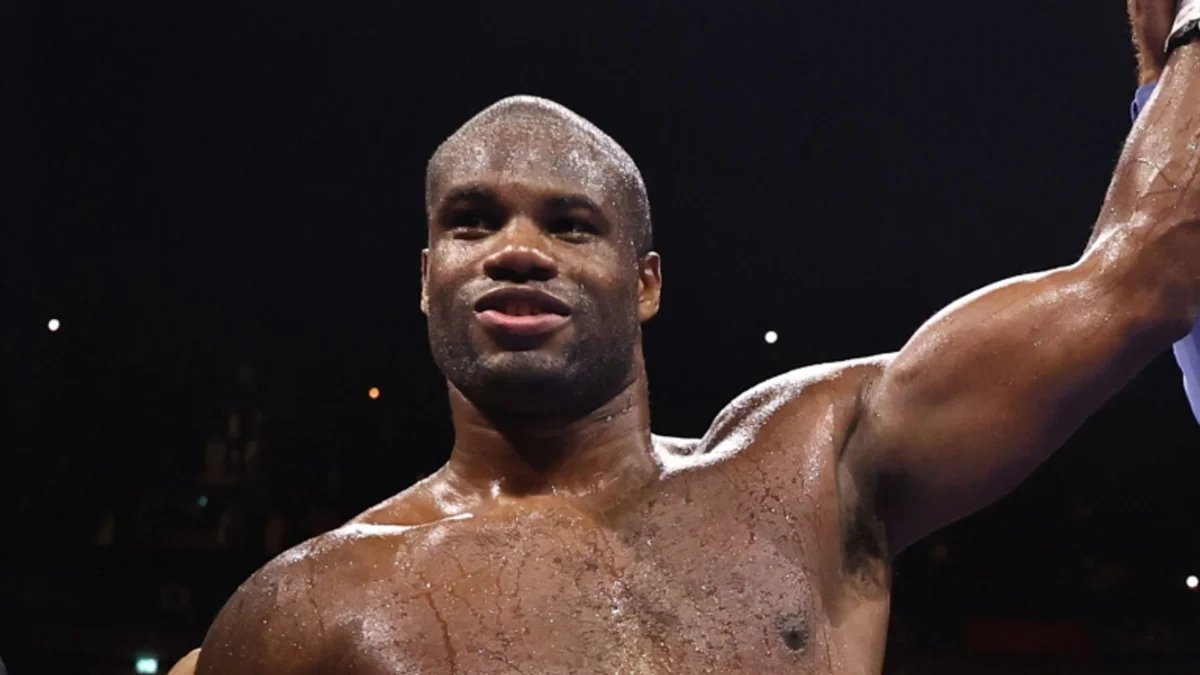
That blockbuster clash in Wales is widely recognized as a definitive swansong bout for both Fury and Joshua, signaling the final chapter of a transformative era for British combat sports. While it may prove difficult for any future fighters to replicate the sheer cultural saturation and mainstream celebrity status that Fury and Joshua achieved at their absolute peak, Dubois and Itauma possess all the necessary tools to emulate their predecessors by taking firm control over the summit of the heavyweight division.
Where Dubois and Itauma promise to diverge from the path walked by Fury and Joshua is in the timing and execution of their potential showdowns. Unlike their senior counterparts, who left their singular head-to-head meeting until the autumn of their respective careers, Dubois and Itauma are not constrained by a ticking biological clock. Both fighters are remarkably young by the standard timelines of modern heavyweights, where physical maturity often arrives later in a boxer’s career. Dubois is currently 29 years old, while Itauma is just 21.
Because of this favorable age demographic, there is no structural reason for the two heavyweights to delay a high-stakes meeting until their twilight years. Instead, they have the rare luxury of being able to clash during their absolute athletic primes. Furthermore, the longevity afforded by their youth means they have ample time to build a sustained multi-fight rivalry, with the potential to share the ring two or even three times throughout their careers if their performances and public demand warrant it.
Dubois currently finds himself operating at the absolute peak of his professional momentum. The lingering memories of his two championship defeats to Ukrainian master Oleksandr Usyk have receded into the background, largely eclipsed by a series of sensational performances that restored his standing among the global heavyweight elite. Dubois firmly cemented his status by engaging in a memorable, epic brawl against Fabio Wardley, navigating extreme punishment to capture the WBO world heavyweight title.
Not content with merely claiming the belt, Dubois subsequently erased any lingering doubts regarding his supremacy in a high-profile rematch with Wardley. In that second encounter, Dubois produced a clinical and destructive performance, completely demolishing Wardley to successfully defend his WBO belt and confirm his position as one of the most dangerous and physically imposing power-punchers in world boxing.
In contrast, Itauma finds himself at a critical transitional junction in his young career, forced to navigate the immediate aftermath of his first professional defeat. The fast-rising contender faced experienced Croatian contender Filip Hrgovic in a high-stakes battle for the IBF heavyweight world title, a fight that provided equal parts validation of his immense gift and sobering lessons regarding the realities of world-class distance fighting.
Throughout the opening eight rounds of the contest, the 21-year-old Itauma put his extraordinary speed, sharp instincts, and advanced technical repertoire on full display, effectively outboxing Hrgovic and delivering sustained punishment to the seasoned veteran. However, as the fight entered its late stages, Itauma suffered a sudden physical decline, visibly tiring as his work rate plummeted and his defensive structure unravelled. Hrgovic, who had weathered an enormous amount of early damage, recognized the shift in momentum and seized the opportunity, stopping the exhausted young prodigy in the ninth round to score a dramatic TKO victory.
Despite the setback, the post-fight consensus surrounding Itauma remains overwhelmingly positive. Having secured his stoppage victory, Hrgovic offered sincere advice to the young British fighter, praising Itauma’s remarkable gifts while offering a stern warning to the rest of the division. Hrgovic noted that if Itauma processes the tactical and physical lessons from his first career loss and makes the necessary adjustments to his pacing and stamina, it will be exceptionally difficult for anyone in the heavyweight division to beat him again in the future.
The current narrative surrounding Itauma closely mirrors the trajectory that Dubois himself was forced to navigate earlier in his own journey. Itauma now faces a period defined by intense public scrutiny, persistent lingering questions, and a profound point to prove—a process identical to the one Dubois experienced following his first career defeat against Joe Joyce in 2020. In that fight, a young Dubois took a knee after sustaining a serious eye injury, drawing sharp criticism from detractors before meticulously rebuilding his skill set, mental fortitude, and career path to eventually reach world title status.
For his part, Dubois harbors no doubts about Itauma’s ability to recover from the loss and fight his way back into the upper echelon of the heavyweight division. Assessing the future landscape of the weight class, the WBO champion expressed genuine enthusiasm for Itauma’s eventual return to title contention, acknowledging the importance of having capable domestic rivals to share the stage with. Dubois noted his hope that Itauma would rebuild successfully, pointing out that every great champion requires elite opponents, stating simply that fighters need true dance partners to create lasting legacies.
Promoter Frank Warren, who guides the professional careers of both Dubois and Itauma under the Queensberry banner, shares a similarly optimistic perspective regarding Itauma’s long-term trajectory. Warren maintains that experiencing adversity early in a fighter’s development is often an essential prerequisite for true greatness, insisting that overcoming setbacks is ultimately what turns a talented prospect into a complete world champion.
According to Warren, the immediate plan for Itauma is already taking shape, with a structured return to action designed to accelerate his growth rather than derail it. The veteran promoter confirmed that Itauma will return for a comeback fight scheduled for January, expressing total confidence that the 21-year-old will pass the test with flying colors before turning his attention back toward major title opportunities and potential high-profile domestic clashes.
Looking at the broader picture, Warren voiced immense pride in the current strength and vitality of the domestic boxing scene in the United Kingdom, pointing out that Britain’s firm grip on the heavyweight division is the result of long-term planning and deliberate talent development rather than mere coincidence. He stressed that building such a dominant stable of heavyweight contenders took years of dedicated effort, emphasizing a clear promotional strategy focused on gathering the world’s finest big men under a single banner and ensuring that the absolute biggest and best fights are made for the public. With Dubois established at the championship level and Itauma poised for a strong resurgence, the stage is fully set for the next grand era of British heavyweight boxing.