


Martial arts stands as a broad and endlessly fascinating field, encompassing a vast array of distinct disciplines, each defined by its own unique history, philosophical underpinnings, and technical repertoire. Whether an individual is a seasoned practitioner with years of mat time or a complete novice just embarking on their martial journey, developing a foundational understanding of the various types of martial arts can prove invaluable in selecting the style that best aligns with their personal goals. From striking-based systems like boxing and Muay Thai to grappling-focused arts such as Brazilian Jiu-Jitsu and Judo, every martial discipline offers a distinctive approach to combat, self-defense, and physical conditioning.
The scope of martial arts extends far beyond simple fighting techniques. It represents a rich tapestry of cultural heritage, scientific movement, and mental discipline. By examining the primary categories into which these disciplines fall, practitioners and enthusiasts alike can gain a deeper appreciation for the mechanics of combat sports and physical fitness.
Striking Martial Arts
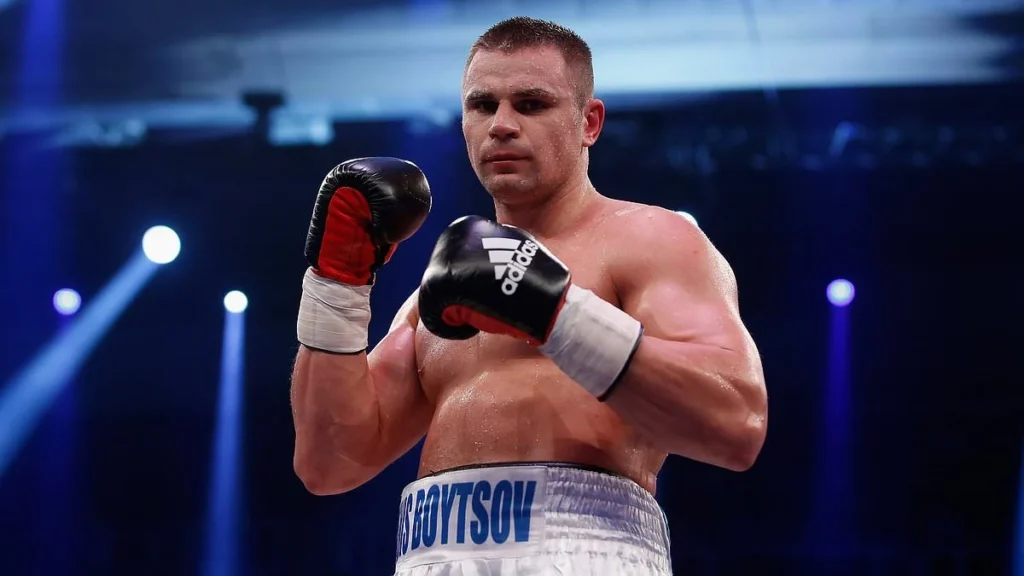
Striking martial arts form one of the most visible and dynamic sectors of the combat sports world. These disciplines focus primarily on utilizing punches, kicks, elbows, knees, and occasionally other anatomical striking tools to deliver powerful, calculated attacks against an opponent. Practitioners of these arts must master distance management, precise timing, and exceptional speed, frequently engaging in high-intensity stand-up exchanges.
Within this broad category, various styles have emerged, each putting its own cultural and technical spin on the art of striking. Whether it is the Western sweet science of boxing, focusing entirely on upper-body footwork and punching combinations, or the traditional and modern kickboxing variants, the core objectives remain consistent. Similarly, arts like Muay Thai introduce devastating elbow and knee strikes, utilizing the clinch to control opponents at close range.

Despite the differences in their regional origins and specific rulesets, each of these striking arts shares a fundamental goal: to incapacitate or decisively score against an adversary using dynamic physical strikes. The training regimes are notoriously demanding, often requiring rigorous cardiovascular endurance, heavy bag work, and meticulous technical drilling to ensure that every strike is delivered with maximum efficiency and minimal vulnerability.
Grappling Martial Arts
In stark contrast to striking-based systems, grappling martial arts shift the paradigm entirely away from punches and kicks, focusing instead on close-range combat, throws, dynamic takedowns, intricate joint locks, and comprehensive ground control. The ultimate objective in these disciplines is not to strike, but rather to subdue an opponent through superior positioning, leverage, and decisive submission holds that force an opponent to concede defeat.
Among the most prominent grappling-based arts are Brazilian Jiu-Jitsu, which revolutionized ground fighting by demonstrating how a smaller practitioner can neutralize a larger attacker through leverage and joint manipulation, and Judo, which emphasizes explosive throws and off-balancing techniques derived from traditional jujutsu.
Grappling arts fundamentally teach control, immense patience, and high-level tactical strategy. Because practitioners constantly engage in resistance-based training against fully resisting opponents, these disciplines are frequently favored by individuals who prefer close-contact combat and a deep intellectual chess match on the mats. The emphasis is placed heavily on body mechanics, weight distribution, and energy conservation, making it a cerebral yet physically exhausting endeavor.

Hybrid Martial Arts
As the combat sports landscape has evolved, the boundaries separating different martial disciplines have increasingly blurred, giving rise to hybrid martial arts. These systems strategically combine elements from both striking and grappling disciplines, rendering them exceptionally versatile and effective across a wide spectrum of combat scenarios.
Such multi-faceted martial arts have achieved immense popularity in contemporary competitive platforms, most notably in mixed martial arts organizations like the Ultimate Fighting Championship, where modern competitors must be thoroughly well-rounded to achieve sustained success. A fighter who relies solely on striking can be neutralized by an elite wrestler, just as a pure grappler can be dismantled by a powerful striker who maintains distance. Consequently, hybrid approaches ensure that athletes can seamlessly transition from striking ranges to the clinch, and subsequently to takedowns and ground submissions.
Hybrid martial arts offer practitioners the invaluable ability to adapt dynamically to virtually any situation, striking a calculated balance between the offensive capabilities of striking and the positional dominance of grappling for maximum overall effectiveness.
Traditional Martial Arts
Traditional martial arts carry forward lineages that have been practiced, refined, and passed down for centuries. These ancient systems frequently incorporate a strong philosophical, ethical, or spiritual component that distinguishes them from modern combat sports. For practitioners of these classical styles, martial arts represent much more than a collection of practical combat techniques; they function as comprehensive ways of life that actively promote deep discipline, profound respect, and continuous self-improvement.

While these traditional disciplines may not occupy the same high-visibility space in modern commercial combat sports as boxing or mixed martial arts, they retain immense cultural and historical significance. They offer a holistic approach to physical self-defense and personal growth, emphasizing kata, forms, and internal energy cultivation alongside external physical movements.
Choosing the Right Martial Art for You
Navigating the vast ecosystem of martial arts can initially feel overwhelming for newcomers and even experienced athletes looking to transition into a new discipline. The key to making an informed choice lies in clearly defining personal objectives—whether those objectives center around cardiovascular fitness, practical self-defense, competitive sport, or deep personal growth.
Individuals who lean toward high-energy, fast-paced training environments often find that striking arts like boxing or Muay Thai suit their temperament and physical preferences. Conversely, those who possess a preference for intricate problem-solving, leverage, and ground control frequently gravitate toward Brazilian Jiu-Jitsu or Judo. For athletes seeking an integrated balance of both worlds, hybrid disciplines provide a comprehensive path forward. Ultimately, the most effective martial art is the one that directly aligns with an individual’s personal aspirations and maintains their long-term motivation.
Understanding the broad spectrum of martial arts serves as the essential first step toward finding a style that resonates on a personal level. From the explosive strikes of modern combat systems to the sophisticated groundwork of traditional and contemporary grappling, the martial arts world offers a remarkably diverse array of paths for physical and mental development. Exploring various disciplines through observation and participation allows practitioners to identify the specific art that complements their unique personality and long-term goals.