
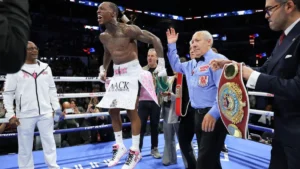
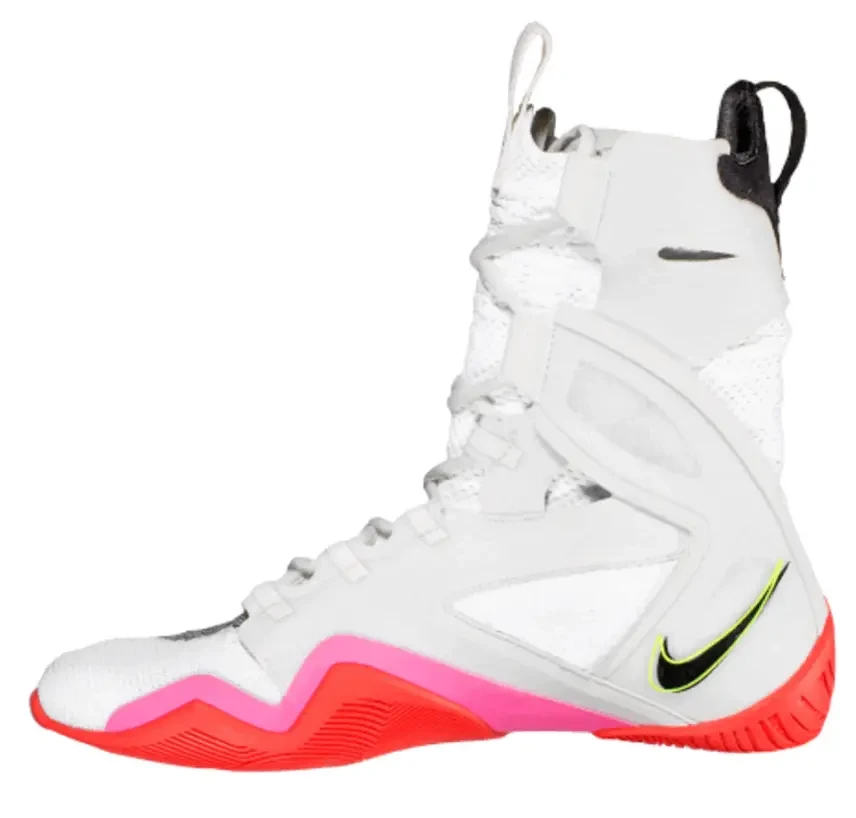
Boxing shoes rank among the most crucial and intensely personal pieces of equipment any fighter can own, sitting arguably just second behind boxing gloves in terms of critical performance impact. Proper boxing footwear enables athletes to move with absolute control, delivering explosive footwork while anchoring solid stops. The highest quality boxing shoes feel light and comfortable, molding to the foot like custom-made gloves and helping the wearer become one with the canvas. Conversely, poorly designed footwear feels like a foreign material underneath, featuring awkward lumps and curves that fail to conform to natural foot shapes. Beyond comfort, considerations of durability, security, and specialized features separate exceptional gear from subpar alternatives.
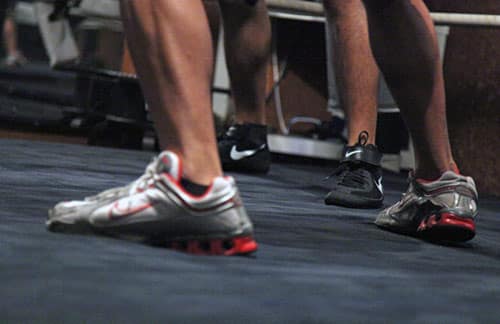
Many beginners display initial resistance when it comes to purchasing dedicated boxing shoes. New participants frequently wish to avoid spending extra money, fail to see the immediate performance benefits, and assume they can simply substitute standard athletic footwear like running shoes, basketball sneakers, or generic cross-trainers. Athletic footwear designed for other sports is generally discouraged, however, as transitioning to real boxing footwear offers immediate and distinct advantages.
Benefits of Wearing Boxing Shoes
Stepping into the ring with running or basketball shoes changes the entire dynamic of movement. Wearing real boxing shoes makes a substantial difference in performance and serves as one of the fastest ways to instantly elevate a beginner’s capabilities in the gym. A well-designed pair of boxing shoes enhances comfort, mobility, speed, and power simultaneously. Footwear engineered specifically for boxing allows athletes to feel secure in traditional boxing stances and execute standard fighting footwork maneuvers naturally. Improved movement directly translates to heightened speed and enhanced punching power.
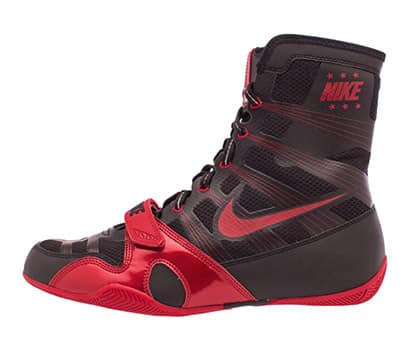
Many fighters are tempted to delay purchasing dedicated boxing shoes until they reach an advanced stage in their training, missing out on the unique feel of authentic ring footwear. Real boxing shoes make feet feel significantly lighter, providing enhanced agility paired with robust support during lateral movements, hooks, and crosses.
Important Features of Good Boxing Shoes
Grip and Pivot
Grip and pivot represent the most distinctive and vital characteristics of boxing shoes. Effective footwear must grip the ground firmly to prevent slipping during explosive power transfers, while simultaneously allowing smooth pivots necessary for throwing power punches and executing foundational fighting maneuvers. Non-boxing shoes typically perform poorly in this balance, often featuring shapes at the forefoot that make pivoting awkward. They tend to be either excessively slippery, offering inadequate traction, or overly tacky, locking the foot to the canvas and impeding rotation.
Individual fighters maintain varying preferences regarding this balance. Some athletes prefer high-grip models despite a slightly more difficult pivot, while others favor smoother soles that rotate easily with minimal traction. The ideal equilibrium provides enough friction for stability during power generation while allowing easy rotation that keeps the fighter securely connected to the canvas. Excessively sticky soles can introduce tripping hazards during rapid footwork transitions.

Sole Thickness, Hardness, and Texture
The construction of the outer sole and internal insole significantly influences balance, mobility, pivoting, and punching efficiency. Inside the shoe, insoles must deliver comfort and promote a balanced stance without throwing off the athlete’s natural axis or forcing the foot to angle unnaturally inward or outward. When stock insoles compromise balance, fighters often replace them with custom alternatives.
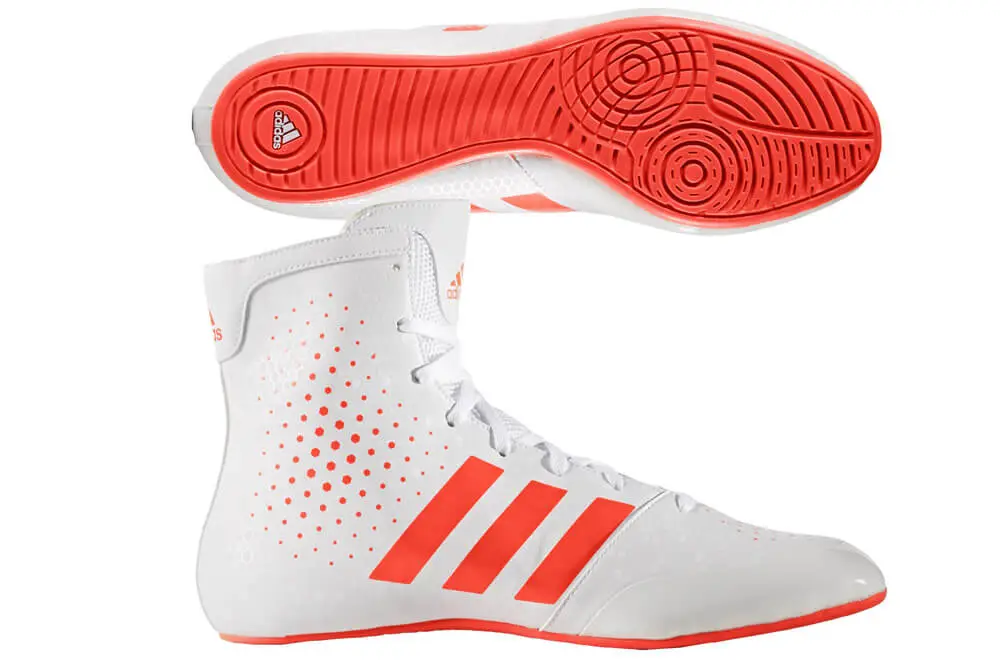
The thickness of the outer sole dictates the ground-feel experience. Thinner soles allow fighters to perceive the canvas intimately, generating a sensation of lightness and heightened agility, though they demand more from foot conditioning and can accelerate foot fatigue. Conversely, thicker soles deliver a solid, grounded feeling and support powerful pushes off the surface, though excessive cushioning can disconnect the fighter from the floor—a common issue found in basketball and running sneakers that feature raised heels and thick padding, which inhibit the ability to sit down on punches for maximum impact.
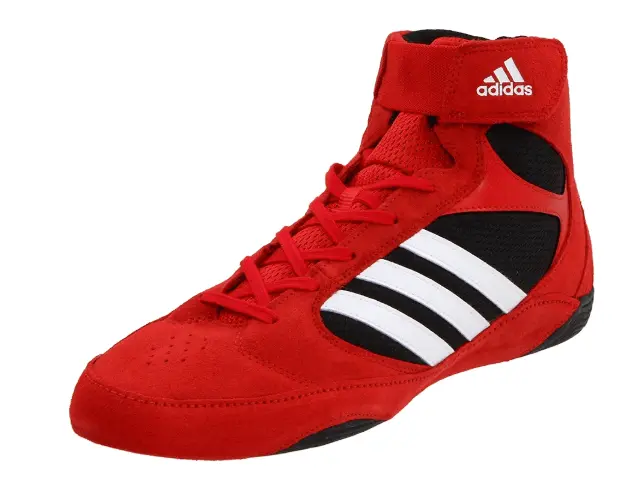
Outer texture and sole construction also vary. Some fighters favor flat, direct-contact surfaces, while others prefer textured ridges or bumps, though textured designs can sometimes mimic the uncomfortable sensation of standing on rocks. Furthermore, wrap-around sole construction extending over the toe and heel enhances durability and adds grip during extreme toe-pivot maneuvers, whereas designs featuring exposed soft upper materials around the toe often feel lighter and more mobile.
Weight and Thickness
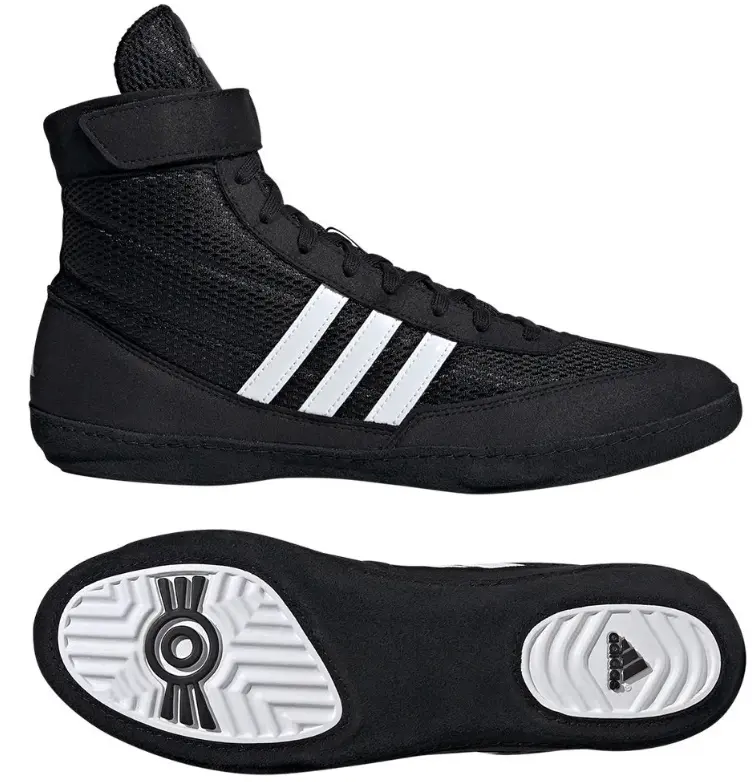
The overall weight and thickness of a boxing shoe stem from selected materials and engineered ankle mobility. Lightweight models utilize thin soles, minimalist uppers, and flexible ankle collars, whereas thicker soles and dense fabrics increase overall weight and rigidity. Lighter configurations favor agility and direct ground feedback, while heavier, thicker structures unify the knee, ankle, and foot to create a cohesive support system during complex movements.
Height and Ankle Support
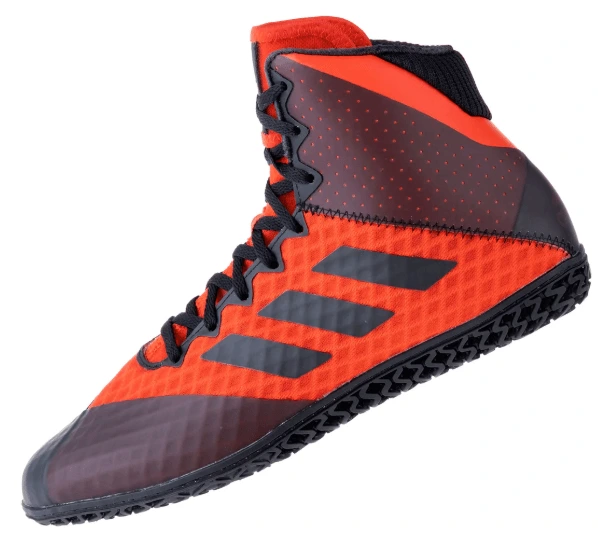
Ankle protection remains a primary function of boxing footwear, guarding against injuries common in sports that require rapid directional changes and multi-directional force application. Boxing shoes generally fall into three height categories: low-top models that sit around the ankle bone, mid-height options rising several inches higher, and high-tops extending nearly to the calf.
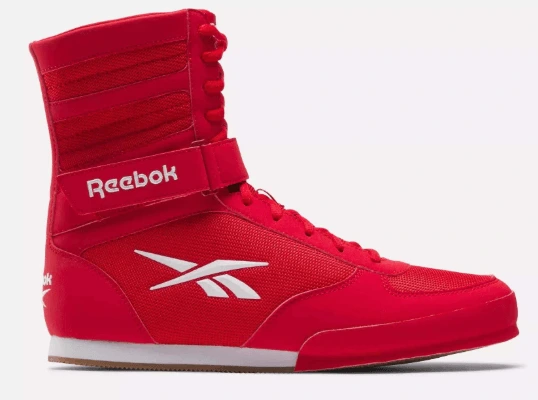
Conventional wisdom dictates that taller shoes provide superior ankle support, making high-tops ideal for fighters prone to sprains or those who prefer a more secure lower-leg enclosure. Low-tops prioritize maximum ankle mobility for fighters with strong joints and fast-paced styles. Beyond pure support, taller shoes often increase lower-leg awareness, encouraging fighters to move their entire lower body in unison while discouraging awkward, overly crouched postures.
Stationary Stability
Unlike running or court sports that emphasize continuous momentum and multi-directional running mechanics, boxing relies heavily on stationary anchoring interspersed with rapid, fidgety adjustments. Boxers require footwear that allows the feet to plant flat against the canvas, facilitating the ability to sit down on punches for maximum leverage before quickly pivoting or stepping. Court shoes with curved, rolling soles and thick cushioning fail to provide this necessary flat, stable platform.
Comfort, Width, and Quality
Comfort and width preferences vary widely among individuals, often dictated by foot structure. Athletes with wide feet require shoes that accommodate natural spreading without pinching or restricting movement, while mesh uppers generally offer more stretch than rigid leather or plastic alternatives. Arch support needs also differ based on foot anatomy and gym flooring density, with hard surfaces favoring flat soles and soft rings sometimes benefiting from added cushioning. Overall construction quality remains paramount, particularly regarding secure sole bonding that resists peeling under intense lateral stress.
Top Boxing Shoe Brands
Nike
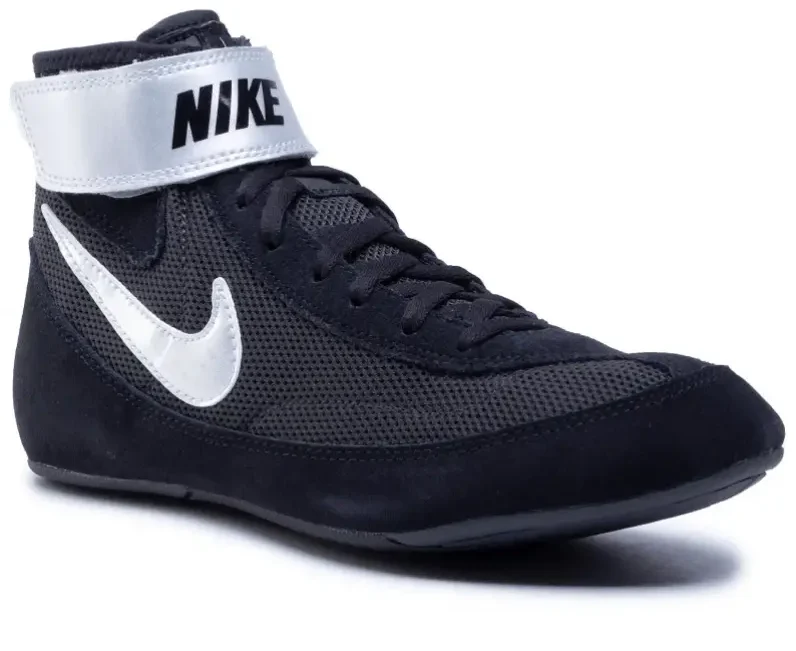
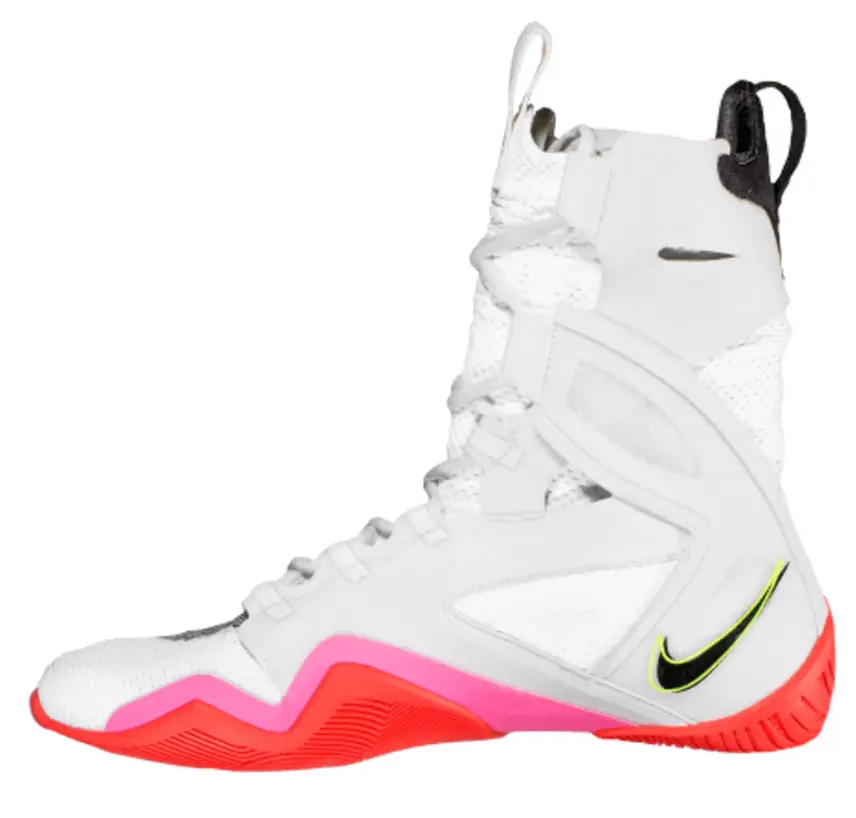
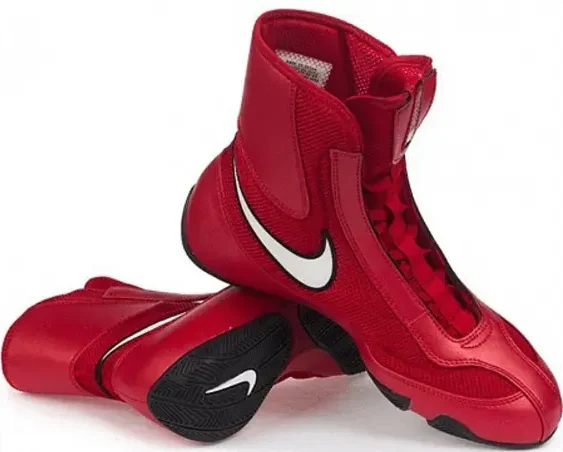
Nike stands as the most popular and widely adopted boxing shoe brand globally, recognized for high-performance standards, durability, and aggressive athletic aesthetics. Models like the Nike Speedsweep offer lightweight, low-top agility with secure heel anchoring at an accessible price point, serving as favored footwear for many amateurs and professionals alike. The Nike HyperKO high-top series, popularized by elite champions like Manny Pacquiao, delivers a stiff, boot-like sole unit paired with an extremely lightweight upper. Additional offerings like the Machomai and KO Mid lines provide reliable mid-top alternatives favored across international gyms.
Adidas, Reebok, Rival, and Venum
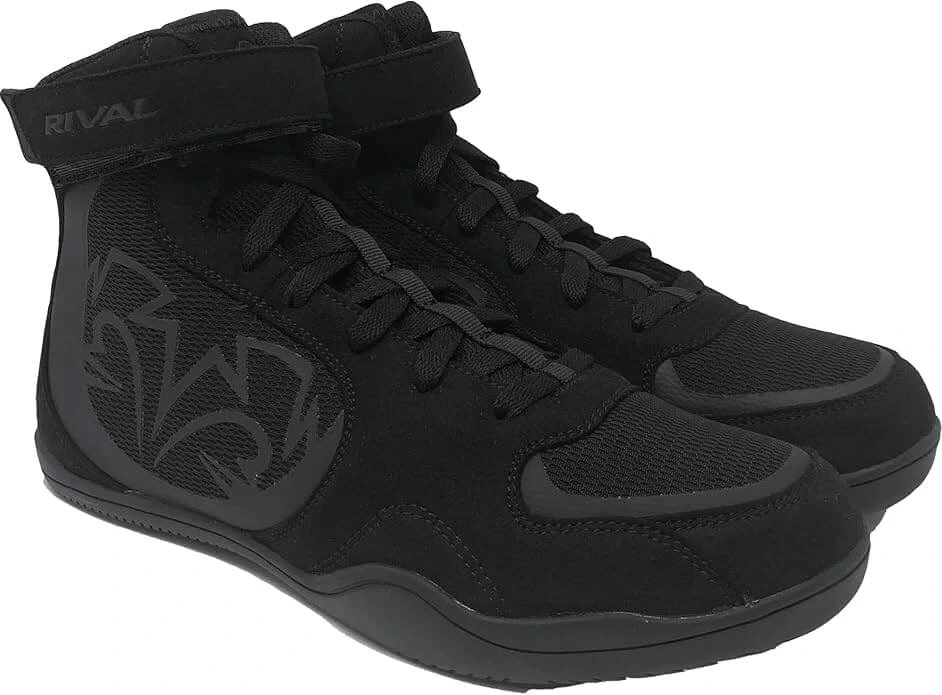
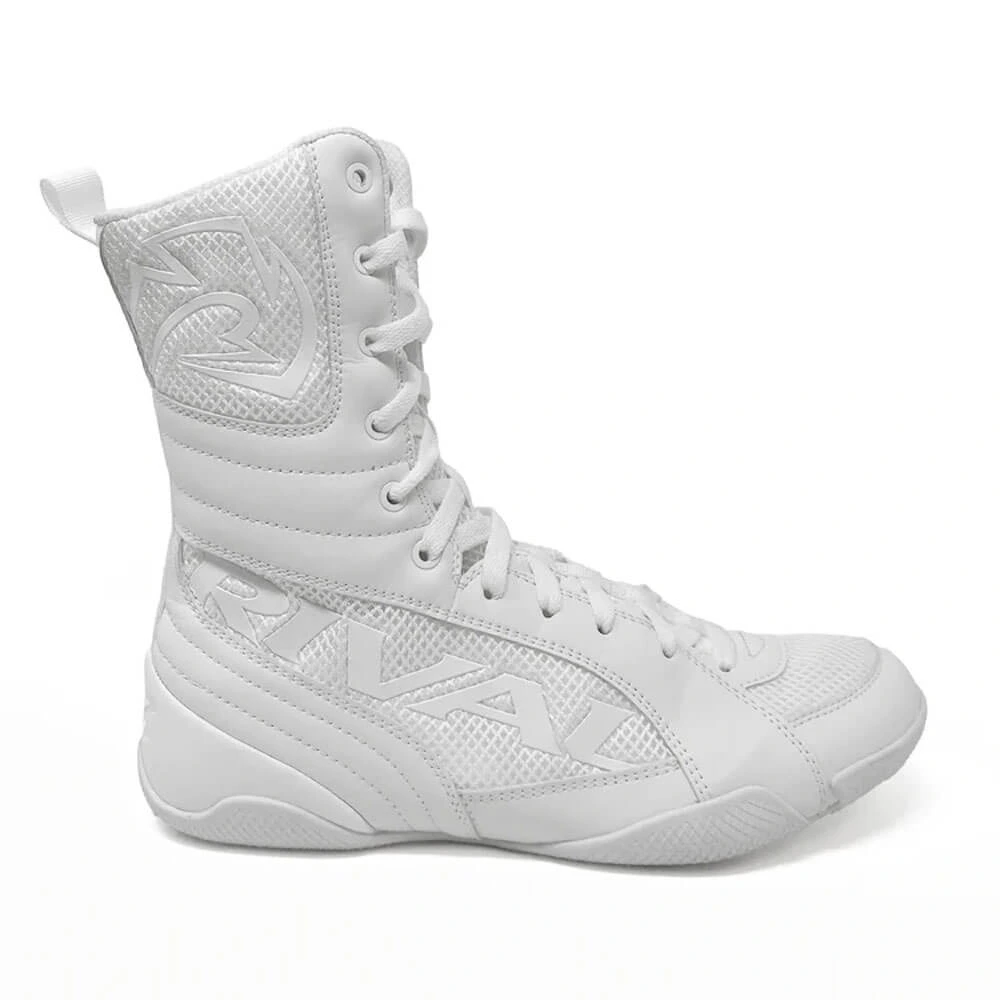
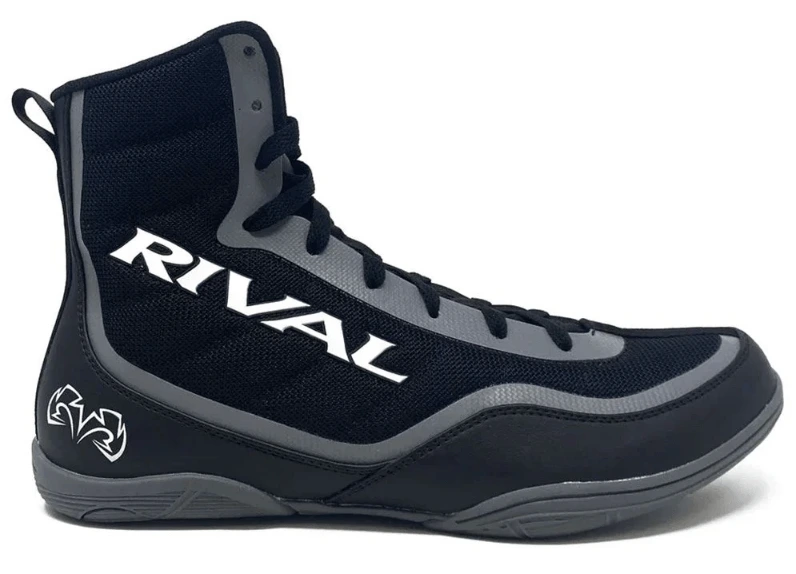
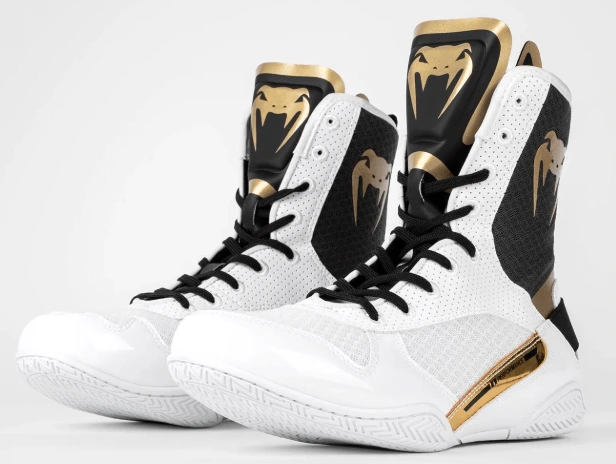
Adidas represents a major industry presence with strong popularity in European markets, featuring models like the Speedex, KO Legend, and Combat Speed lines that cater to fighters seeking alternative fits. Reebok has entered the mainstream boxing market with high-top models endorsed by prominent professionals, offering stylish support despite narrower fits. Rival provides sturdy alternatives such as the Guerrero and RSX series, offering structured ankle support and durable builds that appeal to fighters who prefer substantial padding over minimalist designs. Venum positions its Elite mid-top line as a competitive option in the premium market space, though traditional brand perception varies among purists.

Mexican Brands
Mexican boxing brands, including Cleto Reyes and specialized boutique makers, maintain a strong reputation rooted in traditional craftsmanship and all-leather construction. Unlike mass-produced synthetic alternatives, pure leather models like the Cleto Reyes high-top lace-up shoes offer exceptional durability and mold closely to the foot over time, often featuring convenient side zippers to ease the process of lacing up tall boots. Emerging American brands producing footwear in Mexico, such as Adams Boxing, have also cultivated dedicated followings among purists through striking designs and high comfort levels.

Luxury Brands
Premium luxury options cater to serious practitioners and professionals willing to invest in elite craftsmanship. Winning, manufactured in Japan, is renowned for ultra-lightweight synthetic construction, though local preferences within Japanese athletic circles often favor alternative brands. Mizuno provides exceptionally sleek, high-end lightweight shoes utilized by elite champions. Meanwhile, custom-made Italian offerings from makers like Di Nardo utilize fine Italian leather and meticulous handcrafting to deliver a bespoke luxury experience.

Budget and Alternative Brands
Asics remains a respected athletic manufacturer whose wrestling footwear, such as the Cael, JB Elite, and Matflex series, frequently crosses over into boxing due to favorable pricing, reliable performance, and lightweight traction. Conversely, brands like Otomix cater primarily to general fitness and martial arts markets. Traditional combat sports brands including Everlast, Ringside, Title Boxing, and Lonsdale offer varied consumer-grade options at accessible price points, though criticisms regarding quality control and comfort persist among experienced gym participants.
Gym Popularity and Alternative Footwear
Within typical boxing gyms, Nike, Reebok, and Adidas dominate overall usage, with low-top models favored primarily by lighter amateurs and high-tops preferred by seasoned professionals and taller athletes. Regarding alternative footwear, wrestling shoes are frequently utilized for boxing due to similar structural designs, though they often feature higher grip levels. In contrast, basketball and tennis shoes remain entirely unsuitable for the sport due to excessive traction that hinders pivoting and thick, curved soles that prevent the flat-footed anchoring necessary for generating maximum punching power.